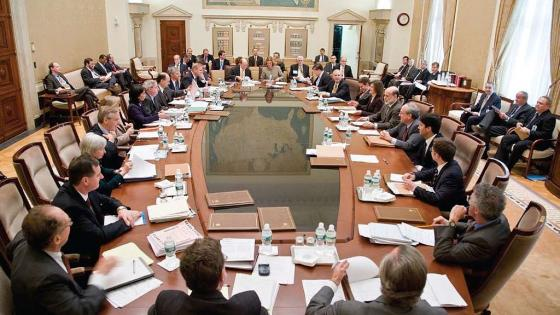
The Federal Reserve has kept interest rates elevated in response to persistent inflation and shifting economic conditions. These decisions are influencing mortgage costs, credit card rates, savings yields, business investment, and consumer confidence across the United States. Understanding what the Fed’s recent moves signal can help households and businesses make more informed financial decisions in a period of economic uncertainty.
Why the Federal Reserve Matters to Everyday Americans
For many Americans, the Federal Reserve can seem distant from daily life. Yet its decisions directly affect how much people pay to borrow money, how much they earn on savings, and how businesses invest and hire.
The Fed’s primary responsibilities include:
- Managing inflation
- Supporting employment
- Maintaining financial system stability
- Influencing interest rates through monetary policy
Its most visible tool is the federal funds rate, which influences borrowing costs throughout the economy. When the Fed raises rates, borrowing becomes more expensive. When it lowers rates, credit generally becomes cheaper and economic activity often accelerates.
Recent policy decisions have drawn national attention because Americans are feeling the effects in multiple areas at once: housing affordability, credit card debt, auto financing, savings accounts, and retirement planning.
Why the Fed Raised Rates Aggressively in Recent Years
After inflation surged following pandemic-era disruptions, the Federal Reserve responded with one of the fastest interest-rate tightening cycles in decades.
Inflation was driven by several overlapping factors:
- Supply chain disruptions
- Strong consumer demand
- Labor shortages
- Rising housing costs
- Energy price volatility
- Large-scale fiscal stimulus during and after the pandemic
By increasing rates, the Fed aimed to slow spending and reduce inflationary pressure without triggering a severe recession.
According to data from the Federal Reserve Bank of St. Louis and the U.S. Bureau of Labor Statistics, inflation reached levels not seen in roughly four decades before gradually moderating as higher rates cooled portions of the economy.
For consumers, however, the adjustment period has been challenging.
What Higher Interest Rates Mean for Borrowing
One of the clearest impacts of recent Fed policy has been the rising cost of borrowing.
Mortgage Rates
Mortgage rates climbed sharply as the Fed tightened policy. Even though the Fed does not directly set mortgage rates, its actions strongly influence Treasury yields and lending markets.
For example, a homebuyer financing a $400,000 mortgage at 3% in previous years faced significantly lower monthly payments than someone borrowing at 6.5% or higher today.
This shift has produced several noticeable effects:
- Reduced housing affordability
- Slower home sales activity
- Increased demand for rentals
- Hesitation among homeowners to sell properties tied to lower-rate mortgages
Many Americans searching online now ask:
- “Will mortgage rates go down soon?”
- “Should I buy a house now or wait?”
- “How long will interest rates stay high?”
Economists remain divided. Some expect gradual easing if inflation continues cooling, while others believe rates may remain elevated longer than markets initially expected.
Credit Cards and Consumer Debt Are Becoming More Expensive
Higher rates are especially painful for revolving debt.
Credit card APRs reached historically high averages as banks adjusted lending costs upward. Americans carrying balances month-to-month are now paying substantially more in interest than they did just a few years ago.
This matters because household debt levels remain significant across the country.
Common financial challenges now include:
- Rising minimum monthly payments
- Increased use of buy-now-pay-later services
- Difficulty paying down balances
- Reduced discretionary spending
A practical example illustrates the difference clearly.
A consumer carrying a $10,000 balance at a 15% APR previously might have seen manageable monthly interest charges. At 22% or higher, the same balance becomes far more difficult to reduce without aggressive repayment efforts.
Financial advisors increasingly recommend prioritizing high-interest debt repayment before making aggressive investment moves during periods of elevated borrowing costs.
Auto Loans and Personal Financing Are Also Tightening
Auto financing has become another pressure point.
New vehicle prices remain relatively high compared with pre-pandemic levels, while financing costs have risen alongside interest rates.
As a result:
- Monthly car payments have increased
- Loan approval standards have tightened
- Consumers are extending loan terms
- Demand for used vehicles has remained elevated
Small businesses are also experiencing higher borrowing costs through commercial loans and lines of credit.
For business owners, this can mean:
- Delayed expansion plans
- Reduced hiring
- Lower inventory purchases
- More conservative budgeting
In sectors sensitive to financing conditions, including construction and manufacturing, these effects can ripple throughout local economies.
Why Savers Are Finally Earning More Interest
Not all consequences of higher rates are negative.
For years, many Americans earned almost nothing on savings accounts. Recent Fed policy changes have improved returns for savers considerably.
High-yield savings accounts, certificates of deposit (CDs), and money market funds now offer yields that are far more attractive than they were during near-zero-rate periods.
This has changed financial behavior in several ways:
- More households are prioritizing emergency savings
- Retirees are finding fixed-income products more attractive
- Conservative investors are reconsidering cash allocations
- Consumers are moving money away from low-yield traditional accounts
A retiree with $100,000 in savings, for example, may now earn thousands more annually in interest income compared with the low-rate environment that persisted for much of the previous decade.
Still, savers must consider inflation carefully. Even when account yields improve, purchasing power matters more than nominal returns alone.
What the Fed’s Moves Could Mean for Inflation
Inflation remains the central issue shaping Federal Reserve policy.
Although inflation has cooled from its peak levels, prices across many categories remain noticeably higher than before the pandemic.
Americans continue to experience elevated costs in areas such as:
- Housing
- Insurance
- Healthcare
- Groceries
- Dining
- Utilities
The Fed’s challenge is balancing two competing risks:
- Keeping rates too high for too long and slowing the economy excessively
- Cutting rates too early and allowing inflation to reaccelerate
This balancing act explains why Fed officials often communicate cautiously and avoid making strong promises about future rate cuts.
Markets closely monitor:
- Inflation reports
- Employment data
- Consumer spending
- Wage growth
- Manufacturing activity
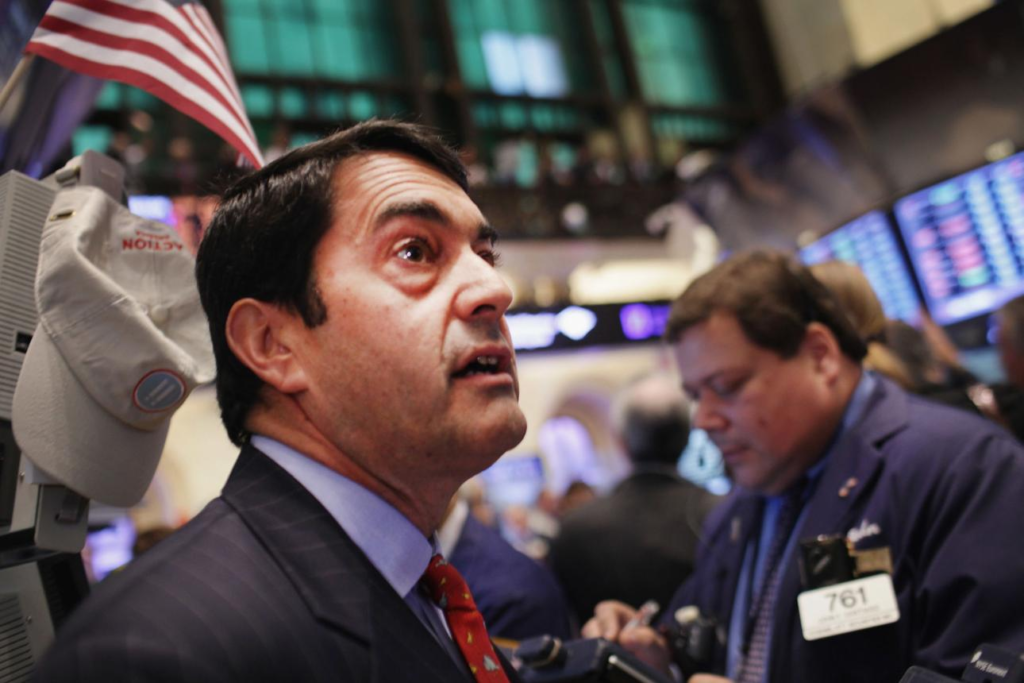
Each data release can influence expectations about future policy moves.
How Businesses and Employers Are Responding
Businesses across the U.S. economy are adapting differently depending on their size and industry.
Large corporations with strong cash reserves may manage higher rates more comfortably. Smaller firms, however, often depend heavily on financing.
In practice, elevated borrowing costs can lead to:
- Slower business investment
- Reduced startup activity
- Hiring freezes
- Greater emphasis on profitability over expansion
At the same time, the labor market has remained relatively resilient compared with historical expectations during aggressive tightening cycles.
Many economists expected a sharper rise in unemployment. Instead, the economy has shown surprising durability in areas including consumer spending and job creation.
That resilience has complicated the Fed’s policy path because strong economic activity can keep inflation pressure alive longer.
Could the U.S. Economy Still Avoid a Recession?
One of the most searched economic questions in America remains simple:
“Is a recession coming?”
The answer is still uncertain.
Some indicators suggest economic slowing:
- Higher delinquency rates
- Weaker manufacturing activity
- Slower home sales
- Reduced consumer confidence in some sectors
Other indicators remain relatively strong:
- Continued job growth
- Wage increases
- Business investment in technology and infrastructure
- Ongoing consumer spending
The possibility of a “soft landing” — where inflation cools without a major recession — remains a major focus among economists and policymakers.
Historically, achieving that balance has been difficult. However, current conditions differ from past cycles in several important ways, including unusually strong household balance sheets after the pandemic recovery period.
What Americans Are Asking Right Now
Many online searches reflect practical concerns rather than abstract economic theory.
Common questions include:
Should I refinance my mortgage now?
That depends on your current rate, long-term housing plans, and expectations about future rates. Many homeowners with historically low fixed rates are choosing to wait rather than refinance into higher-cost loans.
Is now a good time to keep money in savings accounts?
For conservative savers, today’s higher yields may provide meaningful short-term benefits, especially compared with the near-zero returns of previous years.
Will the Fed cut rates soon?
Future decisions depend heavily on inflation and employment data. Markets often expect cuts earlier than the Fed ultimately delivers.
Are high credit card rates temporary?
Rates may decline if the Fed eases policy, but lenders also price in credit risk and broader market conditions.

What happens if inflation stays elevated?
Persistent inflation could force rates to remain higher for longer, affecting borrowing, housing, and consumer spending patterns.
How Households Can Adapt Financially
Periods of elevated rates often reward disciplined financial planning.
Several practical approaches may help households navigate uncertainty more effectively:
- Paying down high-interest debt aggressively
- Building emergency savings
- Comparing rates across banks and lenders
- Avoiding overextension on large purchases
- Reviewing adjustable-rate loan exposure
- Maintaining realistic household budgets
For investors, diversification remains important. Economic transitions often produce volatility across stocks, bonds, and real estate markets.
Younger workers may focus on long-term investing opportunities, while retirees may prioritize income stability and capital preservation.
The Fed’s Influence Extends Beyond Interest Rates
While interest rates dominate headlines, the Federal Reserve also shapes economic sentiment through communication.
Markets analyze:
- Fed meeting statements
- Speeches from policymakers
- Economic projections
- Inflation outlooks
Even subtle wording changes can influence bond yields, stock markets, and consumer expectations.
This communication strategy matters because expectations themselves influence economic behavior. If businesses and consumers believe inflation will remain high, they may spend and price accordingly, making inflation harder to control.
That is why transparency and credibility are central to modern central banking.
Reading the Signals Ahead
The next phase of Federal Reserve policy will likely depend on whether inflation continues moving closer to long-term targets without a sharp deterioration in employment.
Americans should expect ongoing debate around:
- Timing of future rate cuts
- Housing affordability
- Consumer debt risks
- Wage growth
- Banking system stability
- Long-term economic growth
While no one can predict policy perfectly, understanding how Fed decisions ripple through daily financial life can help households make more informed decisions rather than reacting emotionally to headlines.
In many ways, the current economic environment reflects a transition period. The era of ultra-cheap money appears to have shifted toward a more normalized interest-rate environment where borrowing carries higher costs and savings once again generate meaningful returns.
Economic Signals Worth Watching in the Months Ahead
As Americans evaluate financial decisions, several indicators may offer important clues about where the economy is heading next:
- Inflation trends in housing and services
- Changes in unemployment rates
- Consumer spending behavior
- Mortgage and credit-card delinquency levels
- Wage growth relative to inflation
- Future guidance from the Federal Reserve
- Treasury yield movements
- Bank lending standards
- Small-business hiring activity
- Consumer confidence surveys
These signals may help households, investors, and businesses prepare more thoughtfully for changing economic conditions rather than relying solely on short-term market reactions.
Frequently Asked Questions
1. Why did the Federal Reserve raise interest rates?
The Fed raised rates primarily to slow inflation by reducing excessive demand and cooling parts of the economy.
2. Does the Federal Reserve directly control mortgage rates?
Not directly. Mortgage rates are influenced by broader market conditions, Treasury yields, and expectations tied to Fed policy.
3. Why are credit card interest rates so high right now?
Most credit cards use variable rates linked to broader interest-rate benchmarks that rise when the Fed tightens policy.
4. Are savings accounts paying more because of the Fed?
Yes. Higher benchmark rates allow banks and financial institutions to offer better yields on savings products.
5. Could the Fed lower rates in the near future?
Potentially, but future decisions depend heavily on inflation and labor market data.
6. What is a soft landing in economic terms?
A soft landing refers to reducing inflation without causing a severe recession or major unemployment spike.
7. How do higher rates affect businesses?
Businesses often face higher borrowing costs, which can reduce expansion, hiring, and investment activity.
8. Is inflation still a major concern in the United States?
Yes. Although inflation has moderated from peak levels, many essential costs remain elevated.
9. Why does the stock market react strongly to Fed announcements?
Markets adjust quickly to changing expectations around borrowing costs, corporate earnings, and future economic growth.
10. What financial steps can households consider during high-rate periods?
Reducing high-interest debt, strengthening savings, and budgeting carefully are commonly recommended strategies.