Americans are redefining wealth building in response to inflation, economic uncertainty, housing costs, and changing career patterns. Instead of chasing quick gains, more households are prioritizing resilience, diversified income, long-term investing, and financial flexibility. This shift is changing how people save, invest, manage debt, prepare for retirement, and think about financial security in a rapidly evolving economy.
Why Wealth Building Looks Different Today
For decades, the traditional American wealth-building formula seemed relatively straightforward: earn a stable income, buy a home, contribute to retirement accounts, and gradually build savings over time. While those principles still matter, the economic realities facing Americans today have changed significantly.
Higher living costs, student debt, healthcare expenses, volatile markets, and changing employment patterns have forced many households to rethink what financial security actually means. In response, wealth building is becoming less about appearances and more about resilience, adaptability, and long-term sustainability.
According to data from the Federal Reserve, many Americans continue to feel financially vulnerable despite rising wages in some sectors. Inflation-adjusted purchasing power, housing affordability concerns, and uncertainty about retirement readiness are shaping financial decisions across generations.
At the same time, access to investing tools, financial education, and digital banking platforms has expanded dramatically. Younger investors, in particular, are entering the market earlier and approaching money differently than previous generations.
The result is a broader shift in mindset:
- Wealth is increasingly viewed as freedom and flexibility, not just accumulation
- Multiple income streams are becoming more common
- Long-term investing is regaining attention over speculative trading
- Emergency savings are being prioritized again
- Financial literacy is playing a larger role in household decision-making
This evolution reflects a growing awareness that economic conditions can change quickly — and that financial stability requires more than a single strategy.
Americans Are Prioritizing Financial Resilience Over Lifestyle Inflation
One of the clearest changes in modern wealth building is the growing focus on financial resilience.
During periods of low interest rates and rising asset prices, many households expanded spending as incomes increased. But recent inflationary pressures and economic uncertainty have caused many Americans to reassess how sustainable that approach really is.
More households are now asking practical questions such as:
- How much emergency savings is enough?
- What happens if income suddenly drops?
- Can monthly expenses remain manageable during a recession?
- Is debt limiting future flexibility?
These concerns are reshaping financial habits.
Instead of automatically upgrading homes, vehicles, or lifestyles with every income increase, many individuals are directing additional earnings toward:
- Emergency funds
- Retirement contributions
- High-interest debt reduction
- Tax-advantaged investment accounts
- Cash-flow-producing assets
For example, a dual-income household earning $140,000 annually may now choose to maintain a modest mortgage while increasing retirement savings and building a six-month emergency reserve. A decade ago, that same household might have stretched for a larger home or higher monthly expenses.
This change is especially noticeable among younger professionals who witnessed economic disruptions during both the pandemic era and periods of market volatility.
The Definition of “Wealth” Is Expanding
Historically, wealth was often associated with visible indicators: large homes, luxury purchases, or high salaries. Today, many Americans are redefining wealth in quieter and more practical terms.
Increasingly, financial security is being measured by:
- Freedom from high-interest debt
- The ability to withstand economic shocks
- Time flexibility
- Early retirement potential
- Reduced financial stress
- Stable long-term investments
This shift has fueled interest in concepts like financial independence and intentional spending.
A growing number of households are choosing financial flexibility over status-driven consumption. For some, that means downsizing expenses. For others, it means relocating to lower-cost areas, building remote income streams, or delaying major purchases to strengthen long-term stability.
The rise of remote work has also changed financial planning decisions. Workers no longer necessarily need to live in the highest-cost urban centers to access strong career opportunities. This flexibility has altered how Americans evaluate housing, transportation, and savings priorities.
Long-Term Investing Is Returning to Center Stage
In recent years, market volatility and speculative investing trends captured widespread attention. However, many investors are returning to more disciplined, long-term strategies.
Financial advisors increasingly emphasize:
- Broad diversification
- Low-cost index funds
- Consistent retirement contributions
- Tax-efficient investing
- Risk management
- Long-term compounding
This shift reflects growing recognition that wealth building is rarely driven by short-term market timing.
Consider a 30-year-old investor contributing consistently to a diversified retirement portfolio over 30 years. Even moderate annual returns, combined with disciplined contributions, can significantly outperform sporadic speculative trading attempts.
The principle behind long-term compounding remains one of the most reliable mechanisms in personal finance. Small, consistent actions often produce more sustainable results than aggressive short-term strategies.
For many Americans, retirement planning is also becoming more individualized. Traditional pension systems are less common than in previous generations, placing greater responsibility on individuals to manage retirement savings independently.
As a result, interest in:
- 401(k) optimization
- Roth IRAs
- Health Savings Accounts (HSAs)
- Dividend investing
- Tax diversification
has continued to grow.

Housing Is No Longer Viewed the Same Way
Homeownership remains an important wealth-building tool for many Americans, but attitudes toward housing are evolving.
Rising mortgage rates and affordability challenges have changed the financial calculation for many buyers. Instead of assuming homeownership is automatically the best decision, households are increasingly weighing:
- Local market conditions
- Mobility needs
- Maintenance costs
- Interest rates
- Opportunity costs
- Long-term affordability
In some cases, renting while investing aggressively elsewhere may offer better flexibility and financial efficiency than stretching to purchase an expensive property.
That does not mean homeownership has lost value. Real estate can still provide:
- Equity growth
- Tax advantages
- Payment stability
- Long-term appreciation potential
However, the newer mindset treats housing as one part of a broader financial strategy rather than the sole foundation of wealth.
This distinction is important because overconcentration in a single asset category can increase financial vulnerability, especially during periods of market correction or economic stress.
Multiple Income Streams Are Becoming More Common
Another major shift in wealth-building behavior is the growing emphasis on diversified income.
Many Americans no longer rely exclusively on one employer or salary for financial security. Instead, households are increasingly exploring:
- Freelance work
- Consulting
- Online businesses
- Rental income
- Dividend portfolios
- Side projects
- Digital products
Technology has lowered barriers to entry for supplemental income opportunities. Remote platforms, creator economies, and digital marketplaces have expanded the number of ways individuals can generate revenue outside traditional employment.
For example, a marketing professional may maintain a full-time role while also operating a freelance consulting business. A teacher might supplement income through online tutoring or digital course creation.
This trend reflects both opportunity and caution.
On one hand, diversified income can accelerate savings and reduce dependence on a single employer. On the other, many households are seeking protection against layoffs, industry disruption, or income instability.
The underlying principle is increasingly clear: financial security improves when income sources are diversified.
Debt Management Is Playing a Bigger Role in Wealth Planning
Interest rates have made debt management a more urgent issue for many Americans.
High-interest consumer debt — particularly credit card balances — can significantly limit long-term wealth accumulation. As borrowing costs rise, households are paying closer attention to:
- Interest rate exposure
- Debt-to-income ratios
- Refinancing opportunities
- Credit utilization
- Monthly cash flow
More financial planners now emphasize balance-sheet management alongside investing.
For example, earning 7% annual investment returns may provide limited benefit if an individual simultaneously carries credit card debt at 24% interest.
This is why many Americans are prioritizing:
- Paying down high-interest debt first
- Improving credit profiles
- Building emergency savings before aggressive investing
- Maintaining manageable fixed expenses
Student loans also continue to shape financial planning decisions for millions of households. Borrowers are increasingly evaluating repayment structures, employer assistance programs, and refinancing strategies as part of broader wealth planning.

Financial Literacy Is Becoming a Competitive Advantage
Access to financial information has expanded dramatically, but financial literacy gaps remain substantial.
Many Americans now recognize that understanding personal finance is no longer optional. Decisions related to taxes, investing, insurance, retirement accounts, and debt management can have long-term consequences.
As a result, educational financial content has become increasingly mainstream.
Popular topics include:
- Retirement contribution strategies
- Tax-efficient investing
- Budget automation
- Estate planning basics
- Inflation protection
- Passive income concepts
- Risk-adjusted investing
Importantly, there is also growing skepticism toward overly aggressive financial advice and unrealistic wealth promises.
Consumers are becoming more selective about whom they trust, often favoring credentialed professionals, established institutions, and evidence-based financial guidance over speculative online trends.
This trend toward practical financial education may ultimately become one of the most important long-term shifts in American wealth building.
What Americans Are Asking About Wealth Building Today
How much emergency savings should most households have?
Many financial professionals recommend maintaining three to six months of essential living expenses in accessible savings. Households with variable income may benefit from larger reserves.
Is homeownership still one of the best ways to build wealth?
Homeownership can still support long-term wealth creation, but affordability, local market conditions, and personal financial stability matter significantly more than in previous decades.
Are younger Americans investing earlier?
Yes. Access to commission-free investing platforms and financial education content has encouraged many younger adults to begin investing earlier than prior generations.
What role does inflation play in wealth building?
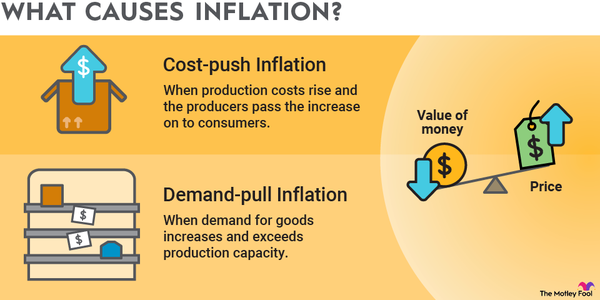
Inflation reduces purchasing power over time, which is why long-term investing and income growth remain critical components of preserving wealth.
Why are multiple income streams becoming more popular?
Additional income sources can improve financial resilience, reduce dependence on a single employer, and accelerate savings or debt repayment goals.

Frequently Asked Questions
1. What are the new rules of wealth building today?
Modern wealth building emphasizes financial flexibility, diversified income, disciplined investing, manageable debt, and long-term resilience rather than rapid accumulation alone.
2. Is investing still important during economic uncertainty?
Yes. Long-term investing remains one of the primary tools for preserving purchasing power and building retirement security over time.
3. How are younger generations approaching money differently?
Many younger Americans prioritize flexibility, financial independence, remote income opportunities, and earlier investing participation.
4. Should people focus on saving or investing first?
Most households benefit from building emergency savings first while gradually contributing to long-term investments simultaneously.
5. Why are Americans more cautious about debt now?
Higher interest rates and economic uncertainty have increased awareness of how debt can limit long-term financial flexibility.
6. Are side hustles becoming a permanent part of wealth building?
For many households, supplemental income streams are now viewed as a practical component of long-term financial planning.
7. What is lifestyle inflation?
Lifestyle inflation occurs when spending rises alongside income increases, often reducing long-term savings potential.
8. How important is financial literacy today?
Financial literacy plays a critical role in helping individuals make informed decisions about investing, taxes, debt, and retirement planning.
9. Is real estate still a reliable investment?
Real estate can remain valuable, but buyers are increasingly evaluating affordability, cash flow, and market conditions more carefully.
10. What does financial security mean to most Americans now?
Increasingly, financial security means stability, flexibility, reduced stress, and the ability to handle unexpected economic changes confidently.
Building Stability in an Uncertain Economy
The modern approach to wealth building is becoming more balanced, practical, and adaptable. Americans are increasingly recognizing that financial security depends less on chasing rapid gains and more on creating systems that can endure changing economic conditions.
That shift is influencing how households save, invest, borrow, spend, and plan for the future.
Rather than relying on a single formula, today’s wealth-building strategies often combine multiple principles: disciplined investing, diversified income, controlled expenses, financial education, and long-term planning.
In many ways, the new rules of wealth building are less about appearing wealthy — and more about building lasting financial resilience in an unpredictable world.
Key Insights Americans Are Paying Attention To
- Wealth is increasingly associated with flexibility and resilience
- Long-term investing remains central to retirement planning
- Multiple income streams are becoming more common
- Debt management is playing a larger role in financial security
- Housing decisions are becoming more strategic
- Financial literacy is gaining importance across generations
- Emergency savings are once again a top priority
- Americans are reassessing spending habits and lifestyle inflation
- Diversification matters more during uncertain economic periods
- Sustainable financial systems often outperform short-term speculation