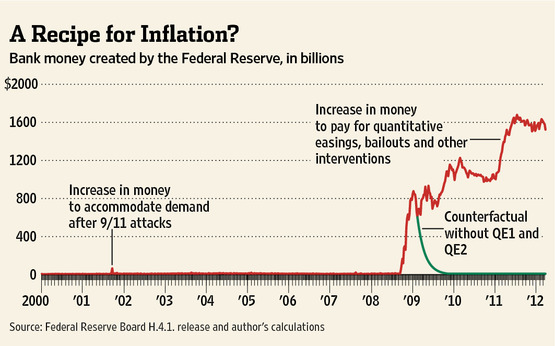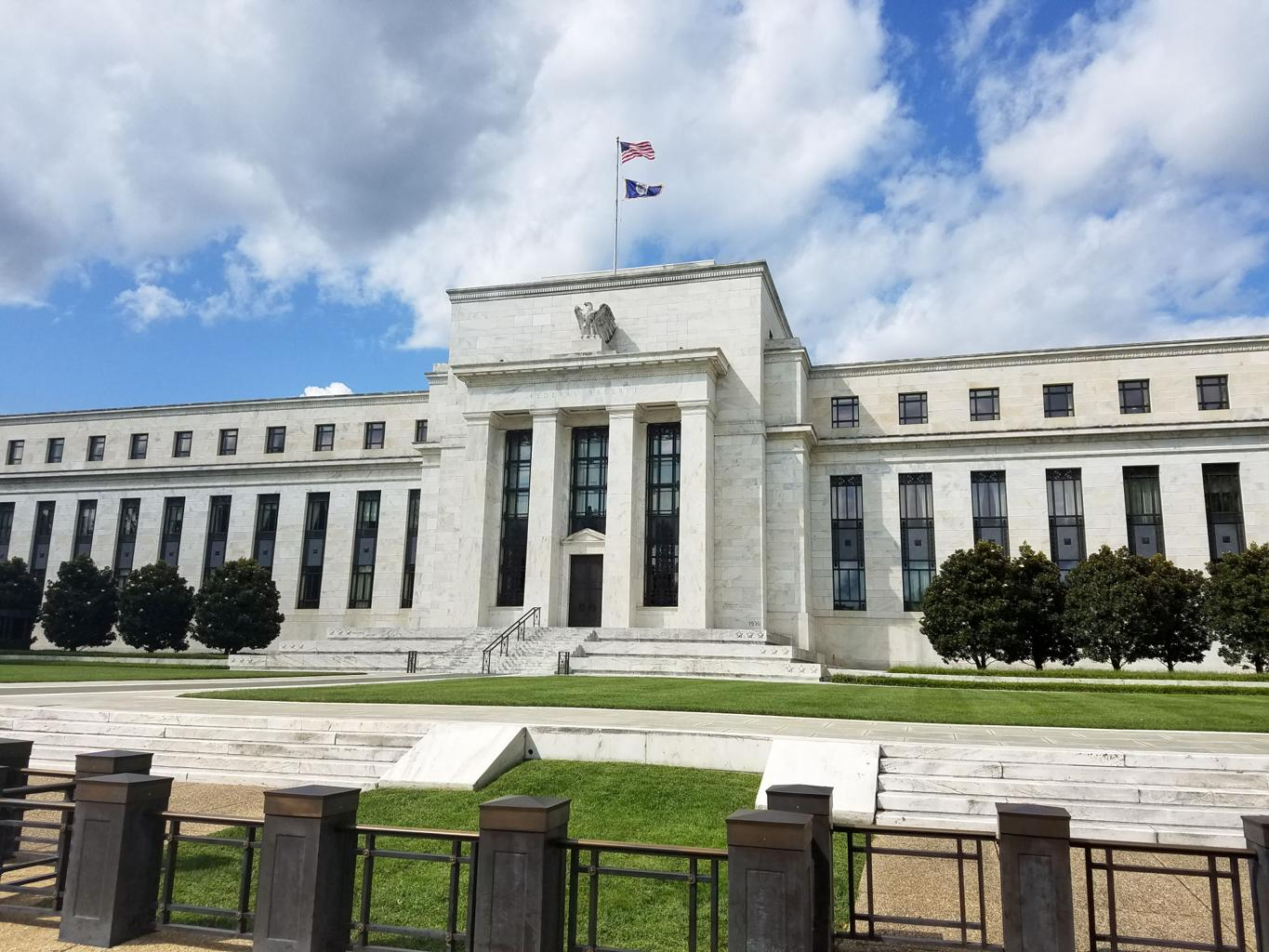
The Federal Reserve plays a central role in shaping borrowing costs, employment conditions, housing affordability, and consumer spending across the United States. Through interest rate decisions, the Fed influences how expensive it is to borrow money, how businesses invest, and how confident consumers feel about spending. Understanding these decisions helps Americans better navigate mortgages, credit cards, savings, investing, and broader economic uncertainty.
Why the Federal Reserve Matters More Than Most Americans Think
For many Americans, the Federal Reserve feels distant — an institution discussed mainly during financial news broadcasts or market volatility. Yet its decisions affect daily financial life in surprisingly direct ways. Mortgage payments, auto loans, credit card interest, savings account yields, hiring activity, and even grocery spending patterns can all be shaped by the Fed’s actions.
The Federal Reserve, often referred to simply as “the Fed,” serves as the United States’ central banking system. Its responsibilities include promoting maximum employment, maintaining stable prices, and supporting moderate long-term interest rates. In practice, that means balancing economic growth with inflation control.
When inflation rises too quickly, the Fed typically raises interest rates to slow borrowing and spending. When economic activity weakens, it may lower rates to encourage lending, investment, and hiring.
Although these policy changes may sound abstract, they ripple through nearly every part of the economy.
What Is the Federal Funds Rate?
At the center of the Fed’s policy toolkit is the federal funds rate — the interest rate banks charge one another for overnight lending.
While consumers never borrow directly at this rate, it heavily influences:
- Mortgage rates
- Credit card APRs
- Auto loans
- Business loans
- Savings account yields
- Treasury yields
- Corporate investment decisions
When the Fed raises the federal funds rate, borrowing generally becomes more expensive across the economy. When the Fed lowers rates, borrowing usually becomes cheaper.
One commonly discussed relationship is the broader effect of interest rates on lending activity and economic demand:
y=mx+b
m
b-10-8-6-4-2246810-10-5510y-interceptx-intercept
Although simplified, this type of relationship helps economists model how changes in borrowing costs can influence spending and investment behavior.
Why the Fed Raises or Lowers Interest Rates
Interest rate decisions are usually tied to economic conditions, especially inflation and employment.
The Fed Often Raises Rates When:
- Inflation remains persistently high
- Consumer demand is rising too quickly
- Wage growth appears overheated
- The economy risks becoming unstable
The Fed Often Lowers Rates When:
- Economic growth slows sharply
- Unemployment rises
- Consumer spending weakens
- Financial markets tighten excessively
The challenge is timing. Raising rates too aggressively can slow economic growth more than intended. Lowering rates too quickly can reignite inflation pressures.
This balancing act became particularly visible during the post-pandemic inflation surge. Inflation in the United States reached levels not seen in decades, prompting the Fed to rapidly increase interest rates between 2022 and 2024. Those decisions affected households nationwide.
How Interest Rate Decisions Affect Housing
Housing is often one of the first sectors to react to Fed policy.
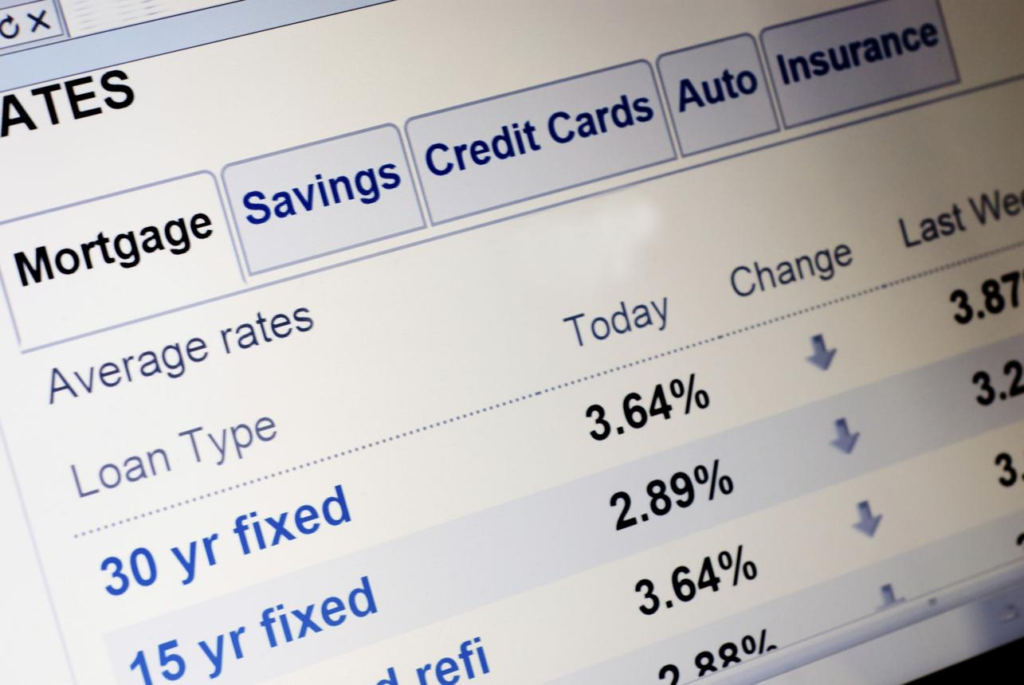
Mortgage rates are influenced by Treasury yields, inflation expectations, and broader financial market conditions — all of which respond to Fed decisions.
When interest rates rise:
- Monthly mortgage payments increase
- Home affordability declines
- Existing homeowners become reluctant to sell
- Housing demand can cool
- Builders may slow construction activity
Even relatively small rate changes can dramatically alter affordability.
For example, a buyer financing a $400,000 home at a higher mortgage rate may face hundreds of dollars in additional monthly payments compared to earlier borrowing conditions. Over the life of a loan, that difference can amount to tens of thousands of dollars.
Why Housing Supply Can Tighten During High-Rate Periods
One overlooked effect of rising rates is the “lock-in effect.”
Millions of homeowners refinanced into historically low mortgage rates during earlier periods of low borrowing costs. When rates rise sharply afterward, many homeowners hesitate to move because replacing their existing mortgage becomes significantly more expensive.
As a result:
- Existing home inventory may shrink
- Housing supply tightens
- Prices remain elevated despite weaker demand
This dynamic has become increasingly important in many U.S. housing markets.

The Connection Between the Fed and Employment
The Fed’s dual mandate includes promoting maximum employment alongside price stability.
Interest rates influence hiring because they affect business costs and consumer demand.
When borrowing becomes more expensive:
- Businesses may reduce expansion plans
- Hiring can slow
- Layoffs may increase in sensitive industries
- Startups may struggle to secure financing
Industries heavily dependent on financing — such as construction, technology, manufacturing, and commercial real estate — often react quickly to higher interest rates.
At the same time, some labor market cooling is sometimes viewed by policymakers as necessary to reduce inflation pressures.
Why the Labor Market Matters So Much to the Fed
Employment data often drives market expectations about future Fed decisions.
Key indicators include:
- Monthly payroll growth
- Unemployment rates
- Wage growth
- Labor force participation
- Job openings data
Strong hiring can signal a resilient economy, but it may also contribute to inflation if wage growth outpaces productivity.
Conversely, weakening employment data may encourage the Fed to pause or reduce rates.
Consumer Spending and Borrowing Behavior
Consumer spending accounts for a significant portion of U.S. economic activity. Because of that, the Fed closely watches household financial behavior.
Higher interest rates often affect consumers in gradual but meaningful ways.
Areas Most Sensitive to Rate Changes
- Credit card debt
- Auto financing
- Personal loans
- Home equity borrowing
- Retail installment financing
Americans carrying variable-rate debt may notice rising monthly interest costs relatively quickly after Fed tightening cycles.
For example, credit card APRs often rise alongside broader rate increases. Consumers who maintain revolving balances can face substantially higher borrowing costs over time.
At the same time, higher rates can benefit savers.
Savings accounts, money market funds, and certificates of deposit may offer improved yields during higher-rate environments, particularly compared with the ultra-low-rate period following the 2008 financial crisis.
Why Inflation Is Central to Every Fed Decision
Inflation affects purchasing power, household budgeting, and long-term financial planning.
When inflation rises faster than wages, consumers effectively lose spending power.
The Fed aims to maintain inflation near its long-term target because excessive inflation can:
- Reduce household financial stability
- Increase borrowing costs
- Distort investment decisions
- Create economic uncertainty
However, controlling inflation often requires slowing parts of the economy.
That tension explains why Fed policy can sometimes feel unpopular regardless of direction. Lower rates may stimulate growth but risk higher inflation. Higher rates may reduce inflation but slow hiring and spending.
How Financial Markets React to Fed Announcements
Fed announcements influence markets almost immediately.
Investors monitor:
- Policy statements
- Press conferences
- Inflation forecasts
- Economic projections
- Future rate guidance
Markets often react not only to actual rate changes but also to what the Fed signals about future policy.
For example, if investors expect future rate cuts, bond yields may decline even before the Fed officially changes rates.
Similarly, unexpectedly aggressive language from policymakers can trigger stock market volatility.
Why Expectations Matter
Economic expectations influence behavior before policies fully take effect.
Businesses may postpone investments.
Consumers may delay major purchases.
Banks may tighten lending standards.
This means Fed communication itself becomes a powerful policy tool.
What Higher Rates Mean for Everyday Americans
For households, interest rate changes often show up gradually rather than all at once.
Common Household Effects
Borrowers May Experience:
- Higher mortgage payments
- Increased auto loan costs
- More expensive credit card debt
- Reduced refinancing opportunities
Savers May Benefit From:
- Higher CD yields
- Improved savings account rates
- Better returns on cash reserves
Workers May Notice:
- Slower hiring activity
- Fewer job openings
- More cautious corporate spending
The impact can vary widely depending on personal financial circumstances.
A retiree with substantial savings may welcome higher yields, while a first-time homebuyer may struggle with affordability pressures.
Why Fed Policy Sometimes Feels Delayed
One reason monetary policy is difficult is that its effects often take months or even years to fully emerge.
Economists frequently describe monetary policy as operating with “long and variable lags.”
That means:
- A rate hike today may not fully affect employment for many months
- Housing markets may adjust slowly
- Consumer behavior can change gradually
- Inflation may remain elevated even after aggressive tightening
Because of these delays, policymakers must often make decisions based on forecasts rather than current conditions alone.
Can the Fed Prevent Recessions?
The Fed can influence economic conditions, but it cannot fully control them.
Global events, energy prices, supply chain disruptions, geopolitical tensions, and fiscal policy all affect the economy alongside monetary policy.
The Fed’s primary tools are powerful, but limited.
Historically, the Fed has attempted to engineer “soft landings” — slowing inflation without causing severe recessions. Achieving that balance is difficult because economic systems are highly interconnected and often unpredictable.
What Americans Frequently Search About the Federal Reserve
Many online searches reflect practical concerns rather than abstract economics.
Common questions include:
- Why did mortgage rates increase?
- Will the Fed cut interest rates soon?
- How do rate hikes affect credit cards?
- Why is inflation still high?
- Is now a good time to buy a house?
- How does the Fed affect unemployment?
- Why are savings account rates changing?
- What happens during a recession?
Understanding the Fed helps consumers interpret these financial shifts more clearly.

FAQ
What does the Federal Reserve actually do?
The Federal Reserve manages monetary policy, supervises banks, promotes financial stability, and works to support employment and stable prices.
Why do mortgage rates rise when the Fed raises rates?
Mortgage rates respond to broader financial market conditions influenced by Fed policy, inflation expectations, and Treasury yields.
Do Fed rate hikes immediately affect consumers?
Some effects happen quickly, especially variable-rate debt like credit cards, while others take months to fully impact the economy.
Why does the Fed care so much about inflation?
High inflation reduces purchasing power, creates uncertainty, and can destabilize long-term economic growth.
Can higher interest rates cause unemployment?
Higher borrowing costs can slow business investment and hiring, which may contribute to labor market softening.
Why are savings account rates higher now?
Banks often raise deposit yields when broader interest rates increase.
Does the Fed control stock markets?
No, but Fed policy strongly influences investor expectations, borrowing costs, and market sentiment.
What is a “soft landing”?
A soft landing refers to slowing inflation without causing a major recession or sharp rise in unemployment.
Why do credit card APRs increase after Fed hikes?
Many credit cards have variable interest rates tied to benchmark rates influenced by Fed policy.
How often does the Fed meet about interest rates?
The Federal Open Market Committee typically meets eight times per year to discuss monetary policy.
Reading the Economy Beyond the Headlines
The Federal Reserve’s decisions often appear technical, but their effects reach deep into American financial life. Housing affordability, hiring trends, borrowing costs, savings returns, and consumer confidence are all connected to monetary policy in ways many households experience without immediately recognizing.
Understanding how interest rate decisions work does not eliminate economic uncertainty, but it can help consumers make more informed decisions about mortgages, debt management, spending, savings, and long-term planning. As inflation, labor markets, and financial conditions continue to evolve, the Fed’s role will remain one of the most closely watched forces in the U.S. economy.
Economic Signals Worth Watching
- Inflation trends often shape future rate decisions
- Housing affordability remains highly sensitive to borrowing costs
- Consumer spending drives a major portion of economic growth
- Labor market data strongly influences Fed policy expectations
- Savings yields tend to improve during higher-rate environments
- Monetary policy effects usually appear gradually over time
- Financial markets react heavily to Fed communication and forecasts