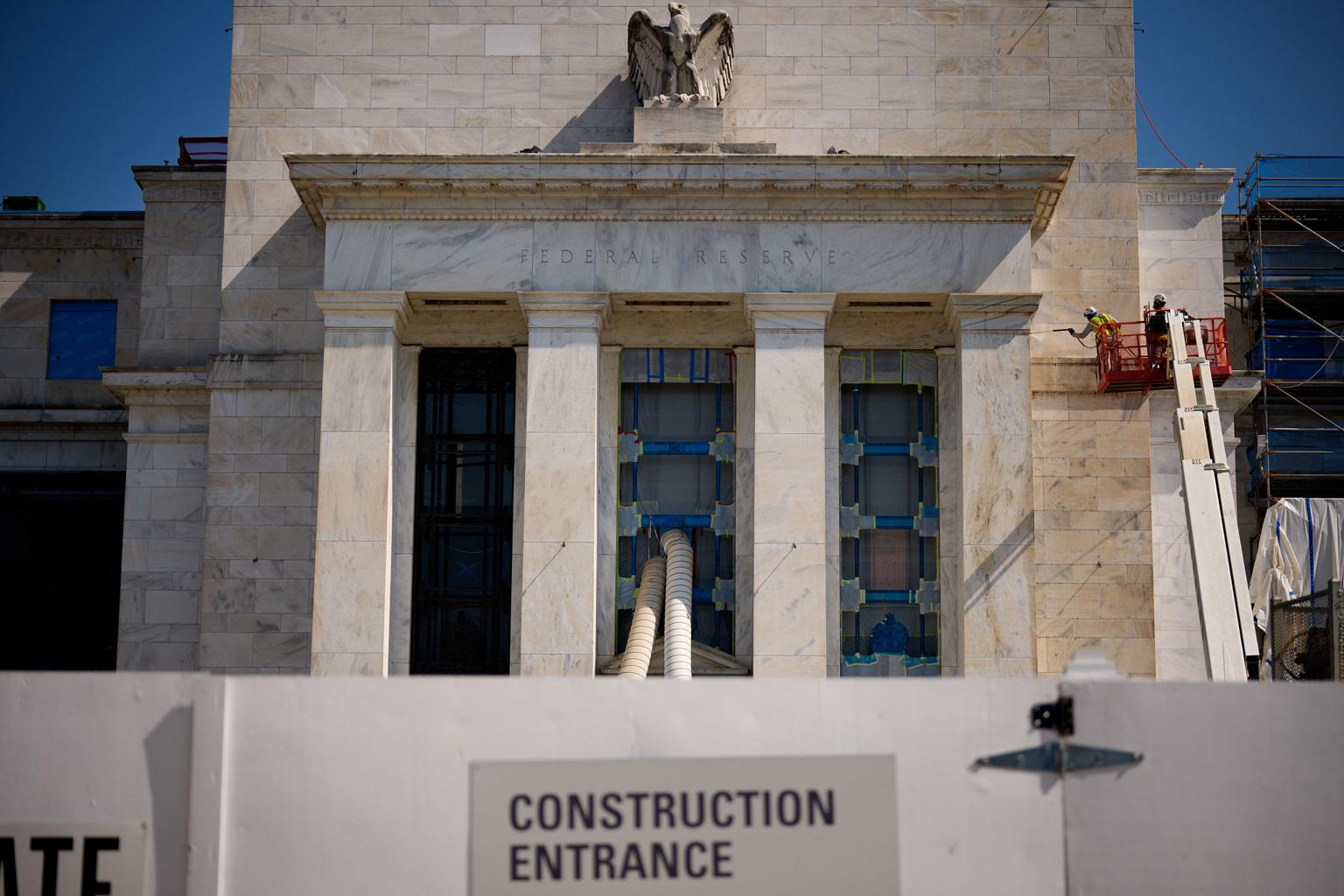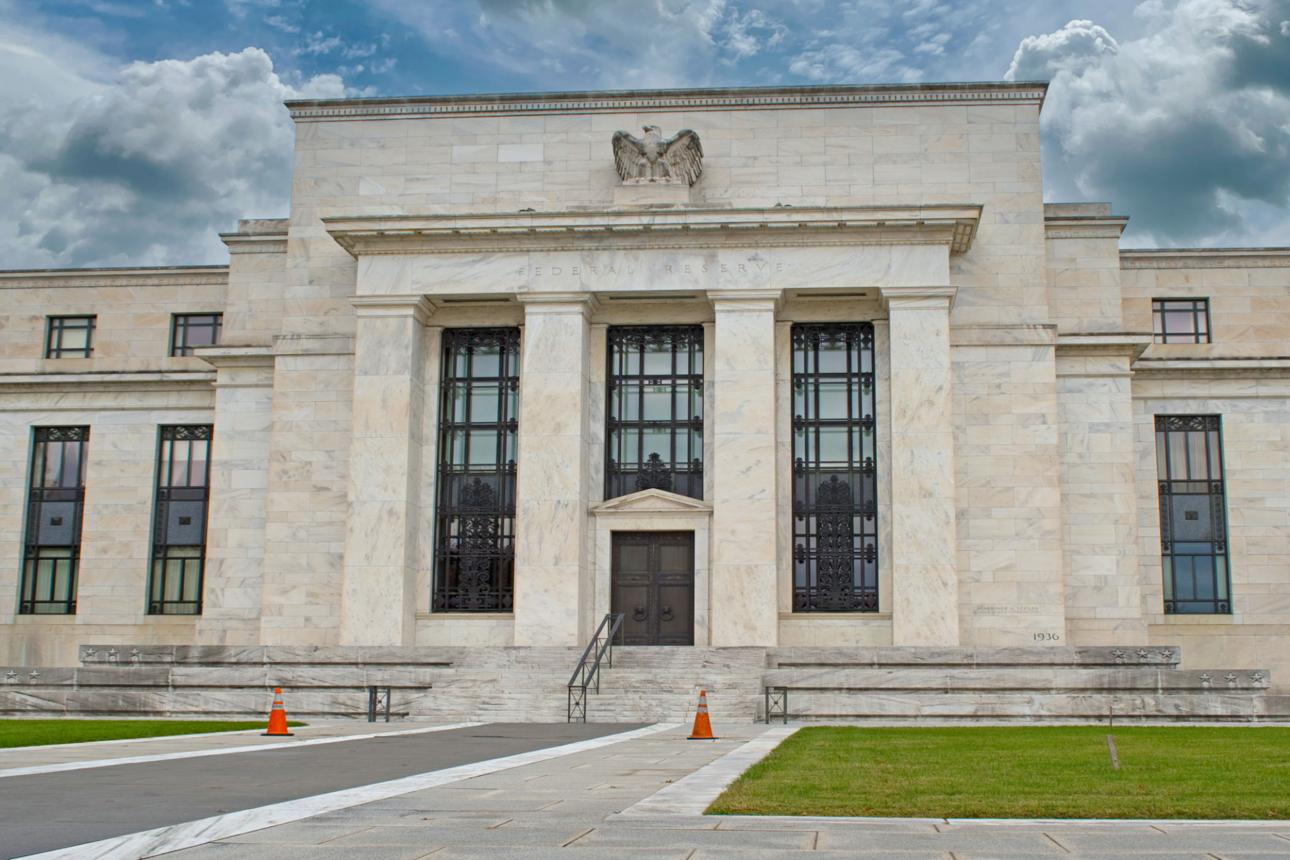
For many Americans, the Federal Reserve feels distant from daily life. Yet its decisions influence mortgage costs, credit card rates, car loans, savings accounts, hiring trends, inflation, and retirement portfolios. Whether someone is buying groceries, financing a home, or planning for retirement, the Federal Reserve quietly affects financial choices in ways that extend far beyond Wall Street.
Understanding the Federal Reserve’s Role in the U.S. Economy
The Federal Reserve, often called “the Fed,” serves as the central banking system of the United States. Created in 1913, its core responsibilities include managing inflation, supporting employment, supervising banks, and maintaining financial system stability.
Most Americans hear about the Fed when interest rates rise or fall. However, the institution’s influence stretches much further. Every major financial institution—from local credit unions to national banks—responds in some way to Federal Reserve policy.
At its core, the Fed attempts to balance two difficult priorities:
- Keeping inflation under control
- Supporting economic growth and employment
When inflation rises too quickly, the Fed often increases interest rates to slow spending and borrowing. When the economy weakens, it may lower rates to encourage lending, investing, and hiring.
These adjustments may sound technical, but they directly affect household budgets.
Why Interest Rate Decisions Matter to Ordinary Americans
One of the most searched financial questions in the United States is simple: “Why are borrowing costs so high right now?”
The answer often begins with the Federal Reserve.
When the Fed raises the federal funds rate, banks generally increase the rates they charge consumers. That affects:
- Mortgage rates
- Auto loans
- Credit cards
- Personal loans
- Business financing
- Student loan refinancing
For example, a family purchasing a $400,000 home may pay hundreds more each month when mortgage rates rise by just one or two percentage points.
A higher-rate environment can also change purchasing behavior. Americans may postpone:
- Buying homes
- Starting businesses
- Expanding companies
- Financing renovations
- Purchasing vehicles
At the same time, savers sometimes benefit. High-yield savings accounts and certificates of deposit (CDs) often offer stronger returns during periods of elevated interest rates.
This is why Fed announcements receive intense attention from lenders, investors, economists, and consumers alike.
The Fed’s Influence on Inflation and Everyday Prices
Inflation affects nearly every American household. Grocery bills, rent payments, gas prices, insurance premiums, and utility costs all respond to broader economic conditions.
Although the Federal Reserve does not directly control prices, its policies influence demand throughout the economy.
When borrowing becomes more expensive:
- Consumers typically spend less
- Businesses may reduce expansion plans
- Demand can cool
- Inflationary pressure may ease
This process takes time. Monetary policy often affects the economy gradually over months or even years.
Many Americans experienced this reality during the inflation surge that followed the COVID-19 pandemic. Rising consumer demand, supply chain disruptions, labor shortages, and increased government spending all contributed to price increases across industries.
The Federal Reserve responded with aggressive rate hikes beginning in 2022. Mortgage rates climbed sharply, auto financing became more expensive, and credit card interest rates reached historic highs.
For households already managing rising living costs, the impact was immediate.

How the Federal Reserve Influences Employment and Wages
Another misconception is that the Federal Reserve only cares about banks or investors. In reality, employment remains one of its primary concerns.
The Fed’s “dual mandate” includes:
- Maximum employment
- Price stability
When the economy slows significantly, unemployment often rises. Businesses reduce hiring, delay expansion, or cut payroll expenses.
To support economic activity, the Fed may lower interest rates, making borrowing cheaper for companies and consumers.
This can encourage:
- Hiring
- Business investment
- Consumer spending
- Housing activity
However, balancing employment and inflation is rarely simple.
If wages rise too quickly across the economy without matching productivity growth, businesses may increase prices further, contributing to inflation. The Fed therefore tries to avoid both severe unemployment and overheating economic conditions.
For workers, this balancing act affects:
- Job availability
- Salary growth
- Career mobility
- Small business hiring
- Remote work expansion
- Corporate layoffs
In many cases, Americans experience the effects of Federal Reserve policy through the labor market before they notice it anywhere else.
Mortgage Rates and the Housing Market
Housing represents one of the clearest examples of how Federal Reserve decisions influence everyday financial planning.
Although the Fed does not directly set mortgage rates, its policies strongly affect them.
When the Fed raises rates aggressively:
- Mortgage borrowing typically becomes more expensive
- Monthly payments rise
- Housing affordability declines
- Home sales often slow
- Refinancing activity decreases
This can reshape entire housing markets.
For example, buyers who qualified for a home loan during a low-rate period may suddenly find themselves priced out when rates increase.
Consider this comparison:
| Mortgage Scenario | Approximate Monthly Payment |
|---|---|
| 3% interest rate | Lower monthly cost |
| 7% interest rate | Significantly higher payment |
Even when home prices remain stable, higher borrowing costs can dramatically increase total ownership expenses.
This reality affects:
- First-time homebuyers
- Retirees downsizing
- Real estate investors
- Homebuilders
- Renters facing housing shortages
The Fed’s policies therefore influence not only financial markets but also long-term lifestyle decisions.

Credit Cards, Consumer Debt, and Household Stress
Credit card interest rates have become a growing concern for many Americans.
Unlike fixed-rate mortgages, most credit cards carry variable interest rates tied closely to broader interest rate conditions.
When the Federal Reserve raises rates, credit card APRs often rise quickly.
For households carrying balances month-to-month, this can significantly increase repayment costs.
Americans frequently underestimate how sensitive revolving debt is to Federal Reserve policy. A few percentage points can translate into years of additional interest payments.
Consumers facing elevated debt costs often respond by:
- Reducing discretionary spending
- Delaying major purchases
- Increasing emergency savings
- Consolidating debt
- Seeking lower-interest financial products
This behavior affects the broader economy because consumer spending accounts for a large share of U.S. economic activity.
Retirement Accounts and Investment Portfolios
The Federal Reserve also plays an important role in shaping investment performance.
Stock markets often react sharply to Fed announcements because interest rates affect:
- Corporate borrowing costs
- Business expansion
- Consumer demand
- Profit expectations
- Bond yields
When rates rise:
- Bonds may become more attractive
- Growth stocks can face pressure
- Market volatility may increase
When rates fall:
- Investors often seek higher returns in equities
- Borrowing conditions improve
- Corporate investment may accelerate
Americans with retirement accounts such as 401(k)s and IRAs frequently feel the impact of Fed policy indirectly through market fluctuations.
This does not mean individuals should react emotionally to every policy announcement. Long-term investors generally benefit more from disciplined financial planning than short-term market timing.
Still, understanding how Federal Reserve policy influences markets can help Americans make more informed investment decisions.
Why Small Businesses Watch the Federal Reserve Closely
Small business owners often experience Federal Reserve policy in highly practical ways.
Higher interest rates can increase the cost of:
- Equipment financing
- Commercial real estate loans
- Inventory purchases
- Payroll expansion
- Business credit lines
Restaurants, retailers, contractors, and service businesses may all feel pressure when financing becomes more expensive and consumer spending slows.
Conversely, lower rates can stimulate entrepreneurship and expansion.
A local business owner deciding whether to open a second location, hire staff, or purchase equipment may closely monitor borrowing conditions tied to Federal Reserve policy.
This is one reason financial markets pay such close attention to Fed communication. Even subtle language changes from policymakers can influence expectations across industries.
Common Questions Americans Ask About the Federal Reserve
Does the Federal Reserve control mortgage rates directly?
No. Mortgage rates are influenced by broader market forces, including Treasury yields and investor expectations, although Federal Reserve policy strongly affects overall borrowing conditions.
Why do credit card rates rise so quickly after Fed hikes?
Most credit cards use variable interest rates connected to benchmark lending rates that move alongside Federal Reserve policy changes.
Can the Fed stop inflation immediately?
No. Monetary policy works gradually. It may take many months before higher interest rates meaningfully reduce inflationary pressures.
Does the Federal Reserve affect unemployment?
Yes. Interest rate policy influences business investment, hiring activity, consumer demand, and overall economic growth.
Why do stock markets react to Fed meetings?
Investors adjust expectations based on future borrowing costs, corporate profits, and economic growth projections.
Is a higher interest rate always bad?
Not necessarily. Higher rates can help reduce inflation and may benefit savers earning interest on deposits and fixed-income investments.
Why does the Fed raise rates during inflation?
Higher borrowing costs can reduce excessive spending and demand, helping slow price increases across the economy.
Does the Federal Reserve print money?
The Fed manages monetary policy and influences money supply conditions, but the process is more complex than simply “printing money.”
How often does the Federal Reserve meet?
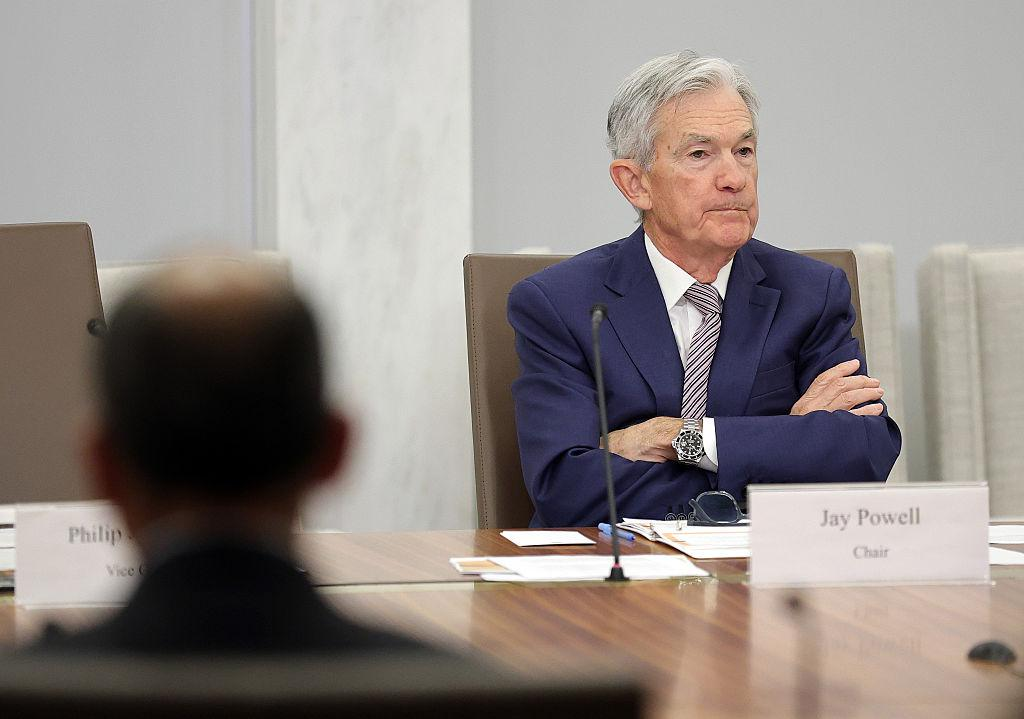
The Federal Open Market Committee (FOMC) typically meets eight times each year to discuss economic conditions and policy decisions.
Why should ordinary Americans pay attention to the Fed?
Because Federal Reserve policy affects borrowing costs, savings returns, employment opportunities, inflation, investments, and overall financial planning.
How Americans Can Respond to Changing Federal Reserve Policies
Most consumers cannot control interest rate cycles, but they can adapt their financial strategies.
Practical steps may include:
- Paying down high-interest variable debt
- Comparing refinancing opportunities carefully
- Building emergency savings
- Reviewing investment diversification
- Avoiding emotional financial decisions during market volatility
- Evaluating large purchases based on long-term affordability
Financial resilience often matters more than predicting the Fed’s next move perfectly.
Consumers who understand how monetary policy affects household finances may be better prepared for changing economic conditions.
The Quiet Influence Behind Everyday Financial Choices
The Federal Reserve rarely dominates daily conversation outside financial news. Yet its influence appears throughout the economy in subtle but powerful ways.
From the interest rate on a credit card to the affordability of a home loan, from retirement account performance to hiring trends, Federal Reserve decisions shape financial conditions that millions of Americans encounter every day.
Understanding those connections does not require an economics degree. But recognizing how monetary policy influences personal finance can help individuals make more informed decisions during both stable periods and uncertain economic cycles.
Key Economic Signals Worth Watching Throughout the Year
- Inflation reports and consumer price trends
- Federal Reserve interest rate announcements
- Mortgage rate movements
- Labor market and unemployment data
- Consumer spending patterns
- Bank lending conditions
- Bond market activity
- Wage growth trends
- Housing affordability indicators
- Small business borrowing activity