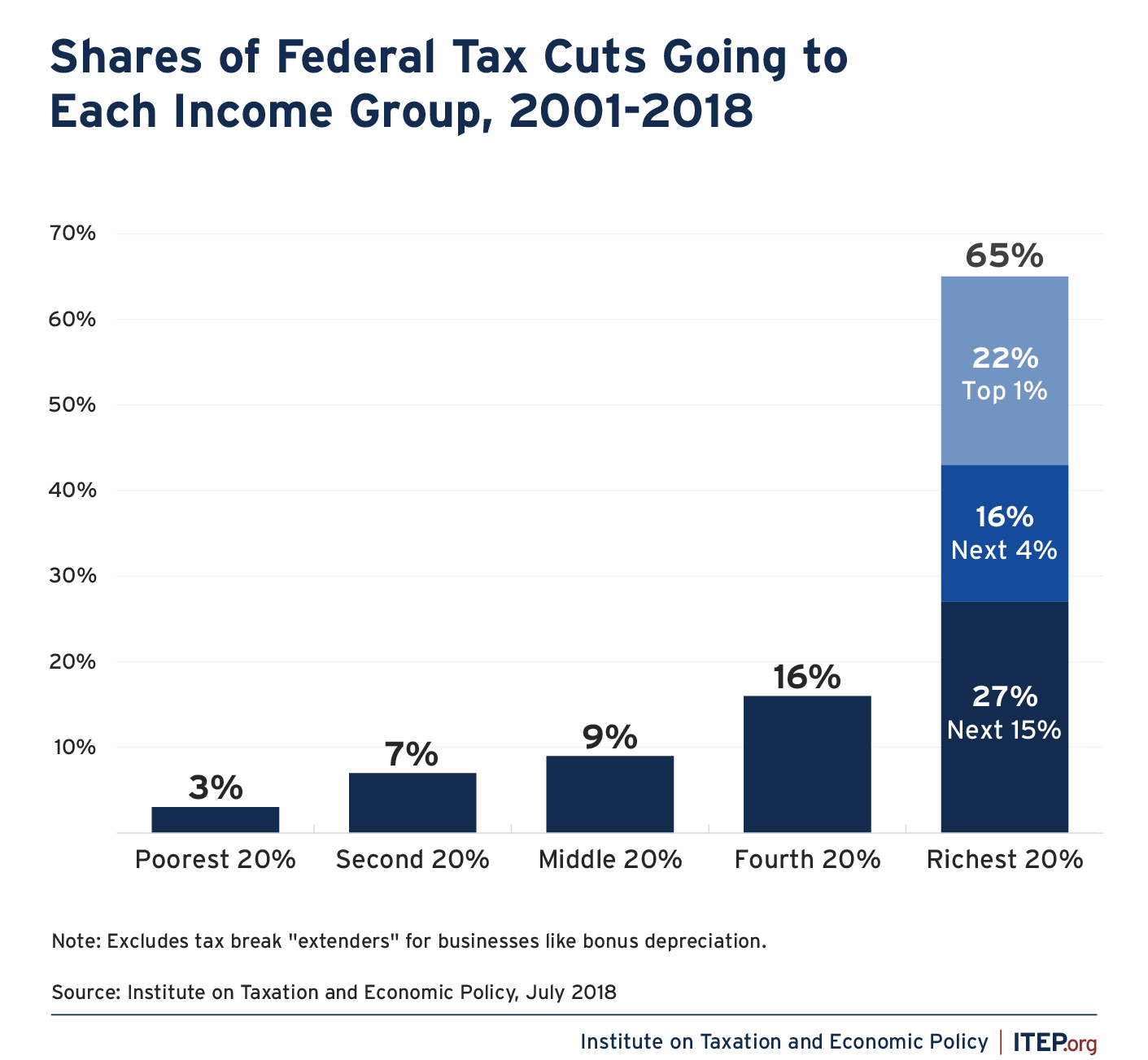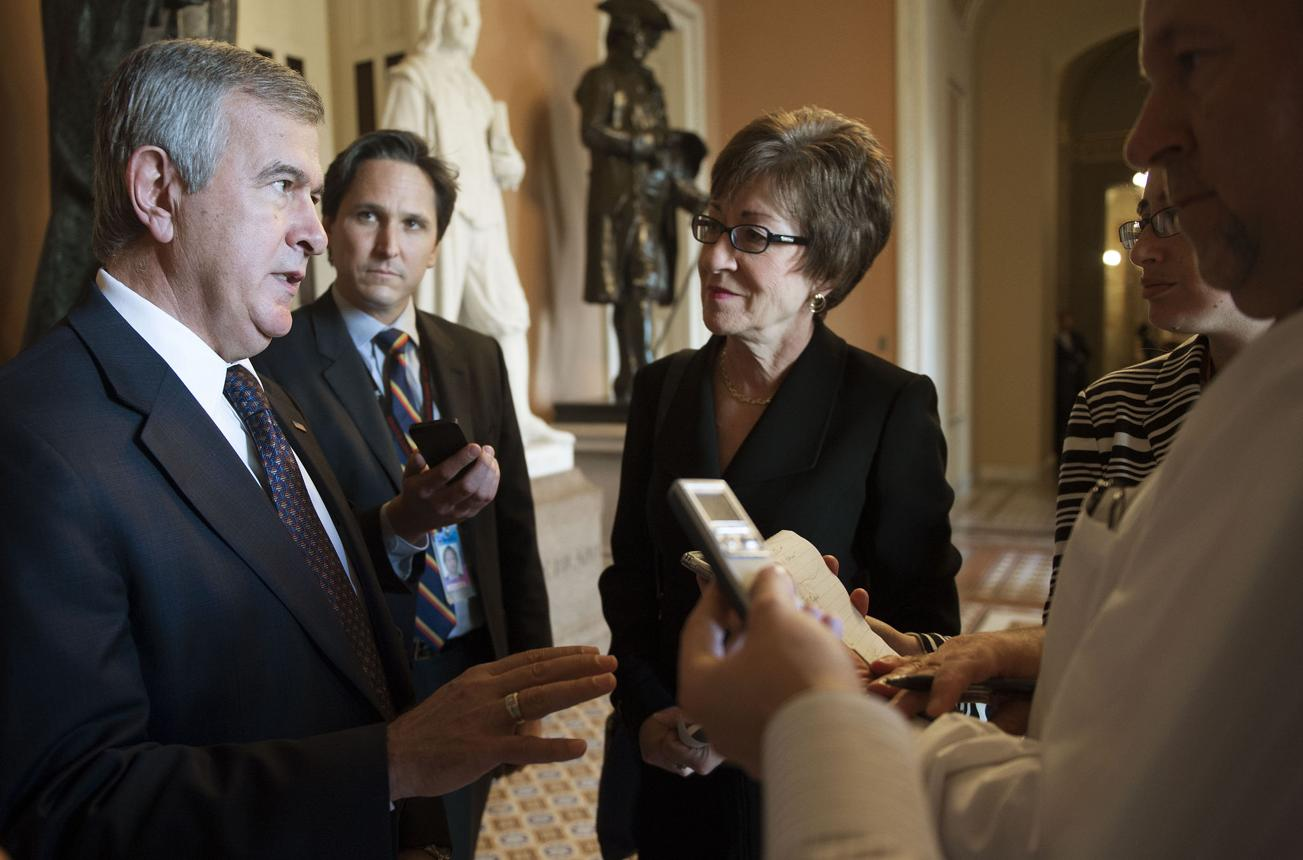
Tax policy debates in the United States are increasingly focused on broader economic questions rather than simple rate changes. Policymakers, businesses, and households are weighing how taxes affect inflation, investment, wages, deficits, housing affordability, and long-term growth. Understanding the real economic trade-offs behind tax reforms can help Americans make more informed financial, business, and investment decisions in a rapidly changing economy.
Why Tax Policy Has Become a Central Economic Issue Again
For many Americans, tax conversations traditionally revolve around annual refunds, filing deadlines, or whether rates are going up or down. But today’s tax policy debates are significantly broader. Lawmakers, economists, and business leaders are increasingly focused on how tax structures shape economic growth, labor markets, federal deficits, investment patterns, and consumer behavior.
This shift is happening during a period of elevated federal debt, persistent inflation concerns, changing workforce dynamics, and growing pressure on government spending programs. According to the Congressional Budget Office, federal debt held by the public has continued to rise relative to GDP, creating renewed debate about how tax revenue and spending priorities should evolve over the next decade.
At the same time, many provisions from the 2017 federal tax reforms are scheduled to expire in coming years, meaning policymakers will soon face difficult decisions about whether to extend, revise, or replace major sections of the tax code.
The result is a national discussion that goes far beyond refunds and deductions. Americans are now asking more fundamental questions:
- Who ultimately bears the burden of taxes?
- Do corporate tax cuts increase wages?
- Can higher taxes slow inflation?
- How do tax credits influence housing and energy markets?
- What happens if federal deficits continue rising?
These questions are shaping both political debates and long-term economic planning.
The Expiring Tax Cuts That Could Reshape Household Finances
One reason tax policy has returned to the forefront is the approaching expiration of several provisions from the Tax Cuts and Jobs Act.
Many individual income tax reductions enacted in 2017 are set to sunset unless Congress acts. This includes changes involving:
- Marginal tax brackets
- Standard deduction levels
- Child tax credits
- Estate tax exemptions
- Small business pass-through deductions
For middle-income households, the impact may not appear dramatic immediately, but over time the difference can affect annual budgeting, retirement planning, and investment behavior.
Consider a dual-income household earning $140,000 annually. If existing tax provisions expire without replacement, the family could eventually face higher taxable income exposure alongside reduced deductions. That shift may influence decisions around:
- Home ownership
- College savings
- Retirement contributions
- Small business expansion
- Relocation to lower-tax states
These practical effects explain why tax debates increasingly intersect with broader economic confidence.
How Taxes Influence Inflation and Consumer Spending
One of the most searched economic questions today is whether tax policy can help control inflation.
The answer is complex.
Tax increases can sometimes reduce consumer demand by leaving households with less disposable income. In theory, slower spending growth may ease inflationary pressure. However, tax policy usually works more gradually than interest-rate changes from the Federal Reserve.
For example, if lawmakers reduce certain tax incentives or increase corporate taxes during a period of already slowing growth, businesses may delay hiring or investment. On the other hand, large tax cuts introduced during a strong economy may stimulate demand further and potentially increase inflationary pressure.
The relationship depends on several factors:
- Wage growth
- Consumer confidence
- Supply-chain stability
- Interest rates
- Labor market strength
- Global energy prices
Recent years have demonstrated that inflation is rarely driven by one issue alone. Tax policy plays a supporting role within a much larger economic framework.
Corporate Taxes and the Debate Over Economic Growth
Corporate taxation remains one of the most controversial areas of economic policy.
Supporters of lower corporate tax rates argue that businesses invest more when taxes are lower. That investment can potentially lead to:
- Job creation
- Higher wages
- Expanded manufacturing
- Increased research spending
- Stronger international competitiveness
Critics counter that corporations do not always direct tax savings toward workers or domestic investment. Instead, some companies prioritize:
- Stock buybacks
- Dividend increases
- Executive compensation
- Overseas expansion
The reality often varies by industry and economic conditions.
For instance, technology companies with strong profit margins may respond differently to tax incentives than capital-intensive manufacturing firms. A semiconductor producer building domestic facilities may be highly sensitive to investment credits, while a digital services company may focus more on international tax structures.
This explains why modern tax policy discussions increasingly emphasize targeted incentives instead of broad across-the-board reductions.
Why Small Businesses Watch Tax Reform Closely
Small businesses are particularly sensitive to tax policy uncertainty.
Unlike large corporations, smaller firms often operate with tighter margins and less access to financing. Even modest tax adjustments can influence decisions about hiring, inventory expansion, equipment purchases, or healthcare benefits.
A family-owned construction company, for example, may delay buying additional vehicles if depreciation rules change unexpectedly. A restaurant owner may postpone expansion if labor costs and payroll taxes rise simultaneously.
Several areas matter especially to small business operators:
Pass-Through Income Rules
Many small businesses are taxed through personal returns rather than corporate structures. Changes to pass-through deductions can directly affect owner income.
Payroll Taxes
Rising payroll obligations may discourage hiring during uncertain economic periods.
Depreciation Incentives
Temporary equipment write-offs often influence capital spending decisions.
State and Local Tax Deductions
Businesses in higher-tax states closely monitor federal deduction limitations.
The uncertainty surrounding future reforms can sometimes matter as much as the reforms themselves.
Housing Affordability and Tax Incentives
Housing has become another major component of the tax debate.
Mortgage interest deductions, property tax deductions, and housing-related credits all shape real estate markets in subtle but important ways.
In high-cost metropolitan areas, tax policy can influence whether families choose to buy, rent, relocate, or downsize. Changes to state and local tax deduction caps have already affected homeowner calculations in several states.
Meanwhile, policymakers continue debating whether tax incentives should focus more heavily on:
- Affordable housing construction
- First-time homebuyers
- Rental development
- Energy-efficient home improvements
The challenge is balancing affordability with market stability. Overly aggressive incentives can unintentionally drive prices higher if housing supply remains limited.
This is why economists increasingly argue that tax policy alone cannot solve housing affordability issues without parallel changes in zoning, construction, and infrastructure investment.
The Growing Debate Around Wealth Taxes and Capital Gains
Discussions surrounding wealth taxation have intensified in recent years, particularly as wealth inequality has become a larger political and economic concern.
Capital gains taxes are central to this debate because investment income is often taxed differently than wage income.
Supporters of higher capital gains taxes argue that:
- Wealth concentration has accelerated
- Investment income receives favorable treatment
- Higher taxes could generate federal revenue
- Additional revenue may support public investment
Opponents warn that substantial increases could:
- Reduce investment activity
- Slow entrepreneurship
- Encourage tax avoidance strategies
- Push capital into overseas markets
The debate becomes especially important for retirees, investors, startup founders, and business owners planning succession strategies.
For example, a small business owner preparing to sell a company after decades of operation may face dramatically different tax outcomes depending on future capital gains rules.
Energy Tax Credits and Industrial Policy
Tax policy is also increasingly being used as an industrial policy tool.
Federal incentives for renewable energy, electric vehicles, semiconductor manufacturing, and domestic infrastructure investment have expanded considerably in recent years.
These credits are designed not only to reduce taxes but also to redirect economic activity toward strategic national priorities.
Supporters argue these incentives can:
- Accelerate domestic manufacturing
- Reduce energy dependence
- Encourage technological innovation
- Support long-term competitiveness
Critics question whether governments can efficiently allocate capital through tax incentives.
Still, businesses across multiple industries are already adjusting investment strategies around available credits and subsidies.
For consumers, these policies increasingly influence:
- Vehicle purchasing decisions
- Home energy upgrades
- Solar installations
- Appliance replacements
Tax policy has therefore become closely connected to environmental and industrial planning.

Why Federal Deficits Remain Central to the Debate
One of the largest underlying issues in modern tax policy is the federal deficit.
The United States continues to spend more than it collects in revenue, and interest payments on national debt have become a growing budgetary concern.
This creates difficult trade-offs.
Lower taxes may stimulate growth in some conditions, but persistent deficits can also contribute to:
- Higher borrowing costs
- Increased interest payments
- Reduced fiscal flexibility
- Greater pressure on future taxpayers
Economists remain divided on how quickly deficit reduction should occur. Some argue aggressive fiscal tightening could slow economic growth during vulnerable periods. Others warn that delaying action increases long-term financial risk.
For ordinary households, deficits can feel abstract. Yet they influence:
- Mortgage rates
- Government program stability
- Social Security discussions
- Medicare funding debates
- Long-term inflation expectations
This explains why tax policy discussions increasingly focus on sustainability rather than short-term political wins.
Questions Americans Are Asking About Future Tax Reforms
Many taxpayers are trying to understand what future reforms could realistically mean for their lives.
Common concerns include:
Will middle-class taxes increase?
Possibly, depending on how expiring provisions are handled. However, many proposals attempt to preserve relief for middle-income households.
Are corporations likely to face higher taxes?
Some sectors may see targeted increases, particularly multinational firms and highly profitable industries.
Could tax changes affect retirement savings?
Yes. Contribution rules, required distributions, and investment taxation can all evolve over time.
Will housing deductions change again?
Housing-related tax rules remain politically sensitive and could continue shifting as affordability concerns grow.
Can tax policy reduce inequality?
It can influence income distribution, though broader economic forces also play major roles.
Are state taxes becoming more important?
Yes. Many households now evaluate overall tax burdens when deciding where to live or retire.
How Families and Businesses Can Prepare for Uncertainty
While predicting future legislation is difficult, there are practical ways households and businesses can prepare for changing tax environments.
For Households
- Review retirement contribution strategies annually
- Monitor tax bracket exposure
- Reassess long-term estate planning
- Consider diversification across taxable and tax-advantaged accounts
- Evaluate state tax implications before relocating
For Business Owners
- Maintain flexible cash reserves
- Monitor depreciation and investment rules
- Review entity structure regularly
- Work with qualified tax professionals
- Track industry-specific tax credits
For Investors
- Understand capital gains exposure
- Avoid making emotionally driven tax decisions
- Evaluate after-tax returns instead of headline returns alone
- Watch policy changes affecting dividends and retirement accounts
Preparation matters more than reacting after legislation is finalized.
The Broader Economic Reality Behind the Tax Debate
Modern tax policy is no longer just about annual filings or refund sizes. It has become a reflection of larger national questions involving growth, inequality, debt, competitiveness, affordability, and long-term economic resilience.
That is why today’s tax debates often feel unusually intense. They are not simply arguments over percentages. They are disagreements about what kind of economy the United States wants to build over the coming decades.
Whether reforms ultimately emphasize growth incentives, deficit reduction, redistribution, industrial policy, or middle-class relief, the effects will likely extend far beyond tax season itself.

Frequently Asked Questions
1. Why are tax reforms being discussed so heavily right now?
Because several major tax provisions are scheduled to expire, while rising federal debt and economic uncertainty are increasing pressure for broader fiscal changes.
2. Could future tax reforms affect small businesses?
Yes. Changes involving pass-through deductions, payroll taxes, and depreciation rules could directly impact business operations.
3. Do corporate tax cuts always increase wages?
Not necessarily. Outcomes vary depending on economic conditions, industry structure, and how companies allocate savings.
4. Can tax policy help reduce inflation?
Tax policy can influence consumer demand, but inflation is typically affected by multiple factors including interest rates and supply conditions.
5. Are wealth taxes likely in the United States?
Debates continue, but implementing a national wealth tax would face significant legal and political challenges.
6. How do tax credits affect housing markets?
Credits and deductions can influence buyer demand, affordability calculations, and construction incentives.
7. Could retirement accounts face future tax changes?
Yes. Contribution limits, withdrawal rules, and investment taxation policies can evolve over time.
8. Why do investors pay close attention to capital gains taxes?
Because capital gains rules directly affect investment returns, portfolio strategies, and business sales.
9. Are state taxes becoming more important financially?
Yes. State-level tax burdens increasingly influence relocation, retirement, and business decisions.
10. What is the biggest challenge in tax reform today?
Balancing economic growth, government revenue needs, competitiveness, and affordability simultaneously.