Recent market volatility has been driven by a mix of inflation concerns, interest rate expectations, corporate earnings shifts, geopolitical tensions, and changing consumer behavior. While short-term swings can create uncertainty, they also reveal how investors are reacting to broader economic signals. Understanding the forces moving markets today can help individuals, businesses, and long-term investors make more informed financial decisions in the months ahead.
Why Market Volatility Has Returned to the Spotlight
Over the past several years, Americans have become increasingly aware of how quickly financial markets can shift. One week, optimism surrounding corporate earnings or easing inflation pushes stocks higher. The next, concerns about interest rates, labor markets, or global instability trigger broad declines.
This volatility is not occurring in isolation. Markets are responding to an unusual combination of economic conditions that include elevated borrowing costs, shifting consumer spending patterns, technological disruption, and uncertainty about future growth. Investors are attempting to price in not only current conditions, but also what the economy could look like six to twelve months from now.
For many households, volatility has moved beyond Wall Street headlines. Retirement accounts, mortgage rates, credit card interest, and even hiring trends are now more closely tied to financial market movements than many people realize.
Understanding the primary “market movers” behind recent fluctuations offers valuable context for anyone trying to navigate the current environment.
Interest Rates Continue to Shape Investor Behavior
One of the largest forces affecting markets today is the direction of interest rates.
When the Federal Reserve raises rates to combat inflation, borrowing becomes more expensive. Businesses face higher financing costs, consumers may reduce spending, and investors often reassess company valuations.
Technology stocks have been particularly sensitive to these changes. Companies valued heavily on future growth potential tend to react strongly when rates rise because future earnings become less attractive relative to safer investments like Treasury bonds.
Meanwhile, sectors such as banking, energy, and insurance can respond differently depending on how interest rate changes affect profitability.
Several important market patterns have emerged:
- Investors are paying closer attention to Federal Reserve commentary
- Bond market movements now influence stock sentiment more rapidly
- Rate-sensitive industries such as housing and construction remain under pressure
- Companies with strong cash flow are attracting greater investor confidence
This environment has created sharper reactions to economic data releases, especially inflation reports and employment numbers.
Inflation Remains a Major Psychological and Economic Driver
Although inflation has moderated from its highest levels, it continues to influence market sentiment across the United States.
Consumers still notice elevated prices in areas such as:
- Housing
- Insurance
- Healthcare
- Groceries
- Dining
- Transportation
Persistent inflation affects both households and corporations. Companies dealing with higher labor and operational costs must decide whether to absorb expenses or pass them on to consumers. Investors closely monitor those decisions because they affect profitability.
Retail earnings reports have become particularly important indicators. When major retailers report weaker discretionary spending, markets often interpret this as a sign that consumers are becoming more cautious.
For example, many Americans shifted spending habits over the past year by prioritizing necessities over large discretionary purchases. That trend has influenced sectors ranging from travel to consumer electronics.
Markets are now reacting not only to inflation itself, but also to expectations about whether inflation will remain sticky over the coming quarters.
Corporate Earnings Are Sending Mixed Signals
Corporate earnings season has become one of the biggest short-term drivers of volatility.
Some companies continue posting strong revenue growth despite economic uncertainty, while others are warning about slowing demand, shrinking margins, or weaker consumer activity.
This divergence has created an uneven market environment where:
- Certain industries rally sharply after earnings
- Others experience rapid declines following guidance cuts
- Investor reactions to forecasts are often stronger than reactions to current results
Artificial intelligence-related companies have attracted significant investor attention, particularly within the technology sector. Firms viewed as beneficiaries of AI investment trends have experienced substantial valuation increases.
However, not all sectors are participating equally. Manufacturing, regional banking, commercial real estate, and some consumer-focused businesses continue facing pressure from slower economic activity and higher financing costs.
The result is a market environment where leadership rotates quickly, contributing to increased daily volatility.
Consumer Spending Trends Are Becoming More Important
The American consumer remains one of the most important drivers of the U.S. economy.
Markets closely monitor spending patterns because consumer activity accounts for a large portion of overall economic growth. Small changes in household behavior can have outsized effects on earnings, hiring, and business investment.
Several recent developments have drawn investor attention:
Rising Credit Card Balances
Higher borrowing costs have increased concerns about household debt sustainability. As interest payments rise, some consumers may cut discretionary spending.
Shifting Travel and Entertainment Demand
Demand for experiences remains relatively resilient, but some companies are reporting more price-sensitive customers compared with previous years.
Housing Affordability Challenges
Mortgage rates continue affecting home affordability, influencing construction activity, consumer confidence, and related industries such as furniture and home improvement.
Value-Oriented Shopping Behavior
Discount retailers and warehouse clubs have seen continued interest as consumers prioritize affordability.
These trends matter because markets often move ahead of official economic data. Investors attempt to identify early signs of consumer weakness before it appears in broader economic reports.
Geopolitical Risks Continue to Influence Markets
Global instability has become another important contributor to volatility.
Geopolitical developments can affect:
- Energy prices
- Supply chains
- Shipping costs
- Commodity markets
- Currency stability
- Investor confidence
Conflicts involving major global economies or energy-producing regions often create immediate market reactions. Oil prices, for instance, can rise sharply during periods of geopolitical tension, affecting transportation, manufacturing, and inflation expectations.
In addition, ongoing trade disputes and export restrictions continue influencing sectors such as semiconductors, manufacturing, and technology infrastructure.
Markets generally dislike uncertainty. Even when geopolitical events do not directly impact company earnings immediately, they can still alter investor sentiment rapidly.

The Labor Market Is Sending Conflicting Messages
Employment data remains one of the most closely watched economic indicators.
A strong labor market supports consumer spending and economic growth. However, it can also complicate inflation control efforts if wage growth remains elevated.
Recent labor trends have produced mixed interpretations:
- Job growth has remained relatively resilient
- Some industries continue reporting hiring slowdowns
- Layoffs in certain technology and finance sectors have increased attention
- Wage pressures remain uneven across industries
For investors, the challenge lies in balancing two competing concerns:
- A weakening labor market could signal slower economic growth
- An excessively strong labor market could keep inflation elevated
This tension helps explain why markets often react sharply to monthly employment reports.
Artificial Intelligence Is Reshaping Market Leadership
Few themes have influenced recent market behavior more than artificial intelligence.
Investors have poured capital into companies connected to:
- AI infrastructure
- Cloud computing
- Semiconductor manufacturing
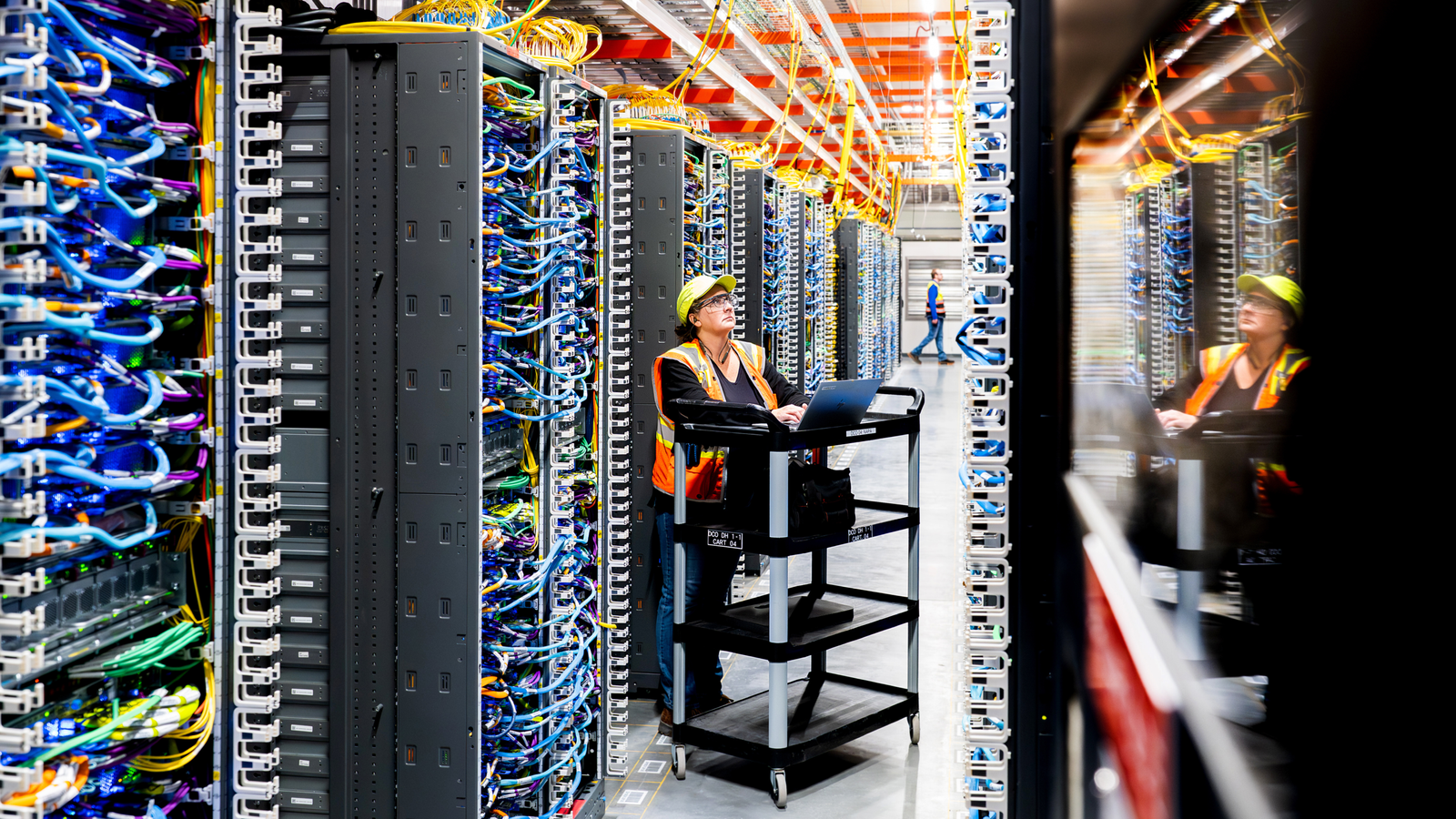
- Data centers
- Automation software
The enthusiasm surrounding AI has contributed to significant gains among a relatively small group of large technology companies. In some cases, these firms have accounted for a disproportionate share of broader market performance.
At the same time, concerns remain about whether valuations in certain areas have become overly optimistic.
Historically, major technological shifts often create both long-term opportunities and short-term speculation. Investors are attempting to distinguish between companies with sustainable AI-driven business models and those benefiting primarily from market excitement.
This dynamic may continue contributing to volatility as markets reassess growth expectations.
Bond Markets Are Playing a Bigger Role Again
For years, many retail investors focused primarily on stock performance. Today, bond markets are once again becoming central to market analysis.
Treasury yields influence:
- Mortgage rates
- Corporate borrowing costs
- Stock valuations
- Consumer lending
- Business investment
When bond yields rise rapidly, equities often face pressure because investors can obtain higher returns from lower-risk assets.
The relationship between stocks and bonds has become more complex during the current environment. Investors are now paying closer attention to yield curves, Treasury auctions, and Federal Reserve policy expectations.
This shift has made market reactions more interconnected than in previous years.
What Recent Volatility May Suggest About the Months Ahead
While predicting markets precisely is impossible, current volatility does offer several broader insights.
Investors Are Prioritizing Financial Strength
Companies with:
- Strong balance sheets
- Consistent cash flow
- Lower debt levels
- Stable profit margins
have generally performed better during uncertain periods.
Markets May Remain Highly Data-Driven
Economic reports involving inflation, jobs, and consumer spending are likely to continue producing rapid market reactions.
Sector Rotation Could Continue
Leadership may shift frequently between industries depending on economic expectations, interest rates, and earnings performance.
Long-Term Investors May Need Greater Patience
Periods of volatility can test emotional decision-making. Historically, however, diversified long-term strategies have often proven more resilient than attempts to time short-term market swings.
Economic Growth May Slow Without Fully Contracting
Some analysts believe the economy could experience slower growth rather than a severe downturn. Markets will continue adjusting expectations as new data emerges.
How Americans Are Adapting Financially
Recent volatility has influenced financial behavior beyond institutional investing.
Many households are:
- Increasing emergency savings
- Reducing discretionary spending
- Rebalancing retirement portfolios
- Paying closer attention to interest rates
- Diversifying investments more carefully
Small business owners are also adapting by managing inventory more conservatively, limiting unnecessary debt exposure, and monitoring consumer demand trends more closely.
Financial planners increasingly emphasize flexibility rather than aggressive forecasting, especially during uncertain economic cycles.

Questions Americans Are Asking About Market Volatility
Why is the stock market so volatile right now?
Markets are reacting to uncertainty involving inflation, interest rates, corporate earnings, consumer spending, and global geopolitical risks.
Does volatility mean a recession is coming?
Not necessarily. Volatility reflects changing expectations and investor uncertainty, but markets can remain volatile even during periods of economic growth.
How do interest rates affect the stock market?
Higher rates increase borrowing costs and can reduce company valuations, particularly for growth-focused industries.
Why are technology stocks moving markets so much?
Large technology firms represent a significant portion of major indexes and have attracted strong investor interest related to artificial intelligence.
Is inflation still affecting the economy?
Yes. Even though inflation has cooled from peak levels, higher prices continue affecting consumer spending and business costs.
Why do markets react strongly to Federal Reserve announcements?
Federal Reserve policy influences borrowing costs, investment conditions, and future economic growth expectations.
Are bonds becoming attractive again?
Higher yields have increased investor interest in bonds, especially among those seeking lower-risk income opportunities.
What sectors perform better during volatile periods?
Historically, sectors such as healthcare, utilities, consumer staples, and companies with strong cash flow can be more resilient during uncertainty.
Should long-term investors worry about short-term volatility?
Short-term swings can be uncomfortable, but long-term investment strategies are generally designed to withstand periods of market turbulence.
What economic indicators matter most right now?
Inflation reports, employment data, consumer spending trends, and corporate earnings remain key indicators for investors.
Reading the Signals Beneath the Headlines
Market volatility often feels chaotic in real time, but it usually reflects deeper economic adjustments taking place beneath the surface. Today’s market environment is being shaped by a combination of monetary policy shifts, changing consumer behavior, technological transformation, and global uncertainty.
For investors and households alike, the coming months may require patience, adaptability, and a stronger focus on long-term financial fundamentals rather than short-term headlines. While volatility can create discomfort, it also provides insight into how markets are pricing the future of growth, risk, and economic resilience in an evolving environment.
Key Signals Worth Watching Going Forward
- Inflation direction and Federal Reserve policy
- Consumer spending strength
- Corporate earnings consistency
- Labor market resilience
- Treasury yield movements
- Artificial intelligence investment trends
- Energy price stability
- Housing market activity
- Credit conditions for households and businesses
- Global geopolitical developments