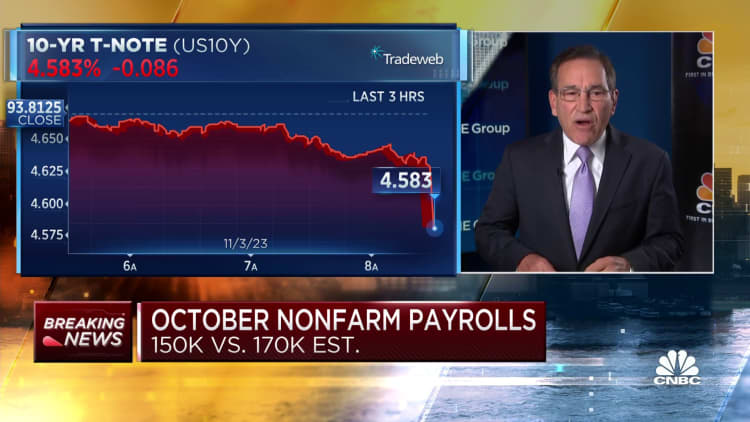
Today’s market movers extend far beyond stock indexes and quarterly earnings. Analysts are closely watching inflation trends, consumer spending patterns, artificial intelligence investment, labor market shifts, energy transition policies, and interest rate expectations as signals of the next economic cycle. Understanding how these forces interact can help businesses, investors, and households make more informed long-term financial decisions in an increasingly complex economy.
Why “Market Movers” Matter More Than Ever
Economic cycles have always been shaped by a combination of consumer behavior, government policy, corporate investment, and global events. What makes the current environment different is the speed at which information, capital, and sentiment move across industries and financial markets.
In the United States, the post-pandemic economy created conditions that analysts continue to study carefully: elevated inflation, rapidly rising interest rates, labor shortages in some sectors, layoffs in others, and major shifts in technology investment. These developments are influencing everything from mortgage rates to business hiring plans.
The term “market movers” refers to the forces that can meaningfully influence financial markets, business activity, and broader economic performance. While some market movers are short-term events, others quietly shape long-term economic cycles over several years.
Today, economists and institutional analysts are paying particular attention to trends that could define the next phase of economic growth in America.
The Interest Rate Environment Remains a Central Driver
One of the most influential market forces in recent years has been the Federal Reserve’s approach to interest rates.
After inflation surged to multi-decade highs following the pandemic recovery, the Federal Reserve responded with aggressive rate hikes aimed at slowing demand and stabilizing prices. Higher borrowing costs affected consumers, businesses, housing activity, and corporate investment decisions.
Why interest rates affect nearly everything
Interest rates influence:
- Mortgage affordability
- Credit card borrowing
- Auto loans
- Corporate financing
- Commercial real estate
- Small business expansion
- Stock market valuations
When borrowing becomes more expensive, consumers often reduce discretionary spending. Businesses may postpone hiring or expansion plans. Investors may also shift capital toward lower-risk assets.
For example, the U.S. housing market experienced notable cooling as mortgage rates climbed above levels many buyers had become accustomed to during the low-rate era of 2020–2021.
Analysts now focus heavily on questions Americans frequently search online:
- Will the Fed cut rates this year?
- Are high interest rates here to stay?
- How do interest rates affect retirement savings?
- What sectors perform best during elevated-rate environments?
The answers remain uncertain, but economists broadly agree that rate policy will continue to influence the pace of the next economic cycle.
Consumer Spending Still Drives the U.S. Economy
Consumer spending accounts for roughly two-thirds of U.S. economic activity, making household behavior one of the most important indicators analysts monitor.
Even during periods of economic uncertainty, American consumers have continued spending in areas such as:
- Travel
- Dining
- Entertainment
- Home improvement
- Subscription services
- Digital commerce
At the same time, spending patterns have become more selective. Many households are prioritizing experiences over physical goods while also becoming more price-conscious.
What analysts are watching now
Economists increasingly study:
- Credit card balances
- Delinquency rates
- Wage growth
- Savings levels
- Consumer confidence surveys
- Retail earnings reports
A practical example can be seen in the airline and hospitality industries. While budget-conscious consumers may reduce luxury purchases, demand for domestic travel has remained relatively resilient in many periods because Americans continue valuing experiences and flexible work lifestyles.
Large retailers also provide valuable insight into consumer sentiment. When companies report slower spending on nonessential items, analysts often interpret it as a sign that households are becoming cautious about future economic conditions.

Artificial Intelligence Is Reshaping Investment Priorities
Artificial intelligence has become one of the most significant market narratives influencing corporate strategy and investor behavior.
Major technology firms are investing billions into AI infrastructure, cloud computing, semiconductor manufacturing, and automation tools. Analysts increasingly compare today’s AI investment cycle to previous transformational periods such as the rise of the internet or mobile computing.
Why AI matters beyond the tech sector
AI investment is influencing industries including:
- Healthcare
- Financial services
- Logistics
- Manufacturing
- Marketing
- Education
- Customer service
For example, hospitals are exploring AI-assisted diagnostics, while logistics firms use predictive systems to optimize delivery routes and inventory planning.
This trend has also increased demand for data centers, energy infrastructure, and advanced semiconductor production.
Questions many Americans now ask include:
- Will AI replace jobs?
- Which industries benefit most from AI?
- Is AI creating another tech bubble?
- How are businesses actually using AI today?
Most economists believe AI’s long-term impact will depend less on headlines and more on productivity gains. Historically, technologies that improve productivity often play a major role in extending economic growth cycles.
Labor Market Signals Continue to Influence Outlooks
Employment remains one of the clearest indicators of economic health.
Although unemployment rates have remained relatively low by historical standards, labor market conditions have become more uneven across industries.
Areas showing stronger hiring demand
- Healthcare
- Skilled trades
- Engineering
- Cybersecurity
- Energy infrastructure
- Advanced manufacturing
Areas experiencing more volatility
- Media
- Some technology roles
- Commercial real estate
- Certain retail categories
Hybrid work arrangements have also permanently altered parts of the labor market. Many companies continue balancing remote flexibility with productivity concerns and office-space costs.
Analysts often pay close attention to:
- Monthly payroll reports
- Wage growth
- Labor force participation
- Job openings
- Layoff announcements
A strong labor market can support consumer spending, but excessive wage inflation may also contribute to broader inflation pressures.
This balance remains one of the key economic debates shaping forecasts for the next cycle.
Energy Transition Policies Are Creating New Investment Themes
Energy remains deeply connected to inflation, manufacturing costs, transportation, and national economic stability.
The growing transition toward renewable energy and domestic energy production has introduced major investment shifts across the U.S. economy.
Key areas attracting attention
- Electric vehicle infrastructure
- Battery manufacturing
- Solar projects
- Nuclear energy research
- Grid modernization
- Domestic semiconductor plants
Federal legislation supporting infrastructure and clean-energy development has encouraged long-term capital investment in multiple states.
For example, new manufacturing facilities tied to electric vehicles and battery production have expanded across regions including the Midwest and Southeast.
At the same time, traditional energy markets continue influencing gasoline prices, transportation costs, and consumer sentiment. Oil price volatility can still affect inflation expectations quickly.
Analysts therefore view energy transition not as a replacement of old systems overnight, but as a gradual economic restructuring process likely to influence growth patterns for years.

Commercial Real Estate Faces Structural Change
Commercial real estate has become one of the most closely watched sectors in the current environment.
The shift toward hybrid work reduced demand for office space in many major U.S. cities, creating pressure on property valuations and refinancing activity.
Why this matters to the broader economy
Commercial real estate connects to:
- Regional banks
- Municipal tax revenue
- Construction employment
- Urban development
- Small business ecosystems
Some office markets have seen rising vacancy rates, while industrial real estate linked to logistics and e-commerce has remained comparatively stronger.
Retail real estate has also evolved. Many shopping centers increasingly emphasize restaurants, healthcare services, fitness facilities, and entertainment rather than traditional department-store models.
Analysts are particularly focused on refinancing risks because higher interest rates make it more expensive for property owners to manage debt obligations.
Global Supply Chains Are Being Reorganized
The pandemic exposed vulnerabilities in global supply chains that many businesses previously underestimated.
Today, companies are increasingly focused on resilience rather than simply maximizing efficiency.
Strategies businesses are adopting
- Diversifying suppliers
- Expanding domestic production
- Holding larger inventories
- Reducing dependence on single regions
- Investing in automation
This restructuring affects manufacturing investment across the United States, especially in sectors tied to semiconductors, pharmaceuticals, and industrial equipment.
For consumers, supply chain adjustments can influence product availability, pricing stability, and delivery timelines.
The broader economic implication is significant: companies willing to prioritize resilience may accept slightly higher operating costs in exchange for lower disruption risk.
Market Sentiment and Media Cycles Still Influence Short-Term Volatility
While economic fundamentals matter over the long term, investor psychology continues influencing short-term market behavior.
Financial markets react rapidly to:
- Inflation data
- Earnings reports
- Geopolitical events
- Federal Reserve comments
- Employment reports
- Consumer confidence data
Social media and digital news cycles have amplified this effect. Information now spreads faster than ever, sometimes creating exaggerated short-term reactions.
For example, a single earnings report from a major technology company can influence broader market sentiment even when long-term economic fundamentals remain relatively unchanged.
This is why professional analysts often separate:
- Short-term market volatility
- Long-term economic trends
Understanding the difference can help households and investors avoid emotionally driven financial decisions during periods of uncertainty.
What Americans Are Asking About the Next Economic Cycle
Search behavior reveals growing public interest in practical economic questions.
Common questions include:
- Are we heading toward another recession?
- What industries are expected to grow?
- How should households prepare for economic uncertainty?
- Will inflation return?
- Is the labor market weakening?
- What happens if rates stay elevated longer?
Most economists avoid making absolute predictions because economic cycles are influenced by multiple overlapping factors. However, many analysts agree on several broader themes:
- Productivity growth will remain important
- AI investment is likely to continue expanding
- Consumers remain central to economic momentum
- Interest rates may stay structurally higher than during the 2010s
- Supply chain resilience will continue shaping corporate strategy
The next cycle may therefore look less like previous recoveries and more like a transition into a more technology-driven, efficiency-focused economic environment.
Frequently Asked Questions
What are market movers in economics?
Market movers are events, trends, or conditions that significantly influence financial markets or economic activity. Examples include interest rates, inflation data, employment trends, corporate earnings, and government policy changes.
Why do analysts watch consumer spending so closely?
Consumer spending represents a major share of U.S. economic activity. Changes in spending behavior can signal whether households feel financially confident or cautious.
How does the Federal Reserve influence the economy?
The Federal Reserve adjusts interest rates and monetary policy to manage inflation, employment, and overall economic stability. These decisions affect borrowing costs throughout the economy.
Why is artificial intelligence considered an economic driver?
AI has the potential to improve productivity, automate processes, reduce costs, and create new industries, making it a major area of corporate investment.
What sectors are analysts watching most closely right now?
Technology, healthcare, energy infrastructure, manufacturing, and financial services are among the sectors receiving significant analyst attention.
How do higher interest rates affect households?
Higher rates can increase mortgage payments, credit card interest, auto loan costs, and borrowing expenses for businesses.
Why is commercial real estate important to the economy?
Commercial real estate affects banking systems, urban development, construction jobs, and local tax revenues.
What role do supply chains play in inflation?
Supply chain disruptions can increase production and transportation costs, which may contribute to higher prices for consumers.
Can market volatility signal a recession?
Not always. Markets can experience short-term volatility without leading to a broader economic downturn. Analysts usually evaluate multiple indicators before making recession forecasts.
What is the biggest uncertainty facing the next economic cycle?
Many economists point to the interaction between inflation, interest rates, labor markets, and technological disruption as the most significant uncertainty.
Reading the Signals Beneath the Headlines
Economic cycles are rarely shaped by a single event. More often, they emerge from overlapping shifts in policy, technology, consumer behavior, labor markets, and business investment.
Today’s market movers suggest the United States may be entering a period defined by structural transformation rather than temporary disruption. Artificial intelligence, evolving supply chains, energy transition investment, and changing work patterns are likely to influence how businesses operate and how households make financial decisions for years to come.
For investors, business leaders, and consumers alike, understanding these underlying trends may prove more valuable than reacting to short-term headlines alone.
Key Signals Worth Watching Going Forward
- Interest rate direction and Federal Reserve policy
- Consumer spending resilience
- AI-related productivity growth
- Labor market strength
- Commercial real estate refinancing trends
- Energy infrastructure investment
- Supply chain diversification efforts
- Inflation stability
- Corporate earnings guidance
- Business capital expenditure trends