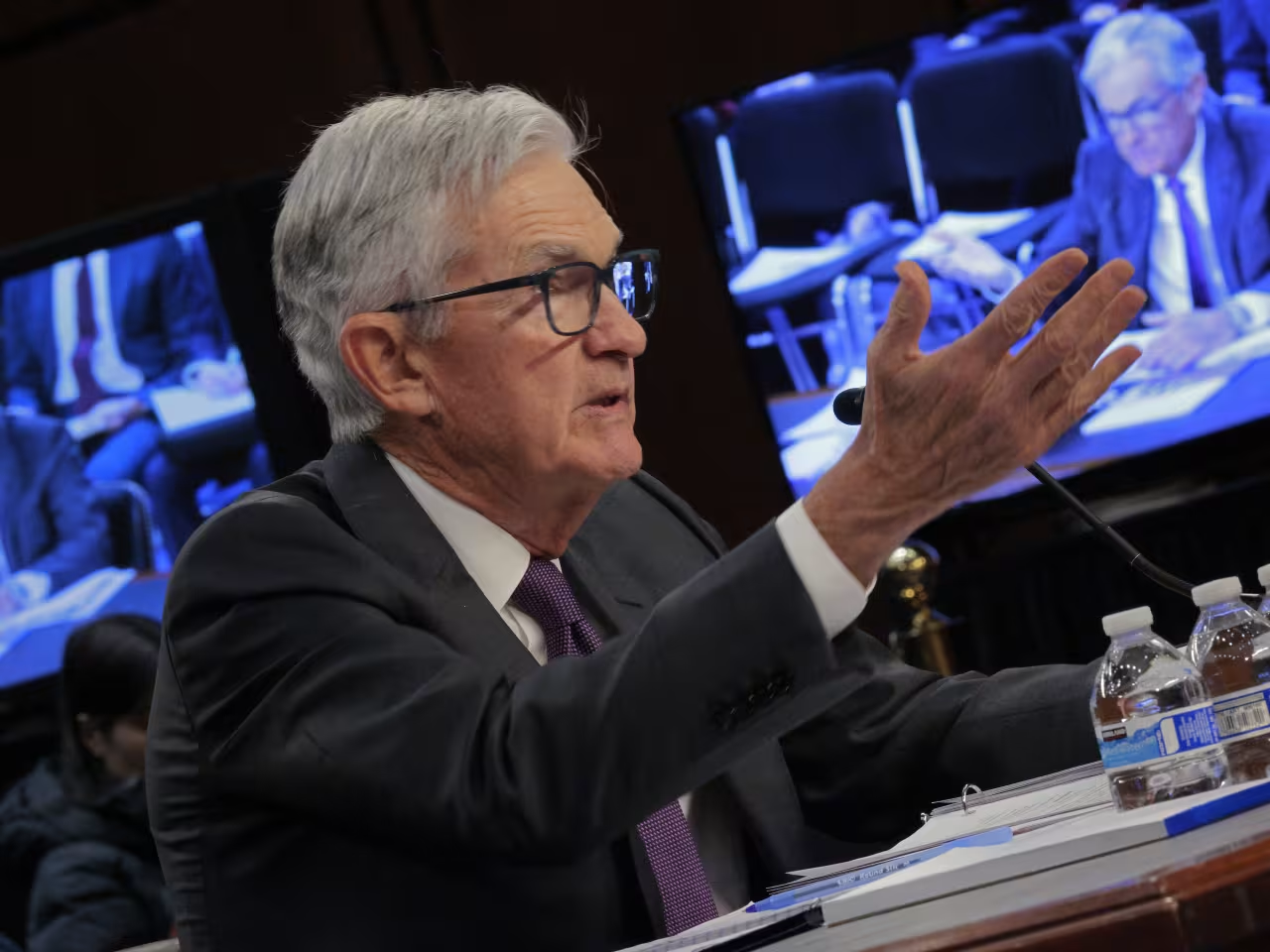
The Federal Reserve’s recent policy actions are shaping borrowing costs, inflation trends, and economic growth heading into 2026. With interest rates stabilizing after a tightening cycle, the central bank is balancing inflation control with labor market resilience. Understanding these moves helps households, businesses, and investors anticipate shifts in credit, housing, and financial markets in the year ahead.
Understanding the Federal Reserve’s Current Position
The Federal Reserve enters 2026 at a pivotal moment. After one of the most aggressive rate-hiking cycles in decades to combat post-pandemic inflation, policymakers have shifted toward a more cautious, data-driven stance. Inflation has cooled from its 2022 highs, but it remains above the Fed’s long-term 2% target.
This puts the central bank in a delicate position: ease policy too quickly, and inflation could reaccelerate; keep rates elevated for too long, and economic growth could slow more sharply than intended.
Recent communications from the Federal Open Market Committee suggest a “higher for longer” approach—holding interest rates steady while evaluating incoming data. This signals restraint rather than urgency, reflecting uncertainty about how quickly inflation will normalize.
Why Interest Rates Still Matter in 2026
Interest rates remain the Fed’s primary lever for influencing economic activity. Even small adjustments ripple across the economy, affecting everything from mortgages to credit cards.
In practical terms:
- Mortgage rates remain elevated compared to pre-2020 levels, influencing housing affordability
- Auto and personal loans are more expensive, slowing consumer borrowing
- Business financing costs remain higher, affecting hiring and expansion decisions
- Savings yields are more attractive, benefiting conservative investors
For example, a household considering a home purchase in 2026 is likely to face mortgage rates in the 6–7% range—significantly higher than the sub-3% rates seen during the pandemic. This has cooled housing demand but also limited supply, creating a more complex market dynamic.
What the Fed’s Inflation Strategy Signals
Inflation remains the central focus of Fed policy. The preferred measure, the Personal Consumption Expenditures (PCE) index, has shown gradual improvement, but progress has been uneven.
The Fed’s current strategy suggests:
- A willingness to tolerate slower economic growth to ensure inflation stays under control
- A focus on core inflation, excluding volatile food and energy prices
- Continued reliance on labor market data as a key signal
The central bank is particularly attentive to wage growth. Strong wages support consumer spending but can also sustain inflation if not matched by productivity gains.
From a real-world perspective, this means everyday prices—such as groceries, rent, and services—are unlikely to drop significantly. Instead, the Fed aims to slow the rate of increase, not reverse it.
The Labor Market: Still Strong, but Cooling
The U.S. labor market has remained resilient, with unemployment staying historically low. However, signs of moderation are emerging.
Employers are becoming more selective in hiring, and job openings have declined from peak levels. Wage growth, while still solid, has begun to stabilize.
For workers, this translates into:
- Continued job availability, but with less rapid hiring
- Slower wage increases compared to 2022–2023
- Greater emphasis on skills and experience in hiring decisions
For the Fed, this cooling is a positive development. A balanced labor market reduces inflationary pressure without triggering widespread job losses.
How Financial Markets Are Interpreting Fed Signals
Financial markets closely monitor every Fed statement, press conference, and economic projection. In 2026, markets are increasingly focused on timing—specifically, when rate cuts might begin.
Current expectations suggest:
- Gradual rate cuts may occur if inflation continues to decline
- Equity markets may benefit from lower borrowing costs
- Bond yields may stabilize or decline
However, markets can misinterpret signals. For instance, overly optimistic expectations of rate cuts can lead to volatility if the Fed maintains a cautious stance.
Investors should recognize that the Fed’s decisions are reactive, not predictive—they respond to data rather than committing to fixed timelines.
What This Means for U.S. Consumers
For everyday Americans, the Fed’s policies translate into tangible financial realities.
Consider these common scenarios:
- Buying a home: Higher mortgage rates increase monthly payments, limiting affordability
- Car financing: Loans are more expensive, leading some buyers to delay purchases
- Credit card debt: Interest rates remain elevated, increasing the cost of carrying balances
- Savings accounts: Higher yields provide opportunities for better returns on cash
A practical example: A consumer with $10,000 in credit card debt at a 20% interest rate will pay significantly more in interest compared to pre-pandemic years. This reinforces the importance of managing high-interest debt in a high-rate environment.
Business Investment and Economic Growth Outlook
Businesses are adjusting to a new cost structure. Higher interest rates affect decisions on hiring, expansion, and capital investment.
Key trends include:
- More cautious capital spending
- Increased focus on efficiency and productivity
- Selective hiring rather than rapid workforce expansion
Despite these constraints, the U.S. economy has shown resilience. GDP growth remains positive, supported by consumer spending and government investment.
However, growth is expected to moderate in 2026. This aligns with the Fed’s goal of achieving a “soft landing”—reducing inflation without causing a recession.
Key Risks the Fed Is Monitoring
The Fed’s cautious approach reflects several ongoing risks:
- Persistent inflation in housing and services
- Global economic uncertainty, including geopolitical tensions
- Financial market instability
- Consumer debt levels, particularly in credit cards and auto loans
Each of these factors can influence policy decisions. For example, a sudden spike in oil prices could complicate inflation trends, while a sharp slowdown in global growth could weaken U.S. exports.
Frequently Asked Questions
1. Why hasn’t the Federal Reserve cut rates yet?
The Fed is waiting for clear, sustained evidence that inflation is moving toward its 2% target before easing policy.
2. Will interest rates go down in 2026?
Rate cuts are possible but likely gradual, depending on inflation and economic data.
3. How do Fed decisions affect mortgage rates?
Mortgage rates are influenced by long-term bond yields, which respond to Fed policy and inflation expectations.
4. Is the U.S. economy heading for a recession?
Current indicators suggest slower growth, not necessarily a recession, though risks remain.
5. What is the Fed’s inflation target?
The Federal Reserve aims for a long-term inflation rate of 2%.
6. How does the Fed influence employment?
By adjusting interest rates, the Fed affects business activity, which in turn impacts hiring and job availability.
7. Are high savings rates here to stay?
Savings rates may decline if the Fed cuts interest rates, but timing remains uncertain.
8. What sectors are most affected by Fed policy?
Housing, banking, consumer finance, and technology are particularly sensitive to interest rate changes.
9. How should individuals respond to current Fed policy?
Focus on managing debt, maintaining savings, and planning for stable—but not ultra-low—interest rates.
10. What does “soft landing” mean?
It refers to slowing inflation without causing a significant rise in unemployment or a recession.
Looking Ahead: Interpreting the Fed’s Next Moves
The Federal Reserve’s approach in 2026 reflects a broader shift toward balance rather than urgency. Policymakers are no longer in crisis mode, but they remain cautious about declaring victory over inflation.
For households and businesses, the key takeaway is adaptability. The era of ultra-low interest rates is unlikely to return soon. Instead, the economic environment is defined by moderate growth, steady—but elevated—borrowing costs, and gradual policy adjustments.
Understanding the Fed’s signals allows individuals to make more informed financial decisions, whether that means refinancing debt, adjusting investment strategies, or planning major purchases.
At-a-Glance Economic Signals to Watch
- Interest rates are likely to remain elevated in the near term
- Inflation is cooling, but progress is gradual
- Labor markets are stable but less overheated
- Rate cuts, if they occur, will likely be measured
- Consumer borrowing costs remain a key pressure point