Federal Reserve policy decisions influence borrowing costs, inflation, and economic growth in ways that often go unnoticed. Through interest rate changes, balance sheet adjustments, and forward guidance, the Fed shapes consumer behavior, business investment, and financial markets. Understanding these mechanisms helps households and investors make more informed financial decisions in an evolving economic landscape.
The Subtle Power of the Federal Reserve
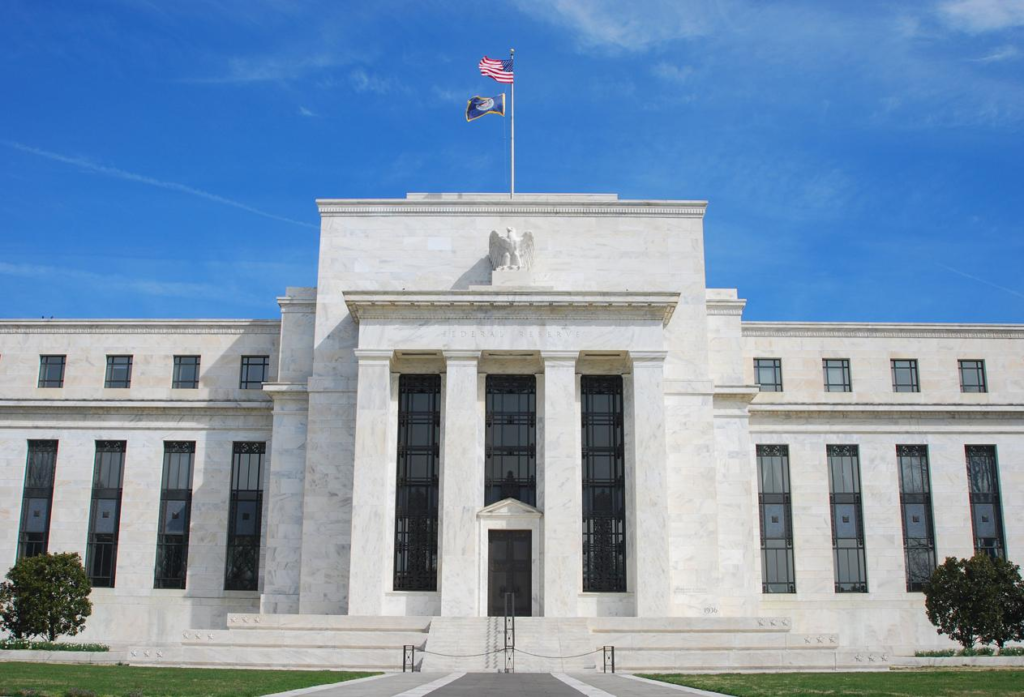
The Federal Reserve operates with a quiet authority that rarely draws daily attention from most Americans. Yet its decisions ripple through nearly every financial choice households and businesses make. Whether it’s the interest rate on a mortgage, the cost of a car loan, or the pace at which wages grow, the Fed’s policies set the backdrop.
At its core, the Fed has a dual mandate: to promote maximum employment and stable prices. Achieving both requires constant calibration. Policymakers adjust interest rates, influence credit conditions, and communicate expectations—all with the goal of keeping the economy on a sustainable path.
Unlike fiscal policy, which often produces visible legislative changes, monetary policy works indirectly. Its effects unfold over months, sometimes years, making it less obvious but no less impactful.
How Interest Rates Shape Everyday Borrowing
The most recognizable tool the Fed uses is the federal funds rate—the interest rate at which banks lend to each other overnight. While consumers don’t directly interact with this rate, it influences a wide range of borrowing costs.
When the Fed raises rates, borrowing becomes more expensive. This affects:
- Mortgage rates
- Credit card interest rates
- Auto loans
- Business financing
For example, between 2022 and 2024, the Fed raised rates aggressively to combat inflation, pushing average 30-year mortgage rates above 7%, according to data from the Federal Reserve Bank of St. Louis and Freddie Mac. This shift significantly reduced home affordability, leading many buyers to delay purchases.
Conversely, when the Fed lowers rates, borrowing becomes cheaper. This encourages spending and investment. During the COVID-19 pandemic, near-zero rates allowed millions of Americans to refinance mortgages and reduce monthly payments.
The key insight is that Fed decisions don’t just affect markets—they shape the timing and feasibility of major life decisions.
Inflation: The Fed’s Balancing Act
Inflation is where the Fed’s influence becomes most visible—and most debated. The central bank aims for an annual inflation rate of around 2%, measured primarily through the Personal Consumption Expenditures (PCE) index.
When inflation rises above target, the Fed typically increases interest rates to slow demand. Higher borrowing costs reduce spending, which in turn eases price pressures.
However, the relationship isn’t immediate or precise. Inflation is influenced by:
- Supply chain disruptions
- Energy prices
- Labor market conditions
- Global economic trends
For instance, post-pandemic inflation in the U.S. peaked above 9% in 2022 (Consumer Price Index data from the U.S. Bureau of Labor Statistics). While rate hikes helped bring inflation down, they also slowed economic activity.
This creates a delicate trade-off: tightening too much risks recession, while doing too little allows inflation to persist.
Economic Growth: Steering Without Steering
The Fed does not directly control economic growth, but it strongly influences its pace. Lower interest rates typically encourage:
- Business expansion
- Hiring
- Consumer spending
Higher rates tend to do the opposite, cooling the economy.
Consider a mid-sized manufacturing company evaluating whether to build a new facility. If borrowing costs are low, financing the project becomes more attractive. If rates rise, the same investment may no longer meet return expectations.
This dynamic plays out across thousands of businesses, collectively shaping GDP growth. According to the Bureau of Economic Analysis, fluctuations in investment and consumer spending account for the majority of changes in economic output.
The Fed’s challenge is to slow the economy just enough to control inflation without triggering widespread job losses.
Beyond Interest Rates: The Fed’s Other Tools
While interest rates receive the most attention, the Fed uses additional tools that quietly influence financial conditions.
Balance Sheet Policy (Quantitative Easing and Tightening)
During economic downturns, the Fed may purchase government bonds and mortgage-backed securities—a process known as quantitative easing (QE). This injects liquidity into the financial system and lowers long-term interest rates.
In contrast, quantitative tightening (QT) involves reducing these holdings, which can push borrowing costs higher.
Forward Guidance
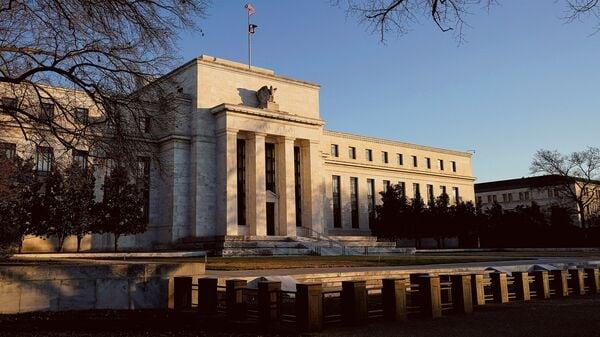
The Fed also shapes expectations through communication. Statements from the Federal Open Market Committee (FOMC) signal future policy intentions, influencing market behavior even before any action is taken.
For example, when the Fed indicates that rates will remain elevated, businesses and consumers often adjust their plans immediately.
Real-World Impact on Households
For many Americans, the Fed’s decisions are most tangible in everyday finances.
Housing
A family considering a home purchase may find that a one-percentage-point increase in mortgage rates raises monthly payments by hundreds of dollars. This can shift decisions from buying to renting.
Credit Cards
Variable-rate credit cards adjust quickly to Fed rate changes. As rates rise, carrying a balance becomes significantly more expensive.
Savings
Higher interest rates benefit savers. Yields on savings accounts and certificates of deposit (CDs) typically increase, offering better returns for conservative investors.
Employment
While less direct, Fed policy influences job availability. A cooling economy may slow hiring, while accommodative policy can support job growth.
Business and Investment Implications
Companies and investors closely monitor Fed decisions because of their broad impact on financial conditions.
Corporate Strategy
Businesses adjust capital spending, hiring plans, and pricing strategies based on expected borrowing costs and demand.
Stock Market
Equity markets often react to changes in interest rates. Higher rates can reduce stock valuations by increasing the discount rate applied to future earnings.
Bond Market
Bond yields move closely with Fed policy expectations. When rates rise, existing bond prices typically fall.
Small Business Considerations
Small businesses, which rely heavily on loans, are particularly sensitive to interest rate changes. A shift in rates can determine whether expansion plans move forward or are postponed.

Why Timing Matters More Than Direction
One of the most misunderstood aspects of Fed policy is timing. Markets and economic actors often react not to current conditions, but to expectations about future policy.
For example, if investors anticipate that the Fed will begin cutting rates in six months, financial conditions may ease even before the first cut occurs. Mortgage rates, stock prices, and lending behavior can all shift in advance.
This forward-looking nature makes the Fed’s communication strategy as important as its actions.
What Americans Are Asking Right Now
Many of the most common questions about the Fed reflect practical concerns:
- Will mortgage rates go down soon?
- How long will inflation stay elevated?
- Is now a good time to take out a loan?
- How do Fed decisions affect my paycheck?
These questions highlight a key reality: while the Fed operates at a macroeconomic level, its decisions are deeply personal in their consequences.
Frequently Asked Questions
1. How quickly do Fed rate changes affect consumers?
Typically within weeks for credit cards and variable loans, but months for mortgages and broader economic effects.
2. Why doesn’t the Fed control inflation instantly?
Because policy works with a lag and inflation is influenced by multiple external factors.
3. What is the federal funds rate?
It’s the rate banks charge each other for overnight loans, serving as a benchmark for other interest rates.
4. Do Fed decisions affect savings accounts?
Yes, higher rates usually lead to higher yields on savings products.
5. Why do mortgage rates change before Fed announcements?
Because markets anticipate future policy based on economic data and Fed signals.
6. Can the Fed cause a recession?
Aggressive rate hikes can slow the economy significantly, sometimes leading to recession.
7. How does the Fed impact employment?
By influencing economic growth, which affects hiring and job availability.
8. What is quantitative tightening?
It’s the process of reducing the Fed’s balance sheet to tighten financial conditions.
9. Why does the Fed target 2% inflation?
It balances price stability with economic growth and avoids deflation risks.
10. How can individuals respond to Fed policy changes?
By adjusting borrowing, saving, and investment strategies based on interest rate trends.
Reading the Signals: Making Sense of Monetary Policy
Understanding Federal Reserve policy is less about predicting exact moves and more about recognizing patterns. When inflation rises, expect tightening. When growth slows significantly, easing may follow.
For individuals and businesses, the most practical approach is to stay informed and flexible. Financial decisions—whether refinancing a loan, investing in a business, or adjusting savings strategies—benefit from awareness of the broader policy environment.
The Fed’s influence may be quiet, but it is constant. Recognizing how it shapes borrowing, inflation, and growth can turn abstract policy decisions into actionable insights.
Key Insights at a Glance
- Federal Reserve decisions influence nearly all borrowing costs
- Interest rate changes affect mortgages, credit cards, and business loans
- Inflation control requires balancing economic growth and demand
- Policy impacts unfold gradually, often over months
- Forward guidance shapes expectations as much as actual rate changes
- Households feel effects through housing, savings, and employment
- Businesses adjust investment and hiring based on rate trends
- Timing and expectations drive financial market reactions