Market movements are no longer driven solely by headline events. Subtle shifts in interest rates, consumer behavior, corporate guidance, and global supply chains are quietly reshaping investor expectations. Understanding these underlying signals can help individuals and institutions make more informed decisions, manage risk, and identify opportunities before they become widely recognized in mainstream financial narratives.
Introduction: Why “Market Movers” Mean More Than Headlines
When most investors hear the term “market movers,” they often think of dramatic events—Federal Reserve announcements, earnings surprises, or geopolitical shocks. While these still matter, a growing body of evidence suggests that the most influential forces today are quieter, slower-moving, and often overlooked.
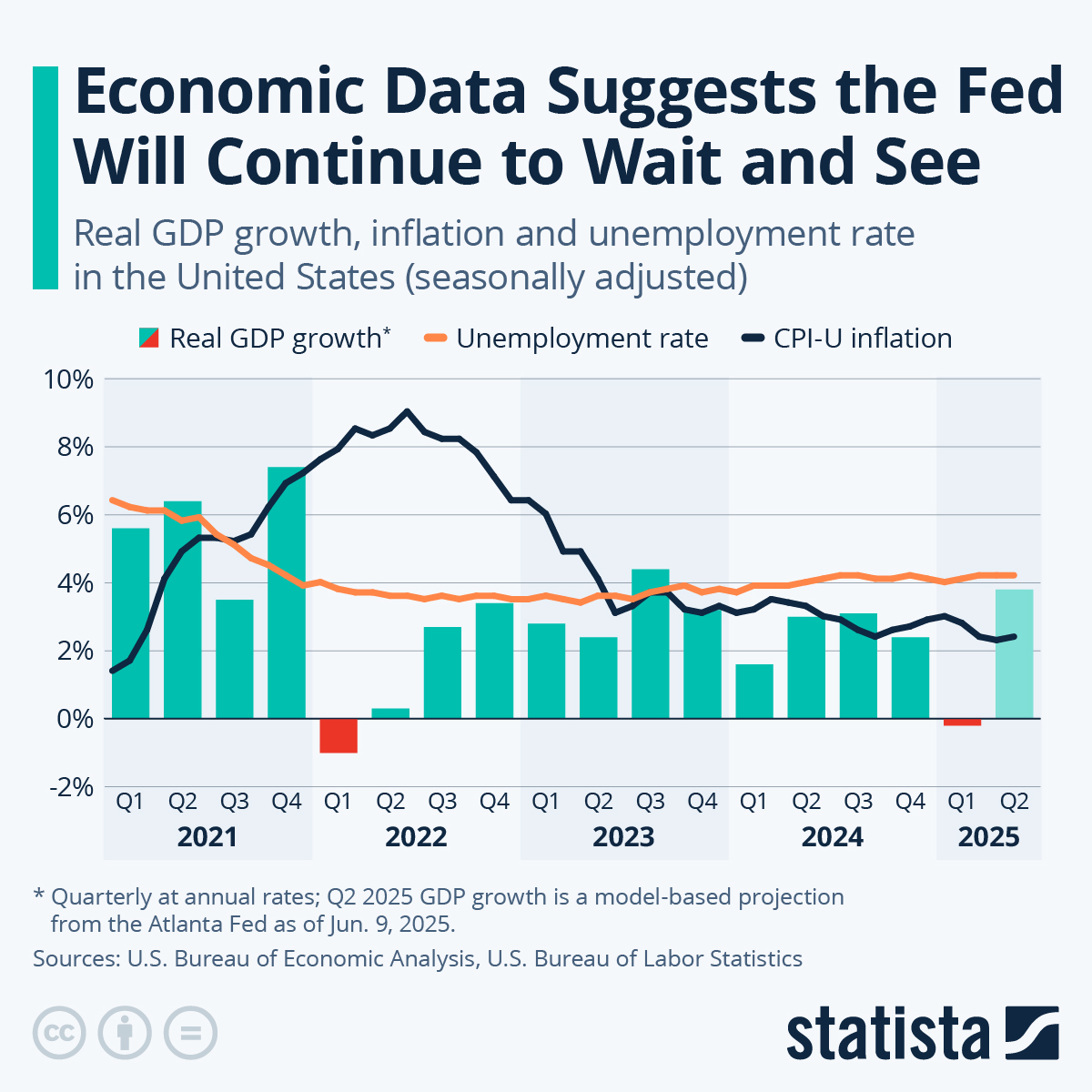
In recent years, markets have become increasingly forward-looking and data-sensitive. According to data from the Federal Reserve and Bureau of Labor Statistics, even small changes in inflation expectations or labor participation rates can ripple through equities, bonds, and consumer sentiment.
This shift has redefined how investors interpret signals. Instead of reacting to news alone, successful participants are learning to track subtle trends that unfold beneath the surface.
What Are “Subtle Market Movers”?
Subtle market movers are incremental changes in economic, financial, or behavioral indicators that gradually influence asset prices and expectations.
These include:
- Small but consistent shifts in inflation trends
- Gradual changes in corporate earnings guidance
- Consumer spending patterns evolving over time
- Labor market dynamics beyond headline unemployment rates
- Liquidity conditions in credit markets
Unlike sudden shocks, these signals often require interpretation rather than reaction. For example, a slight but persistent rise in wage growth may not immediately move markets, but over time it can alter inflation expectations and interest rate projections.
The Rise of Data-Driven Expectations
Modern markets are increasingly shaped by expectations rather than current conditions. Investors are asking not “What is happening?” but “What is likely to happen next?”
This shift is fueled by the accessibility of real-time data and the influence of institutional models. Firms now track:
- Forward earnings estimates
- Inflation breakevens
- Yield curve movements
- Consumer confidence indices
For instance, the inversion of the U.S. Treasury yield curve has historically preceded recessions. While not a guarantee, its predictive nature has made it one of the most closely watched indicators in financial markets.
In 2023–2025, even modest steepening or flattening of the curve influenced equity sector rotations—demonstrating how subtle changes can guide large capital flows.

Interest Rates: The Quiet Driver Behind Everything
Interest rates remain one of the most powerful, yet often misunderstood, market movers.
While major rate hikes grab headlines, it’s the expectation of future rates that truly drives markets. Investors closely monitor signals from the Federal Open Market Committee, parsing language for clues about future policy direction.
Key subtle indicators include:
- Changes in central bank tone (hawkish vs. dovish)
- Dot plot projections
- Real interest rates (adjusted for inflation)
- Credit spread movements
For example, when real rates rise gradually, growth stocks often face pressure, while financials may benefit. These shifts don’t happen overnight—they unfold as expectations adjust.
Corporate Guidance: Reading Between the Lines
Earnings reports are no longer just about numbers—they’re about narratives.
Corporate executives often signal future conditions through cautious language, revised outlooks, or capital allocation decisions. Investors who pay attention to these subtleties can gain an edge.
Consider the following signals:
- Slight downward revisions in revenue forecasts
- Increased mentions of “cost discipline”
- Slower hiring plans
- Inventory adjustments
During earnings seasons, analysts often track how frequently companies mention terms like “uncertainty” or “margin pressure.” These linguistic patterns can foreshadow broader economic trends.
Consumer Behavior: The Underestimated Indicator
Consumer spending accounts for roughly 70% of U.S. GDP, according to the U.S. Bureau of Economic Analysis. Yet many investors overlook the nuances within consumer data.
Subtle shifts include:
- Trading down from premium to value brands
- Increased use of credit for everyday purchases
- Changes in savings rates
- Shifts toward services over goods
For example, a gradual increase in credit card delinquencies can signal financial stress before it shows up in broader economic indicators.
Retailers often provide early clues. If mid-tier retailers begin reporting softer demand while discount chains perform well, it may indicate tightening household budgets.
Liquidity and Credit Conditions
Liquidity is often described as the “oxygen” of financial markets. When it tightens, markets can struggle—even in the absence of negative news.
Subtle indicators of changing liquidity include:
- Rising corporate bond spreads
- Reduced bank lending activity
- Lower trading volumes
- Changes in repo market conditions
Following the 2008 financial crisis and again during the pandemic, central banks emphasized liquidity support. Today, the gradual withdrawal of that support continues to influence asset pricing.
Investors who track credit markets often gain early insights into potential equity market shifts.
Sector Rotation: Where the Smart Money Moves First
One of the clearest manifestations of subtle market shifts is sector rotation.
Rather than exiting the market entirely, institutional investors often reallocate capital across sectors based on evolving expectations.
Examples include:
- Moving from growth to value stocks during rising rate environments
- Shifting into defensive sectors like utilities during uncertainty
- Increasing exposure to energy during inflationary periods
These rotations often begin before macroeconomic data confirms the trend, making them a valuable early signal.

Technology and AI: A New Layer of Market Sensitivity
The integration of artificial intelligence and algorithmic trading has amplified the impact of subtle signals.
Markets now react not only to data but to how that data compares to expectations—often within milliseconds.
Key implications include:
- Faster pricing of information
- Increased short-term volatility
- Greater importance of consensus forecasts
This environment rewards investors who understand context, not just data points.
Practical Example: How Subtle Trends Played Out Recently
Between 2022 and 2024, inflation in the U.S. began to moderate gradually. While headline inflation declined, core inflation remained sticky.
This led to:
- Continued cautious messaging from the Federal Reserve
- Gradual repricing of interest rate expectations
- Sector rotation toward energy and financials
- Increased volatility in tech stocks
Investors who focused only on headline inflation may have missed these nuances. Those who tracked underlying trends were better positioned to adapt.

How Individual Investors Can Apply These Insights
Understanding subtle market movers doesn’t require complex models—it requires disciplined observation.
Here are practical ways to incorporate this approach:
- Follow trends, not headlines: Look at multi-month data rather than single reports
- Read earnings transcripts: Focus on tone and forward guidance
- Track multiple indicators: Combine economic, corporate, and market data
- Watch credit markets: They often move before equities
- Diversify with intention: Adjust exposure based on evolving conditions
Importantly, patience is key. Subtle trends take time to develop but can have lasting impacts.
Common Questions Investors Are Asking
1. What are the most important market movers today?
Interest rates, inflation expectations, corporate earnings guidance, and liquidity conditions are among the most influential factors.
2. How can I identify subtle market trends early?
By tracking consistent changes in data over time, rather than reacting to single data points.
3. Do retail investors have access to the same information as institutions?
Yes, much of the data is publicly available, though institutions may process it faster.
4. Why do markets react to expectations instead of current data?
Markets are forward-looking and price in anticipated future conditions.
5. What role does the Federal Reserve play in market movements?
Its policy decisions and communication heavily influence interest rates and investor sentiment.
6. How important is sector rotation for individual investors?
It can help identify where capital is flowing and where opportunities may emerge.
7. Are subtle trends more reliable than major news events?
They are often more consistent but require careful interpretation.
8. How does consumer behavior impact markets?
Consumer spending drives economic growth and influences corporate earnings.
9. What indicators should beginners focus on first?
Inflation, interest rates, and employment data are good starting points.
10. Can subtle trends predict recessions?
They can provide early warning signals but are not definitive predictors.
Reading the Quiet Signals Before They Become Headlines
Markets rarely turn on a single event. More often, they evolve through a series of small, interconnected changes that gradually reshape expectations.
Investors who learn to identify these subtle signals—whether in central bank language, corporate tone, or consumer behavior—are better equipped to navigate uncertainty. The advantage lies not in predicting the future perfectly, but in recognizing direction early and adjusting accordingly.
Key Insights at a Glance
- Subtle trends often drive long-term market direction
- Expectations matter more than current conditions
- Interest rates influence nearly every asset class
- Corporate language can reveal future economic shifts
- Consumer behavior offers early warning signals
- Liquidity conditions shape market stability
- Sector rotation reflects institutional positioning