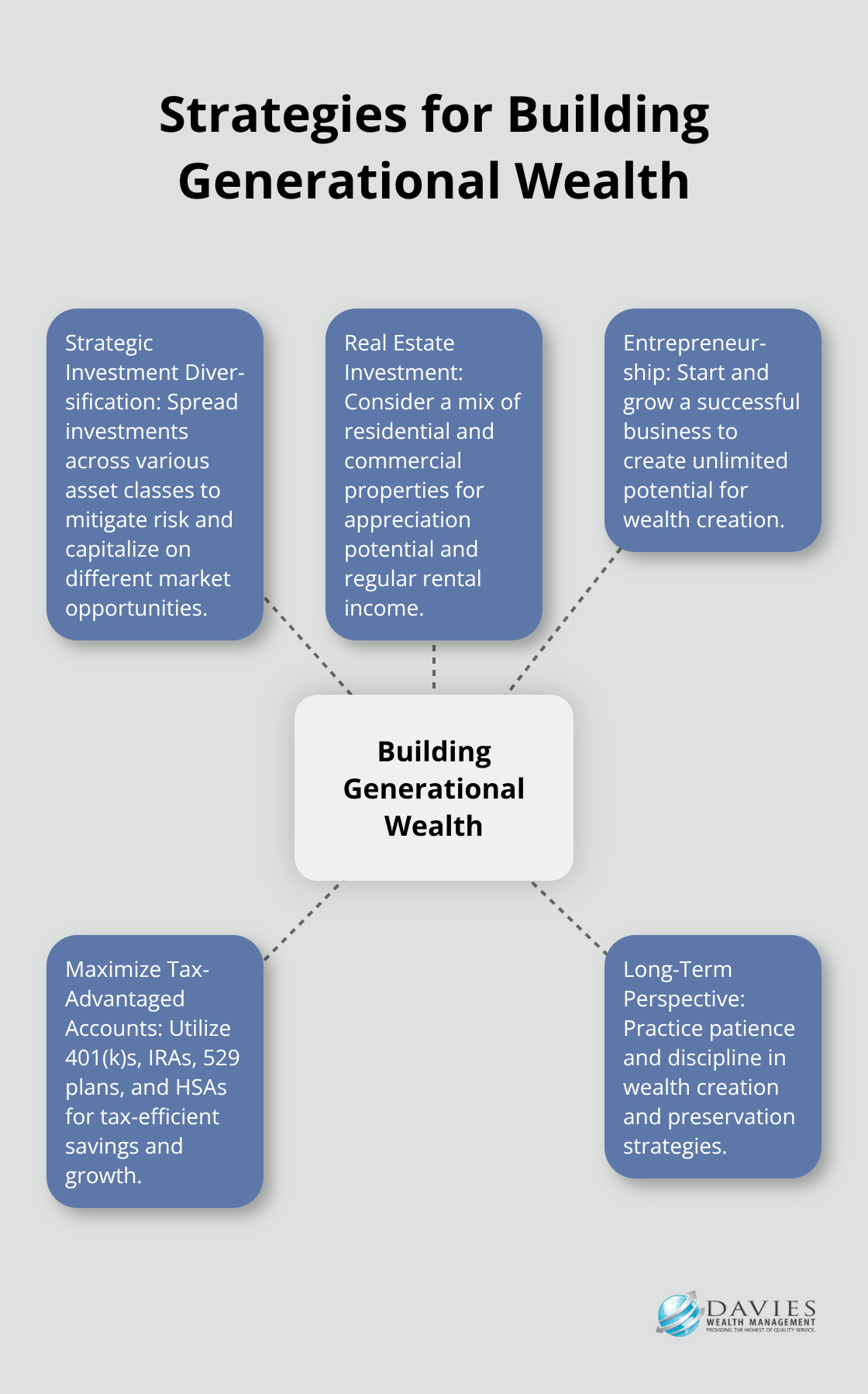
For many Americans, wealth building is no longer just about earning more or cutting expenses. Long-term financial stability is increasingly shaped by everyday habits: how people manage debt, invest consistently, adapt to inflation, build multiple income streams, and make decisions during economic uncertainty. Sustainable wealth often comes from disciplined systems, informed choices, and long-term thinking rather than dramatic financial moves.
Why Wealth Building Looks Different Today
For decades, traditional financial advice centered around a simple formula: earn a stable income, save diligently, buy a home, and retire comfortably. While those principles still matter, today’s economic environment has made wealth building more complex for middle-class households, young professionals, and even high-income earners.
Rising housing costs, higher interest rates, healthcare expenses, and shifting labor markets have changed how Americans approach financial security. At the same time, access to investment platforms, financial education, and remote work opportunities has expanded significantly.
As a result, wealth accumulation is increasingly tied to behavior patterns rather than one-time financial milestones.
Many households earning six figures still struggle financially because lifestyle inflation outpaces income growth. Meanwhile, moderate earners who consistently invest, avoid destructive debt, and maintain disciplined habits often build stronger long-term financial positions over time.
The difference frequently comes down to systems and habits.
The Quiet Power of Financial Consistency
One of the most overlooked wealth-building habits is consistency. Financial progress rarely happens through sudden breakthroughs. More often, it develops slowly through repeated behaviors that compound over years.
This applies to:
- Automated investing
- Consistent retirement contributions
- Routine debt reduction
- Spending awareness
- Maintaining emergency savings
- Avoiding impulsive financial decisions
According to data from the Federal Reserve, many Americans still struggle to cover unexpected expenses, highlighting how fragile financial stability can become without consistent planning.
People who build durable wealth often create systems that reduce emotional decision-making. Automatic transfers into retirement accounts, scheduled investment contributions, and monthly financial reviews can remove much of the stress and inconsistency from money management.
For example, a worker contributing modest amounts monthly into a diversified retirement portfolio beginning at age 28 may accumulate substantially more wealth by retirement than someone who waits until their 40s to invest aggressively.
Time often matters more than intensity.
Why Cash Flow Habits Matter More Than Income Alone
A growing number of financial advisors now emphasize cash flow management over salary alone. High earnings can improve opportunities, but poor spending habits can quietly erode long-term wealth potential.
Americans increasingly face “lifestyle creep,” where expenses rise alongside income increases. Larger homes, upgraded vehicles, subscription services, luxury travel, and financing costs can absorb raises surprisingly quickly.
This creates a situation where households appear financially successful while remaining vulnerable to economic disruption.
Strong wealth-building habits typically include:
- Maintaining spending below income growth
- Avoiding high-interest consumer debt
- Prioritizing savings increases after raises
- Tracking recurring expenses
- Limiting unnecessary financing obligations
Consider two professionals earning similar salaries. One upgrades their lifestyle immediately after each promotion, while the other gradually increases investments and maintains stable fixed expenses. Over 15 years, the second individual may accumulate dramatically more financial flexibility despite identical earnings.
Wealth often grows quietly through restrained consumption rather than visible spending.
The Shift From Single-Income Dependence
Another major trend shaping modern wealth building is diversification of income.
Economic uncertainty, layoffs in white-collar industries, and technological disruption have encouraged many Americans to develop secondary income sources. These may include:
- Freelance work
- Consulting
- Dividend investments
- Rental properties
- Small online businesses
- Digital products
- Contract-based remote work
Not every side income becomes substantial, but diversified earnings can reduce financial vulnerability and create additional investment capital.
This shift became especially noticeable following the economic volatility of recent years, when many workers recognized the risks of relying entirely on one employer or industry.
Importantly, successful wealth builders often use secondary income strategically rather than increasing consumption. Extra earnings are frequently directed toward:
- Debt reduction
- Emergency savings
- Retirement accounts
- Brokerage investments
- Business development
- Real estate down payments
The goal is not constant hustle culture. Instead, it is greater resilience and optionality.
How Investing Habits Shape Long-Term Outcomes
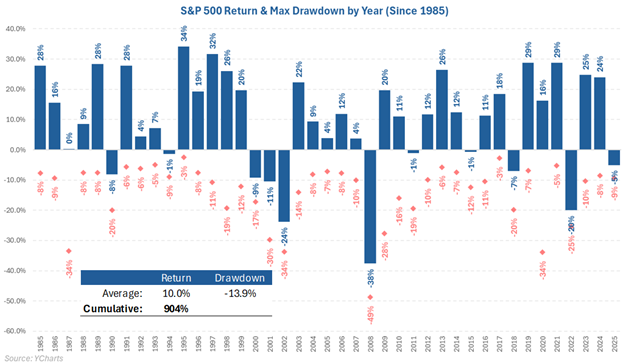
Long-term investing remains one of the most powerful drivers of wealth accumulation in the United States. Yet many investors still struggle with emotional decision-making during volatile markets.
Historically, markets have experienced downturns, recessions, inflationary periods, and geopolitical uncertainty while still delivering long-term growth over extended periods.
Wealth-building investors often share several characteristics:
- They invest consistently regardless of short-term headlines
- They avoid frequent trading
- They maintain diversified portfolios
- They understand risk tolerance
- They focus on decades rather than months
One important behavioral distinction involves reacting to market declines. During periods of volatility, inexperienced investors may sell investments out of fear, locking in losses and missing future recoveries.
More experienced long-term investors often continue investing through downturns, viewing lower asset prices as opportunities for gradual accumulation.
This approach does not eliminate risk, but it supports long-term participation rather than emotional withdrawal.

The Growing Importance of Financial Literacy
Access to financial information has expanded dramatically in recent years, but so has misinformation.
Americans now encounter financial advice constantly through podcasts, social media creators, short-form videos, newsletters, and online forums. While some content is educational, much of it oversimplifies investing, budgeting, or wealth creation.
As a result, financial literacy itself has become an important wealth-building habit.
People who steadily improve their understanding of taxes, investing, insurance, retirement planning, and credit management are often better equipped to avoid costly mistakes.
Practical examples include:
- Understanding how compound interest works
- Knowing the tax advantages of retirement accounts
- Recognizing high-fee investment products
- Evaluating mortgage terms carefully
- Comparing insurance coverage effectively
- Managing credit utilization responsibly
Financial literacy does not require expertise in advanced economics. Often, foundational knowledge produces the greatest long-term benefits.
Why Debt Management Plays a Central Role
Not all debt is equally harmful, but unmanaged debt can significantly limit wealth accumulation.
High-interest credit card balances are particularly damaging because interest compounds against the borrower. Persistent revolving debt reduces available cash flow and limits investment capacity.
Meanwhile, certain forms of debt may support long-term wealth when used carefully, including:
- Reasonable mortgage borrowing
- Education aligned with career potential
- Business financing with sustainable risk
- Low-interest strategic borrowing
The distinction often comes down to whether debt supports future earning power or merely finances consumption.
One of the quietest but most impactful wealth habits is avoiding unnecessary long-term payments that reduce future flexibility.
Many financially stable households prioritize becoming less financially obligated over time rather than constantly expanding liabilities.
Emergency Funds Are More Important Than Ever
Recent economic disruptions reinforced the importance of liquidity.
Emergency savings may not generate exciting returns, but they provide something equally valuable: stability during uncertainty.
Households without emergency reserves often face difficult choices during layoffs, medical issues, or economic downturns. This can lead to:
- Increased credit card debt
- Early retirement withdrawals
- Missed investment opportunities
- Forced asset sales
- Financial stress affecting career decisions
Many financial professionals recommend maintaining several months of essential expenses in accessible savings, though the appropriate amount varies by household and employment stability.
Emergency funds also allow investors to remain calmer during market volatility because short-term financial needs are already covered.
That psychological benefit is frequently underestimated.

The Behavioral Side of Wealth Building
Perhaps the most important shift in modern wealth discussions is recognizing that behavior often matters more than financial theory.
Most Americans already understand basic financial principles:
- Spend less than you earn
- Avoid destructive debt
- Invest consistently
- Save for emergencies
- Plan for retirement
The challenge is maintaining those habits during real-life pressures.
Behavioral finance research has shown that emotions, fear, social comparison, and impulsive decision-making strongly influence financial outcomes.
For example:
- Panic selling during downturns
- Overspending to match peers
- Delaying investing due to uncertainty
- Chasing speculative trends
- Ignoring long-term planning
Successful wealth builders often focus on creating environments that support better behavior. This might involve:
- Automating savings
- Reducing financial clutter
- Limiting exposure to impulsive spending triggers
- Working with financial advisors
- Conducting quarterly financial reviews
- Setting long-term goals rather than short-term benchmarks
These systems reduce reliance on motivation alone.
How Younger Generations Are Redefining Wealth
Younger Americans increasingly define wealth differently than previous generations.
For many millennials and Gen Z professionals, financial success is less associated with visible luxury and more connected to:
- Flexibility
- Time freedom
- Geographic mobility
- Reduced debt
- Career autonomy
- Mental well-being
- Financial independence
This shift has influenced spending behavior, investing patterns, and housing decisions.
Some younger professionals prioritize remote work flexibility over higher salaries. Others focus heavily on early investing or side-business development instead of traditional career ladders alone.
The broader definition of wealth now includes resilience and control over personal time—not simply asset accumulation.
That change may continue reshaping financial priorities over the coming decade.
What Sustainable Wealth Usually Looks Like
Contrary to social media narratives, sustainable wealth often appears relatively ordinary.
Many financially secure households:
- Drive reliable but modest vehicles
- Maintain manageable fixed expenses
- Invest steadily over decades
- Avoid excessive lifestyle inflation
- Keep long-term perspectives during uncertainty
- Prioritize stability over appearances
Wealth building is frequently less dramatic than popular culture suggests.
The most important financial habits are often repetitive, disciplined, and emotionally controlled rather than flashy or aggressive.
In today’s economy, resilience may matter just as much as income growth.

Questions Americans Are Asking About Wealth Building
Is saving money enough to build wealth today?
Saving alone is often insufficient because inflation gradually reduces purchasing power. Long-term wealth building usually requires investing, income growth, and disciplined financial planning in addition to saving.
What is the biggest mistake people make with money?
One common mistake is increasing lifestyle expenses too quickly as income rises, leaving little room for long-term investing or financial resilience.
How much should people invest monthly?
The ideal amount varies based on income, age, debt, and goals. Many financial professionals recommend starting consistently, even with smaller amounts, rather than waiting for perfect conditions.
Are side hustles necessary for wealth building?
Not always, but additional income streams can improve flexibility, increase savings potential, and reduce reliance on a single employer.
Why do some high earners still struggle financially?
High income does not automatically create wealth. Excessive debt, overspending, and poor financial planning can undermine strong earnings.
Is homeownership still important for wealth creation?
Homeownership can support long-term wealth, but affordability, location, maintenance costs, and mortgage terms matter significantly. It is not universally the best financial move for every household.
How important is investing early?
Starting early allows compound growth more time to work. Even modest contributions can grow substantially over decades.
What role does emergency savings play?
Emergency funds help households avoid debt accumulation and financial disruption during unexpected events such as layoffs or medical expenses.
How can people improve financial discipline?
Automation, budgeting systems, clear financial goals, and regular reviews can help reduce emotional or impulsive financial decisions.
What does financial independence mean today?
For many Americans, financial independence means having enough savings, investments, and flexibility to make career and lifestyle decisions with less financial pressure.
The Habits That Tend to Outlast Economic Cycles
Economic conditions will continue changing. Interest rates will rise and fall. Markets will experience volatility. Industries will evolve.
But the habits that support long-term wealth tend to remain surprisingly consistent.
Disciplined investing, controlled spending, thoughtful risk management, ongoing learning, and financial adaptability continue to separate temporary financial success from lasting stability.
In many cases, wealth is not built through extraordinary financial brilliance. It is built through ordinary behaviors repeated consistently over long periods of time.
Signals Worth Paying Attention To
- Consistency usually matters more than intensity
- Cash flow habits influence long-term flexibility
- Emotional discipline plays a major financial role
- Multiple income streams can reduce vulnerability
- Financial literacy compounds over time
- Wealth often grows quietly rather than visibly
- Reduced financial obligations increase resilience
- Long-term thinking tends to outperform reactive behavior