The Federal Reserve is navigating one of the most difficult economic balancing acts in decades: controlling persistent inflation while avoiding deeper economic slowdown. Rising borrowing costs, shifting labor markets, and elevated consumer prices have changed how Americans experience monetary policy. Understanding the Federal Reserve’s evolving role helps households, investors, businesses, and workers make more informed financial decisions in an increasingly uncertain economy.
Why the Federal Reserve Matters More During Economic Uncertainty
For many Americans, the Federal Reserve once felt distant from everyday life. Interest rate decisions seemed relevant mainly to economists, investors, or banks. That has changed dramatically over the past several years.
Today, decisions made by the Federal Reserve directly affect mortgage payments, credit card interest rates, car loans, retirement accounts, hiring conditions, and even grocery prices. As inflation has remained stubbornly above the Fed’s long-term target and economic growth has slowed, the institution has moved into the center of national economic conversations.
The challenge is unusually complex. Historically, the Fed has often responded to recessions by lowering interest rates to stimulate borrowing and spending. In periods of high inflation, it raises rates to cool the economy. But today’s environment combines both inflationary pressure and slower growth — conditions that limit how aggressively policymakers can respond in either direction.
This balancing act has forced the Federal Reserve to rethink how it communicates policy, manages risk, and influences financial conditions.
What Does the Federal Reserve Actually Do?
The primary responsibilities of the Federal Reserve include:
- Managing monetary policy
- Promoting stable prices
- Supporting maximum employment
- Supervising banks and financial institutions
- Maintaining financial system stability
- Influencing interest rates and credit conditions
Its most widely discussed tool is the federal funds rate, which influences borrowing costs throughout the economy.
When inflation rises too quickly, the Fed typically raises rates to reduce demand. Higher borrowing costs often slow spending, business expansion, and housing activity. When the economy weakens significantly, the Fed may lower rates to encourage economic activity.
What makes the current environment unusual is that inflation has proven more persistent than many policymakers initially expected, even as economic growth has moderated.
Why Inflation Has Become More Difficult to Control
Inflation in recent years has not been driven by a single factor. Instead, several overlapping forces have contributed to higher prices across the U.S. economy.
Key Drivers of Persistent Inflation
- Supply chain disruptions following the pandemic
- Elevated energy and transportation costs
- Strong consumer demand
- Labor shortages in critical industries
- Housing supply constraints
- Geopolitical instability affecting commodities
- Wage growth in competitive labor markets
Unlike short-term inflation spikes seen in previous cycles, these pressures have lasted longer and spread across multiple sectors.
Housing offers one of the clearest examples. Even as mortgage rates increased sharply, limited housing inventory kept home prices elevated in many regions. Rent inflation also remained persistent, contributing heavily to overall consumer price increases.
Similarly, labor shortages in healthcare, hospitality, transportation, and skilled trades created upward wage pressure that businesses often passed on to consumers.
This has complicated the Fed’s response because some inflation drivers cannot be solved through interest rates alone.
The Federal Reserve’s New Communication Strategy
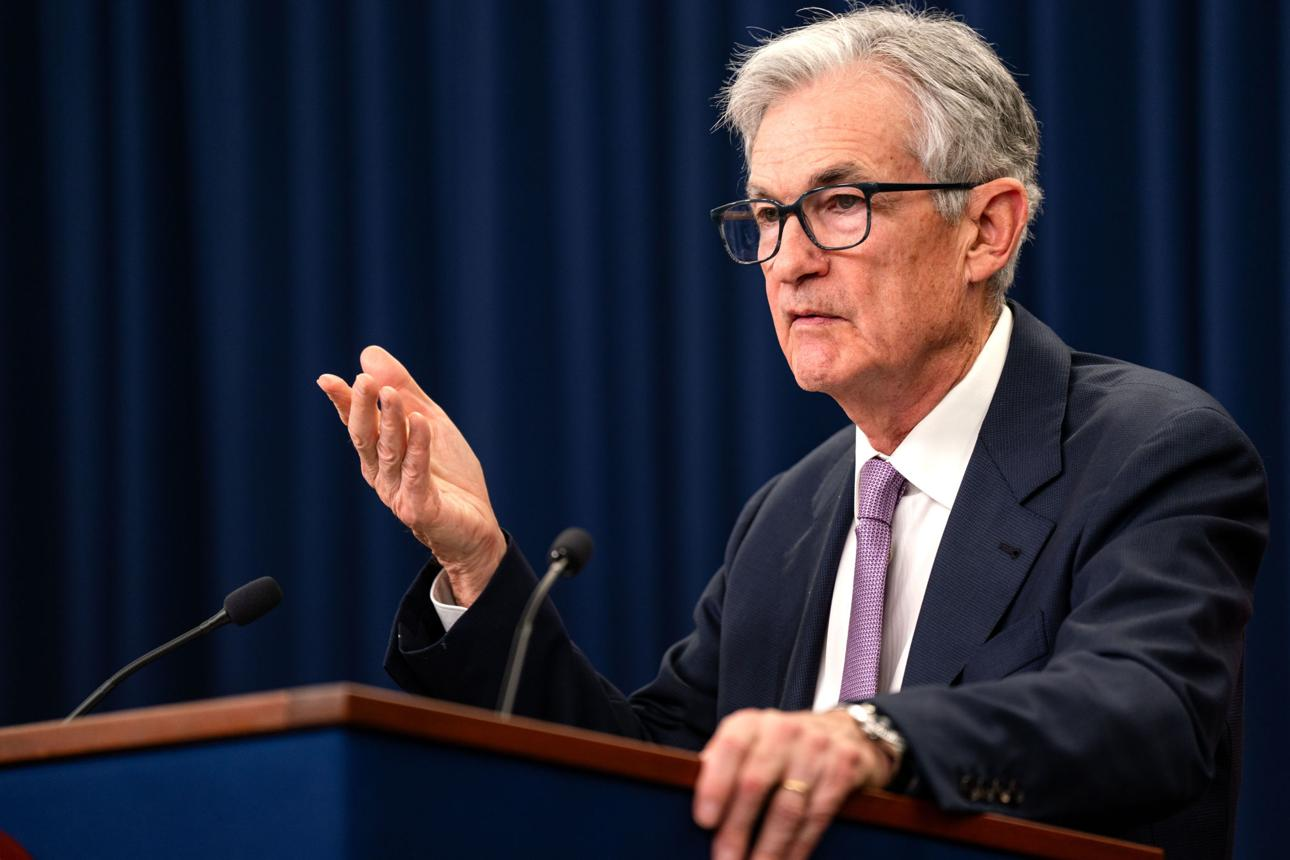
One of the biggest changes in the Fed’s role has been how actively it now communicates with the public and financial markets.
In earlier decades, Federal Reserve communication was often opaque. Today, policymakers provide detailed press conferences, economic projections, meeting minutes, and public speeches designed to guide expectations.
This shift reflects an important reality: expectations themselves influence inflation.
If businesses expect higher costs in the future, they may raise prices preemptively. If workers expect inflation to continue, they may demand larger wage increases. If investors believe rates will stay high, financial conditions tighten even before official policy changes occur.
As a result, the Fed increasingly relies on communication as a policy tool.
Terms like “higher for longer,” “data dependent,” and “soft landing” have become part of mainstream economic vocabulary because policymakers are trying to shape public expectations as carefully as they shape interest rates.
How Higher Interest Rates Affect Everyday Americans
The effects of tighter monetary policy extend well beyond Wall Street.
Areas Most Directly Impacted by Higher Rates
- Mortgage affordability
- Credit card interest costs
- Auto financing
- Small business loans
- Commercial real estate borrowing
- Savings account yields
- Corporate hiring and expansion plans
For example, a family purchasing a home today may face monthly payments hundreds of dollars higher than buyers did just a few years ago because of elevated mortgage rates.
At the same time, savers benefit more from higher yields on certificates of deposit, money market funds, and savings accounts. Retirees who rely on fixed-income investments may see improved returns compared with the low-rate environment that existed for much of the 2010s.
Small businesses often feel pressure from both sides. Borrowing becomes more expensive while consumers reduce discretionary spending, making expansion decisions harder.
Can the Federal Reserve Reduce Inflation Without Causing a Recession?
This is one of the most searched economic questions in the United States today.
The ideal outcome is often called a “soft landing,” where inflation returns closer to target levels without a severe rise in unemployment or a major recession.
Achieving that outcome is historically difficult.
When the Fed raises rates aggressively, economic activity usually slows. Businesses reduce hiring, investment weakens, and consumers spend less. In some periods, this process leads to recession.
However, recent economic data has shown surprising resilience in areas such as consumer spending and labor market strength, even amid elevated rates.
Several factors help explain this resilience:
- Strong household savings accumulated during the pandemic
- Continued wage growth
- Healthy corporate balance sheets in some sectors
- Government infrastructure spending
- Ongoing demand for labor in essential industries
Still, many economists remain cautious because monetary policy often works with delays. The full economic effects of higher rates can take many months to appear.

Why the Labor Market Has Changed the Fed’s Approach
Employment data now plays an especially important role in Federal Reserve decision-making.
The labor market has remained historically tight even as inflation concerns grew. Low unemployment typically supports consumer spending and economic confidence, but it can also contribute to wage inflation if labor demand significantly exceeds supply.
The Fed now monitors several labor indicators closely:
- Unemployment rate
- Job openings
- Wage growth
- Labor force participation
- Weekly jobless claims
- Hiring trends across industries
One unusual feature of the current economy is that layoffs have remained relatively contained in many sectors despite higher interest rates.
Healthcare, logistics, construction, and skilled trades continue facing worker shortages in many regions. This has prevented unemployment from rising as quickly as some analysts expected.
As a result, the Federal Reserve must weigh inflation risks against the possibility of unnecessarily weakening employment conditions.
The Growing Importance of Financial Stability
Another major shift in the Fed’s role involves financial system oversight.
Higher rates create pressure not only for consumers and businesses but also for banks, regional lenders, commercial real estate markets, and debt-heavy industries.
Recent years have shown how quickly financial stress can emerge when interest rates rise rapidly.
Banks holding long-term assets purchased during low-rate periods may face balance-sheet pressure when rates increase sharply. Commercial real estate markets, especially office properties, have also faced challenges as borrowing costs rise and remote work changes demand patterns.
This means the Fed must now manage two goals simultaneously:
- Fighting inflation
- Preserving financial stability
Those objectives do not always align perfectly.
If financial stress intensifies, policymakers may face pressure to slow rate increases even if inflation remains elevated.
What Businesses Are Watching Most Closely
Corporate leaders increasingly focus on Federal Reserve signals when making operational decisions.
Businesses are paying close attention to:
- Future rate projections
- Consumer demand trends
- Credit availability
- Labor costs
- Supply chain conditions
- Commercial borrowing expenses
For example, manufacturers may delay equipment investments if financing becomes too expensive. Retailers may reduce inventory orders if consumer spending weakens. Technology firms may slow hiring when capital becomes more costly.
Smaller businesses often face the greatest challenges because they rely more heavily on loans and variable-rate financing.
At the same time, sectors tied to infrastructure, energy transition projects, and domestic manufacturing investment may remain more resilient due to long-term federal spending initiatives.

How Global Conditions Influence Federal Reserve Decisions
The Federal Reserve operates within a global financial system, not an isolated domestic economy.
International developments can influence inflation, currency values, energy prices, and investor confidence.
Key global factors include:
- Oil market volatility
- Geopolitical conflicts
- Trade disruptions
- Foreign central bank policies
- Currency fluctuations
- Global supply chain conditions
For example, if other major central banks also maintain high interest rates, global financial conditions tighten broadly. Strong U.S. interest rates can also strengthen the dollar, affecting exports and multinational corporate earnings.
Global uncertainty has increased the complexity of policymaking because external shocks can quickly change inflation or growth expectations.
What Americans Should Pay Attention to Going Forward
Many consumers focus only on whether the Fed raises or lowers rates. But broader economic trends often matter just as much.
Key indicators worth monitoring include:
Inflation Trends
Core inflation measures help reveal whether price pressures are broadening or easing across the economy.
Wage Growth
Strong wage growth can support household finances but may also influence inflation persistence.
Consumer Spending
Retail sales and household demand remain central to economic momentum.
Housing Market Conditions
Mortgage rates, housing inventory, and rental inflation continue shaping broader inflation data.
Credit Conditions
Banks tightening lending standards can slow economic activity independently of Fed policy changes.
Employment Data
Sharp shifts in unemployment often signal broader economic turning points.
Understanding these indicators helps individuals make more informed decisions about borrowing, investing, career planning, and long-term financial goals.
Frequently Asked Questions
What is the Federal Reserve’s inflation target?
The Federal Reserve generally aims for approximately 2% annual inflation over the long term.
Why does the Federal Reserve raise interest rates?
Higher rates reduce borrowing and spending demand, helping slow inflationary pressure across the economy.
Can high interest rates reduce inflation immediately?
No. Monetary policy typically works gradually and may take many months to significantly affect prices and economic activity.
Why are mortgage rates so high?
Mortgage rates are influenced by Federal Reserve policy, Treasury yields, inflation expectations, and broader financial market conditions.
Does the Federal Reserve control gas prices?
Not directly. Energy prices are influenced by global oil markets, geopolitical events, refining capacity, and supply conditions.
What is a soft landing?
A soft landing refers to lowering inflation without causing a severe recession or major rise in unemployment.
Why is inflation still elevated in some sectors?
Housing shortages, labor market tightness, supply disruptions, and service-sector costs have kept some prices elevated.
How do Federal Reserve decisions affect retirement savings?
Interest rate changes influence stock markets, bond yields, savings account returns, and pension investments.
Could the Federal Reserve cut rates if growth slows further?
Potentially, but policymakers would likely weigh inflation risks carefully before easing policy aggressively.
Why do financial markets react so strongly to Federal Reserve announcements?
Investors use Fed guidance to estimate future borrowing costs, economic growth, and corporate profitability.
The Long-Term Challenge Ahead for Policymakers
The Federal Reserve’s role has become more demanding than at almost any point since the inflation battles of earlier decades. Policymakers are no longer responding to a simple recession or isolated inflation spike. Instead, they are navigating an economy shaped by structural labor shortages, demographic shifts, geopolitical uncertainty, housing constraints, and evolving consumer behavior.
This environment requires a broader, more flexible approach to monetary policy. Americans are also more aware than ever of how central bank decisions affect daily financial life. From mortgage affordability to retirement planning, the Fed’s influence now extends into nearly every corner of the economy.
Whether inflation gradually stabilizes or economic growth weakens further, the institution’s decisions will continue shaping financial conditions, business confidence, and household stability for years to come.
Signals Worth Watching in the Months Ahead
- Inflation readings remain the Fed’s highest priority indicator
- Employment strength continues supporting economic resilience
- Housing affordability remains under pressure from elevated rates
- Business investment may slow if credit conditions tighten further
- Financial stability risks could influence future policy decisions
- Consumers should monitor borrowing costs before taking on major debt
- Long-term investors may need to prepare for prolonged market volatility
- Federal Reserve communication will remain critical for market expectations