Sustainable wealth rarely comes from dramatic moves or short-term wins. Instead, it is built through consistent, disciplined habits—spending with intention, investing steadily, managing risk, and adapting to change. This article explores the everyday financial behaviors that quietly compound over time, offering practical, evidence-based strategies Americans can apply to build long-term financial stability and resilience.
Why Sustainable Wealth Is Built Quietly, Not Quickly
Wealth building in the United States is often framed around big wins—startup exits, stock market surges, or real estate windfalls. But data from institutions like the Federal Reserve’s Survey of Consumer Finances consistently shows a different reality: most financially secure households accumulate wealth gradually through disciplined habits sustained over decades.
Sustainable wealth is less about timing the market and more about time in the market. It reflects behaviors that remain effective regardless of economic cycles—habits that prioritize consistency, risk awareness, and long-term thinking.
The challenge is that these habits are rarely dramatic. They don’t trend on social media or make headlines. Yet, they are precisely what separates temporary financial success from lasting financial stability.
What Are the Core Habits That Build Wealth Over Time?
While financial strategies evolve, the foundational habits behind wealth creation remain remarkably stable. These behaviors show up repeatedly among high-net-worth households and financially resilient middle-class families alike.
1. Spending With Intent, Not Restriction
Contrary to popular belief, wealth builders are not necessarily extreme savers. Instead, they are intentional spenders.
They align spending with long-term priorities rather than short-term impulses. This often means:
- Allocating money toward assets (education, investments, skills)
- Avoiding lifestyle inflation as income rises
- Differentiating between value and convenience spending
Example:
A dual-income household earning $180,000 annually may choose to keep housing costs at 20% of income rather than upgrading homes every few years. The difference—often tens of thousands annually—gets redirected into investments.

2. Automating Savings and Investments
One of the most consistent habits among financially stable Americans is automation. Behavioral finance research shows that removing decision-making friction increases consistency.
Common automation strategies include:
- Automatic contributions to 401(k) plans or IRAs
- Scheduled transfers to brokerage accounts
- Automatic escalation of contribution rates annually
Why it works:
It reduces reliance on willpower and eliminates the temptation to “wait for the right time.”
According to Vanguard, investors who automate contributions are significantly more likely to stay invested during market volatility.
3. Staying Invested Through Market Cycles
A defining habit of sustainable wealth builders is emotional discipline during market fluctuations.
Historically, markets have rewarded patience. For instance, the S&P 500 has delivered average annual returns of around 10% over the long term, despite short-term volatility.
Yet many investors underperform due to:
- Panic selling during downturns
- Attempting to time market entry and exit
- Overreacting to news cycles
Example:
An investor who remained fully invested during the 2008 financial crisis and subsequent recovery would have significantly outperformed someone who exited the market and re-entered later.

4. Increasing Income Strategically Over Time
While cost control matters, wealth accumulation often accelerates through income growth.
Sustainable wealth builders focus on:
- Skill development aligned with market demand
- Negotiating compensation
- Diversifying income streams (consulting, side businesses, investments)
Key insight:
There is a limit to how much one can cut expenses, but income growth has far greater upside potential.
5. Maintaining a Long-Term Asset Allocation
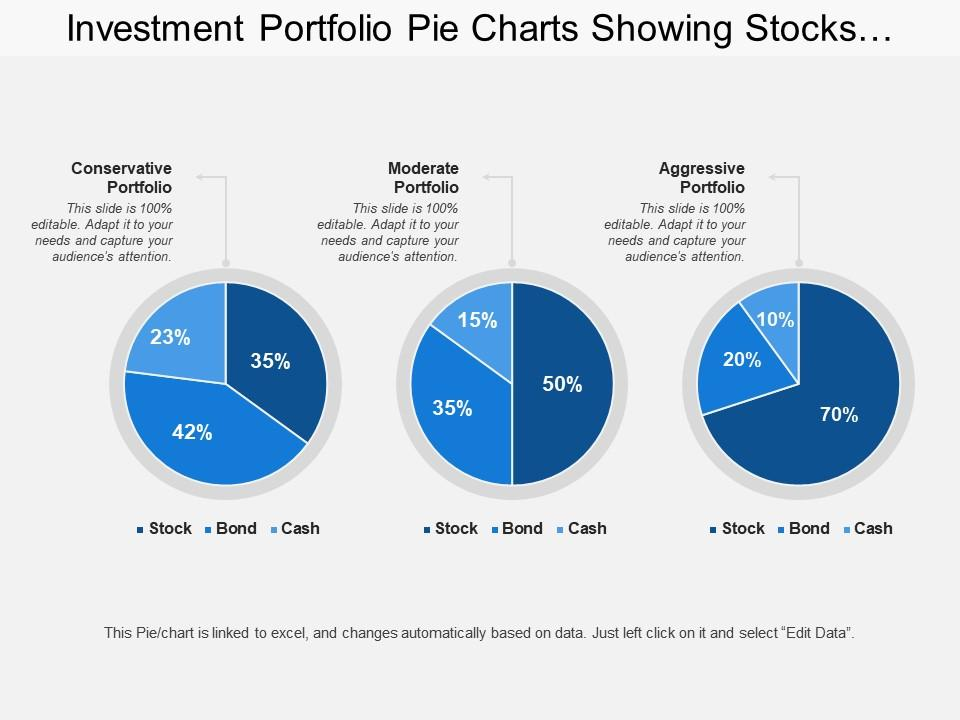
Rather than chasing trends, disciplined investors maintain a consistent asset allocation based on risk tolerance and goals.
This typically involves:
- Diversification across equities, bonds, and alternative assets
- Periodic rebalancing
- Avoiding concentration in single stocks or sectors
Why it matters:
Asset allocation—not stock picking—accounts for a significant portion of long-term portfolio performance, according to multiple academic studies.

How Do These Habits Translate Into Real Financial Progress?
Understanding habits is one thing; seeing their impact over time is another.
Consider two individuals:
- Investor A: Saves sporadically, reacts to market news, upgrades lifestyle frequently
- Investor B: Invests consistently, maintains allocation, increases contributions gradually
After 25 years, Investor B often ends up with substantially higher net worth—not because of higher returns, but because of consistency and discipline.
The Compounding Effect in Action
Small, repeated actions create outsized outcomes:
- Investing $500/month at 8% annual return → ~$470,000 in 25 years
- Increasing contributions by 3% annually → significantly higher outcomes
The key takeaway is not the exact numbers, but the mechanism: steady inputs + time = exponential growth.
What Mistakes Undermine Long-Term Wealth?
Even disciplined individuals can fall into patterns that erode progress. Recognizing these pitfalls is essential.
Common Wealth-Building Disruptors
- Lifestyle inflation: Increasing expenses in proportion to income
- Frequent portfolio changes: Overtrading based on short-term trends
- High-interest debt: Credit card balances that compound against you
- Lack of emergency savings: Forcing liquidation of investments during crises
- Ignoring taxes: Failing to optimize tax-advantaged accounts
Each of these can quietly offset years of disciplined effort.
How Important Is Financial Behavior Compared to Financial Knowledge?
A common assumption is that wealth requires advanced financial knowledge. In practice, behavior plays a far greater role.
Research in behavioral economics suggests that:
- Consistency outweighs complexity
- Simplicity improves adherence
- Emotional control is critical during uncertainty
Many financially successful individuals follow straightforward strategies but execute them with discipline over decades.
The Role of Time Horizons in Wealth Building
Time is one of the most underappreciated variables in financial success.
Longer time horizons allow for:
- Recovery from market downturns
- Greater compounding effects
- Reduced impact of short-term volatility
Example:
A 30-year-old investor has significantly more flexibility to take calculated risks compared to someone nearing retirement.
This is why starting early—even with small amounts—can be more impactful than starting later with larger sums.

How Do Tax Strategies Support Sustainable Wealth?
Taxes are often overlooked in early wealth-building stages, yet they play a critical role over time.
Effective approaches include:
- Maximizing contributions to tax-advantaged accounts (401(k), IRA, HSA)
- Utilizing tax-loss harvesting in taxable accounts
- Considering Roth vs. traditional contributions based on future tax expectations
Over decades, tax efficiency can meaningfully increase net returns without additional risk.
What Does Sustainable Wealth Look Like in Practice?
Sustainable wealth is not just a number—it reflects financial resilience.
It typically includes:
- A diversified investment portfolio
- Low or manageable debt
- Emergency savings covering 3–6 months of expenses
- Stable or growing income streams
- Flexibility to navigate economic changes
In practical terms, it means being able to absorb financial shocks without derailing long-term plans.
Frequently Asked Questions
1. What is the most important habit for building wealth?
Consistency in saving and investing is widely considered the most impactful habit, as it enables compounding over time.
2. How much should I invest each month?
A common guideline is 15–20% of income, though the ideal amount depends on goals, age, and financial obligations.
3. Is it better to pay off debt or invest?
High-interest debt (typically above 6–7%) should generally be prioritized before aggressive investing.
4. Can I build wealth without a high income?
Yes. While income helps, disciplined saving, investing, and spending habits can lead to meaningful wealth over time.
5. How do I stay consistent during market downturns?
Automation, long-term perspective, and avoiding frequent portfolio checks can help maintain discipline.
6. Are index funds sufficient for wealth building?
For many investors, diversified index funds provide a low-cost, effective way to build long-term wealth.
7. How often should I review my financial plan?
An annual review is typically sufficient unless major life changes occur.
8. What role does risk tolerance play?
Risk tolerance determines asset allocation and helps ensure you stay invested during volatility.
9. Should I diversify beyond stocks and bonds?
Depending on goals, adding real estate or alternative assets may enhance diversification.
10. How long does it take to build sustainable wealth?
Most wealth accumulation occurs over decades, not years, emphasizing the importance of patience.
A Quiet Framework for Lasting Financial Strength
Sustainable wealth is not built through intensity but through continuity. The habits outlined here—intentional spending, consistent investing, disciplined behavior, and long-term thinking—form a quiet framework that withstands economic uncertainty.
Rather than seeking rapid transformation, financially resilient individuals focus on repeatable actions. Over time, these actions compound into stability, flexibility, and independence.
Key Patterns That Stand the Test of Time
- Consistency outperforms complexity
- Behavior matters more than timing
- Income growth accelerates outcomes
- Tax efficiency enhances long-term returns
- Emotional discipline protects progress
- Small actions compound into significant results