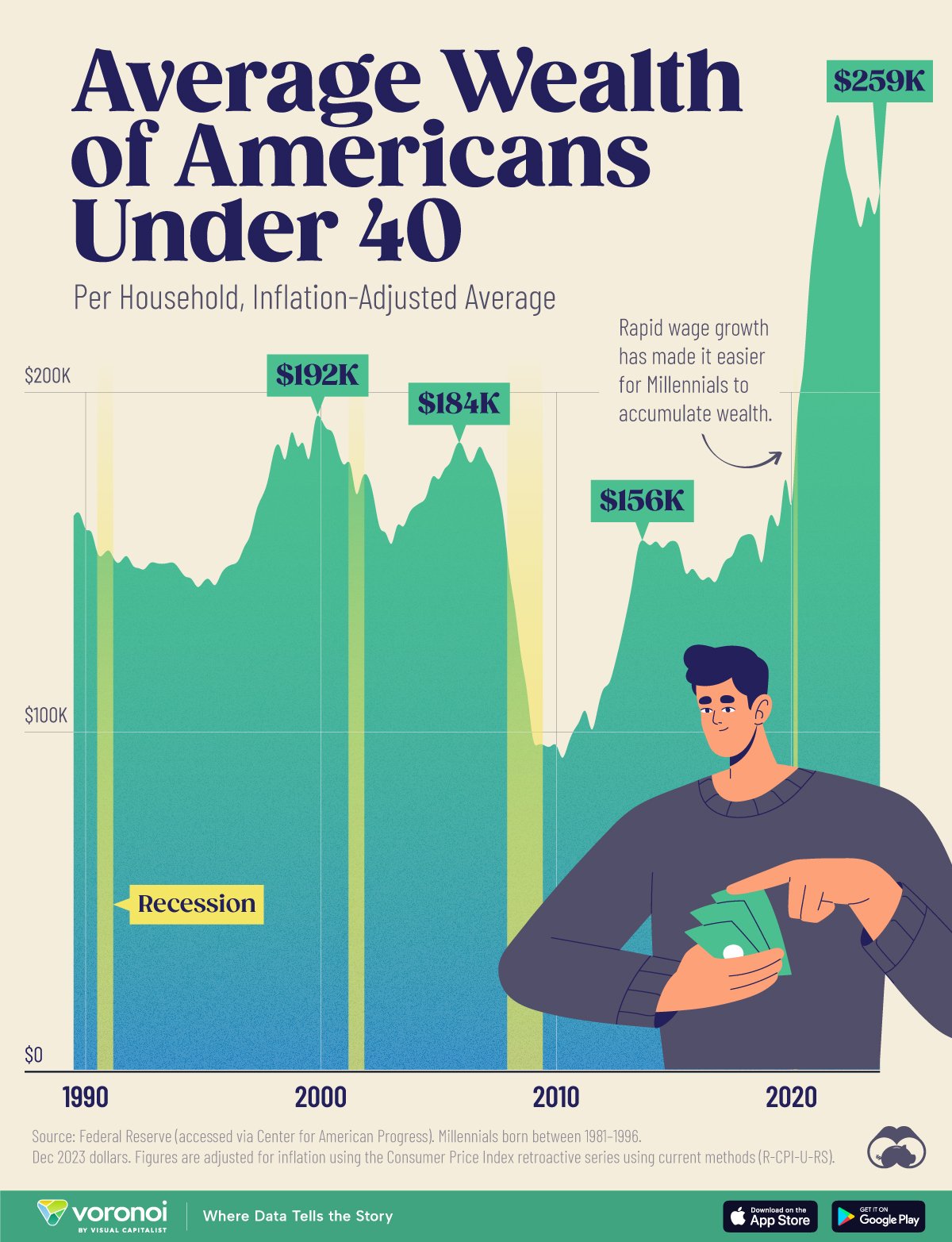
For many Americans, the difference between financial stability and ongoing stress is not always income alone. Increasingly, financial experts point to behavior patterns—especially long-term planning versus reactive decision-making—as a major factor in wealth accumulation. Current economic trends, rising living costs, market volatility, and changing work structures are exposing how preparation, consistency, and financial adaptability may influence wealth outcomes over time.
Why Financial Behavior Matters More Than Ever
The conversation around wealth in America often centers on salaries, inflation, housing prices, or investment returns. While those factors matter, another important divide is becoming more visible: the gap between people who actively plan for their financial future and those who primarily react to immediate circumstances.
This distinction does not necessarily separate wealthy households from lower-income households. In many cases, two individuals earning similar incomes can experience dramatically different financial outcomes over a decade. The difference often comes down to how money decisions are approached.
Planners tend to build systems around saving, investing, debt management, and long-term goals. Reactors, by contrast, are more likely to make financial decisions based on urgency, economic pressure, or short-term emotional responses.
Recent surveys from organizations like the Federal Reserve and Bankrate suggest many Americans remain financially vulnerable to unexpected expenses. A 2024 Bankrate emergency savings report found that a substantial portion of U.S. adults would struggle to cover a major unplanned cost without borrowing or reducing other expenses. At the same time, participation in retirement investing and automated savings programs continues to grow among higher-income households.
These patterns may be revealing something deeper than income inequality alone: a widening behavioral wealth gap.
The Difference Between Financial Planning and Financial Reacting
Financial planning is not simply about having a large investment portfolio or working with a financial advisor. In practical terms, planning often includes:
- Budgeting consistently
- Automating savings
- Managing debt strategically
- Investing regularly regardless of market conditions
- Preparing for emergencies
- Thinking in multi-year timelines
Reactive financial behavior usually appears differently:
- Spending based on current cash flow only
- Delaying retirement contributions
- Using credit for emergencies
- Making investment decisions emotionally
- Frequently changing financial goals
- Avoiding financial reviews until problems arise
Neither approach develops overnight. Financial behavior is often shaped by upbringing, financial education, job stability, healthcare costs, and economic pressure. However, over time, small behavioral differences can compound significantly.
For example, someone contributing steadily to a retirement account during both strong and weak markets may benefit from long-term compounding. Another person waiting for “the perfect time” to invest may repeatedly miss opportunities due to fear or uncertainty.
Why Current Economic Conditions Are Amplifying the Gap
The past several years have created an unusually challenging financial environment for American households. Inflation, higher interest rates, housing affordability issues, and economic uncertainty have forced many people to rethink how they manage money.
But these same conditions have also highlighted the advantages of preparation.
Emergency Savings Became a Major Divider
Households with emergency reserves often handled inflation and temporary disruptions more effectively than those relying heavily on debt.
A planner with six months of savings may have been able to absorb:
- Higher grocery costs
- Temporary layoffs
- Medical expenses
- Car repairs
- Rent increases
Meanwhile, reactive households often turned to:
- Credit cards
- Buy-now-pay-later services
- Retirement withdrawals
- Personal loans
The long-term cost difference can be substantial because high-interest debt compounds rapidly.
Rising Interest Rates Changed Consumer Behavior
When interest rates were historically low, many consumers became comfortable carrying debt. As borrowing costs increased, the impact became far more severe.
Financial planners often adjusted by:
- Paying down variable-rate debt earlier
- Refinancing strategically
- Reducing unnecessary borrowing
- Preserving cash flow flexibility
Reactive borrowers frequently encountered payment shock later, especially with credit cards and adjustable-rate loans.
Market Volatility Tested Investor Discipline
Market downturns frequently expose emotional investing habits.
Long-term planners often continue investing through volatility because their strategy is built around decades rather than months. Reactors may panic during downturns, sell investments, and re-enter markets later after recovery has already occurred.
Historically, missing even a handful of strong market recovery days can significantly reduce long-term investment returns.

The Quiet Power of Financial Systems
One major trend among financially stable households is the increasing use of automated systems.
Automation reduces reliance on motivation or emotional decision-making. Instead of deciding every month whether to save or invest, planners create processes that happen automatically.
Common examples include:
- Automatic retirement contributions
- Scheduled investment transfers
- Automatic bill payments
- High-yield savings transfers
- Debt payoff automation
These systems may appear simple, but they help reduce behavioral mistakes.
For example, a worker contributing automatically to a 401(k) through payroll deductions may accumulate wealth steadily without needing to actively think about investing every month.
By contrast, reactive financial management often depends on leftover money at the end of the month—which frequently disappears due to lifestyle spending or unexpected expenses.
How Lifestyle Inflation Shapes Long-Term Wealth
Another major contributor to the planner-reactor divide is lifestyle inflation.
As income rises, many Americans increase spending proportionally:
- Larger homes
- More expensive vehicles
- Subscription accumulation
- Luxury travel
- Higher dining expenses
Not all lifestyle upgrades are harmful. The issue emerges when income growth fails to translate into asset growth.
Financial planners often direct raises toward:
- Retirement accounts
- Brokerage investments
- Emergency funds
- Real estate equity
- Debt reduction
Reactors may absorb increased income into recurring expenses, creating a cycle where higher earnings do not necessarily improve long-term financial security.
This pattern helps explain why some high-income earners still experience financial stress despite substantial salaries.
The Role of Financial Education
Access to financial education remains uneven across the United States.
Many adults enter the workforce with limited understanding of:
- Compound interest
- Credit utilization
- Tax-advantaged accounts
- Investment diversification
- Insurance planning
- Long-term retirement needs
This knowledge gap often contributes to reactive decision-making because people lack confidence in complex financial environments.
At the same time, financial information has become more accessible than ever through:
- Employer retirement programs
- Online financial education platforms
- Podcasts and educational media
- Low-cost investment apps
- Public financial literacy initiatives
The challenge today is not only access to information but also filtering quality guidance from noise.
Trusted financial planning increasingly focuses on long-term fundamentals rather than rapid wealth promises.
Generational Differences Are Influencing Wealth Behavior
Current financial trends also reveal important generational distinctions.
Younger Americans Are More Focused on Flexibility
Many younger workers prioritize:
- Side income streams
- Remote work flexibility
- Portable careers
- Digital investing platforms
- Financial independence concepts
However, younger generations also face major barriers including:
- Student debt
- Housing affordability
- Wage pressure relative to living costs
As a result, some younger adults are simultaneously highly financially aware yet financially strained.

Older Americans Often Prioritize Stability
Many older households focus more heavily on:
- Retirement preservation
- Healthcare planning
- Fixed-income strategies
- Estate preparation
- Debt elimination
These differing priorities influence how each generation responds to economic uncertainty.
Why Emotional Decision-Making Often Becomes Expensive
One of the clearest patterns in personal finance is that emotional decisions frequently create long-term costs.
Common reactive decisions include:
- Selling investments during fear-driven downturns
- Overspending after income increases
- Delaying savings until “later”
- Ignoring debt until balances become overwhelming
- Chasing trending investments without research
Financial planners are not emotionless. Instead, they often create frameworks that reduce emotional influence during stressful periods.
For instance, someone with a diversified investment strategy and emergency savings may feel less pressure to make drastic decisions during market turbulence.
That emotional stability itself can become a financial advantage.
What Americans Are Searching for Most Right Now
Recent search trends suggest Americans are increasingly focused on practical financial resilience rather than aggressive wealth-building strategies.
Common financial questions include:
- How much emergency savings should I have?
- Is now a good time to invest?
- How do I reduce debt faster?
- What percentage of income should go to retirement?
- How can I prepare for economic uncertainty?
- What are the safest long-term financial habits?
This shift reflects a broader cultural movement toward stability, predictability, and financial preparedness.
Many households are becoming less interested in speculation and more interested in durable financial systems.
Small Behavioral Changes That May Matter Over Time
The wealth gap between planners and reactors is not necessarily closed through dramatic actions. More often, it narrows through consistent habits repeated over many years.
Examples include:
- Increasing retirement contributions by 1% annually
- Building a three-month emergency reserve
- Reviewing monthly expenses regularly
- Avoiding high-interest revolving debt
- Investing consistently during market volatility
- Maintaining insurance coverage appropriately
- Creating multi-year financial goals
These actions may not appear transformative immediately. However, compounded over decades, they often create significantly different financial outcomes.
How Employers and Technology Are Reshaping Wealth Building
Workplace benefits and financial technology are also influencing the planning-reactor divide.
Many employers now offer:
- Automatic retirement enrollment
- Financial wellness programs
- Health savings accounts
- Investment education
- Emergency savings tools
Meanwhile, financial apps have made budgeting and investing more accessible than previous generations experienced.
However, technology can also encourage reactive behavior through:
- Constant market monitoring
- Emotional trading
- Instant spending access
- Social-media-driven investing trends
The technology itself is neutral. Outcomes depend largely on how individuals use these tools.

Building Financial Resilience in an Uncertain Economy
Economic uncertainty is unlikely to disappear completely. Inflation cycles, labor market changes, and market volatility are normal parts of long-term economic systems.
The households that adapt most successfully are often those that build resilience before major disruptions occur.
That resilience may include:
- Diversified income sources
- Consistent investing habits
- Controlled fixed expenses
- Flexible budgeting
- Long-term planning frameworks
Importantly, financial planning is not reserved for wealthy households. Many effective financial behaviors can begin at modest income levels.
The key difference is often consistency rather than perfection.
The Long Horizon Advantage
Perhaps the biggest distinction between planners and reactors is time horizon.
Reactors often focus primarily on immediate pressures:
- This month’s bills
- Current market headlines
- Short-term spending decisions
- Temporary economic fears
Planners, meanwhile, tend to structure decisions around multi-year outcomes.
That longer perspective changes behavior significantly. It encourages patience, diversification, and preparation instead of constant financial improvisation.
Over time, that mindset difference may become one of the strongest predictors of financial stability.
FAQ: Wealth Building, Financial Planning, and Behavioral Trends
What is the difference between a financial planner mindset and a reactive mindset?
A planner mindset focuses on long-term systems, preparation, and consistent habits, while a reactive mindset responds primarily to immediate financial situations or emotional triggers.
Can people with average incomes still build long-term wealth?
Yes. Consistent saving, investing, debt management, and controlled spending habits can significantly improve long-term financial outcomes even without exceptionally high income.
Why do emergency savings matter so much?
Emergency savings reduce dependence on debt during unexpected events like layoffs, medical expenses, or major repairs.
How much should Americans ideally save for emergencies?
Many financial experts recommend three to six months of essential living expenses, though exact needs vary by household.
Does investing during market downturns actually help?
Historically, long-term investors who continue investing during downturns often benefit from lower purchase prices and eventual market recoveries.
What is lifestyle inflation?
Lifestyle inflation occurs when spending rises alongside income growth, limiting the ability to build long-term assets.
Are younger Americans financially behind older generations?
Younger adults face different economic pressures, including housing costs and student debt, but many are also highly engaged with financial planning tools and investing education.
Why do emotional financial decisions become costly?
Fear, panic, and impulsive spending can lead to missed investment opportunities, unnecessary debt, and poor long-term planning outcomes.
Is automation helpful for personal finance?
Yes. Automating savings, investing, and bill payments can reduce missed contributions and improve financial consistency.
What is one of the most overlooked wealth-building habits?
Long-term consistency. Small financial habits maintained over decades often produce stronger results than short-term aggressive strategies.
Reading the Signals Beneath the Numbers
The widening gap between financial planners and financial reactors may reveal more than differences in income or investment returns. It reflects how preparation, emotional discipline, long-term thinking, and financial systems shape outcomes over time.
Current economic trends are exposing both vulnerabilities and opportunities. While no strategy eliminates uncertainty entirely, households that develop structured financial habits often gain greater flexibility, resilience, and confidence during changing economic conditions.
In many cases, wealth building is less about dramatic breakthroughs and more about reducing costly reactions while steadily improving financial stability year after year.
Key Insights Worth Remembering
- Financial behavior often compounds over time
- Emergency savings reduce long-term financial fragility
- Emotional investing can become expensive
- Automation supports consistency
- Lifestyle inflation limits asset growth
- Long-term thinking frequently improves financial resilience
- Small financial habits may create major future differences
- Economic uncertainty rewards preparation more than prediction