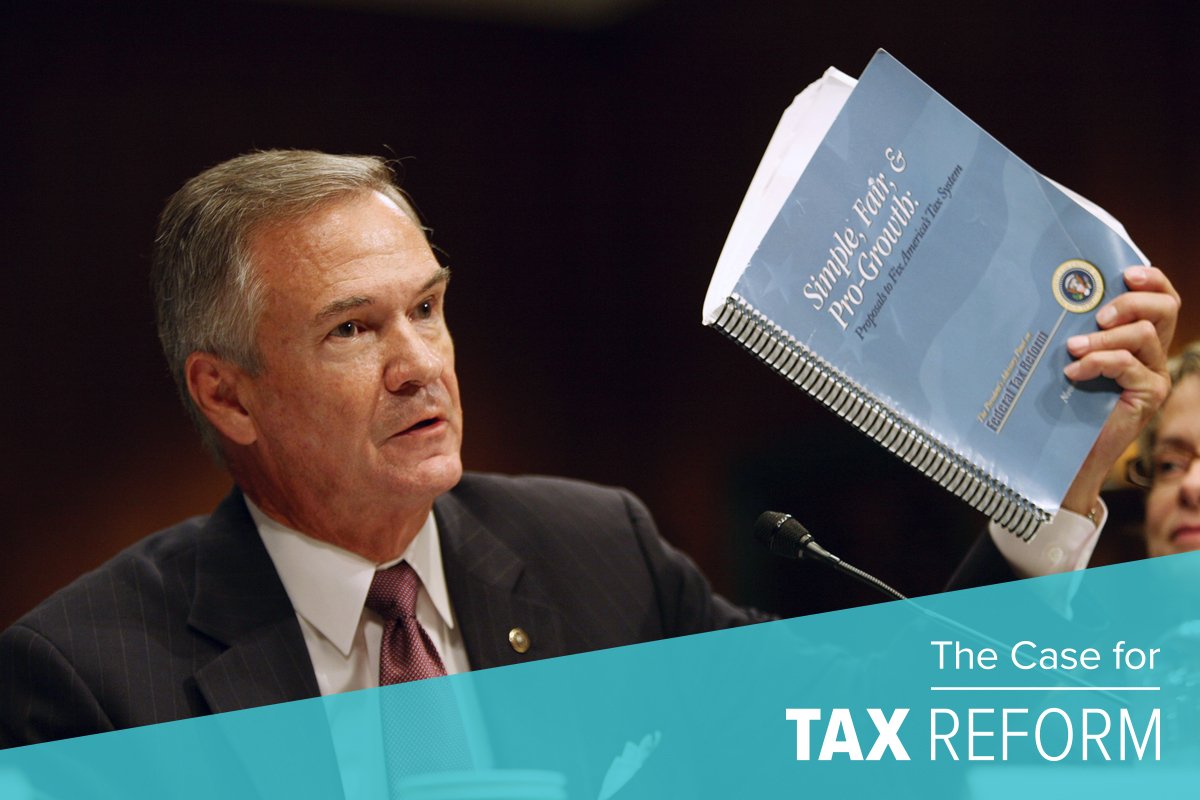
For many Americans, tax policy is no longer just about annual refunds or filing deadlines. Recent debates around corporate taxes, household credits, federal deficits, and public investment reflect broader questions about how the government plans to fund economic growth in the years ahead. Shifting tax priorities may influence everything from infrastructure spending and business investment to household purchasing power, labor markets, and long-term fiscal stability.
Why Tax Policy Is Becoming Central to Economic Planning
Tax policy has always shaped economic behavior, but in recent years it has become increasingly connected to broader discussions about inflation, government debt, industrial policy, and long-term competitiveness. Policymakers are now using tax proposals not only to raise revenue, but also to encourage domestic manufacturing, support families, stimulate clean energy investment, and manage federal spending obligations.
In the United States, federal tax revenue historically averages around 16% to 19% of GDP, while federal spending often exceeds that level during periods of economic stress or large-scale investment initiatives. According to data from the Congressional Budget Office and the U.S. Department of the Treasury, deficits have remained elevated in recent years as lawmakers balance economic support programs, rising interest costs, and infrastructure investments.
This evolving landscape has made tax reform one of the most closely watched policy areas among economists, businesses, investors, and households alike.
The Shift From Short-Term Relief to Strategic Tax Planning
Over the past two decades, many federal tax adjustments were designed primarily to stimulate short-term economic activity. Temporary tax cuts, rebate checks, and targeted incentives often aimed to boost consumer spending during recessions or periods of weak growth.
Today, however, many proposals focus on longer-term structural goals, including:
- Expanding domestic manufacturing
- Encouraging energy transition projects
- Supporting workforce participation
- Reducing income inequality
- Managing long-term debt obligations
- Modernizing infrastructure
- Strengthening global competitiveness
This transition reflects a broader shift in economic thinking. Rather than relying exclusively on monetary policy or emergency spending, lawmakers increasingly view the tax code as a strategic economic tool.
For example, clean energy tax incentives included in recent federal legislation have encouraged companies to expand battery production, semiconductor manufacturing, and renewable energy infrastructure within the United States. Businesses often respond strongly to predictable long-term tax incentives because they reduce uncertainty around capital investment decisions.
What Americans Are Asking About Tax Reform
Many households are trying to understand how federal tax changes may affect everyday financial decisions. Common questions include:
Will future tax policy increase federal spending?
In many cases, yes. Tax incentives are frequently tied to broader spending priorities. Credits for clean energy, healthcare expansion, child benefits, or infrastructure development often require sustained federal funding or reduced tax collections in the near term.
However, policymakers may also attempt to offset those costs through:
- Higher corporate taxes
- Changes to capital gains taxation
- International tax reforms
- Increased IRS enforcement
- Reductions in other federal expenditures
The balance between tax reductions and spending commitments remains one of the central fiscal debates in Washington.
Could higher taxes slow economic growth?
The answer depends heavily on how tax increases are structured. Economists generally distinguish between:
- Taxes that discourage investment or hiring
- Taxes that primarily affect passive wealth accumulation
- Taxes designed to fund productivity-enhancing investments
For example, moderate tax increases that fund infrastructure improvements or workforce training may support long-term growth even if they reduce some short-term private investment activity.
At the same time, overly aggressive tax increases could reduce business expansion, limit entrepreneurship, or discourage capital investment if companies perceive reduced after-tax returns.
Corporate Taxes and the Debate Over Competitiveness
Corporate taxation remains one of the most politically sensitive components of tax reform discussions. Supporters of higher corporate taxes argue that large corporations should contribute more toward federal programs and infrastructure that support economic activity.
Critics counter that higher corporate taxes may reduce international competitiveness, especially if multinational firms relocate profits or operations abroad.
The debate intensified following changes introduced under the Tax Cuts and Jobs Act of 2017, which significantly reduced the federal corporate tax rate from 35% to 21%.
Since then, policymakers have debated whether portions of those cuts should remain permanent, be partially reversed, or be replaced with new minimum tax structures targeting multinational corporations.
Several important trends are shaping this discussion:
- Increased global coordination on minimum corporate taxes
- Greater scrutiny of offshore profit shifting
- Rising public concern over wealth concentration
- Expanding industrial policy initiatives
- Growing federal interest expenses
Businesses are responding carefully because long-term tax predictability often matters as much as tax rates themselves.
A manufacturing company considering a $500 million domestic expansion, for example, may prioritize stable multi-year tax incentives over temporary one-year deductions.

How Tax Priorities Influence Household Finances
Tax reform discussions are often framed around corporations and federal budgets, but household finances remain deeply connected to these policies.
Changes in tax priorities can affect:
- Wage growth
- Housing affordability
- Healthcare costs
- Childcare expenses
- Retirement savings
- Small business formation
- Consumer purchasing power
For middle-income families, tax credits often play a particularly important role. Expanded child tax credits, earned income credits, and education deductions can materially affect annual household budgets.
Consider a household with two children earning $85,000 annually. Expanded family tax credits could increase disposable income enough to offset rising childcare or housing costs. Conversely, reductions in deductions or higher payroll-related taxes may reduce spending flexibility.
Small business owners are also paying close attention. Pass-through business taxation, depreciation rules, and healthcare-related tax provisions can significantly alter hiring and expansion decisions.
The Relationship Between Taxes and Federal Debt
One reason tax reform debates have intensified is the growing size of the federal debt. As interest rates have increased, federal borrowing costs have become a larger portion of annual government expenditures.
According to projections from the Congressional Budget Office, interest payments on federal debt are expected to consume a rising share of future budgets if deficits remain elevated.
This creates difficult policy trade-offs.
Lawmakers generally face three broad choices:
- Raise additional revenue
- Reduce spending
- Increase borrowing
In practice, most fiscal packages involve combinations of all three.
Tax policy therefore becomes more than a revenue tool. It becomes part of a larger debate about how aggressively the government should invest in economic growth versus how quickly it should stabilize long-term debt levels.
Some economists argue that strategic borrowing for productive investments can strengthen future growth. Others warn that persistent deficits could eventually crowd out private investment or reduce fiscal flexibility during future recessions.
Why Federal Spending Priorities Are Evolving
Tax changes often reveal which sectors policymakers believe deserve long-term investment support.
In recent years, federal incentives have increasingly targeted:
- Semiconductor manufacturing
- Clean energy production
- Electric vehicle supply chains
- Broadband infrastructure
- Advanced manufacturing
- Workforce development
- Healthcare access
These priorities reflect concerns about global supply chains, national security, labor shortages, and technological competition.
For example, semiconductor tax incentives emerged partly from concerns about overseas chip production concentration. Similarly, renewable energy tax credits reflect both climate goals and industrial competitiveness objectives.
This marks a shift from older tax models focused primarily on broad rate reductions.
Instead, policymakers are increasingly designing tax systems that direct capital toward specific strategic sectors.

What Investors and Businesses Are Watching Most Closely
Financial markets tend to react strongly to anticipated tax changes because taxes influence earnings, investment returns, and consumer demand.
Investors are particularly focused on:
- Capital gains tax proposals
- Corporate tax rates
- Federal deficit projections
- Infrastructure spending plans
- Inflation implications
- Treasury borrowing levels
For businesses, the most important issue is often predictability.
A company deciding whether to hire workers, build facilities, or invest in automation may delay decisions if future tax treatment remains uncertain.
For instance, uncertainty around renewable energy credits or depreciation schedules can complicate long-term capital planning.
Stable tax policy environments generally encourage more consistent private-sector investment behavior.
Could Tax Reform Reshape Economic Growth Over the Next Decade?
Potentially yes, especially if reforms influence productivity, labor participation, and capital allocation.
Several long-term outcomes may depend partly on tax design:
Areas where tax policy could support growth
- Infrastructure modernization
- Workforce participation incentives
- Research and development investment
- Domestic manufacturing expansion
- Energy sector innovation
- Small business formation
Areas where poorly designed policy could create challenges
- Reduced investment incentives
- Higher borrowing costs
- Excessive administrative complexity
- Reduced international competitiveness
- Slower entrepreneurial activity
The long-term effects depend less on headlines and more on policy execution, predictability, and economic conditions.
Historically, successful tax reforms have tended to combine simplicity, stability, and targeted economic incentives without creating excessive distortions.
Frequently Asked Questions
1. Why is tax reform such a major issue right now?
Rising federal debt, inflation concerns, industrial policy goals, and upcoming tax provision expirations have all increased attention on tax reform discussions.
2. Could federal tax changes affect inflation?
Yes. Tax policy can influence consumer demand, business investment, and government spending levels, all of which may affect inflation over time.
3. Are corporate taxes likely to increase?
Some policymakers support higher corporate tax rates or minimum tax structures, though future outcomes depend on congressional negotiations and economic conditions.
4. How do tax credits affect economic growth?
Targeted tax credits can encourage investment, hiring, manufacturing expansion, or consumer spending depending on how they are structured.
5. Why are deficits connected to tax policy?
Taxes determine government revenue levels. Lower revenue combined with high spending generally increases deficits and borrowing needs.
6. Could future reforms change retirement savings taxes?
Potentially. Retirement account contribution rules, required distributions, and investment tax treatment are periodically reviewed by lawmakers.
7. How do tax changes affect small businesses?
Tax rates, deductions, healthcare rules, and depreciation policies can directly influence hiring decisions, profitability, and expansion plans.
8. What industries currently receive major tax incentives?
Clean energy, semiconductor manufacturing, advanced technology, and infrastructure-related industries currently receive significant federal support.
9. Why do investors care about tax reform?
Taxes affect corporate earnings, consumer spending, capital gains, bond markets, and overall economic growth expectations.
10. Could future tax policy become more targeted?
Yes. Many recent proposals focus on incentivizing specific industries, workforce goals, or strategic economic priorities rather than broad tax reductions alone.
How Tax Priorities May Shape the Economic Conversation Ahead
Tax policy debates increasingly reflect broader questions about the role of government in guiding economic growth, funding national priorities, and balancing fiscal sustainability.
For households, the effects may appear gradually through wages, tax credits, healthcare costs, and consumer prices. For businesses and investors, the impact may emerge through investment incentives, borrowing conditions, and long-term planning decisions.
What matters most is not simply whether taxes rise or fall, but how effectively policy aligns revenue collection with productive economic investment. The next phase of tax reform discussions will likely focus less on temporary relief and more on long-term competitiveness, fiscal durability, and strategic growth planning.
Key Signals Worth Watching in the Months Ahead
- Expiration timelines for existing federal tax provisions
- Corporate minimum tax negotiations
- Federal deficit and debt projections
- Infrastructure and manufacturing incentive extensions
- Capital gains tax discussions
- IRS enforcement and compliance modernization
- Treasury borrowing trends
- Labor market participation incentives
- Clean energy investment policies
- Small business tax treatment proposals