Tax reform has re-emerged as a major economic and political issue as lawmakers debate expiring provisions, corporate competitiveness, consumer affordability, and federal revenue needs ahead of 2026. Businesses, investors, and households are watching closely because potential policy changes could affect spending, hiring, investment planning, deductions, and long-term financial strategies. Understanding the direction of tax reform may help Americans make more informed economic decisions.
Why Tax Reform Has Returned to the National Conversation
Tax policy rarely stays out of public debate for long, but the renewed attention around tax reform heading into 2026 reflects a unique combination of economic pressure, political timing, and fiscal reality. Several major provisions from the 2017 Tax Cuts and Jobs Act (TCJA) are scheduled to expire after 2025 unless Congress acts. That alone has pushed taxes back into headlines, boardrooms, and household financial planning conversations across the United States.
For businesses, the discussion is about more than tax rates. Companies are evaluating whether future policy changes could affect investment incentives, labor costs, supply chain decisions, and long-term growth planning. For consumers, questions about personal income taxes, deductions, retirement savings, healthcare costs, and inflation-adjusted brackets are becoming increasingly relevant.
At the same time, lawmakers are facing mounting concerns about federal deficits, economic competitiveness, and income inequality. According to projections from the Congressional Budget Office, federal debt relative to GDP is expected to continue rising over the coming decades if spending and revenue patterns remain unchanged. That fiscal backdrop is making tax reform discussions more urgent and more politically sensitive.
The result is an environment where tax policy is no longer viewed as a niche legislative issue. Instead, it is increasingly connected to everyday economic decisions for employers, workers, investors, and consumers alike.
The 2026 Deadline That Is Driving Attention
Much of today’s tax reform conversation centers on provisions scheduled to sunset after December 31, 2025. Many of the individual tax cuts enacted in 2017 were temporary under congressional budget rules, while several corporate provisions were made permanent.
If Congress does nothing, many taxpayers could see:
- Higher marginal income tax rates
- Reduced standard deductions
- Changes to child tax credits
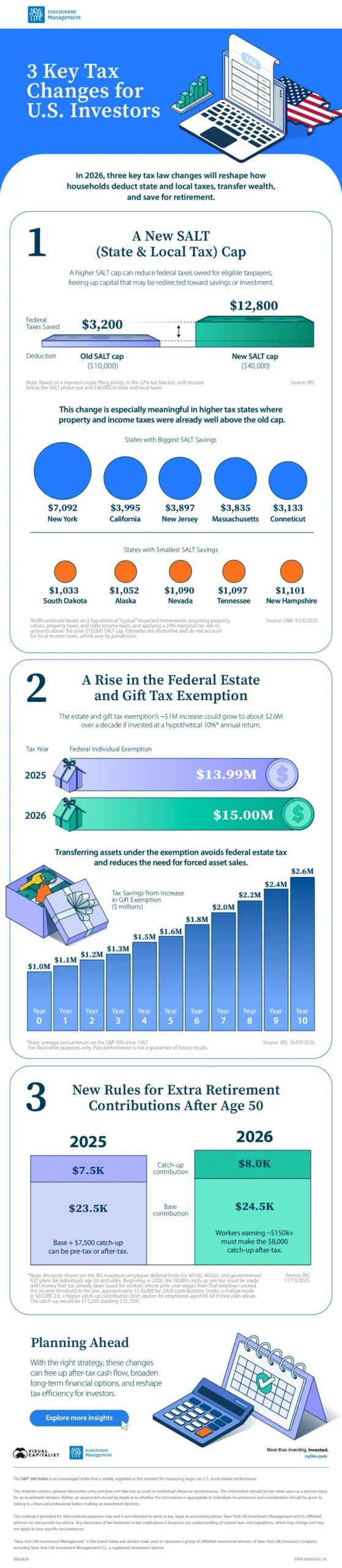
- Lower estate tax exemptions
- Adjustments to pass-through business deductions
- Modified limits on itemized deductions
For middle-income households, the exact impact would vary significantly depending on family size, state taxes, home ownership, and income level. Some taxpayers may experience modest changes, while others could face more noticeable increases in taxable income.
Businesses are paying equally close attention because uncertainty itself can influence behavior. Companies often delay major hiring, expansion, or capital investment decisions when future tax obligations are unclear.
This uncertainty is particularly important for:
- Small businesses structured as LLCs or S-corporations
- Real estate investors
- Manufacturing firms
- Technology startups
- Family-owned businesses planning succession strategies
Even companies with strong balance sheets may postpone long-term commitments until there is greater clarity around future tax policy.
Why Businesses Care About Tax Reform Beyond Tax Rates
One common misconception is that tax reform debates revolve entirely around whether taxes will go up or down. In practice, businesses often focus more heavily on predictability, investment incentives, and regulatory complexity.
A manufacturer deciding whether to build a new facility in Ohio or Texas, for example, may care just as much about depreciation rules and research incentives as about headline corporate tax rates.
Several policy areas are receiving heightened attention heading into 2026:
Capital Investment Incentives
Businesses frequently rely on bonus depreciation and immediate expensing provisions when purchasing equipment, machinery, or technology infrastructure. Changes to these rules could influence how aggressively companies invest.
A logistics company replacing delivery vehicles, for instance, may accelerate purchases before less favorable depreciation schedules take effect.
Research and Development Deductions
Technology firms, pharmaceutical companies, and engineering businesses are especially focused on the tax treatment of research expenses. Over the past several years, changes requiring companies to amortize R&D expenses instead of deducting them immediately have drawn criticism from many business groups.
For startups operating on tight margins, timing differences in deductions can significantly affect cash flow.
Pass-Through Business Treatment
Millions of American small businesses do not pay corporate income taxes directly. Instead, profits pass through to owners’ individual tax returns. The future of the Qualified Business Income deduction remains a major issue for entrepreneurs, consultants, contractors, and family businesses.
A regional construction company employing 40 workers, for example, could face materially different tax obligations depending on how pass-through deductions evolve.
How Consumers Could Adjust Financial Decisions
Consumers are also beginning to think more carefully about how potential tax changes could affect financial planning decisions in 2026 and beyond.
Many households are already reassessing:
- Retirement contribution strategies
- Home buying timelines
- Charitable giving plans
- College savings approaches
- Investment allocation decisions
Financial advisors often recommend focusing on flexibility rather than reacting prematurely to speculative policy outcomes. However, awareness of potential changes can still help households avoid rushed decisions later.
For example, some higher-income earners are evaluating whether Roth IRA conversions may become more attractive under current tax rates. Others are reconsidering itemized deductions if deduction limits change after 2025.
Homeowners in high-tax states remain especially attentive to discussions surrounding the State and Local Tax (SALT) deduction cap. The current cap has affected taxpayers differently depending on geography, property values, and income levels.
Meanwhile, retirees are watching proposals related to Social Security taxation and retirement account distributions. Even modest adjustments to tax treatment can influence long-term retirement income planning.
Inflation, Consumer Spending, and Tax Policy
Tax reform debates are also unfolding during a period of continued concern about affordability and consumer resilience.
Although inflation has moderated compared to its peak levels in recent years, many Americans still face elevated housing, insurance, healthcare, and food costs. Policymakers are therefore under pressure to design tax policy that balances revenue generation with economic growth and consumer spending stability.
Economists remain divided on how aggressive tax changes could affect inflation and growth. Some argue that reducing deficits may ease long-term inflationary pressure, while others believe certain tax increases could weaken consumer demand or business investment.
The reality is often more nuanced.
A targeted business investment incentive, for example, may stimulate hiring and productivity without significantly affecting inflation. Conversely, broad-based tax increases during periods of slower growth could potentially reduce consumer spending momentum.
This complexity explains why tax reform discussions rarely produce simple consensus solutions.
The Political Reality Behind Tax Reform
Tax reform is not simply an economic issue; it is deeply political. Competing priorities make comprehensive reform difficult even when both parties acknowledge the need for change.
Key areas of disagreement often include:
- Corporate tax rates
- Wealth taxation
- International tax policy
- Energy incentives
- Estate taxes
- Deficit reduction priorities
- Tax treatment of investment income
Businesses and investors understand that legislative outcomes frequently involve compromise rather than sweeping ideological victories.
Historically, major tax reforms have often emerged only when policymakers face a combination of economic urgency, bipartisan negotiation pressure, and looming deadlines. The 2025 expiration window may create exactly that type of environment.
However, partial extensions and temporary compromises are also possible. Businesses are therefore preparing for multiple scenarios rather than relying on a single prediction.
What Small Businesses Should Be Watching Closely
Small business owners may face some of the most direct operational impacts from future tax changes because they often have fewer resources for rapid financial restructuring.
Areas worth monitoring include:
Cash Flow Planning
Potential changes to deductions and expense timing could affect quarterly tax obligations and working capital availability.
Hiring Decisions
Payroll taxes, healthcare-related incentives, and wage deductions can influence staffing strategies.
Equipment Purchases
Businesses considering large capital expenditures may evaluate whether accelerating purchases before potential rule changes makes financial sense.
Entity Structure Reviews
Some entrepreneurs are revisiting whether LLC, S-corp, or C-corp structures remain optimal under possible future tax frameworks.
A restaurant group expanding into new markets, for example, may delay opening additional locations until there is greater certainty around labor costs and tax treatment.

How Tax Reform Could Influence Investment Behavior
Investors are also watching tax reform discussions closely because changes to capital gains taxes, dividend taxation, and retirement account rules can alter portfolio strategies.
Even rumors of policy shifts can temporarily influence market behavior.
Potential areas of focus include:
- Long-term capital gains rates
- Corporate profitability expectations
- Municipal bond attractiveness
- Renewable energy incentives
- Real estate investment structures
Institutional investors often adapt gradually, but individual investors sometimes react emotionally to headlines. Financial planners generally caution against making abrupt portfolio changes based solely on political speculation.
Instead, many advisors recommend maintaining diversified portfolios while remaining aware of how tax efficiency may evolve.
The Broader Economic Question: Growth Versus Revenue
At the heart of many tax reform debates lies a longstanding economic question: how should policymakers balance economic growth with government revenue needs?
Supporters of lower taxes often argue that investment, entrepreneurship, and business expansion benefit from lighter tax burdens. Advocates for higher revenue collection may emphasize infrastructure funding, social programs, and long-term deficit management.
In practice, most modern tax systems attempt to balance both objectives simultaneously.
The challenge is that economic outcomes depend not only on tax rates themselves, but also on:
- Consumer confidence
- Global economic conditions
- Interest rates
- Labor productivity
- Technological innovation
- Demographic trends
As a result, tax reform rarely produces immediate or universally agreed-upon results.
Still, because taxes influence nearly every financial decision in the economy, even incremental changes can shape broader business and consumer behavior over time.

Frequently Asked Questions
Will taxes automatically increase in 2026?
Some individual tax provisions are scheduled to expire after 2025 unless Congress extends or modifies them. However, the final outcome will depend on future legislation.
What is the biggest tax issue businesses are watching right now?
Many businesses are focused on expiring deductions, depreciation rules, and the future of pass-through income treatment.
Could tax reform affect mortgage decisions?
Yes. Changes involving deductions, interest rates, or household disposable income could influence housing affordability and homeownership strategies.
Are small businesses more vulnerable to tax changes?
Often yes, because smaller firms may have less flexibility, fewer financial reserves, and limited access to advanced tax planning resources.
Why do investors care so much about tax reform?
Taxes can affect capital gains, dividend income, corporate earnings expectations, and investment incentives across multiple sectors.
Could Congress simply extend the current tax rules?
Yes. Lawmakers could extend some or all current provisions, either temporarily or permanently.
How does tax reform affect inflation?
Tax policy can influence spending, investment, and government deficits, all of which may indirectly affect inflationary trends.
Should consumers make financial changes now?
Most financial professionals recommend avoiding drastic decisions based purely on speculation while staying informed about potential developments.
Which industries are most sensitive to tax reform?
Manufacturing, real estate, technology, energy, healthcare, and small business sectors are often highly sensitive to tax policy changes.
Why is 2026 considered such an important year?
Because many temporary provisions from the 2017 tax legislation are currently scheduled to expire after 2025.
Reading the Signals Ahead
Tax reform discussions heading into 2026 are about far more than political talking points. They reflect broader concerns about economic growth, affordability, federal debt, competitiveness, and financial stability.
For businesses, the coming policy environment could influence investment timing, hiring strategies, and operational planning. For consumers, it may shape decisions involving savings, retirement, homeownership, and spending priorities.
While the exact outcome remains uncertain, one thing is clear: tax policy is once again becoming a central factor in how Americans think about financial planning and economic opportunity.
Rather than reacting emotionally to headlines, the most effective approach for both businesses and households may be steady preparation, informed decision-making, and long-term flexibility.
Key Signals Worth Following Over the Next Year
- Congressional negotiations surrounding expiring 2017 tax provisions
- Corporate investment and hiring trends
- Federal deficit and debt projections
- Changes to capital gains and business deductions
- Inflation and Federal Reserve policy developments
- Consumer spending resilience
- Small business confidence surveys
- Housing market affordability trends
- Retirement planning adjustments
- State-level tax policy responses