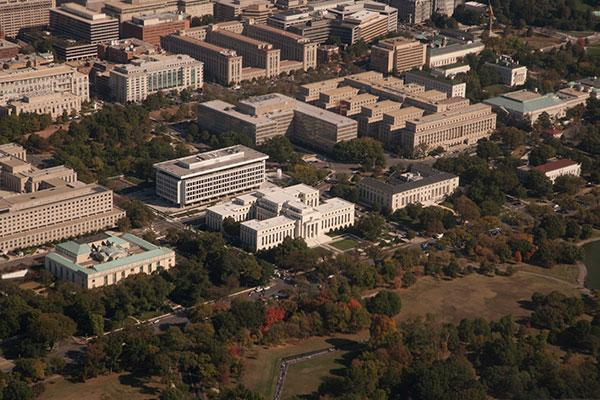
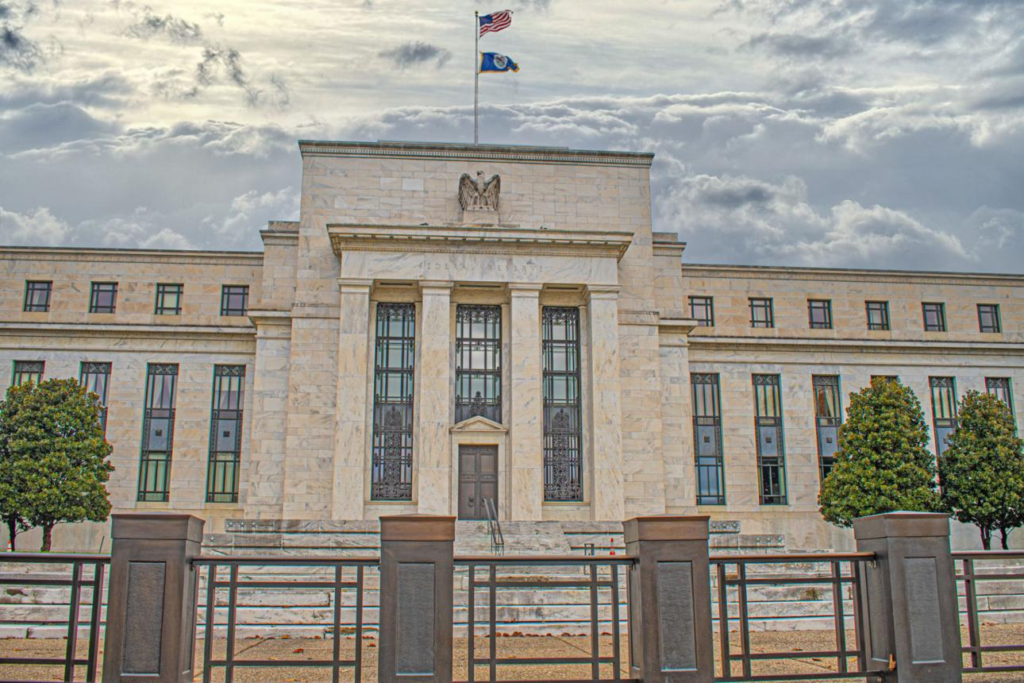
The Federal Reserve continues to play a central role in shaping borrowing costs, consumer confidence, housing activity, and business investment across the United States. This year, investors, homebuyers, and small business owners are paying especially close attention to interest rates, inflation trends, labor market conditions, and signals from policymakers as they assess how monetary policy may affect financial decisions in the months ahead.
Why the Federal Reserve Remains Central to the U.S. Economy
For many Americans, the Federal Reserve can feel distant and highly technical. Yet its decisions influence some of the most practical aspects of daily financial life: mortgage rates, credit card interest, business loans, savings yields, hiring activity, and stock market sentiment.
The Federal Reserve, often called “the Fed,” has two primary responsibilities under its dual mandate:
- Maintaining stable prices
- Supporting maximum employment
To pursue those goals, the Fed adjusts benchmark interest rates and manages broader monetary policy conditions. When inflation rises too quickly, the Fed may increase rates to cool economic activity. When growth slows sharply, it may reduce rates to encourage spending and investment.
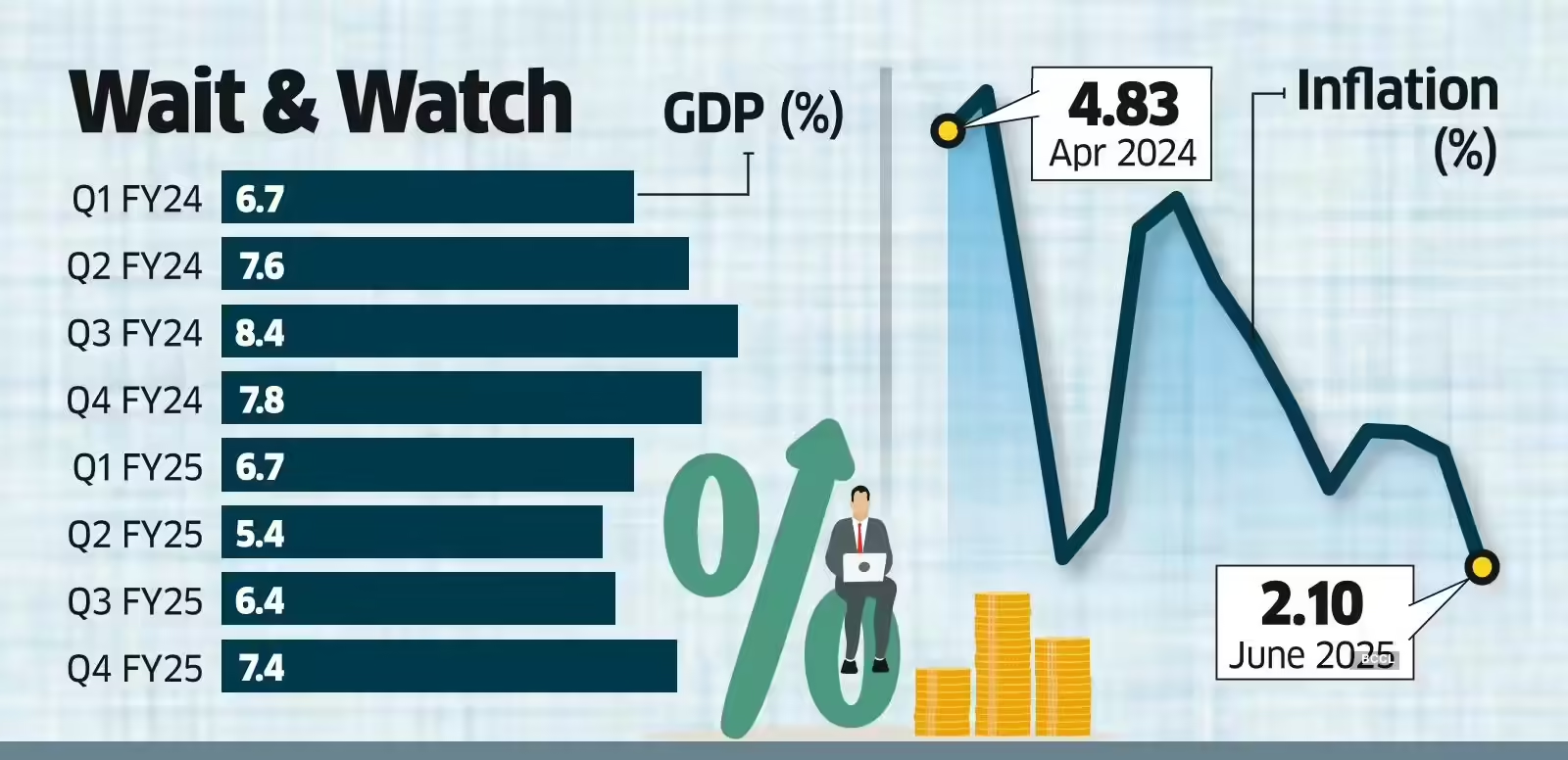
Over the past several years, Americans have experienced one of the fastest interest-rate tightening cycles in decades. That shift changed the financial environment for households and businesses alike. While inflation has moderated compared with its peak levels, many consumers still face elevated housing costs, expensive financing, and uncertainty about where rates may go next.
Why Investors Are Closely Monitoring Interest Rate Signals
Investors are watching the Federal Reserve carefully because interest rates affect nearly every major asset class.
When rates rise, borrowing becomes more expensive for businesses and consumers. Higher rates can reduce corporate profits, slow expansion plans, and pressure stock valuations. On the other hand, savers may benefit from stronger yields on certificates of deposit, money market funds, and Treasury securities.
Many investors are focusing less on whether rates move once and more on the broader trajectory of monetary policy.
Key questions dominating investor conversations include:
- Will inflation continue to cool steadily?
- How long will rates remain elevated?
- Could the economy slow enough to trigger rate cuts?
- Is the labor market weakening or stabilizing?
- How will commercial real estate and regional banking conditions evolve?
The answers matter because markets tend to react not only to actual rate changes but also to expectations about future policy.
For example, if investors believe the Fed may eventually reduce rates, stock markets often respond positively in anticipation of lower financing costs and stronger corporate earnings. Bond markets also shift rapidly based on changes in inflation expectations and economic forecasts.
Technology stocks, in particular, tend to be sensitive to interest-rate expectations because future earnings become less attractive when rates remain high. Meanwhile, defensive sectors such as utilities or consumer staples may attract more attention during periods of uncertainty.
What Homebuyers Are Watching Most Closely
For prospective homeowners, mortgage rates remain one of the most important financial variables in the economy.
Although the Federal Reserve does not directly set mortgage rates, its policies heavily influence the broader interest-rate environment. Mortgage rates often rise when investors expect tighter monetary policy and remain elevated when inflation concerns persist.
This has created a challenging housing environment across many U.S. markets.
In recent years, buyers have faced:
- Higher monthly mortgage payments
- Limited housing inventory
- Elevated home prices
- Increased competition in desirable areas
- Stricter lending standards
A buyer who could comfortably afford a home at a 3% mortgage rate may face significantly different affordability conditions at rates above 6% or 7%.
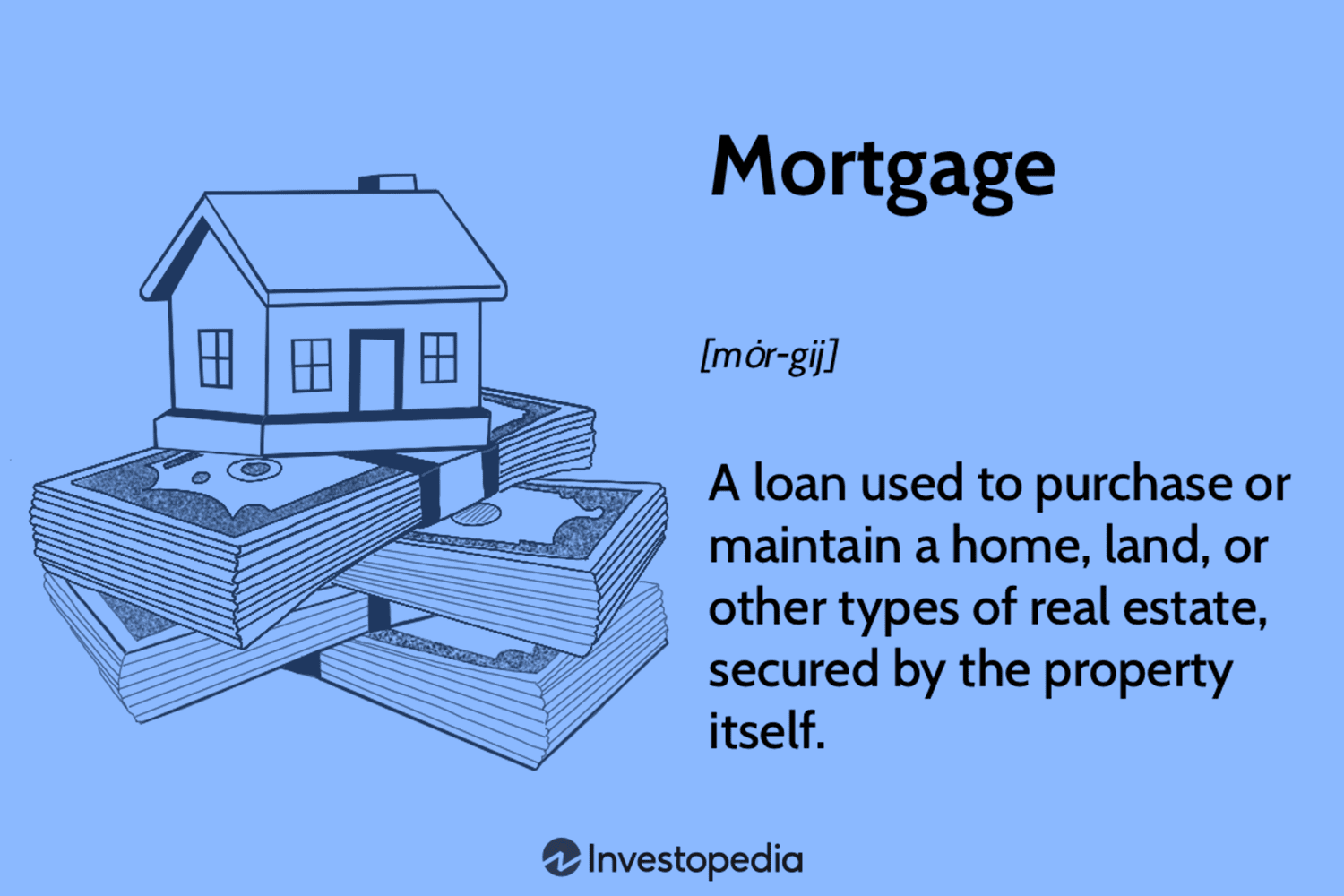
Consider a practical example. A family purchasing a $450,000 home with a traditional mortgage may pay hundreds more per month depending on prevailing interest rates. Over the life of the loan, the difference can amount to tens of thousands of dollars.
As a result, many buyers are asking practical questions such as:
- Should I wait for lower mortgage rates?
- Will home prices decline if rates stay high?
- Is refinancing later a realistic strategy?
- Are adjustable-rate mortgages worth considering?
- How competitive will the housing market become?
Real estate professionals increasingly note that many buyers are adapting rather than waiting indefinitely. Some households are choosing smaller homes, expanding their search radius, or increasing down payments to offset borrowing costs.
Meanwhile, current homeowners with historically low mortgage rates are often reluctant to sell, which continues to constrain inventory in many regions.
Small Businesses Are Paying Attention to Credit Conditions
Small businesses tend to feel the effects of monetary policy quickly because financing costs directly affect operations, expansion, and hiring.
When interest rates rise, business owners may encounter:
- More expensive equipment financing
- Higher commercial loan costs
- Reduced access to credit
- Increased operating expenses
- Slower consumer demand
A local restaurant considering a second location, for example, may delay expansion if financing costs become too high. Similarly, a construction company purchasing new equipment may rethink capital expenditures when loan payments rise substantially.
Small business owners are also closely watching banking conditions. Following periods of financial stress in regional banking sectors, many lenders tightened underwriting standards. Even financially healthy businesses may face stricter approval processes or less favorable loan terms.
At the same time, some industries continue to demonstrate resilience despite elevated rates.
Service-oriented businesses with strong local demand, recurring customer bases, and manageable debt levels may adapt more effectively than heavily leveraged industries. Companies focused on essential consumer needs often maintain steadier cash flow during periods of economic uncertainty.
Business owners are increasingly prioritizing:
- Cash flow management
- Debt reduction
- Flexible hiring strategies
- Inventory efficiency
- Long-term pricing discipline
Many are also reassessing growth timelines. Instead of aggressive expansion, some companies are choosing more measured investment strategies until borrowing conditions improve.
Inflation Remains a Major Focus Across Every Sector
Inflation continues to influence nearly every conversation surrounding the Federal Reserve.
Although inflation has cooled from its highest levels, Americans still experience elevated costs in categories such as housing, insurance, healthcare, and certain services. Consumers may notice that even if inflation slows, prices often remain significantly higher than they were several years ago.
The Federal Reserve watches inflation closely because persistent price increases can weaken purchasing power and destabilize long-term economic growth.
Several inflation-related factors remain under scrutiny this year:
- Wage growth trends
- Energy prices
- Housing and rental costs
- Consumer spending patterns
- Supply chain stability
- Global geopolitical risks
Investors and economists are especially focused on “core inflation,” which excludes volatile food and energy prices and may provide a clearer picture of underlying price pressures.
If inflation declines steadily, the Fed may eventually have greater flexibility to ease policy. However, if inflation proves stubborn, rates could remain elevated longer than many consumers expect.

Labor Market Data Could Shape Policy Decisions
Employment conditions remain another critical factor influencing Federal Reserve policy.
A strong labor market can support consumer spending and economic growth, but it may also contribute to inflationary pressure if wages rise too quickly relative to productivity.
This creates a delicate balancing act.
The Federal Reserve must monitor whether the economy is cooling gradually or slowing too sharply. A sudden rise in unemployment could increase recession concerns, while continued labor shortages in some industries may keep wage pressures elevated.
Americans are watching indicators such as:
- Monthly job creation
- Unemployment rates
- Wage growth
- Labor force participation
- Hiring trends across industries
The healthcare, hospitality, technology, and manufacturing sectors are all receiving attention for different reasons. Some industries continue to face worker shortages, while others have implemented cost-cutting measures or slower hiring plans.
For consumers, labor market stability often matters just as much as interest rates. Even if borrowing costs remain elevated, households may continue spending if employment conditions stay relatively healthy.
How Federal Reserve Communication Influences Markets
One of the most important developments in modern monetary policy is how carefully markets analyze Federal Reserve communication itself.
Investors now pay close attention not only to policy decisions but also to:
- Press conferences
- Meeting statements
- Economic projections
- Speeches from Fed officials
- Comments about future risks
Financial markets can react sharply to subtle changes in tone or wording.
For example, if policymakers suggest inflation risks are easing, markets may interpret that as a signal that future rate cuts are becoming more likely. Conversely, warnings about persistent inflation may lead investors to expect higher rates for longer.
This emphasis on communication reflects how expectations shape economic behavior. Businesses, lenders, consumers, and investors all make decisions partly based on what they believe the Federal Reserve may do next.
Questions Americans Are Asking About the Economy This Year
Many Americans are not simply looking for technical explanations of monetary policy. They want practical guidance about how economic conditions may affect real financial decisions.
Common questions include:
Will mortgage rates go down soon?
Mortgage rates may fluctuate throughout the year depending on inflation, bond markets, and Federal Reserve expectations. While some moderation is possible, rates may remain higher than the unusually low levels seen during the early pandemic period.
Is now a bad time to buy a home?
That depends heavily on personal finances, local market conditions, long-term plans, and housing inventory. Buyers focused on long-term ownership may prioritize affordability and stability over trying to perfectly time rates.
Are savings accounts still offering strong yields?
Many banks and online financial institutions continue to offer higher yields compared with prior years because elevated interest rates tend to increase returns on savings products.
Could the economy enter a recession?
Economists remain divided. Some indicators suggest resilience, while others point to slowing growth. Much depends on inflation trends, consumer spending, and labor market conditions.
Why does the stock market react so strongly to Fed announcements?
Markets respond quickly because interest rates influence borrowing costs, corporate profits, investor sentiment, and future economic expectations.

FAQ
What does the Federal Reserve actually control?
The Federal Reserve primarily controls short-term benchmark interest rates and broader monetary policy tools that influence lending, inflation, and financial conditions.
Does the Fed directly set mortgage rates?
No. Mortgage rates are influenced by bond markets and investor expectations, though Federal Reserve policy strongly affects overall interest-rate conditions.
Why are investors so focused on inflation?
Inflation affects consumer purchasing power, business profitability, interest rates, and long-term economic stability.
How do higher interest rates affect small businesses?
Higher rates can increase borrowing costs, reduce expansion activity, and tighten access to financing.
Could savings rates decline if the Fed cuts rates?
Yes. Savings account yields often fall when benchmark interest rates decline.
Why do stock markets react immediately to Fed news?
Investors constantly adjust expectations about economic growth, inflation, and future corporate earnings based on Fed signals.
Is the housing market expected to cool further?
Conditions vary by region, but elevated borrowing costs and limited inventory continue shaping many local housing markets.
What economic reports does the Fed watch most closely?
The Fed closely monitors inflation data, employment reports, wage growth, consumer spending, and broader economic indicators.
How long can elevated rates remain in place?
That depends largely on inflation trends and broader economic conditions. Policymakers typically adjust rates gradually based on incoming data.
What matters more right now: inflation or unemployment?
Both matter significantly because the Federal Reserve operates under a dual mandate focused on price stability and maximum employment.
Watching the Signals Behind the Headlines
For investors, homebuyers, and business owners, understanding the Federal Reserve is ultimately less about predicting exact rate moves and more about recognizing how monetary policy shapes everyday financial conditions.
This year’s economic environment reflects a transition period. Inflation pressures have eased compared with prior peaks, yet borrowing costs remain elevated relative to recent history. Housing affordability continues to challenge many families, while businesses balance cautious growth with ongoing operational demands.
Rather than focusing solely on headlines, Americans are increasingly paying attention to broader economic signals: labor market strength, inflation persistence, credit conditions, and long-term financial stability. Those factors may ultimately prove more important than any single Federal Reserve meeting.
Key Economic Themes Americans Are Following This Year
- Interest rates remain central to borrowing, investing, and housing affordability
- Inflation progress continues to shape Federal Reserve decisions
- Mortgage costs remain elevated compared with recent years
- Small businesses are prioritizing cash flow and financing flexibility
- Investors are closely analyzing labor market and inflation data
- Financial markets react strongly to Federal Reserve communication
- Housing inventory shortages continue influencing home prices
- Savings products currently offer stronger yields than in prior low-rate periods