Federal Reserve statements influence borrowing costs, markets, and household finances, yet their meaning often extends beyond headline decisions. By understanding tone, wording shifts, and economic projections, investors and households can better anticipate policy direction. This guide explains how to interpret Fed communications, identify subtle signals, and apply those insights to real-world financial decisions in the United States.
Why Federal Reserve Statements Matter More Than They Appear
Every time the Federal Reserve releases a policy statement, markets respond almost instantly. But the most important signals are often not the rate decision itself—they are embedded in subtle changes in wording, tone, and projections.
For households, these signals shape mortgage rates, credit card interest, and job market conditions. For investors, they influence equity valuations, bond yields, and risk appetite. Understanding these communications is less about decoding jargon and more about recognizing patterns and context.
The Fed’s dual mandate—maximum employment and stable prices—means every statement reflects a balancing act between inflation control and economic growth. Even minor language adjustments can hint at major shifts ahead.
What Is Actually in a Federal Reserve Statement?
A standard Fed statement, typically released after Federal Open Market Committee (FOMC) meetings, includes several key elements:
- Current interest rate decision (federal funds rate)
- Economic assessment (growth, employment, inflation)
- Policy outlook (forward guidance)
- Risks and uncertainties
- Voting breakdown (occasionally)
While headlines focus on the rate decision, experienced readers look deeper—especially at forward guidance and economic characterization.
For example, a shift from “inflation remains elevated” to “inflation has eased somewhat” may signal growing confidence that price pressures are moderating.
The Power of Language: Small Words, Big Signals
Federal Reserve communication is intentionally precise. Even slight wording changes are deliberate.
Here are examples of language shifts and what they often imply:
- “Strong” vs. “Moderate” growth
Suggests whether the economy is overheating or stabilizing. - “Further tightening may be appropriate” vs. “will be appropriate”
Indicates uncertainty versus commitment to rate hikes. - “Closely monitoring data”
Signals a potential pause or pivot. - “Risks are balanced” vs. “risks are tilted”
Reflects concern about either inflation or recession.
In 2022–2023, for instance, the Fed gradually softened its language as inflation began to cool, well before actual rate cuts were discussed.
How Investors Interpret Federal Reserve Signals
Professional investors don’t just read statements—they compare them with previous ones to detect changes.
Key indicators investors focus on include:
- Changes in inflation language
- Adjustments in labor market descriptions
- Shifts in forward guidance
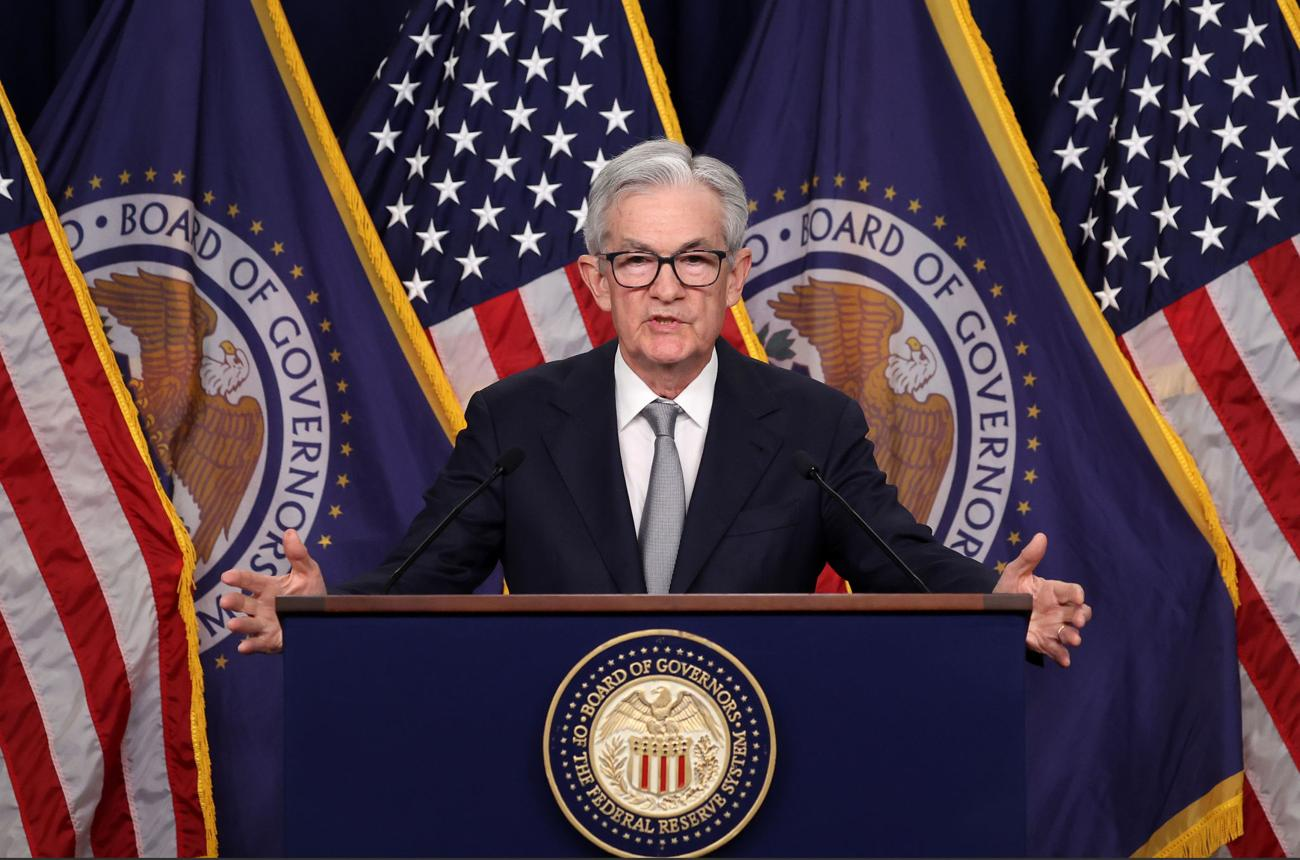
- Tone of the Fed Chair’s press conference
For example, if the Fed maintains rates but signals concern about slowing job growth, equity markets may react negatively while bond prices rise.
The Bureau of Labor Statistics and U.S. Department of Commerce data referenced in statements often provide context for these signals, particularly employment and GDP trends.
What Households Should Pay Attention To
While investors analyze every nuance, households can focus on a few practical signals that directly affect daily finances.
Watch these closely:
- Direction of interest rates (rising, pausing, or falling)
- Inflation commentary
- Employment outlook
- Housing and credit conditions
For example, when the Fed signals that rates may remain high “for longer,” it typically means:
- Mortgage rates may stay elevated
- Credit card APRs will remain high
- Auto loans become more expensive
Conversely, signals of easing inflation and slowing growth may indicate future rate cuts, which can lower borrowing costs.

Understanding the “Dot Plot” and Economic Projections
Alongside statements, the Fed releases projections—commonly known as the “dot plot.”
This chart shows where each Fed official expects interest rates to go over time.
While not a promise, it offers insight into internal thinking.
Key takeaways from projections:
- Median rate expectations (market anchor)
- Spread of opinions (uncertainty level)
- Inflation forecasts
- Unemployment projections
For instance, a wide spread in rate expectations suggests disagreement within the Fed, which can increase market volatility.
Real-World Example: How Interpretation Impacts Decisions
Consider a typical American household in 2024:
A couple planning to buy a home notices that the Fed statement includes language suggesting “inflation remains persistent” and “further tightening may be appropriate.”
Instead of rushing into a purchase, they delay, anticipating higher mortgage rates.
Months later, as the Fed shifts to “inflation is moderating” and signals a pause, mortgage rates stabilize—allowing them to secure a better deal.
Similarly, an investor might reduce exposure to growth stocks if the Fed signals prolonged high rates, since higher borrowing costs tend to compress valuations.
Common Misinterpretations to Avoid
Even seasoned readers can misread Federal Reserve signals.
Avoid these pitfalls:
- Assuming one statement defines long-term policy
- Ignoring economic data between meetings
- Overreacting to headlines instead of full context
- Misinterpreting cautious language as certainty
Fed communication is intentionally flexible. It reflects current conditions, not guaranteed future actions.
Why Timing Matters: Markets vs. Real Economy
Financial markets react immediately to Fed statements, but the real economy responds more slowly.
Interest rate changes typically take:
- 6–12 months to impact inflation
- Several quarters to affect employment
- Longer to influence housing markets
This lag is why Fed statements often emphasize “data dependency.” Policymakers must anticipate future conditions rather than react to current ones.
How to Read a Federal Reserve Statement Like a Pro
To build a reliable interpretation framework:
- Compare with previous statements
- Identify changes in tone or wording
- Cross-reference with economic data
- Listen to the Fed Chair’s press conference
- Watch market reactions—but don’t rely solely on them
Consistency is key. Over time, patterns become easier to recognize.

Frequently Asked Questions
1. What is the Federal Reserve and why does it matter?
The Federal Reserve is the U.S. central bank responsible for monetary policy, including interest rates and inflation control, which directly affect borrowing costs and economic stability.
2. How often does the Fed release statements?
Typically eight times a year after scheduled FOMC meetings.
3. What is forward guidance?
It is the Fed’s communication about future policy intentions, helping markets and the public anticipate changes.
4. Why do markets react so quickly?
Financial markets price in expectations instantly, adjusting based on new information from Fed statements.
5. What is the dot plot?
A chart showing individual Fed officials’ projections for future interest rates.
6. Do Fed statements directly affect mortgage rates?
Not directly, but they strongly influence them through broader interest rate expectations.
7. How can individuals use Fed signals?
By timing major financial decisions like loans, investments, and home purchases.
8. What does “data-dependent” mean?
It means future policy decisions will depend on incoming economic data.
9. Are Fed projections reliable?
They are informative but not guarantees, as conditions can change.
10. Where can I read official Fed statements?
On the Federal Reserve’s official website after each FOMC meeting.
The Subtle Art of Interpreting Monetary Signals
Reading Federal Reserve statements is less about decoding complexity and more about understanding intent. The most valuable insights come from observing what changes—not just what is said.
For investors, this means positioning ahead of policy shifts rather than reacting after them. For households, it means making informed decisions about borrowing, saving, and spending.
Over time, careful attention to these signals builds a clearer picture of where the economy—and your financial environment—is headed.
Key Insights at a Glance
- Federal Reserve language changes are intentional and meaningful
- Forward guidance often matters more than rate decisions
- Households should focus on borrowing costs and inflation trends
- Investors track tone shifts and projections closely
- Economic impact lags behind market reactions
- Consistent analysis improves interpretation accuracy