How Income Allocation Can Influence Long-Term Wealth Outcomes
Summary Income allocation—the way individuals divide their earnings between spending, saving, investing, and protection—plays a major role in long-term financial…

Your Daily Dose of U.S. Market News
Summary Income allocation—the way individuals divide their earnings between spending, saving, investing, and protection—plays a major role in long-term financial…
Summary Many experienced investors prioritize long-term market participation because financial markets historically reward patience, consistency, and disciplined investing. Rather than…
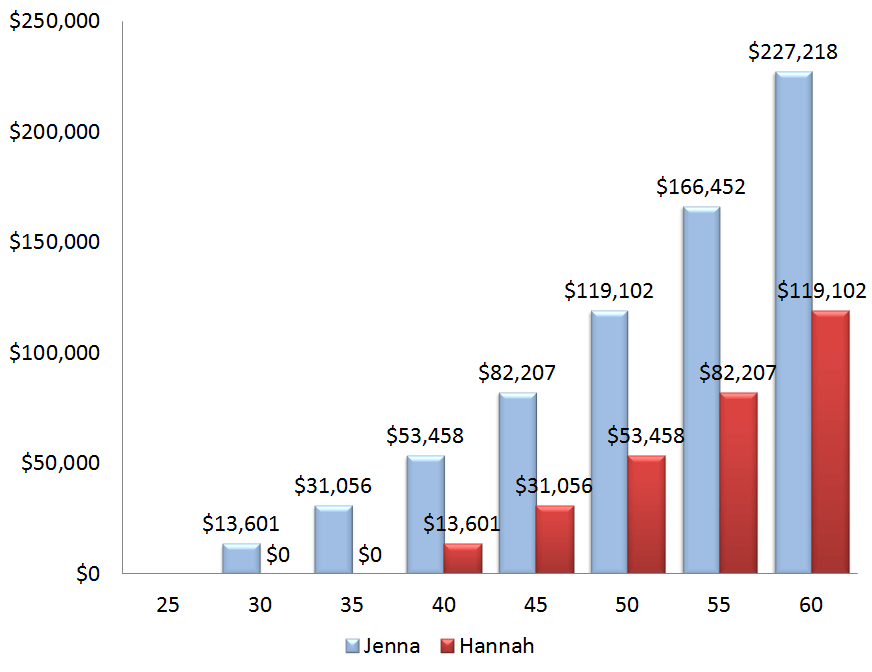
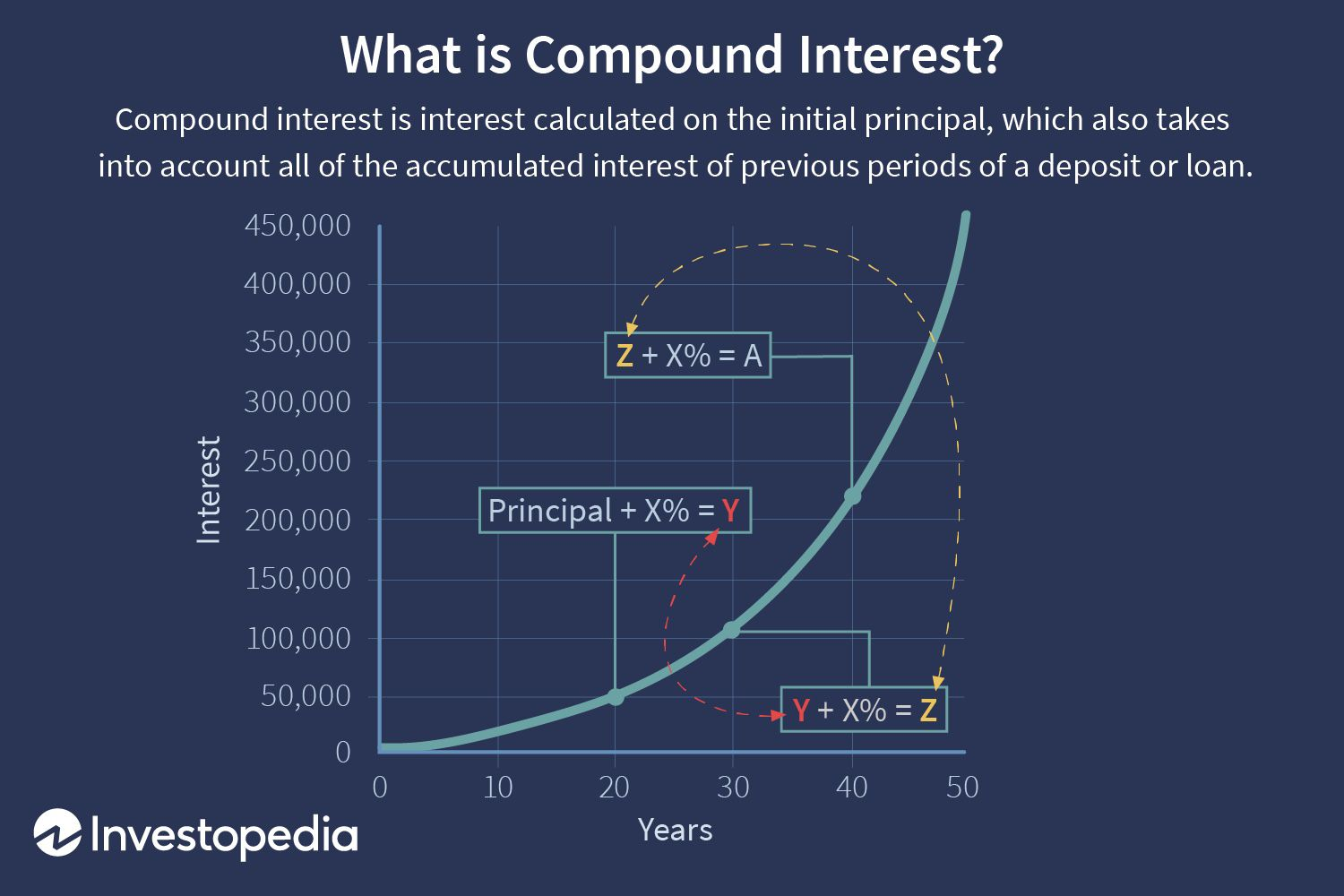
Summary Compounding is one of the most powerful mechanisms behind long-term wealth creation. By reinvesting earnings so that returns generate…
Summary Strategic saving is more than setting money aside—it’s a deliberate approach to building financial resilience, reducing stress, and creating…
Summary Many American households grow savings not through dramatic financial moves but through a structured framework built on budgeting, automated…
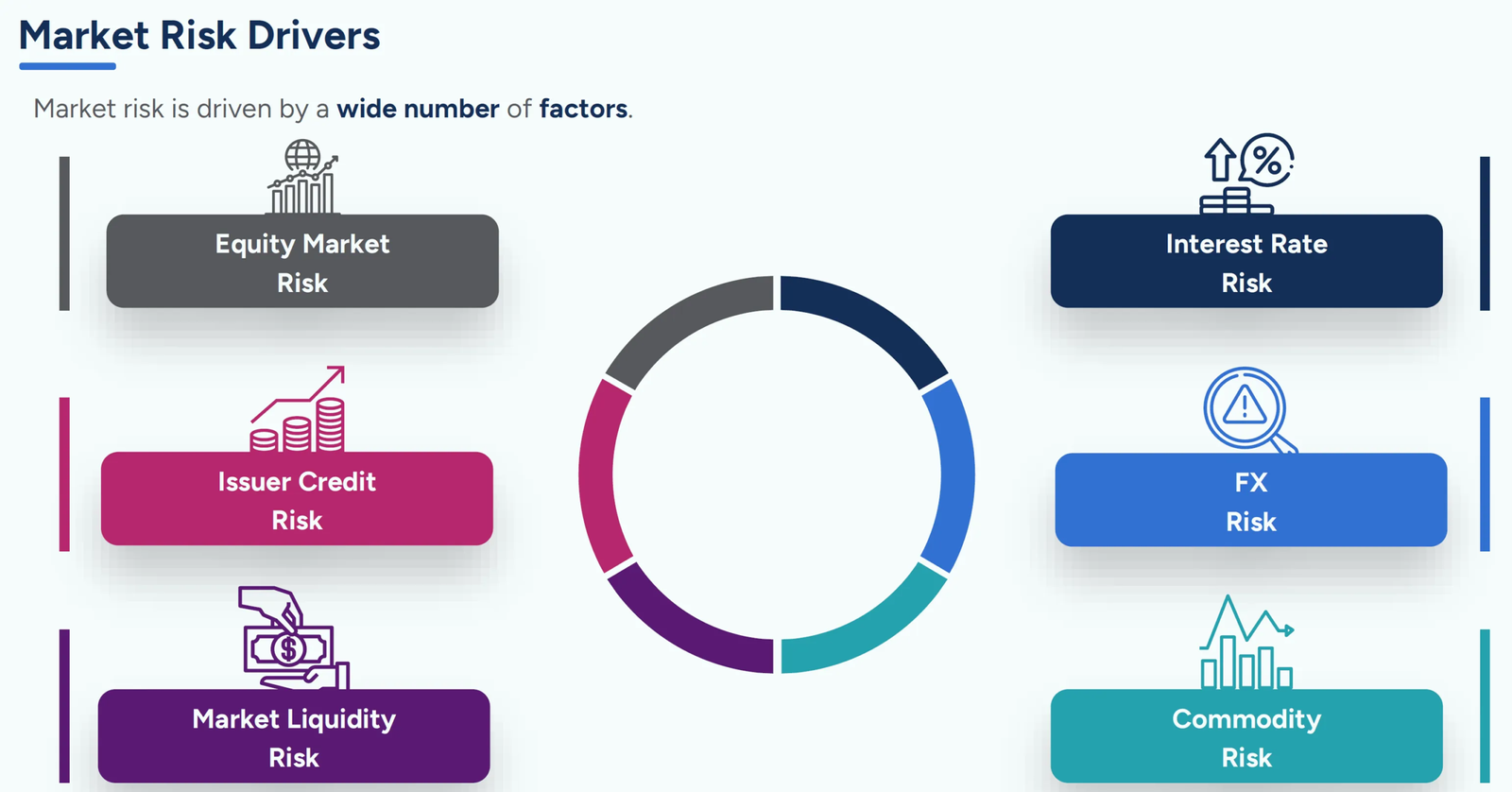
Summary Diversification is one of the most reliable ways to reduce financial risk and build long-term stability. By spreading investments…
Many Americans build wealth slowly using disciplined, often overlooked financial habits rather than dramatic investment moves. Research from institutions like…
Many Americans building wealth are not following dramatic investment tactics or chasing financial trends. Instead, they rely on steady habits…
Saving money consistently is less about income and more about behavior. People who build long-term financial security tend to follow…
Summary Long-term financial success is rarely about luck or income alone. Research consistently shows that mindset, habits, emotional control, and…