The Quiet Habits That Often Separate Wealth Builders From Everyone Else
Summary Wealth building rarely comes from dramatic financial moves. More often, it grows from consistent, understated habits practiced over many…

Your Daily Dose of U.S. Market News
Summary Wealth building rarely comes from dramatic financial moves. More often, it grows from consistent, understated habits practiced over many…
Summary Long-term wealth rarely comes from luck or short-term speculation. Experienced investors tend to follow a set of consistent principles:…
Summary Long-term financial planning provides the structure needed to gradually build wealth, manage risk, and work toward financial independence. By…
Summary Many Americans who quietly built wealth did so without speculation, sudden windfalls, or risky bets. Instead, they relied on…
Summary The U.S. Federal Reserve shapes interest rates, credit conditions, and financial stability through a structured decision-making process led by…
Summary Market history consistently shows that wealth is rarely built through sudden gains. Instead, long-term investors benefit from steady participation,…
Long-term investors rarely rely on luck. Instead, they build portfolios around time-tested strategies designed to grow wealth steadily while managing…
Summary Income allocation—the way individuals divide their earnings between spending, saving, investing, and protection—plays a major role in long-term financial…
Summary Many experienced investors prioritize long-term market participation because financial markets historically reward patience, consistency, and disciplined investing. Rather than…
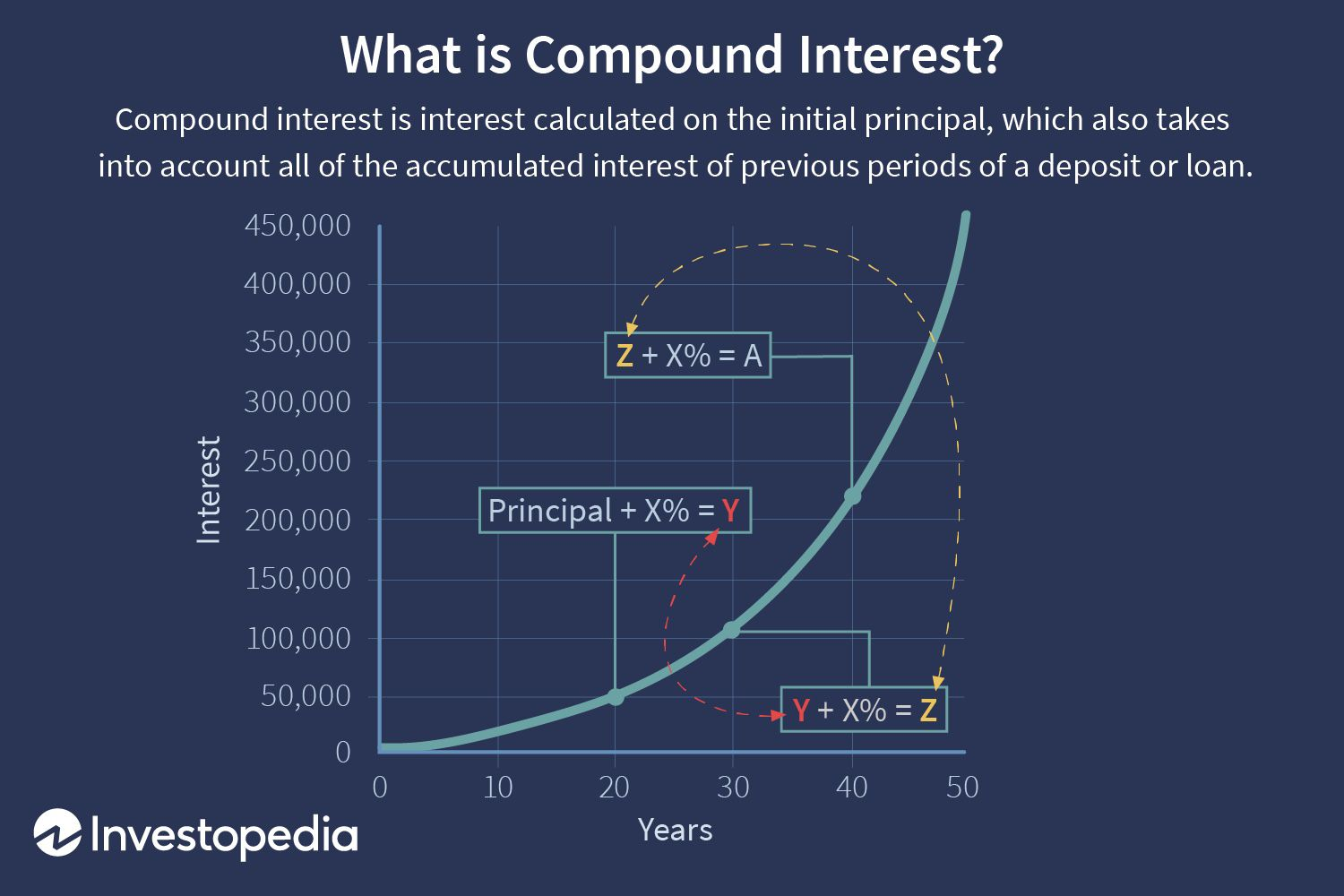
Summary Compounding is one of the most powerful mechanisms behind long-term wealth creation. By reinvesting earnings so that returns generate…