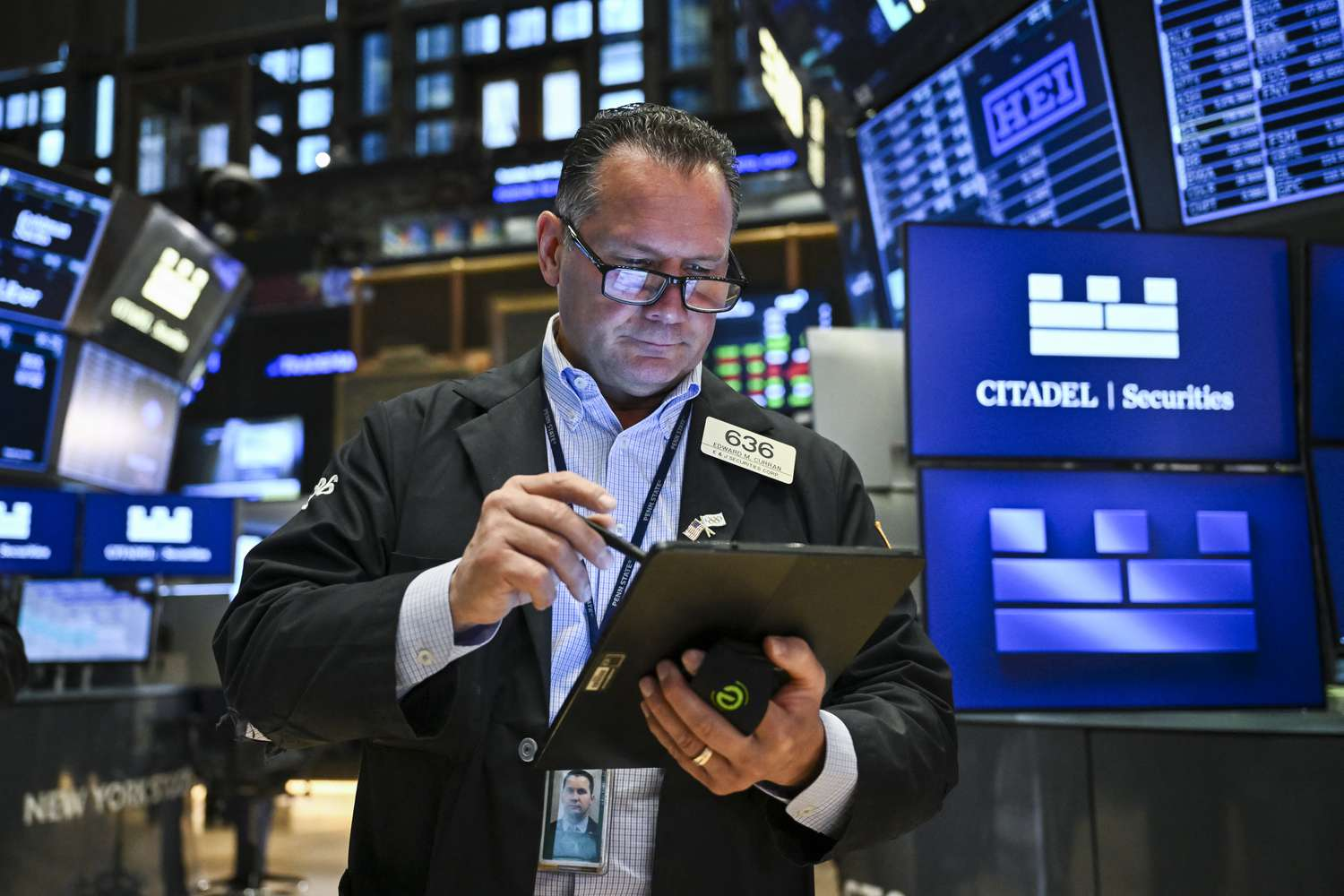
Market movers—ranging from interest rate decisions to commodity shifts and corporate earnings—shape the economic outlook in ways that extend far beyond daily headlines. Understanding these forces helps households and investors make informed financial decisions. This article explains how major market drivers interact, what signals matter most, and how Americans can interpret these changes in a practical, real-world context.
What Are “Market Movers,” and Why Do They Matter?
In financial media, the term “market movers” often refers to events, data releases, or trends that meaningfully influence asset prices. But for everyday Americans, these forces extend well beyond stock charts. They affect mortgage rates, job opportunities, retirement savings, and the cost of living.
At a high level, market movers fall into several categories: monetary policy decisions, inflation data, corporate earnings, geopolitical developments, and commodity price fluctuations. Each of these influences not just investor sentiment but also real economic behavior—how businesses hire, how consumers spend, and how lenders set rates.
For example, when the Federal Reserve raises interest rates, it’s not just a Wall Street story. It directly impacts auto loans, credit card interest, and housing affordability. Similarly, a spike in oil prices can ripple through transportation costs, food prices, and ultimately inflation.
Understanding these connections helps individuals move from reacting to headlines to interpreting what those headlines actually mean for their financial lives.
How Federal Reserve Policy Shapes Everything
The Federal Reserve remains one of the most influential market movers in the U.S. economy. Its decisions on interest rates and balance sheet policies influence borrowing costs across the entire financial system.
When the Fed raises rates to combat inflation, borrowing becomes more expensive. This tends to slow consumer spending and business investment, which can cool economic growth. Conversely, when the Fed lowers rates, it aims to stimulate borrowing and spending.
Recent data from the Bureau of Economic Analysis and Federal Reserve publications show that even small rate changes can have outsized effects. Mortgage rates, for instance, often move in anticipation of Fed decisions rather than after them.
What Americans often ask:
- Why do mortgage rates rise even before the Fed acts?
Because markets price in expectations. Lenders adjust rates based on where they believe policy is heading, not just current conditions.
Practical example:
A family considering buying a home may find that waiting for a “rate cut announcement” doesn’t guarantee lower mortgage rates. By the time the announcement arrives, rates may already reflect that expectation.
Inflation Data: The Signal Behind Policy Moves
Inflation is one of the most closely watched indicators because it directly influences Federal Reserve decisions and consumer purchasing power.
Key measures like the Consumer Price Index (CPI) and Personal Consumption Expenditures (PCE) index provide insight into how quickly prices are rising. Persistent inflation can lead to higher interest rates, while slowing inflation may signal policy easing ahead.
But not all inflation data carries equal weight. Markets often distinguish between:
- Headline inflation (includes volatile food and energy prices)
- Core inflation (excludes those categories for a clearer trend)
Why this matters in practice:
If gas prices spike temporarily, headline inflation may jump, but policymakers may focus more on core trends before adjusting policy.
Real-world impact:
A steady rise in core inflation often leads to tighter financial conditions—higher borrowing costs, stricter lending standards, and reduced discretionary spending.

Corporate Earnings: The Economy in Microcosm
Corporate earnings reports offer a ground-level view of economic conditions. They reveal how businesses are performing across sectors—from retail and technology to manufacturing and healthcare.
When companies report strong earnings, it often signals healthy consumer demand and efficient operations. Weak earnings, on the other hand, can indicate slowing demand or rising costs.
Earnings calls frequently provide forward-looking guidance, which markets treat as a key signal.
Common investor question:
- Why do stocks sometimes fall even when earnings are strong?
Because markets react to expectations. If investors anticipated even stronger results, a “good” report can still disappoint.
Example:
If a major retailer reports stable sales but warns of declining margins due to higher input costs, it may signal broader pressure on consumer spending and inflation trends.
Labor Market Trends: A Critical Economic Indicator
The labor market is another central market mover, often shaping both policy decisions and economic sentiment.
Key indicators include:
- Unemployment rate
- Job creation (nonfarm payrolls)
- Wage growth
- Labor force participation
A strong labor market typically supports consumer spending, which accounts for roughly 70% of U.S. GDP. However, excessively strong wage growth can contribute to inflation, prompting tighter monetary policy.
Balancing act:
Policymakers aim for a labor market that is strong but not overheating.
Practical takeaway:
For households, wage growth relative to inflation is what truly matters. If wages rise faster than prices, purchasing power improves. If not, real income declines—even if employment remains high.

Commodity Prices: The Hidden Driver of Daily Costs
Commodity markets—particularly oil, natural gas, and agricultural products—play a significant role in shaping inflation and economic expectations.
Oil prices are especially influential because they affect transportation, manufacturing, and logistics costs across the economy.
What makes commodities unique:
They are often driven by global supply and demand, geopolitical tensions, and weather conditions, making them less predictable than other market movers.
Example:
A disruption in global oil supply can lead to higher gasoline prices in the U.S., which reduces discretionary spending and shifts consumer behavior.
Financial Markets and Sentiment: The Feedback Loop
Markets are not just reactive; they also shape economic outcomes. Stock market performance influences consumer confidence and business investment decisions.
When markets perform well:
- Retirement portfolios grow
- Consumer confidence tends to rise
- Businesses are more likely to invest and hire
When markets decline:
- Households may reduce spending
- Companies may delay expansion
- Lending conditions may tighten
This creates a feedback loop where market sentiment influences real economic activity, which in turn influences markets again.
Geopolitical Events and Global Interconnections
In today’s interconnected world, global events can quickly become domestic market movers.
Trade policies, conflicts, and international economic conditions all influence U.S. markets. For example, supply chain disruptions during global crises have demonstrated how dependent domestic prices are on international stability.
Example:
A conflict affecting a major energy-producing region can drive up global oil prices, impacting U.S. inflation and consumer costs.
How to Interpret Market Movers Without Overreacting
For individuals, the challenge is not just understanding market movers—but knowing how to respond appropriately.
Here are practical guidelines:
- Focus on trends, not single data points
One inflation report or earnings release rarely tells the full story. - Understand the “why” behind the move
Ask what is driving the change—policy expectations, supply constraints, or demand shifts. - Align decisions with long-term goals
Short-term market reactions should not derail long-term financial planning. - Diversify exposure
Different asset classes respond differently to market movers. - Stay informed, not overwhelmed
Following credible sources helps filter signal from noise.
Frequently Asked Questions
1. What are the most important market movers right now?
Interest rates, inflation data, labor market conditions, and corporate earnings remain the most influential factors shaping the current economic outlook.
2. How do market movers affect everyday consumers?
They influence borrowing costs, job opportunities, wage growth, and the prices of goods and services.
3. Why do markets react before official data is released?
Markets are forward-looking and often price in expectations based on forecasts and prior trends.
4. How often should individuals track economic data?
Regularly, but not obsessively—weekly or monthly reviews of major indicators are typically sufficient.
5. Do market movers affect all sectors equally?
No. Different sectors respond differently depending on the nature of the market move.
6. Can individuals benefit from understanding market movers?
Yes. It helps in making informed decisions about investing, borrowing, and spending.
7. Why is inflation such a key focus?
Because it directly impacts purchasing power and influences central bank policy.
8. How do global events impact the U.S. economy?
Through supply chains, commodity prices, and financial market linkages.
9. Are market reactions always rational?
Not always. Short-term reactions can be driven by sentiment rather than fundamentals.
10. What’s the best way to stay informed?
Rely on credible sources such as government data releases, central bank communications, and established financial publications.
Reading the Signals That Shape Tomorrow
Understanding market movers is less about predicting every shift and more about interpreting patterns with clarity and discipline. The broader economic outlook is shaped by the interaction of policy, data, and human behavior—each influencing the other in measurable ways.
For households and investors alike, the advantage lies in recognizing how these forces connect. Rather than reacting to isolated headlines, those who understand the underlying signals are better positioned to make steady, informed decisions in an evolving economic landscape.
Key Insights at a Glance
- Market movers influence both financial markets and everyday economic conditions
- Federal Reserve policy remains a central driver of borrowing costs
- Inflation data shapes expectations for future policy decisions
- Corporate earnings provide real-time insight into economic health
- Labor market trends affect both spending and inflation dynamics
- Commodity prices influence the cost of living in subtle but significant ways
- Market sentiment can reinforce or dampen economic trends
- Global events increasingly shape domestic economic outcomes