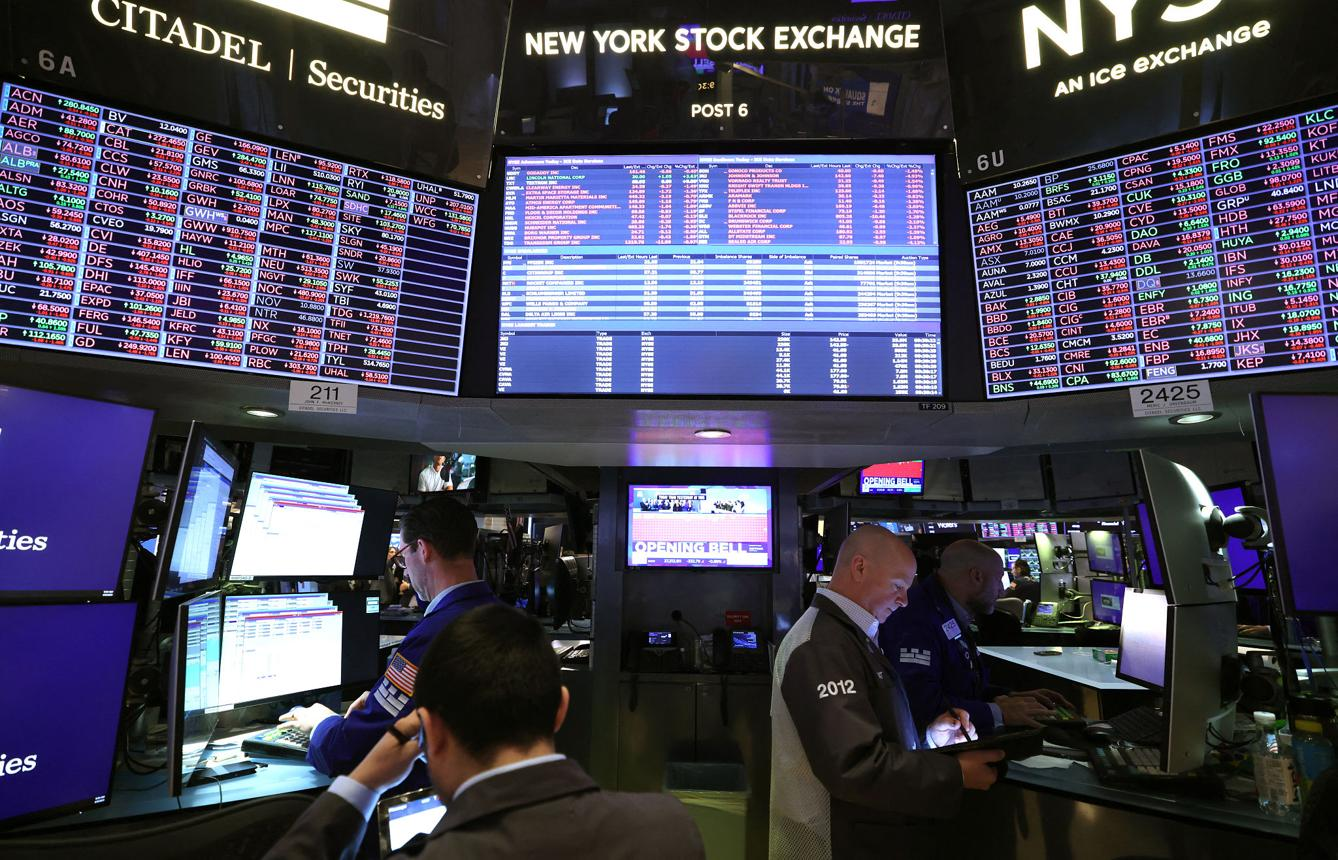
Financial markets are shifting under the weight of changing interest rates, evolving consumer behavior, and global economic uncertainty. Understanding today’s key market movers—from Federal Reserve policy to corporate earnings and geopolitical risks—can help investors and households make more informed decisions. This guide breaks down what matters now, why it matters, and how to interpret signals shaping the months ahead.
Understanding “Market Movers” in Today’s Environment
In financial terms, “market movers” refer to events, data releases, or structural shifts that meaningfully influence asset prices. These can include macroeconomic indicators like inflation and employment data, policy decisions by central banks, corporate earnings results, and geopolitical developments.
In today’s environment, market movers are more interconnected than ever. A change in interest rates doesn’t just affect bond yields—it influences mortgage rates, equity valuations, consumer spending, and even currency strength. For US households and investors, this interconnectedness means that seemingly distant developments can have real financial consequences.
The defining characteristic of current market conditions is sensitivity. Markets are reacting quickly to new information, often repricing expectations within hours. This creates both opportunity and risk, especially for those who are not actively tracking the underlying drivers.
Why Interest Rates Remain the Primary Driver
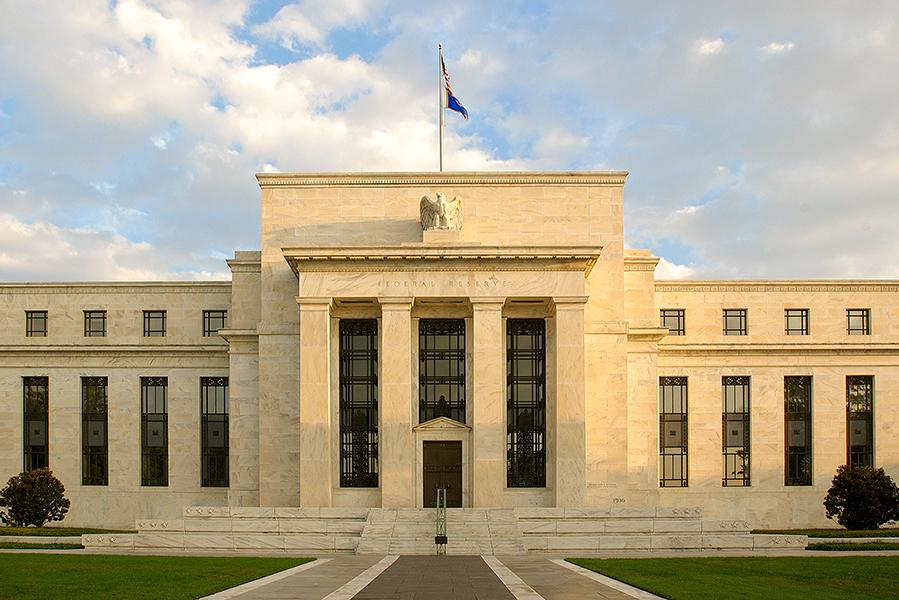
Interest rates continue to be the most influential force shaping market behavior. Decisions by the Federal Reserve ripple across nearly every asset class.
When rates rise:
- Borrowing becomes more expensive
- Consumer spending tends to slow
- Equity valuations often compress
- Savings instruments become more attractive
When rates stabilize or fall:
- Growth stocks typically gain support
- Housing activity may recover
- Risk appetite tends to increase
For example, in recent cycles, mortgage rates in the US have moved sharply in response to Federal Reserve guidance. A family considering buying a home may see monthly payments change by hundreds of dollars based on relatively small shifts in interest rates.
The key question many Americans are asking now is: “Are rates going to stay higher for longer?”
The answer depends largely on inflation trends and labor market resilience—two data points that markets are watching closely.

Inflation Trends and What They Signal
Inflation has moved from being a background concern to a central focus for both policymakers and households. While headline inflation has moderated from its peaks, the composition of inflation remains important.
Key components to watch include:
- Shelter costs (a major driver of CPI)
- Wage growth
- Energy and food prices
- Services inflation
Persistent inflation in services, for instance, may signal that price pressures are more deeply embedded in the economy. This can influence how long the Federal Reserve maintains restrictive policies.
From a practical standpoint, inflation affects:
- Grocery bills
- Rent and housing affordability
- Real wage growth
- Savings purchasing power
A useful real-world example: even if inflation declines from 8% to 3%, prices are still rising—just at a slower pace. That distinction is critical for budgeting and long-term financial planning.
The Labor Market: Strong, but Showing Nuance
The US labor market has remained resilient, with relatively low unemployment and steady job creation. However, beneath the surface, there are emerging signs of change.
Trends worth monitoring:
- Slowing hiring in certain sectors (e.g., tech, finance)
- Wage growth leveling off
- Increased part-time employment
- Rising jobless claims in specific regions
For investors, a cooling labor market can signal reduced inflation pressure, which may support lower interest rates. For households, it raises practical questions about job security and income stability.
A dual reality is emerging: the labor market is still strong overall, but pockets of weakness are becoming more visible.

Corporate Earnings: The Micro Meets the Macro
Corporate earnings reports offer insight into how businesses are navigating current conditions. They serve as a bridge between macroeconomic trends and real-world outcomes.
What to look for in earnings:
- Revenue growth vs. expectations
- Profit margins (especially under inflation pressure)
- Forward guidance from management
- Sector-specific trends
For instance, companies in consumer discretionary sectors may report softer demand if households are tightening budgets. Meanwhile, sectors like energy or utilities may show resilience depending on broader economic conditions.
Investors often focus not just on results, but on expectations. A company that beats earnings but lowers guidance can still see its stock decline.
Consumer Behavior: A Subtle but Powerful Signal
Consumer spending accounts for roughly two-thirds of US economic activity. Changes in behavior can therefore have outsized effects on the broader economy.
Recent patterns include:
- Increased focus on value and essentials
- Growth in discount retail and private-label products
- Shifts from goods to services spending
- Rising use of credit in some segments
For example, a household that shifts from dining out frequently to cooking at home is not just making a personal decision—it’s contributing to broader economic trends affecting restaurants, supply chains, and employment.
Monitoring consumer sentiment surveys and retail sales data can provide early clues about economic direction.
Global Influences and Geopolitical Risk
Even domestically focused investors cannot ignore global developments. Supply chains, energy markets, and currency movements are all influenced by international events.
Key global factors include:
- Energy supply disruptions
- Trade policy changes
- Currency fluctuations (especially the US dollar)
- Regional conflicts or instability
A stronger US dollar, for example, can make imports cheaper but may hurt US exporters. Similarly, geopolitical tensions can lead to volatility in commodity prices, which in turn affects inflation and corporate costs.
Financial Markets and Investor Sentiment
Market sentiment plays a significant role in short-term price movements. Even when fundamentals remain stable, changes in perception can drive volatility.
Indicators of sentiment include:
- Stock market volatility indices
- Bond yield movements
- Investor positioning data
- Fund flows into or out of equities
A common question is: “Why do markets fall even when the economy seems stable?”
Often, it’s because markets are forward-looking. They react to expectations about the future rather than current conditions.
What These Signals Could Mean for the Months Ahead
Looking forward, several scenarios are possible depending on how key market movers evolve:
- Soft Landing Scenario
Inflation continues to moderate without a sharp rise in unemployment. Markets may stabilize, and risk assets could perform steadily. - Persistent Inflation Scenario
Inflation remains elevated, leading to prolonged higher interest rates. This could pressure both equities and housing. - Economic Slowdown Scenario
A cooling labor market and reduced consumer spending may lead to slower growth or recessionary conditions.
Rather than trying to predict a single outcome, it is often more practical to monitor indicators and adjust expectations accordingly.

How Individuals Can Respond Strategically
For households and investors, the goal is not to predict every market move but to make informed, adaptable decisions.
Consider the following approaches:
- Maintain diversified investments across asset classes
- Reassess debt exposure, especially variable-rate loans
- Build or strengthen emergency savings
- Stay informed on key economic indicators
- Avoid reactive decisions based on short-term market swings
For example, a homeowner with a variable-rate mortgage might explore refinancing options if rates stabilize. Similarly, an investor nearing retirement may shift toward more conservative allocations during periods of uncertainty.
Frequently Asked Questions
1. What are the biggest market movers right now?
Interest rates, inflation data, labor market trends, corporate earnings, and geopolitical developments are currently the most influential factors.
2. How do Federal Reserve decisions affect everyday Americans?
They influence borrowing costs, mortgage rates, credit card interest, and overall economic conditions.
3. Why does inflation matter if my income is rising?
If inflation outpaces income growth, purchasing power declines, affecting real living standards.
4. Are stock market movements a reliable indicator of the economy?
Not always. Markets are forward-looking and can diverge from current economic conditions.
5. What should I watch in economic reports each month?
Key reports include CPI (inflation), jobs data, retail sales, and GDP updates.
6. How can I protect my finances during uncertain market conditions?
Diversification, maintaining liquidity, and avoiding excessive debt are key strategies.
7. Do global events really impact the US economy?
Yes, especially through supply chains, energy prices, and financial markets.
8. Is now a good time to invest?
Timing the market is difficult; consistent, long-term investing is generally more effective.
9. How does consumer behavior influence markets?
Consumer spending drives economic growth and directly impacts corporate earnings.
10. What signals suggest a potential recession?
Rising unemployment, declining consumer spending, and inverted yield curves are common indicators.
Reading the Signals Without Overreacting
Interpreting market movers requires balance. While it’s important to stay informed, reacting impulsively to every headline can lead to suboptimal decisions.
The most effective approach is to focus on trends rather than isolated data points. A single inflation report or earnings miss rarely tells the full story. Instead, patterns over time provide a more reliable foundation for decision-making.
For US households and investors alike, understanding these signals is less about predicting the future and more about preparing for a range of possible outcomes. That mindset—grounded, informed, and adaptable—remains one of the most valuable assets in any market environment.
Key Insights at a Glance
- Interest rates remain the dominant force influencing markets
- Inflation trends continue to shape policy and purchasing power
- Labor market strength is evolving, not disappearing
- Consumer behavior offers early signals of economic shifts
- Global developments increasingly impact domestic conditions
- Market sentiment can drive short-term volatility
- Strategic flexibility is more valuable than precise predictions