As economic conditions evolve, U.S. policymakers are rethinking tax strategy to balance growth, fairness, and fiscal sustainability. Shifts in global competition, workforce trends, and federal deficits are shaping new approaches to taxation. Understanding these changes helps individuals and businesses anticipate policy direction, adapt financial strategies, and make informed long-term decisions in a dynamic environment.
Why Tax Strategy Is Being Reconsidered Now
Tax policy does not operate in a vacuum—it responds to economic cycles, political priorities, and structural changes in how people work and businesses operate. In recent years, policymakers have faced a complex mix of challenges: inflation pressures, rising federal debt, global tax competition, and a rapidly evolving labor market.
The Internal Revenue Service (IRS) continues to administer tax laws, but the broader strategic direction is increasingly shaped by long-term fiscal concerns and changing economic realities.
For taxpayers, this shift means tax policy is becoming more adaptive, targeted, and responsive to emerging trends rather than relying on static frameworks.
The Economic Forces Driving Tax Policy Shifts
Several structural changes are prompting policymakers to rethink traditional tax strategies.
1. Rising Federal Debt and Budget Pressures
The growing federal deficit has intensified the need for sustainable revenue sources. Policymakers are evaluating ways to increase revenue without significantly slowing economic growth.
This has led to discussions around:
- Adjusting tax rates for higher-income households
- Expanding enforcement to reduce underreporting
- Reevaluating tax expenditures and deductions
According to the Congressional Budget Office, long-term fiscal projections highlight the importance of balancing revenue and spending to maintain economic stability.
2. Global Tax Competition and Corporate Mobility
In a globalized economy, businesses can operate across borders more easily than ever. This mobility influences how governments design corporate tax systems.
Recent policy discussions have focused on:
- Establishing minimum global tax standards
- Reducing incentives for profit shifting
- Encouraging domestic investment
For example, multinational corporations may reconsider where to locate operations based on tax efficiency, prompting policymakers to create more competitive domestic environments.
3. The Rise of the Digital and Gig Economy
The expansion of digital platforms and gig work has introduced new challenges for tax administration.
Policymakers are adapting by:
- Expanding reporting requirements for digital transactions
- Clarifying tax obligations for independent contractors
- Enhancing compliance measures for platform-based income
A freelance graphic designer earning income through multiple platforms, for instance, may face new reporting requirements that increase transparency but also complexity.
Shifting Toward Targeted Tax Incentives
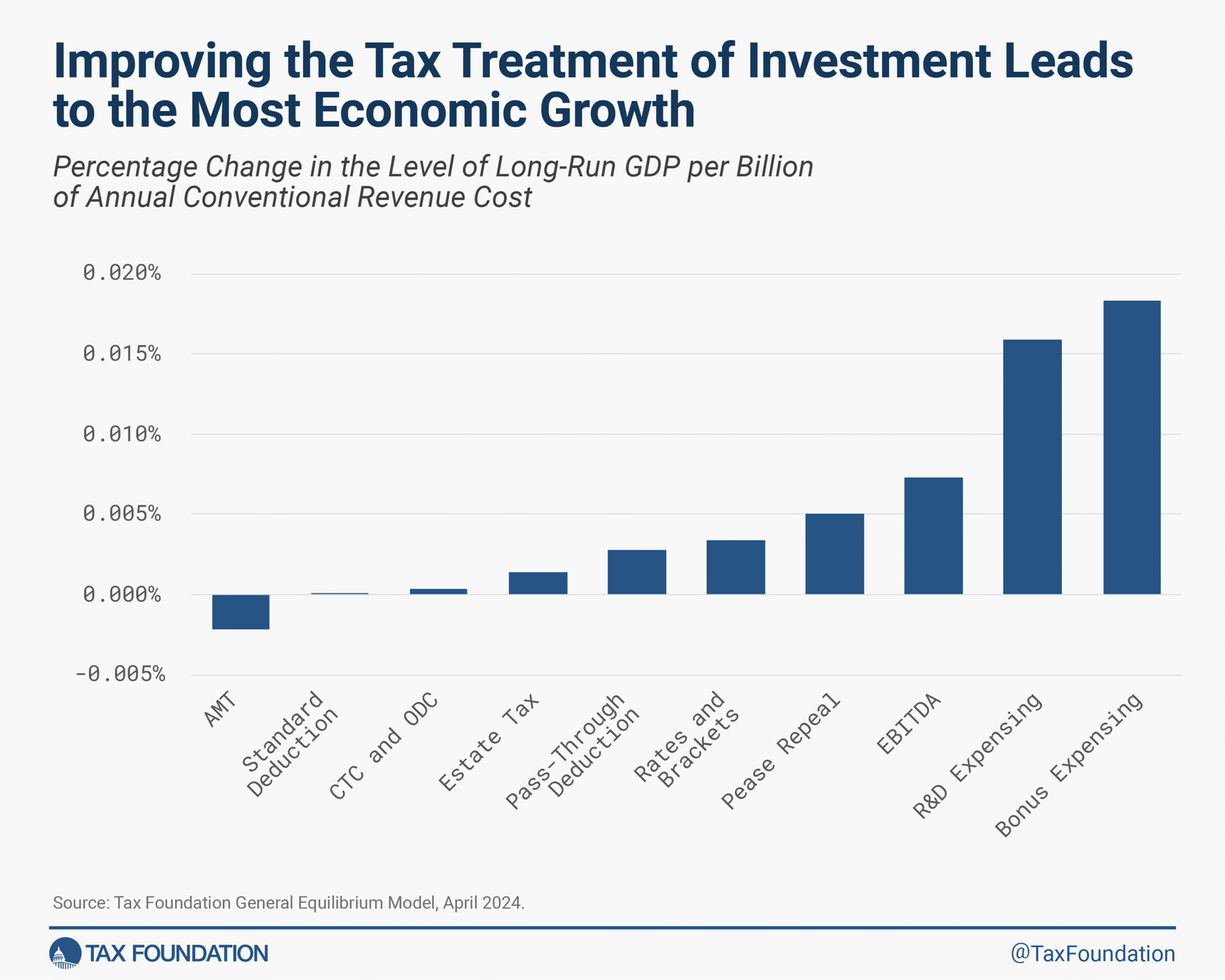
Rather than broad tax cuts or increases, policymakers are increasingly using targeted incentives to shape economic behavior.
These incentives often focus on:
- Clean energy and sustainability initiatives
- Domestic manufacturing and supply chains
- Workforce training and development
For example, a small manufacturing firm investing in energy-efficient equipment may qualify for tax credits that reduce upfront costs while aligning with policy goals.
This approach allows policymakers to direct economic activity without overhauling the entire tax system.
The Evolving Role of Progressive Taxation
Progressive taxation remains a central theme in tax policy discussions.
Recent proposals have explored:
- Higher marginal rates for top earners
- Minimum taxes for ultra-high-net-worth individuals
- Adjustments to capital gains taxation
These changes aim to address income inequality while maintaining incentives for investment and entrepreneurship.
For high earners, this could mean greater emphasis on tax planning strategies such as income timing, asset diversification, and the use of tax-advantaged accounts.
Business Tax Strategy: Balancing Growth and Compliance
For businesses, tax policy is increasingly about balancing incentives with compliance.
Policymakers are working to:
- Encourage investment through credits and deductions
- Improve transparency and reporting
- Reduce the tax gap through enforcement
This creates a dual reality for businesses:
- Opportunities to benefit from targeted incentives
- Increased responsibility to meet compliance standards
A small business owner, for example, may benefit from a hiring credit but also face stricter documentation requirements to claim it.
The Expanding Focus on Tax Compliance
One of the most significant shifts in tax strategy is the emphasis on compliance and enforcement.
The Internal Revenue Service has increased efforts to modernize systems and improve data collection.
Key developments include:
- Enhanced information reporting for financial transactions
- Increased audits for high-income taxpayers
- Investment in technology to identify discrepancies
While these measures aim to improve fairness, they also require taxpayers to maintain more detailed records and ensure accuracy in reporting.
State-Level Innovation and Divergence
State governments are also rethinking tax strategies, often experimenting with policies that differ significantly from federal approaches.
For example:
- Texas and Florida emphasize low or no income taxes
- California and New York rely more heavily on progressive income taxation
This divergence creates a dynamic environment where individuals and businesses can evaluate location decisions based on tax implications.
Remote work trends have made such decisions more feasible, further amplifying the impact of state-level policies.
Retirement and Long-Term Savings Considerations
Tax policy changes also influence how Americans plan for retirement.
Policymakers are exploring ways to:
- Encourage higher participation in retirement savings plans
- Provide flexibility in withdrawals
- Adjust contribution limits over time
For individuals, this means staying informed about changes to retirement accounts and incorporating tax efficiency into long-term planning.
A mid-career professional, for instance, might adjust contributions between traditional and Roth accounts based on expected future tax rates.
Real-World Example: Navigating Policy Changes
Consider a small business owner earning $250,000 annually in a service-based industry.
If current trends continue, they may encounter:
- Modest increases in effective tax rates
- Expanded eligibility for targeted credits
- Greater compliance requirements
To adapt, they might:
- Invest in qualifying business improvements
- Optimize retirement contributions
- Work with a tax professional to refine strategy
This example highlights the importance of proactive planning in a changing policy environment.
What Americans Are Asking About Tax Strategy
As tax policy evolves, individuals and businesses are seeking clarity on practical issues:
- How will tax changes affect my income?
- Are there new credits or deductions I should use?
- Will compliance requirements increase?
- How can I prepare for future tax changes?
These questions reflect a shift toward more informed and strategic financial decision-making.
Data Insights: The Role of Tax Policy in Economic Behavior
Research from the Tax Policy Center shows that tax incentives can significantly influence economic behavior.
Key findings include:
- Targeted credits can drive investment in specific sectors
- Simplified tax systems improve compliance rates
- High marginal rates may lead to income timing strategies
These insights underscore the importance of aligning tax policy with broader economic goals.
Practical Strategies for Individuals and Businesses
In a changing tax landscape, flexibility and awareness are essential.
Consider the following approaches:
- Stay informed: Monitor updates from credible sources
- Diversify tax exposure: Use a mix of taxable and tax-advantaged accounts
- Plan ahead: Anticipate potential changes rather than reacting late
- Seek guidance: Work with qualified professionals for tailored advice
For example, a high earner might balance current income with long-term tax planning to reduce future liabilities.
FAQs: Understanding the Shift in Tax Strategy
1. Why are policymakers changing tax strategy now?
Economic shifts, fiscal pressures, and global competition are key drivers.
2. Will taxes increase in the near future?
Some proposals suggest increases, particularly for higher-income households.
3. How do tax incentives work?
They reduce tax liability to encourage specific behaviors, such as investment or hiring.
4. What is the tax gap?
The difference between taxes owed and taxes collected.
5. Are compliance requirements increasing?
Yes, especially for high-income individuals and businesses.
6. How do state taxes factor into planning?
They can significantly affect overall tax liability.
7. What should small businesses focus on?
Balancing tax savings opportunities with compliance obligations.
8. How do tax changes affect investments?
Through capital gains, dividends, and overall tax efficiency.
9. Should I adjust my financial strategy now?
Focus on flexibility and long-term planning rather than short-term reactions.
10. How often does tax policy change?
Regularly, often through incremental updates.
Interpreting Policy Direction Without Guesswork
Tax strategy is becoming more nuanced, with policymakers focusing on targeted solutions rather than sweeping reforms. This makes it more important to understand the intent behind policies rather than just the details.
For example, increased emphasis on compliance suggests a long-term trend toward transparency, while expanded credits indicate a focus on guiding economic activity.
Recognizing these patterns helps taxpayers make more informed decisions.
The Broader Shift: From Static Rules to Adaptive Policy
One of the most notable changes in tax strategy is the move toward adaptability.
Rather than relying on fixed rules, policymakers are increasingly:
- Adjusting policies in response to economic conditions
- Using data to refine tax enforcement
- Introducing targeted measures to address specific challenges
This shift reflects a more dynamic approach to taxation—one that evolves alongside the economy.
Navigating a Moving Framework: What It Means for You
The evolving nature of tax strategy requires a different mindset.
Instead of seeking certainty, individuals and businesses benefit from:
- Building flexible financial plans
- Staying informed about policy trends
- Adapting strategies as conditions change
In this environment, awareness and adaptability are key advantages.
A Forward-Looking Perspective on Tax Strategy
Tax policy is no longer just about collecting revenue—it is a tool for shaping economic outcomes. As policymakers respond to changing conditions, the tax system will continue to evolve.
For taxpayers, the goal is not to predict every change but to understand the direction of policy and align strategies accordingly.
Those who remain informed and adaptable will be better positioned to navigate the complexities of modern tax systems.
Essential Signals for Staying Ahead
- Increasing focus on compliance and enforcement
- Expansion of targeted tax incentives
- Ongoing discussions around progressive taxation
- Greater influence of global economic factors
- Rising importance of state-level tax differences
- Continued evolution of retirement and savings policies