Summary
Households in the United States build wealth in very different ways depending on their income level. Lower-income families often focus on stability and debt reduction, middle-income households rely heavily on homeownership and retirement accounts, while higher-income households emphasize investing and tax strategies. Understanding these patterns helps families adopt realistic, effective wealth-building strategies that match their financial stage.
Understanding How Income Shapes Wealth-Building Strategies
Wealth in the United States is not built through a single formula. The strategies households use often depend on their income level, available financial tools, and the risks they can afford to take.
According to data from the Federal Reserve’s Survey of Consumer Finances, the median net worth of American households varies dramatically by income bracket. Households in the top 20% hold the vast majority of financial assets, while lower-income families often hold wealth primarily in vehicles, small savings, or home equity.
However, income alone does not determine financial success. What matters is how households allocate resources over time. Families with similar incomes can experience dramatically different financial outcomes based on their habits, priorities, and opportunities.
In practice, wealth-building tends to follow different patterns across three broad income groups:
- Lower-income households
- Middle-income households
- Higher-income households
Each group faces unique challenges and opportunities.
How Lower-Income Households Begin Building Wealth
For households earning lower incomes, wealth building typically begins with financial stability rather than investment growth.
Many families in this group focus first on reducing financial volatility—creating emergency savings, paying down high-interest debt, and stabilizing housing costs.
One of the most common obstacles is the cost of financial emergencies. Research from the Urban Institute shows that roughly one-third of Americans struggle to cover an unexpected $400 expense without borrowing.
Because of this, the early wealth-building phase often includes:
- Creating a small emergency fund
- Paying off credit card or payday loan debt
- Building consistent savings habits
- Establishing access to traditional banking services
A practical example might involve a household earning $40,000 annually. Their wealth-building strategy may focus on saving $1,000 for emergencies, contributing small amounts to a workplace retirement plan, and avoiding high-interest debt. While these steps may not generate rapid growth, they significantly improve long-term financial resilience.
Another key wealth-building factor at this stage is public policy support, such as:
- Earned Income Tax Credit (EITC)
- Child Tax Credit
- Employer-sponsored retirement matching
These programs can act as early wealth accelerators when households direct refunds or bonuses toward savings or debt reduction.

How Middle-Income Families Accumulate Wealth
For middle-income households, wealth building typically centers around homeownership and retirement accounts.
According to the Federal Reserve, home equity represents the single largest asset for most middle-class families. Mortgage payments gradually convert housing costs into wealth accumulation.
A household earning $80,000 per year, for example, may follow a financial progression like this:
- Purchasing a home
- Contributing regularly to a 401(k) or IRA
- Building emergency savings
- Paying down student loans or auto loans
Over time, two assets often drive wealth growth:
Home equity and retirement investments.
While home prices fluctuate, long-term homeowners often accumulate substantial equity simply by holding property for decades. Meanwhile, retirement accounts benefit from compound growth.
For instance, a worker contributing $400 monthly to a retirement account earning an average 7% annual return could accumulate more than $480,000 over 30 years.
Middle-income households also tend to diversify their financial strategies by adding:
- Brokerage investment accounts
- College savings plans (529 plans)
- Health savings accounts (HSAs)
These accounts provide both long-term growth potential and tax advantages.
How Higher-Income Households Grow Wealth Faster
Higher-income households typically shift their focus from saving to capital growth and tax optimization.
While savings rates increase with income, the biggest difference is how assets are allocated. High earners often hold a larger share of wealth in investments rather than income-producing labor alone.
Common wealth-building tools among higher-income households include:
- Taxable investment portfolios
- Real estate investments
- Business ownership
- Private equity or venture capital
- Tax planning strategies
For example, a household earning $250,000 annually might prioritize maximizing retirement contributions, investing additional funds in diversified stock portfolios, and purchasing rental properties.
Unlike lower-income households that rely mainly on earned income, higher-income families often generate wealth from multiple asset streams.
These may include:
- Dividends
- Capital gains
- Rental income
- Business profits
This diversification allows wealth to compound faster over time.
Another important factor is tax efficiency. High-income households often work with financial advisors to reduce tax exposure through retirement accounts, charitable contributions, and investment timing.
Why Asset Ownership Matters More Than Income
One of the most important lessons across all income groups is that wealth is determined less by income and more by asset ownership.
Two households earning the same salary may end up with very different net worth depending on how their money is used.
For example:
Household A spends most disposable income on consumption and carries revolving credit card balances.
Household B consistently invests surplus income into retirement accounts and diversified investments.
Over 20 years, the difference in asset accumulation can become dramatic.
Research from Thomas Piketty and other economists consistently shows that wealth grows fastest when income is converted into assets that appreciate or produce returns.
Common appreciating assets include:
- Stocks and index funds
- Real estate
- Business equity
- Retirement accounts
Households that prioritize asset ownership often experience long-term financial security regardless of income level.

Behavioral Habits That Influence Wealth Growth
Beyond income and assets, wealth-building outcomes are strongly influenced by behavior.
Certain financial habits appear consistently among households that successfully build wealth over time.
These habits include:
- Spending less than they earn
- Investing consistently
- Avoiding high-interest debt
- Maintaining long-term financial discipline
One particularly powerful behavior is automatic investing.
When households automatically contribute to retirement accounts or investment plans each month, they reduce the likelihood of skipping contributions or timing the market poorly.
Another key habit is lifestyle stability. Households that increase savings when income rises—rather than dramatically increasing spending—tend to build wealth much faster.
Structural Factors That Affect Wealth Outcomes
Not all wealth differences come from personal decisions. Structural factors also influence how households accumulate assets.
These include:
- Access to quality education
- Geographic housing markets
- Inheritance or family financial support
- Job stability and benefits
- Healthcare costs
For example, a household that receives down payment assistance from family members may enter homeownership years earlier than one saving alone.
Similarly, employer retirement plans dramatically increase investment participation. Workers with automatic enrollment in 401(k) plans save at far higher rates than those without access to workplace retirement programs.
Recognizing these structural influences helps explain why wealth gaps persist across demographics and generations.
How Americans Can Build Wealth Regardless of Income
Despite structural differences, there are several widely applicable strategies that households at nearly any income level can use.
These strategies focus on long-term financial progress rather than short-term gains.
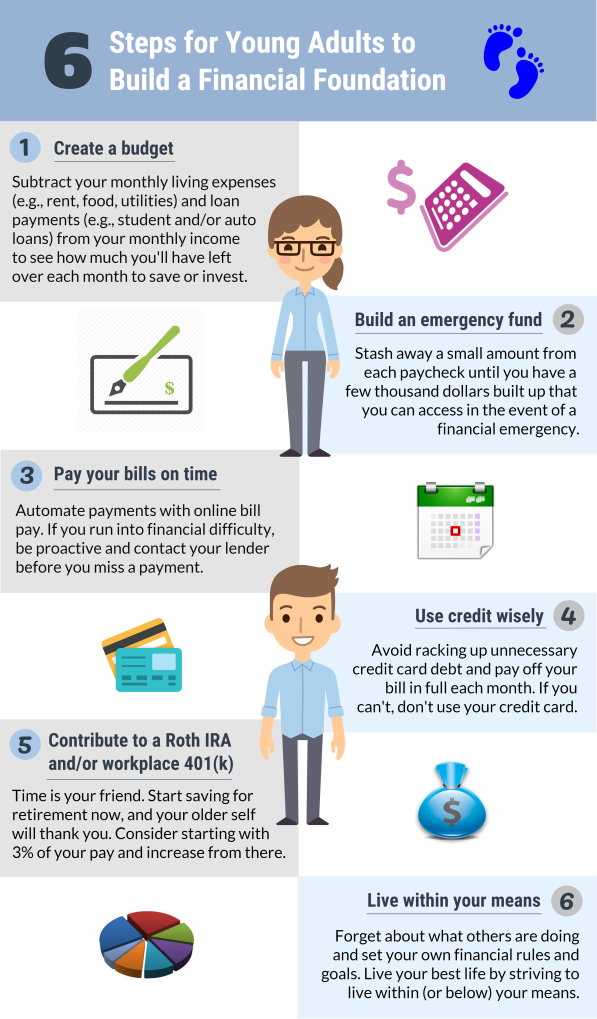
Effective wealth-building practices include:
- Building a reliable emergency fund
- Contributing regularly to retirement accounts
- Investing in low-cost index funds
- Avoiding high-interest consumer debt
- Maintaining consistent savings habits
Over time, these behaviors compound into meaningful financial security.
Even small contributions can produce substantial growth when maintained over decades.

Frequently Asked Questions
What is the biggest factor in building wealth?
Consistent investment and asset ownership are the most important factors. Income helps, but wealth grows primarily through long-term ownership of appreciating assets such as stocks, real estate, and businesses.
Do higher incomes guarantee wealth?
No. Many high-income households still experience financial stress due to high spending levels. Wealth depends on saving, investing, and maintaining financial discipline.
Why do middle-class families rely heavily on homeownership?
Homeownership converts housing expenses into long-term equity, making it one of the most accessible wealth-building tools for middle-income households.
How much should households save each year?
Many financial planners recommend saving 15–20% of gross income, though even smaller consistent contributions can produce significant long-term growth.
Are retirement accounts the best investment option?
For many households, yes. Retirement accounts provide tax advantages and long-term compound growth.
How do wealthy households invest differently?
Higher-income households often diversify investments across multiple asset classes such as stocks, real estate, and business ownership.
What role does inheritance play in wealth building?
Inheritance can significantly accelerate wealth accumulation, but most households build wealth primarily through savings and asset growth.
Can lower-income families still build wealth?
Yes. Even modest savings and investment habits can produce long-term financial stability.
Why is compound growth so powerful?
Compound growth allows investment returns to generate additional returns over time, accelerating wealth accumulation.
What is the most common mistake people make when trying to build wealth?
Overspending and carrying high-interest debt are among the most common barriers to wealth building.
Wealth Paths Are Different — But the Core Principles Are the Same
The strategies households use to build wealth vary widely depending on income level, financial opportunities, and life circumstances.
Lower-income households often prioritize stability and debt reduction. Middle-income families typically rely on homeownership and retirement accounts. Higher-income households expand wealth through diversified investments and tax strategies.
Yet across every income bracket, the underlying principles remain remarkably consistent: disciplined saving, asset ownership, and long-term investing.
When households focus on these fundamentals, wealth-building becomes a gradual and achievable process rather than a single financial milestone.
Key Wealth-Building Insights at Every Income Level
- Financial stability is the foundation of wealth building
- Homeownership remains a major asset for middle-income families
- Higher-income households rely more heavily on investments
- Asset ownership matters more than income alone
- Consistent investing drives long-term financial growth
- Behavioral habits strongly influence wealth outcomes
- Structural factors also affect wealth accumulation opportunities
- Compound growth rewards patience and consistency