Summary
Long-term financial planning provides the structure needed to gradually build wealth, manage risk, and work toward financial independence. By aligning savings habits, investment strategies, and life goals over decades rather than months, individuals can create resilient financial systems. This article explains how strategic planning, disciplined investing, and consistent financial decisions help Americans steadily move toward long-term financial security.
Understanding Financial Independence in Practical Terms
Financial independence is often described as the point when your investments and savings can sustainably cover living expenses without relying entirely on employment income. In practice, however, financial independence is less about quitting work and more about having flexibility and control over financial choices.
For many Americans, this might mean the ability to:
- Reduce work hours without financial stress
- Retire earlier than traditional retirement age
- Support family members or philanthropic causes
- Weather economic disruptions without major lifestyle changes
Long-term planning plays a critical role in making these outcomes realistic. Rather than relying on sudden financial windfalls or risky investments, financial independence typically emerges from consistent decision-making over decades.
Research from the Federal Reserve’s Survey of Consumer Finances shows that household wealth accumulation in the United States tends to follow gradual patterns. The median net worth of households increases steadily through middle age as savings, home equity, and retirement accounts compound over time.
Long-term planning creates the framework that allows those assets to grow in a coordinated way.

Why Time Is the Most Powerful Wealth-Building Tool
One of the most important elements of financial independence is time in the market, not market timing. Long-term planning allows investors to benefit from compounding returns over extended periods.
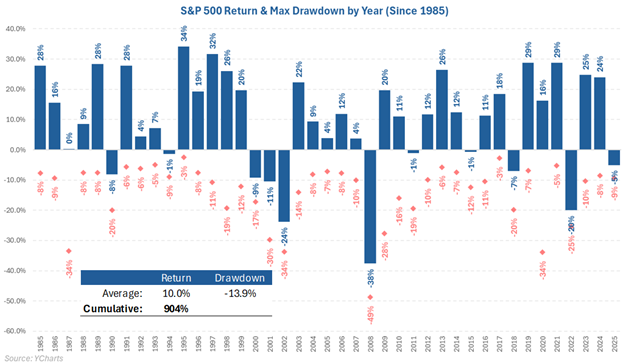
Historically, the S&P 500 has delivered average annual returns of roughly 10% before inflation over many decades, according to data compiled by Standard & Poor’s and market researchers. While markets fluctuate year to year, long-term investors often benefit from staying invested.
Compounding means that earnings generate additional earnings over time.
Small contributions can grow significantly when allowed to compound for decades.
For example:
- Investing $400 per month starting at age 25 with a 7% annual return could grow to more than $1 million by retirement age.
- Waiting until age 35 to begin the same contributions may reduce the final balance by hundreds of thousands of dollars.
Long-term planning ensures that investment timelines are aligned with life goals, allowing compounding to do much of the heavy lifting.
Building a Financial Framework That Lasts Decades
Financial independence rarely happens through isolated financial decisions. Instead, it emerges from a structured financial system that evolves over time.
Effective long-term planning usually includes several coordinated components.
Core pillars of long-term financial planning
- Retirement savings accounts such as 401(k)s and IRAs
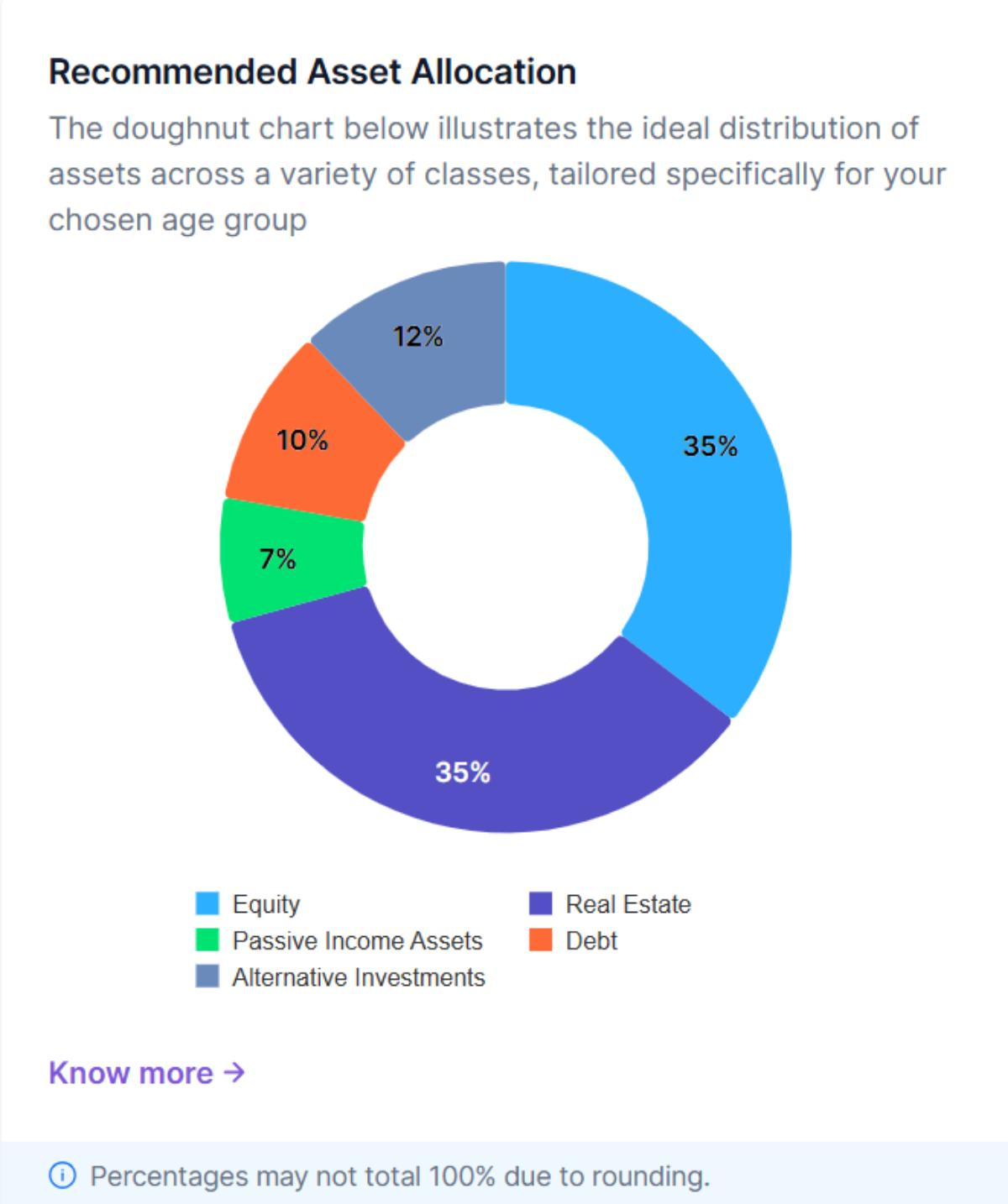
- Consistent investment strategies across diversified assets
- Emergency savings for unexpected expenses
- Insurance protection against financial shocks
- Debt management and responsible borrowing
Each element supports the others.
For example, maintaining an emergency fund prevents unexpected expenses from forcing investors to sell long-term investments during market downturns.
Similarly, insurance protection helps preserve assets when health issues or accidents occur.
When these systems are put in place early, they allow financial progress to continue steadily even during uncertain periods.
How Goal Setting Guides Financial Progress
Long-term planning works best when financial decisions are tied to clearly defined life goals.
Instead of focusing solely on numbers, planners often begin by identifying major milestones.
Common long-term financial goals include:
- Purchasing a home
- Funding children’s education
- Achieving partial or full retirement
- Supporting aging parents
- Creating generational wealth
By defining these goals early, individuals can design a timeline-based financial plan.
For example, a couple planning to send a child to college in 15 years might use tax-advantaged education savings plans while maintaining retirement contributions.
This kind of forward-looking planning allows families to balance competing priorities without sacrificing long-term stability.
Investment Discipline and Emotional Stability
Financial markets are inherently unpredictable in the short term. Economic cycles, geopolitical events, and interest rate changes can cause temporary volatility.
Long-term planning helps investors maintain discipline during these periods.
Instead of reacting to market headlines, experienced planners often emphasize:
- Maintaining diversified portfolios
- Rebalancing investments periodically
- Avoiding panic selling during downturns
- Continuing regular contributions during market fluctuations
Historically, markets have experienced periodic declines but recovered over time.
According to data from J.P. Morgan Asset Management, missing just a handful of the best-performing days in the market over long periods can significantly reduce total returns.
Long-term planning helps investors stay committed to strategies even when short-term uncertainty appears.
Income Growth and Lifestyle Alignment
Financial independence is not solely determined by investment performance. Income growth and lifestyle choices also play significant roles.
Long-term planning encourages individuals to align spending habits with long-term goals.
Rather than focusing only on increasing income, successful planners often concentrate on maintaining a reasonable savings rate.
Many financial professionals suggest saving 15–20% of income for long-term financial goals, although the appropriate percentage varies by situation.
Practical examples include:
- Gradually increasing retirement contributions after salary raises
- Avoiding rapid lifestyle inflation as income grows
- Directing bonuses toward long-term investments
Over time, these habits can significantly accelerate progress toward financial independence.
Managing Risk Along the Way
Long-term financial plans must account for potential disruptions.
Economic recessions, medical expenses, job changes, and family obligations can all affect financial trajectories.
A well-designed long-term plan usually incorporates risk management strategies such as:
- Emergency funds covering three to six months of expenses
- Health, disability, and life insurance protection
- Diversified investment portfolios
- Flexible spending plans
These safeguards reduce the likelihood that unexpected events will derail long-term financial progress.
Risk management is often overlooked, yet it plays a crucial role in preserving wealth as it grows.
The Role of Tax Efficiency in Long-Term Planning
Taxes can significantly influence long-term financial outcomes. Strategic planning often includes choosing tax-efficient investment vehicles.
In the United States, common tax-advantaged accounts include:
- 401(k) plans offered through employers
- Traditional and Roth IRAs
- Health Savings Accounts (HSAs)
These accounts provide different tax advantages depending on contribution timing and withdrawal rules.
For example, Roth accounts allow tax-free withdrawals in retirement, while traditional retirement accounts provide tax deductions during working years.
Over several decades, these tax strategies can substantially increase the amount of wealth available during retirement.
Adapting Financial Plans Over Time
Long-term planning is not static. Life circumstances change, and financial strategies must evolve accordingly.
Major life events often require plan adjustments, such as:
- Marriage or divorce
- Career transitions
- Starting a business
- Having children
- Approaching retirement
Regular financial reviews allow individuals to recalibrate their strategies.
Many financial planners recommend conducting a comprehensive financial review at least once per year.
These reviews help ensure that financial decisions remain aligned with long-term goals while adapting to changing circumstances.

Common Questions About Long-Term Financial Planning
What is the difference between financial independence and retirement?
Financial independence means having enough assets to cover living expenses without relying on employment income. Retirement is simply the decision to stop working. Some financially independent individuals continue working by choice.
How early should someone start long-term financial planning?
Ideally, financial planning begins as soon as stable income starts. Early planning allows compounding to work for decades, significantly increasing long-term outcomes.
How much money is needed for financial independence?
A common guideline is the 4% rule, which suggests that retirees may sustainably withdraw about 4% of their portfolio annually. However, the actual amount varies based on lifestyle, expenses, and market conditions.
Is investing necessary for financial independence?
In most cases, yes. Saving alone often cannot outpace inflation over long periods. Investing helps savings grow and maintain purchasing power.
What role does debt play in financial independence?
High-interest debt can slow wealth accumulation. Long-term planning usually prioritizes paying down costly debt while maintaining retirement contributions.
How often should financial plans be updated?
Annual reviews are common, although major life events may require more frequent updates.
Can financial independence be achieved on a moderate income?
Yes. Consistent saving, disciplined investing, and long-term planning can help individuals build financial independence even without exceptionally high income.
Do I need a financial advisor?
Not necessarily, but advisors can provide guidance on complex issues such as tax planning, investment strategy, and retirement projections.
How important is diversification?
Diversification reduces exposure to individual asset risks and helps stabilize long-term investment performance.
What is the biggest mistake people make in long-term planning?
One of the most common mistakes is delaying the start of investing, which reduces the impact of compounding over time.
The Long View of Financial Freedom
Financial independence rarely results from a single breakthrough moment. More often, it emerges from decades of thoughtful planning, disciplined saving, and consistent investing.
Long-term planning provides the structure that turns financial goals into realistic outcomes. By aligning financial decisions with long-term priorities, individuals can gradually build the flexibility and security that financial independence represents.
Over time, even modest decisions—saving a portion of income, investing consistently, and adjusting plans when circumstances change—can accumulate into meaningful financial freedom.
Key Insights to Remember
- Financial independence develops gradually through long-term planning
- Compounding rewards investors who start early and remain consistent
- Structured financial systems support long-term wealth growth
- Risk management protects financial progress
- Tax-efficient investing can increase long-term returns
- Lifestyle choices significantly influence wealth accumulation
- Financial plans should evolve as life circumstances change
- Discipline during market volatility supports long-term outcomes