
Summary
Building long-term financial security for retirement rarely depends on a single investment or strategy. Instead, it typically comes from consistent habits—steady saving, disciplined investing, tax planning, and risk management over decades. This guide explores practical wealth-building approaches widely used by financially stable retirees in the United States and explains how individuals and families can apply these principles gradually over time.
Why Retirement Wealth Is Usually Built Gradually
For most Americans, retirement wealth develops over many years through consistent financial decisions rather than sudden breakthroughs. Data from the Federal Reserve shows that the majority of retirement assets held by households accumulate through employer-sponsored plans, personal savings, and long-term market participation rather than high-risk strategies.
Financial planners often describe retirement wealth as a system of habits and structures rather than a single financial move. These systems usually include automatic saving, diversified investing, careful tax planning, and a clear long-term time horizon.
Historically, markets have rewarded patient investors. According to research frequently cited by the Morningstar and Vanguard Group, long-term investors who remain diversified and invested over decades generally experience steadier wealth growth compared with those attempting to frequently time the market.
In practical terms, secure retirement planning typically focuses on three broad objectives:
- Consistent accumulation of assets
- Protection against major financial risks
- Tax-efficient income during retirement
Each of these areas contributes to a more resilient financial foundation.
Start Early — Time Is One of the Strongest Wealth Drivers
One of the most widely recognized factors in retirement wealth building is simply time in the market. The earlier someone begins saving and investing, the longer compounding can work.
Compounding refers to the process where investment earnings begin generating their own returns. Over decades, even moderate annual growth can significantly expand savings.
Consider a simplified example:
- A 25-year-old investing $500 per month
- Average annual return of 7%
- Retirement at age 65
This individual could accumulate over $1.2 million by retirement. By contrast, someone starting at age 40 with the same contribution might accumulate less than half that amount due to the shorter compounding period.
This difference highlights why many financial advisors encourage workers to begin saving as soon as they enter the workforce, even if contributions start small.

Use Employer Retirement Plans Strategically
Employer-sponsored retirement plans remain one of the most effective tools for wealth accumulation in the United States.
Plans such as the 401(k) allow employees to contribute pre-tax income while investments grow tax-deferred.
Many employers also offer matching contributions, which essentially function as an additional form of compensation.
Typical advantages include:
- Employer match contributions
- Automatic payroll deductions
- Tax-deferred investment growth
- Access to diversified investment funds
Financial planners frequently recommend contributing at least enough to capture the full employer match, since failing to do so means leaving part of compensation unused.
Over decades, the combination of employer contributions and tax-deferred growth can significantly increase retirement savings.
Diversification Helps Manage Long-Term Risk
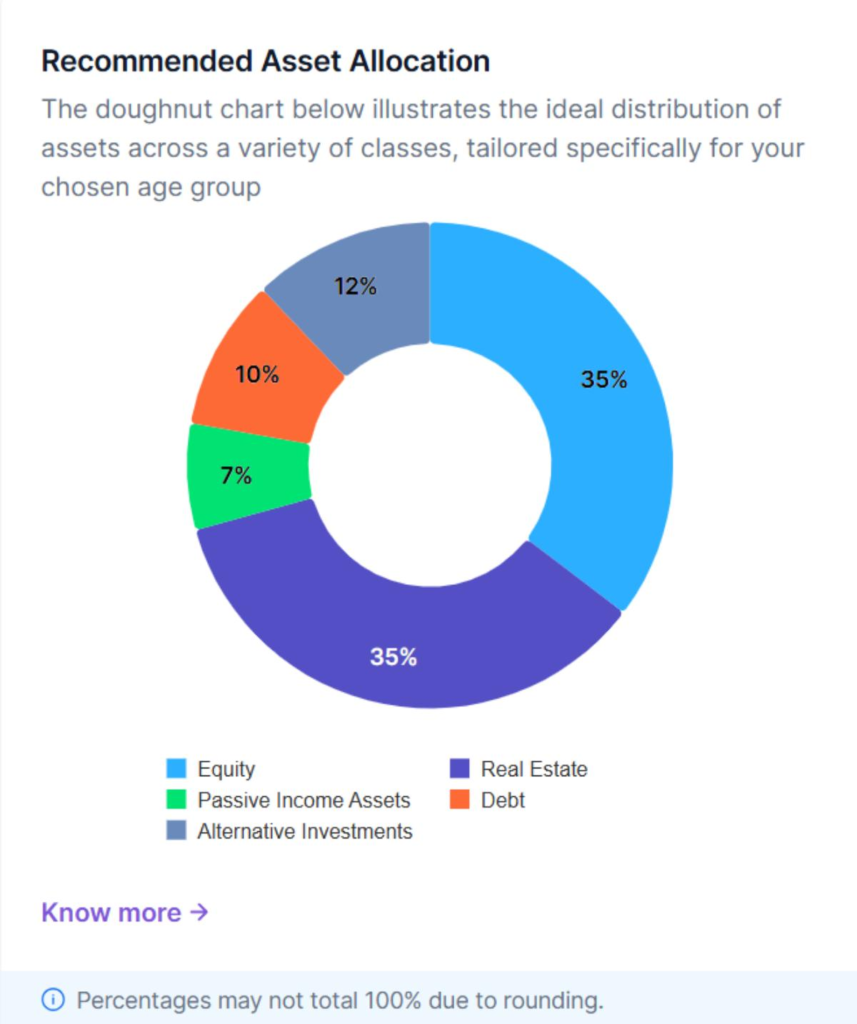
Diversification is a core principle of wealth preservation and growth. Rather than concentrating assets in one company or sector, diversified portfolios spread investments across multiple asset classes.
Common diversified portfolios include:
- U.S. stock index funds
- International equities
- Bonds or fixed-income securities
- Real estate exposure (often through REITs)
- Cash reserves
The objective is not to eliminate risk entirely but to reduce the impact of volatility in any single area.
Research from the Investment Company Institute suggests that diversified portfolios tend to experience smoother long-term growth compared with concentrated holdings.
For retirement investors, diversification can help maintain stability during market cycles while still supporting long-term growth.
Maintain Consistent Contributions Over Time
One of the most effective yet often overlooked wealth-building behaviors is simply consistent investing, regardless of market conditions.
This approach is commonly referred to as dollar-cost averaging—investing a fixed amount at regular intervals.
Benefits of consistent investing include:
- Reduces the emotional impact of market volatility
- Encourages disciplined saving habits
- Gradually builds investment exposure over time
- Avoids attempts to predict market movements
Many retirement savers accomplish this through automatic payroll contributions, which remove decision-making from the process.
In practice, consistency often matters more than investment complexity.

Pay Attention to Tax Efficiency
Tax planning plays an important role in retirement wealth. Over decades, taxes can meaningfully affect net investment returns and retirement income.
Several common retirement accounts provide tax advantages:
- Traditional IRA
- Roth IRA
- 401(k)
A Traditional IRA or 401(k) allows tax-deferred contributions, while a Roth IRA offers tax-free withdrawals in retirement if certain conditions are met.
Many financial advisors recommend maintaining a mix of tax-deferred and tax-free accounts, allowing retirees more flexibility when managing taxable income later.
Strategic withdrawals can also help retirees remain in lower tax brackets.
Control Debt Before Retirement
Debt management often plays a critical role in retirement readiness.
Households entering retirement with high debt obligations may face increased financial pressure, particularly if income declines after leaving the workforce.
Common strategies include:
- Prioritizing high-interest debt payoff
- Reducing mortgage balances before retirement
- Avoiding large new liabilities late in working years
According to research from the Employee Benefit Research Institute, retirees with minimal debt typically report greater financial stability and lower stress.
Debt reduction effectively increases retirement income by lowering fixed expenses.
Build Multiple Income Sources
While retirement accounts are important, many financially secure retirees rely on multiple income streams.
Examples may include:
- Social Security benefits
- Investment portfolio withdrawals
- Pension payments
- Rental income
- Part-time consulting or flexible work
The Social Security Administration reports that Social Security replaces roughly 40% of pre-retirement income for the average worker, meaning additional income sources are usually necessary.
Diversified income streams provide flexibility and resilience if economic conditions change.
Protect Wealth With Risk Management
Wealth building is not only about growth—it also involves protecting assets against major financial disruptions.
Several forms of protection commonly used in long-term planning include:
- Health insurance and Medicare planning
- Long-term care considerations
- Disability insurance during working years
- Emergency savings reserves
Unexpected healthcare costs represent one of the largest financial risks in retirement. Estimates from the Fidelity Investments suggest that the average retired couple may need hundreds of thousands of dollars for healthcare expenses throughout retirement.
Planning ahead can help prevent unexpected costs from eroding savings.
Frequently Asked Questions
What is considered a secure retirement savings amount?
Financial planners often estimate that retirees may need 70–80% of their pre-retirement income annually. The required savings amount varies depending on lifestyle, location, healthcare needs, and longevity.
At what age should retirement planning begin?
Ideally, retirement planning begins with a worker’s first paycheck. However, individuals who start later can still make meaningful progress through higher contributions and disciplined investing.
Are employer retirement plans enough for retirement?
For some workers they may be sufficient, but many retirees combine employer plans with personal savings, IRAs, and other investments.
How much should someone contribute to retirement each year?
A common guideline is saving 10–15% of income, including employer contributions, though this may vary based on financial goals.
Is investing in stocks necessary for retirement growth?
Equities historically provide higher long-term growth than many other asset classes, though balanced portfolios often combine stocks with bonds and other assets.
Should retirees eliminate all debt before retiring?
Many advisors recommend entering retirement with minimal debt, particularly high-interest obligations.
What role does Social Security play in retirement income?
Social Security provides a base income stream, but most households require additional savings to maintain their lifestyle.
How important is diversification in retirement planning?
Diversification helps manage volatility and protects against concentration risk within a portfolio.
What happens if someone starts saving late?
Late savers may compensate through higher savings rates, delayed retirement, or adjusting lifestyle expectations.
Can financial advisors improve retirement outcomes?
Professional advice can help individuals develop structured plans, manage risk, and optimize tax strategies.
The Long View: Building Retirement Security Over Decades
Secure retirement rarely emerges from short-term decisions. Instead, it develops from a steady sequence of financial habits maintained across working years.
Americans who reach retirement with strong financial stability often share similar patterns: they saved consistently, invested with patience, diversified their assets, and avoided excessive financial risk.
These approaches may appear simple, but their strength lies in their long-term consistency. Over time, disciplined systems tend to outperform reactive financial decisions.
For individuals planning their financial future, the goal is rarely perfection. It is the gradual construction of a financial structure capable of supporting decades of retirement life.
Key Principles Worth Remembering
- Long-term investing typically benefits from time and consistency
- Employer retirement plans often provide valuable matching contributions
- Diversification can help manage market volatility
- Tax-efficient accounts improve long-term wealth retention
- Reducing debt increases retirement financial flexibility
- Multiple income sources strengthen retirement stability
- Risk management helps protect accumulated assets