
Summary
Market history consistently shows that wealth is rarely built through sudden gains. Instead, long-term investors benefit from steady participation, disciplined saving, and patience through economic cycles. Decades of stock market data demonstrate how compounding, diversification, and time in the market often matter more than timing it. Understanding historical patterns can help investors approach wealth building with realism and long-term perspective.
Why Market History Matters for Long-Term Wealth
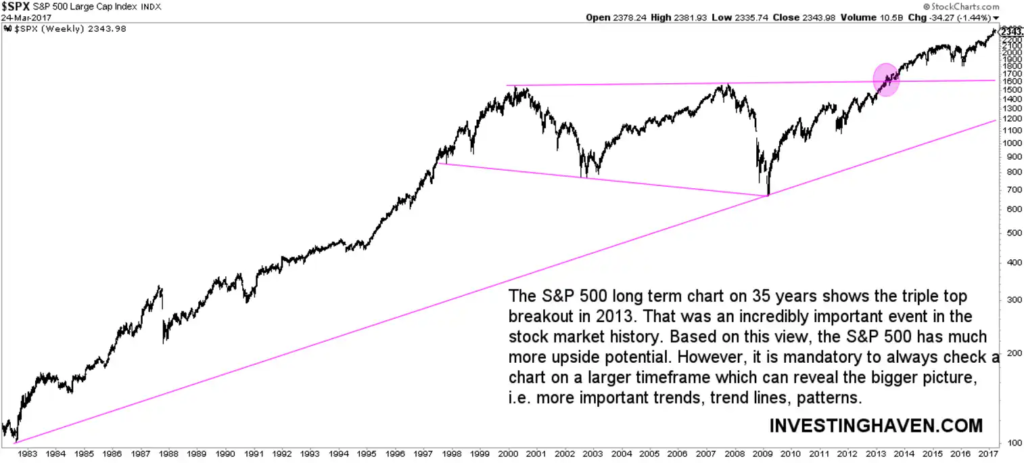
Financial markets can feel unpredictable in the short term. Prices fluctuate daily, headlines focus on volatility, and economic forecasts change frequently. Yet when examined over decades rather than months, market history reveals consistent patterns that offer valuable guidance for investors focused on gradual wealth building.
For example, the S&P 500 has historically delivered average annual returns of roughly 9–10% before inflation over long periods, according to data from financial research organizations such as Morningstar and Standard & Poor’s. Individual years vary widely, but over multi-decade periods, long-term participation in diversified markets has historically supported wealth accumulation.
Market history helps investors recognize that:
- Growth often occurs unevenly
- Temporary downturns are a normal part of the cycle
- Compounding rewards long-term participation
Understanding these patterns can help reduce emotional reactions to short-term market events.
The Power of Compounding Over Decades
One of the most important lessons from market history is the extraordinary impact of compounding. Compounding occurs when investment returns generate additional returns over time, creating exponential growth rather than linear growth.
Even modest annual returns can grow significantly across decades.
Consider a simplified example. An investor who contributes $500 per month to a diversified portfolio earning an average 7% annual return could accumulate more than $600,000 after 30 years, assuming reinvested returns.
What’s notable is that the largest portion of growth typically occurs during the later years. Early contributions create the foundation that allows compounding to accelerate.
Compounding becomes especially powerful when investors:
- Start investing early
- Reinvest dividends and interest
- Maintain consistent contributions
- Avoid withdrawing funds prematurely
Market history consistently shows that time in the market often matters more than short-term strategy adjustments.
What Long-Term Market Data Reveals
Examining long-term market data offers important context for wealth building. While markets experience recessions, corrections, and volatility, historical records demonstrate persistent long-term growth.
Key observations from decades of market data include:
- The U.S. stock market has recovered from every major downturn historically.
- Long investment horizons reduce the impact of short-term volatility.
- Missing the market’s best days can significantly reduce long-term returns.
Research from firms such as J.P. Morgan Asset Management has repeatedly shown that investors who miss just a handful of the market’s best-performing days over decades may experience dramatically lower overall returns. These best days often occur close to market downturns, making timing extremely difficult.
As a result, many financial planners emphasize staying invested rather than attempting to predict market movements.
Volatility Is a Normal Feature of Markets
Many investors underestimate how frequently markets experience declines. Historically, the stock market has experienced corrections of 10% or more roughly every 1–2 years on average.
While this may seem concerning, these declines are a natural part of market functioning. Short-term volatility often reflects changing expectations about economic growth, interest rates, or corporate earnings.
Market history shows that investors who remain disciplined during downturns often benefit when markets recover.
Some well-known examples include:
- The 2008 financial crisis, when markets declined sharply but later recovered and reached new highs.
- The dot-com crash in the early 2000s, followed by years of long-term growth.
- The 2020 pandemic market shock, which saw rapid declines followed by recovery.
These examples illustrate that downturns, while uncomfortable, have historically been temporary when viewed across longer time horizons.
Why Diversification Matters
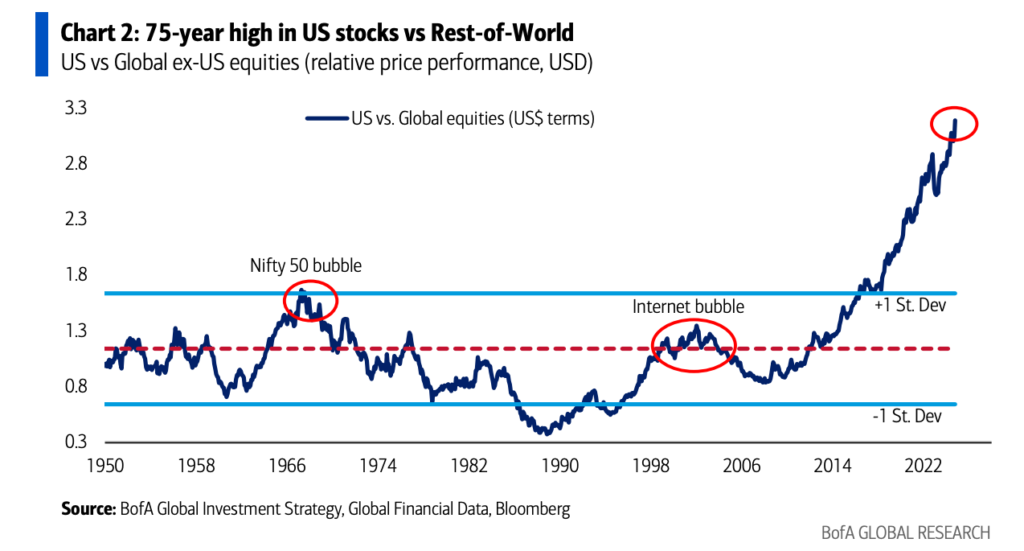
Another important lesson from market history is the value of diversification. Diversification involves spreading investments across multiple asset classes, sectors, and geographic regions to reduce risk.
Different types of assets respond differently to economic conditions. When one sector struggles, another may perform better, helping stabilize portfolio performance.
A diversified portfolio may include:
- U.S. stocks
- International stocks
- Bonds
- Real estate investment trusts (REITs)
- Cash equivalents
Diversification does not eliminate risk, but it can help reduce the impact of volatility from any single investment category.
Historical data shows that diversified portfolios tend to experience smoother performance than portfolios concentrated in a single sector or asset.
The Role of Consistent Investing
Market history also highlights the importance of consistency. Investors who contribute regularly—even during market downturns—often benefit from a concept known as dollar-cost averaging.
Dollar-cost averaging involves investing a fixed amount at regular intervals regardless of market conditions. This approach allows investors to purchase more shares when prices are low and fewer shares when prices are high.
Over time, this strategy can reduce the impact of market timing decisions.
Many retirement investors use dollar-cost averaging through workplace retirement plans such as:
- 401(k) plans
- 403(b) plans
- Individual Retirement Accounts (IRAs)
Regular investing aligns with the gradual wealth-building process observed throughout market history.
Behavioral Lessons From Market History
While market mechanics matter, investor behavior often plays an equally significant role in wealth outcomes.
Historical patterns show that emotional decision-making—such as selling during market downturns or chasing high-performing assets—can reduce long-term returns.
Common behavioral mistakes include:
- Selling during periods of market panic
- Attempting to predict short-term market movements
- Concentrating investments in trending sectors
- Ignoring long-term investment plans
Financial advisors often emphasize the importance of maintaining a disciplined investment strategy aligned with long-term goals.
The most successful long-term investors tend to focus less on daily market fluctuations and more on maintaining a consistent investment process.
Gradual Wealth Building vs. Rapid Gains
Media coverage often highlights stories of sudden financial success. However, market history suggests that most long-term wealth is built gradually rather than quickly.
Many high-net-worth households achieve financial stability through consistent habits such as:
- Long-term investing
- Regular savings
- Tax-efficient retirement contributions
- Reinvesting income from investments
These behaviors may not produce dramatic short-term gains, but they create steady progress over time.
Gradual wealth building also allows investors to adjust strategies as their financial situation evolves—something that sudden gains rarely allow for.
The Importance of Investment Time Horizons
Time horizon—the length of time an investor plans to remain invested—plays a major role in managing market risk.
Longer time horizons allow investors to withstand market fluctuations while benefiting from long-term growth trends.
Historically:
- Short-term market movements are highly unpredictable.
- Long-term market trends have been more stable.
For example, over one-year periods, stock market returns vary widely. Over 20–30 year periods, however, long-term historical data has consistently shown positive average returns for diversified equity portfolios.
This is why financial planning strategies often align investments with long-term goals such as retirement, education funding, or generational wealth planning.
Practical Ways to Apply Lessons From Market History
Investors who understand market history can apply its lessons to real-world financial decisions.
Several practical principles emerge from historical analysis:
- Start investing as early as possible
- Maintain consistent contributions
- Diversify across asset classes
- Avoid reacting emotionally to market volatility
- Focus on long-term financial goals rather than short-term market movements
These principles are widely recommended by financial planners, economists, and institutional investors because they align with decades of market performance data.
Gradual wealth building is less about predicting the future and more about participating consistently in long-term market growth.

Frequently Asked Questions
What does market history teach about investing?
Market history shows that long-term participation, diversification, and disciplined investing tend to produce more reliable outcomes than short-term speculation or market timing.
Is it possible to build wealth gradually through investing?
Yes. Many investors accumulate wealth over decades through regular contributions, reinvested returns, and diversified portfolios.
How important is compounding in long-term investing?
Compounding plays a central role. Returns generated by investments can produce additional returns over time, accelerating growth across long periods.
Why do financial advisors emphasize long-term investing?
Because historical market data shows that short-term movements are unpredictable, while long-term trends have generally supported growth.
How often do market corrections occur?
Market corrections of 10% or more occur roughly every one to two years historically, though recovery often follows over time.
What is dollar-cost averaging?
Dollar-cost averaging is investing a fixed amount at regular intervals regardless of market conditions, which can help reduce timing risk.
Does diversification reduce risk?
Diversification spreads investments across multiple asset classes, which can reduce the impact of losses from any single investment.
Can investors avoid all market downturns?
No. Market downturns are a normal part of economic cycles, but long-term investors historically benefit from staying invested.
Why is time horizon important?
A longer time horizon allows investors to ride out volatility and benefit from long-term market growth.
Do most wealthy investors rely on gradual growth?
Yes. Many high-net-worth individuals accumulate wealth through steady investing and disciplined financial planning rather than sudden gains.
A Long View of Wealth
Market history reminds investors that wealth building is rarely dramatic. Instead, it is shaped by steady participation, disciplined habits, and patience through economic cycles. While markets experience volatility, the broader trajectory over decades has historically rewarded investors who remain committed to long-term strategies.
Understanding these historical patterns helps investors approach financial decisions with greater perspective. Rather than reacting to short-term uncertainty, long-term investors can focus on consistency, diversification, and thoughtful planning.
Key Insights From Market History
- Long-term market participation has historically supported wealth growth
- Compounding becomes more powerful over extended time horizons
- Market downturns are common but historically temporary
- Diversification helps manage investment risk
- Consistent investing often reduces the impact of market timing
- Emotional reactions can negatively affect long-term results
- Gradual wealth building is typically more sustainable than rapid gains