Summary
Compounding is one of the most powerful mechanisms behind long-term wealth creation. By reinvesting earnings so that returns generate their own returns, compounding accelerates financial growth over time. Understanding how it works—and how to apply it consistently through investing, saving, and disciplined financial habits—can significantly improve the chances of building durable wealth over decades.
Understanding Compounding in Simple Terms
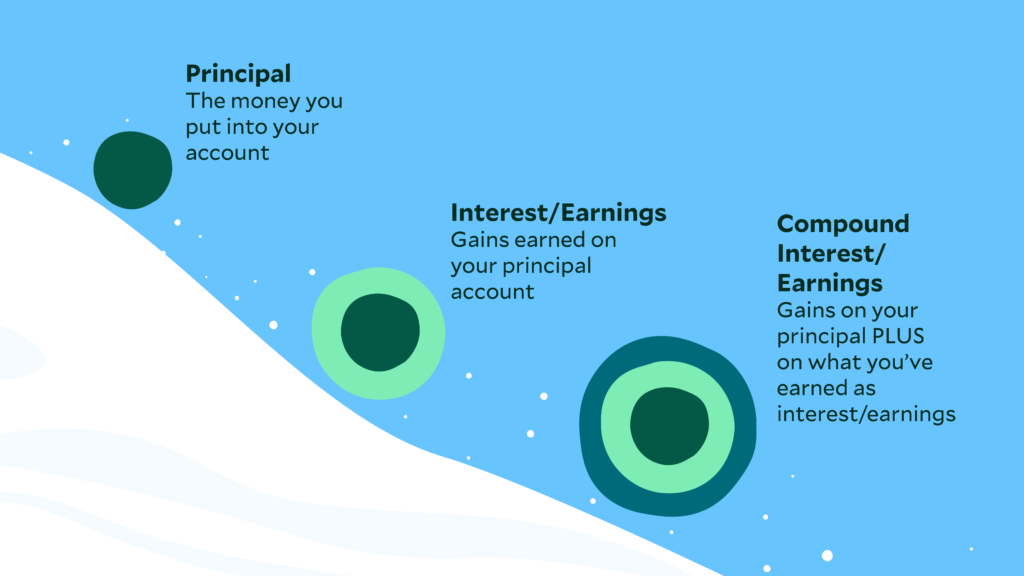
Compounding is the process where earnings from an investment generate additional earnings over time. Instead of withdrawing gains, investors reinvest them, allowing both the original principal and accumulated returns to grow together.
This creates a snowball effect: the longer the time horizon, the larger the impact.
For example, if you invest $10,000 at a 7% annual return and reinvest the gains:
- After 10 years: about $19,671
- After 20 years: about $38,697
- After 30 years: about $76,123
The growth in the final decade alone exceeds the total gains from the first decade. That is compounding at work.
According to data from the U.S. Securities and Exchange Commission and long-term market studies from investment research firms like Morningstar, the U.S. stock market has historically delivered average annual returns of roughly 8–10% before inflation over long periods. Compounding turns those steady returns into substantial wealth when given enough time.
Why Time Is the Most Important Ingredient
Compounding is not primarily about picking perfect investments. It is mostly about time and consistency.
When returns compound over many years, small differences in time horizon create major differences in outcomes.
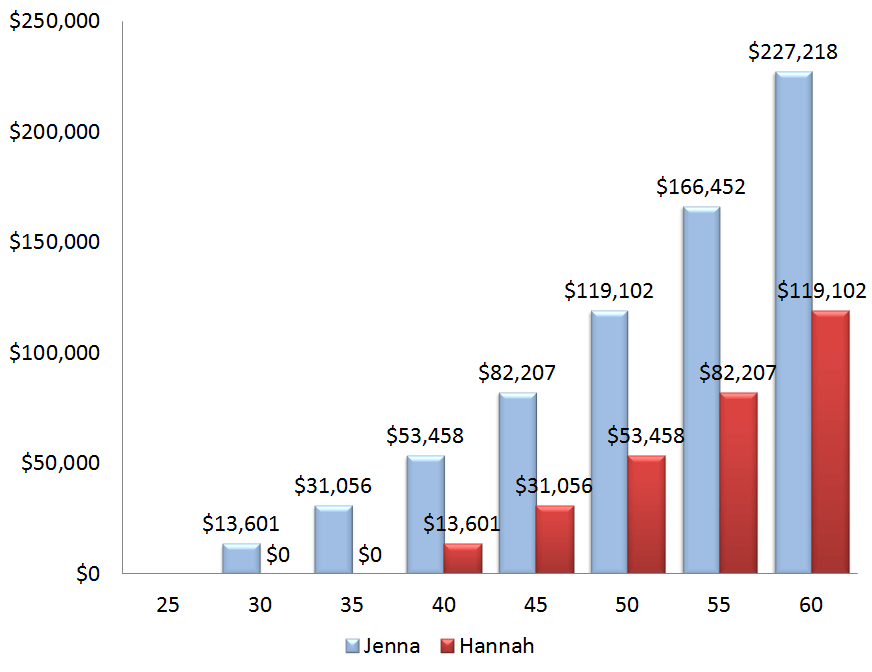
Consider two investors:
- Investor A starts investing $5,000 annually at age 25 and stops at age 35.
- Investor B starts investing $5,000 annually at age 35 and continues until age 65.
Assuming an average 7% return:
- Investor A invests $50,000 total
- Investor B invests $150,000 total
Yet Investor A can still end up with more wealth at retirement, simply because their investments compounded for a longer period.
This illustrates a critical reality of wealth building: starting early often matters more than investing larger amounts later.
The Mathematics Behind Long-Term Wealth
Compounding follows an exponential growth curve rather than a straight line. Early growth often appears slow, which can lead people to underestimate its power.
But as years pass, the curve steepens dramatically.
Key drivers of compounding include:
- Rate of return – Higher returns accelerate growth.
- Time horizon – The longer money remains invested, the greater the compounding effect.
- Consistency of contributions – Regular investing increases the base that compounds.
- Reinvestment of earnings – Withdrawing gains interrupts the compounding cycle.
Even small differences in these variables can lead to significantly different long-term results.
Real-World Examples of Compounding at Work
Retirement Accounts
Employer-sponsored retirement plans such as 401(k)s demonstrate compounding clearly. Contributions are invested in assets like index funds, bonds, or target-date funds, and earnings remain invested.
Over decades, reinvested dividends and capital gains drive substantial growth.
For example:
- Contributing $500 per month to a retirement account
- Average annual return of 7%
- Investment period of 30 years
The result would be roughly $609,000, even though the total contributions equal $180,000.
More than two-thirds of the final balance comes from compounded investment returns.
Dividend Reinvestment
Many long-term investors reinvest dividends instead of taking them as income.
Dividend reinvestment plans (DRIPs) automatically purchase additional shares using dividend payments. Over time, the increasing number of shares generates even more dividends.
This compounding effect has historically been a major component of stock market returns.
According to data from Standard & Poor’s historical research, dividends and reinvested dividends have accounted for a large portion of long-term total returns in the S&P 500.
Long-Term Index Fund Investing
Low-cost index funds are frequently used in long-term investing strategies because they allow investors to participate in broad market growth.
The compounding benefits appear when:
- dividends are reinvested
- costs remain low
- investments remain untouched for decades
For many investors, the combination of disciplined contributions and market compounding forms the foundation of retirement savings.
Compounding Works Beyond the Stock Market
Compounding is not limited to traditional investments. It appears in several areas of personal finance.
Savings Accounts
Interest earned in savings accounts compounds if it remains in the account. While interest rates are lower than equity returns, compounding still increases balances gradually.
Real Estate
Rental income reinvested into additional properties or property improvements can create compounded growth in real estate portfolios.
Business Ownership
Business profits reinvested into operations, expansion, and innovation can compound earnings over time.
Entrepreneurs often experience compounding through:
- growing customer bases
- reinvested profits
- increasing brand value
The Cost of Interrupting Compounding
One of the most overlooked aspects of wealth creation is the damage caused when compounding is interrupted.
Common ways compounding gets disrupted include:
- withdrawing investment gains too early
- selling long-term investments during market downturns
- high management fees or trading costs
- inconsistent contributions
- lifestyle inflation that reduces saving capacity
Even seemingly small fees can significantly reduce long-term growth.
For example, the difference between a 1% annual fee and a 0.1% fee on a large retirement portfolio can result in tens of thousands of dollars lost over decades.
Maintaining uninterrupted compounding is often as important as achieving strong investment returns.
Behavioral Discipline and Compounding
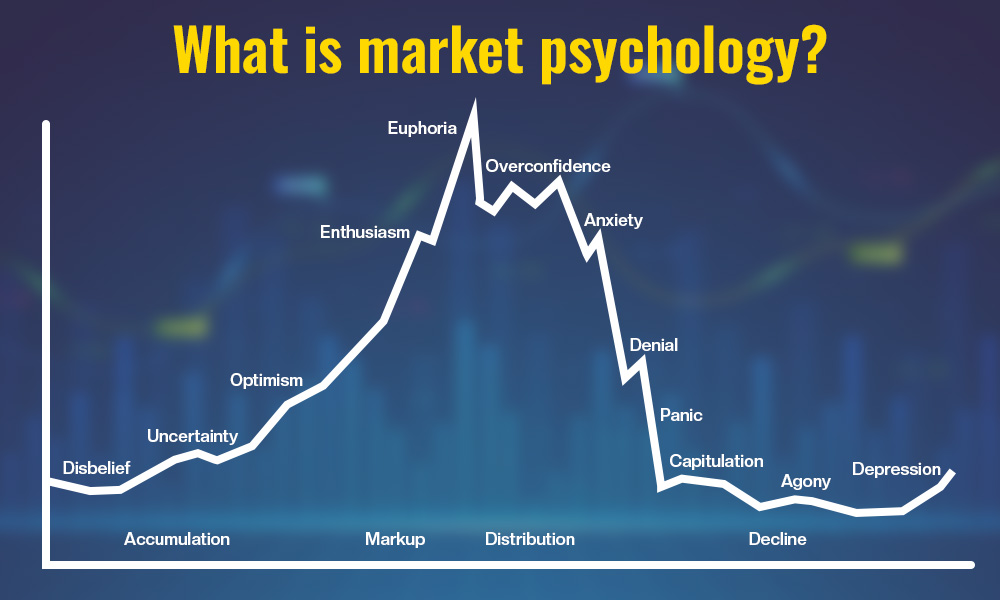
Compounding rewards patience. Unfortunately, many investors undermine it through emotional decision-making.
Market volatility can tempt investors to:
- sell during downturns
- chase short-term trends
- abandon long-term strategies
However, long-term data shows that staying invested through market cycles typically produces better outcomes than attempting to time the market.
Behavioral discipline is therefore an essential companion to compounding.
Strategies that help maintain discipline include:
- automatic monthly contributions
- diversified portfolios
- long-term investment plans
- avoiding frequent portfolio adjustments
- focusing on decades rather than months
These habits allow compounding to work uninterrupted.
How Americans Can Start Harnessing Compounding
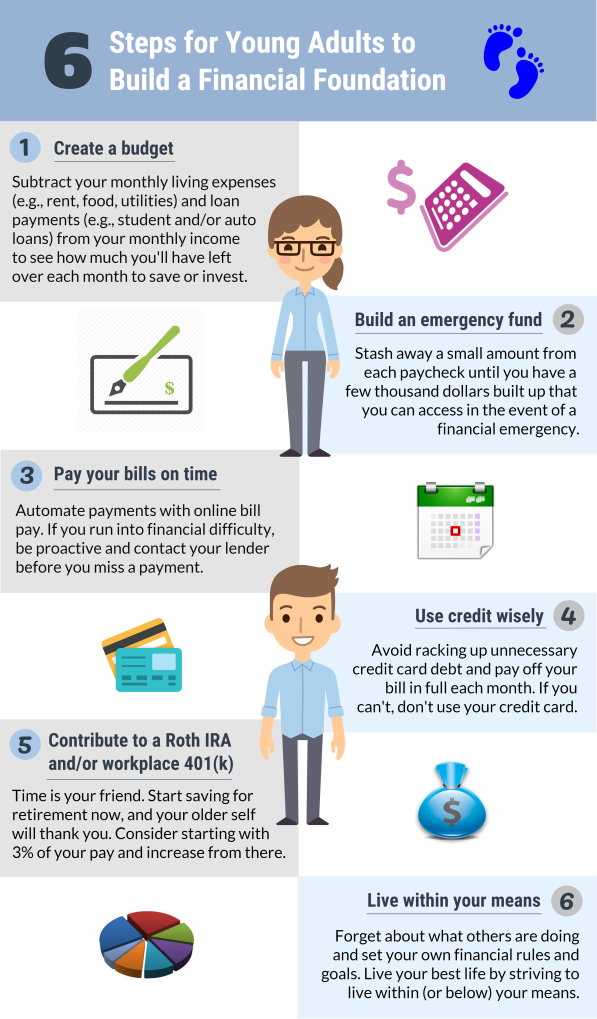
Building wealth through compounding does not require sophisticated strategies. It usually begins with simple, consistent financial habits.
Key starting points include:
- Start investing early, even with small amounts.
- Use tax-advantaged accounts such as retirement plans or IRAs.
- Reinvest dividends and interest whenever possible.
- Maintain a long-term investment horizon.
- Keep investment costs low.
- Increase contributions gradually as income rises.
Many successful long-term investors attribute their results not to perfect investment decisions but to consistent participation in compounding over decades.

Frequently Asked Questions
What is compounding in investing?
Compounding occurs when investment earnings generate additional earnings because returns are reinvested rather than withdrawn.
Why is compounding important for wealth creation?
It allows investments to grow exponentially over time, meaning returns generate more returns.
How long does compounding take to show results?
Compounding becomes most noticeable over long periods—typically 15 to 30 years.
What types of investments benefit from compounding?
Stocks, index funds, retirement accounts, dividend-paying investments, and interest-bearing savings accounts all benefit from compounding.
Does compounding work with small investments?
Yes. Even small contributions can grow substantially when invested consistently over decades.
What is the biggest mistake that disrupts compounding?
Frequent withdrawals or selling investments prematurely often interrupts compounding.
How does inflation affect compounding?
Inflation reduces purchasing power, so long-term investments must outpace inflation to grow real wealth.
Are dividends important for compounding?
Yes. Reinvested dividends significantly contribute to long-term investment growth.
Can compounding help with retirement planning?
Compounding is one of the primary mechanisms behind retirement account growth over long time horizons.
Is compounding guaranteed?
No investment returns are guaranteed, but historically diversified markets have produced compounding growth over long periods.
The Quiet Engine Behind Long-Term Financial Independence
Compounding is often described as the most powerful force in long-term investing because it transforms patience into financial growth.
The concept itself is straightforward: reinvest earnings, allow time to do the heavy lifting, and maintain consistent contributions.
For many households, wealth does not come from sudden windfalls or perfect market timing. It comes from decades of disciplined saving, investing, and allowing compounding to steadily multiply financial resources.
Understanding this principle—and respecting the role of time—can reshape how people approach money, investing, and long-term financial security.
Key Insights at a Glance
- Compounding allows earnings to generate additional earnings over time.
- Time is the most important factor in maximizing compounding.
- Consistent investing amplifies long-term results.
- Reinvesting dividends significantly increases growth.
- Low investment costs protect compounded returns.
- Emotional investing decisions often interrupt compounding.
- Retirement accounts rely heavily on compounded growth.
- Starting early typically matters more than investing larger amounts later.