Summary
Long-term wealth rarely comes from luck or short-term speculation. Experienced investors tend to follow a set of consistent principles: disciplined saving, diversified portfolios, patience, risk management, and continuous learning. These strategies are grounded in decades of financial research and real-world results. Understanding these principles can help everyday investors build durable wealth and avoid common mistakes.
Why Experienced Investors Often Follow the Same Core Principles
Across decades of market cycles, economic booms, recessions, and technological change, successful wealth builders tend to follow remarkably similar investment habits. These individuals may come from different backgrounds—entrepreneurs, corporate executives, real estate investors, or portfolio managers—but the foundational principles they apply often overlap.
This consistency is not accidental. Markets reward discipline and long-term thinking, while punishing impulsive behavior and emotional decision-making.
Research from Dalbar’s Quantitative Analysis of Investor Behavior has repeatedly shown that average investors significantly underperform the broader market because they frequently buy and sell based on emotion rather than strategy.
Experienced investors avoid this trap by building systems that reduce emotional decision-making.
The principles below appear again and again in interviews with successful investors, financial planners, and wealth managers.
Principle 1: Consistency Matters More Than Timing
Many new investors believe that success depends on perfectly timing the market—buying at the lowest point and selling at the highest.
In reality, experienced investors understand that consistent investing over time matters far more.
Historically, the U.S. stock market has produced strong long-term returns despite frequent short-term volatility. According to data from Morningstar and Vanguard, missing just a handful of the market’s best days can dramatically reduce overall returns.
This is why seasoned investors often rely on strategies such as dollar-cost averaging—investing a fixed amount at regular intervals regardless of market conditions.
Rather than waiting for the “perfect moment,” they focus on staying invested.

Principle 2: Diversification Protects Against the Unexpected
Diversification is one of the most widely shared principles among experienced wealth builders.
Markets are unpredictable. Individual companies fail, industries decline, and economic shocks occur without warning.
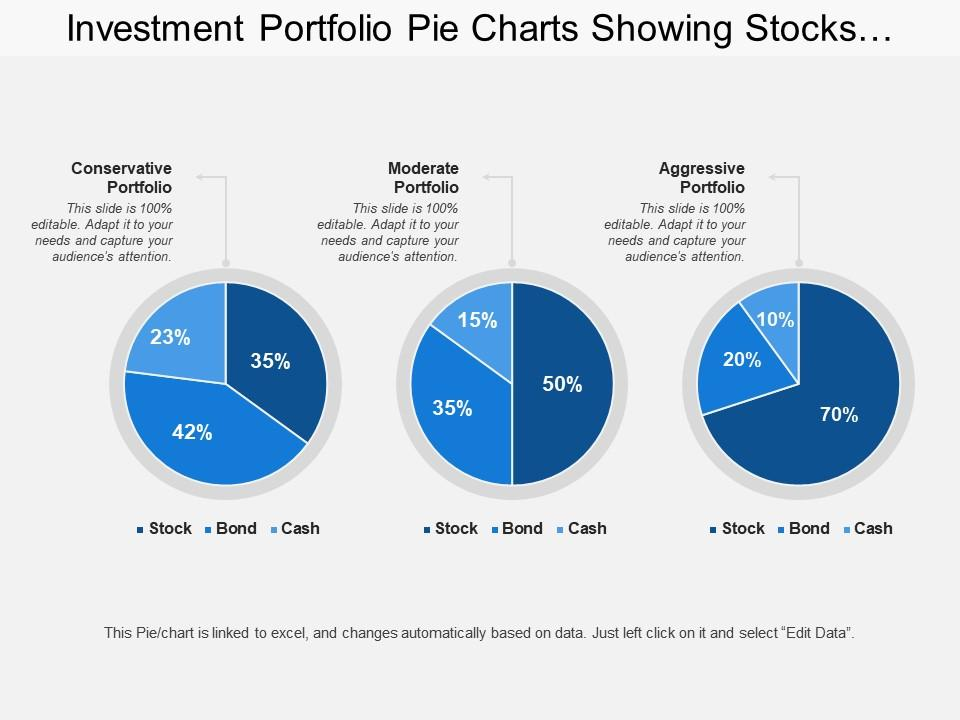
A diversified portfolio spreads risk across multiple asset classes.
Common diversification strategies include:
- Investing in stocks, bonds, and real estate
- Holding broad index funds instead of single stocks
- Spreading investments across different sectors
- Including international exposure
Diversification doesn’t eliminate risk, but it significantly reduces the impact of any single investment performing poorly.
As Nobel Prize–winning economist Harry Markowitz, the father of modern portfolio theory, famously described diversification:
“The only free lunch in finance.”
Principle 3: Long-Term Thinking Beats Short-Term Speculation
Experienced wealth builders rarely treat investing like gambling.
Instead, they view it as a long-term process of ownership and compounding.
Legendary investor Warren Buffett has often emphasized that the best investment holding period is “forever.”
While most investors will still rebalance portfolios over time, the core philosophy remains the same: investments should be chosen with multi-year or multi-decade horizons in mind.
Long-term thinking offers several advantages:
- Reduced transaction costs
- Lower tax burdens
- Greater exposure to compound growth
- Less emotional stress from short-term volatility
Historically, patient investors who stayed invested through downturns have often benefited most from eventual recoveries.
Principle 4: Compound Growth Is the Engine of Wealth
One concept appears repeatedly in conversations with experienced investors: compounding.
Compounding occurs when investment returns generate additional returns over time.
For example, a portfolio earning 8% annually does not simply grow by 8% each year. Instead, the gains from prior years begin generating new gains.
Over long periods, this effect becomes dramatic.
According to historical market data:
- $10,000 invested at 8% annually becomes roughly $100,000 in 30 years
- Over 40 years, it grows to more than $217,000
This is why experienced wealth builders often prioritize starting early and remaining invested.
Even small contributions can grow significantly over time.
Principle 5: Risk Management Is More Important Than Chasing Returns
New investors often focus heavily on maximizing returns.
Experienced investors think first about managing risk.
This perspective shift is important because large losses can be difficult to recover from.
For example, a portfolio that declines 50% must gain 100% just to break even.
Risk management strategies commonly used by seasoned investors include:
- Maintaining diversified portfolios
- Avoiding excessive leverage
- Holding emergency liquidity
- Adjusting asset allocation based on age or financial goals
Rather than attempting to eliminate risk entirely—which is impossible—experienced investors aim to ensure that no single mistake can permanently damage their financial future.

Principle 6: Costs and Taxes Matter More Than Many Investors Realize
Investment returns are not only determined by market performance.
Fees, expenses, and taxes can quietly erode long-term gains.
For example, a portfolio paying 1.5% annually in fees can lose tens or even hundreds of thousands of dollars over several decades.
This is one reason many experienced investors favor low-cost index funds.
According to research from S&P Dow Jones Indices, most actively managed funds underperform their benchmark indexes over long periods after fees.
Additionally, tax efficiency plays an important role in wealth building.
Strategies often used by experienced investors include:
- Holding investments for long-term capital gains treatment
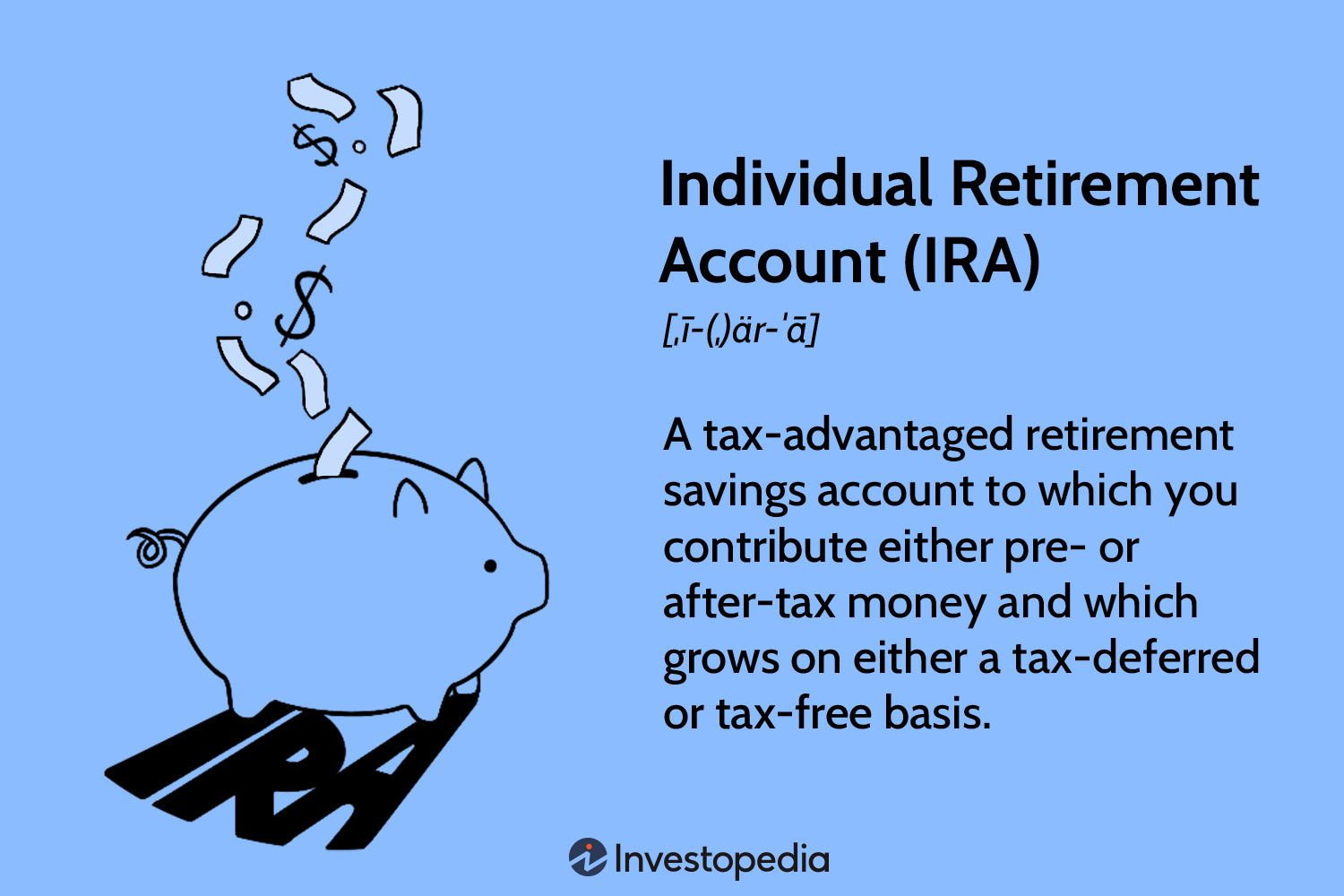
- Using tax-advantaged accounts such as 401(k)s and IRAs
- Practicing tax-loss harvesting in taxable portfolios
Over decades, these small improvements can significantly increase net returns.
Principle 7: Emotional Discipline Is a Critical Advantage
Markets fluctuate constantly.
Economic headlines, political events, and unexpected crises can trigger fear or excitement among investors.
Experienced wealth builders develop habits that help them stay disciplined during market turbulence.
Common behavioral strategies include:
- Avoiding frequent portfolio checking
- Sticking to predetermined investment plans
- Rebalancing portfolios periodically instead of reacting to news
- Maintaining a long-term perspective during downturns
During the 2008 financial crisis, many investors sold stocks near the market bottom. Those who stayed invested—or continued buying—benefited when markets eventually recovered.
Emotional discipline often separates successful investors from those who struggle.
Principle 8: Income Growth Often Fuels Investment Growth
Many wealthy individuals did not accumulate their wealth purely through investment returns.
Instead, they combined growing income with disciplined investing.
As income increases, experienced wealth builders typically increase their investment contributions rather than dramatically increasing lifestyle spending.
This strategy allows them to accelerate wealth accumulation.
Examples include:
- Increasing retirement contributions after promotions
- Reinvesting business profits into diversified investments
- Using bonus income for long-term investments
Over time, this creates a powerful feedback loop between income and investment growth.
Principle 9: Continuous Learning Improves Investment Decisions
Financial markets evolve constantly.
New industries emerge, regulations change, and global economic forces shift.
Experienced investors remain students of the market.
They regularly read financial reports, research economic trends, and study past market cycles.
Common learning habits include:
- Reading annual shareholder letters
- Studying economic history
- Following reputable financial publications
- Learning from both successful and failed investments
This commitment to continuous learning helps investors refine their strategies and avoid repeating costly mistakes.

Frequently Asked Questions
What is the most important principle of successful investing?
Consistency and long-term discipline are often considered the most important factors. Investors who regularly contribute to diversified portfolios and remain invested through market cycles historically achieve better results than those attempting to time the market.
How much diversification does an investor need?
A well-diversified portfolio typically includes multiple asset classes, sectors, and geographic regions. Many financial advisors recommend holding broad index funds that provide exposure to hundreds or thousands of companies.
Do experienced investors still make mistakes?
Yes. Even professional investors experience losses. The difference is that experienced investors manage risk carefully so that individual mistakes do not permanently damage their portfolios.
Are index funds better than individual stocks?
For many investors, index funds offer advantages such as diversification, low costs, and simplicity. However, some experienced investors also allocate a portion of their portfolios to individual companies they understand well.
How important is starting early?
Starting early is extremely valuable because of compound growth. Even modest investments made consistently over decades can grow significantly.
What percentage of income should be invested?
Many financial planners suggest investing 10–20% of income, though the appropriate percentage varies depending on financial goals, age, and income level.
Should investors change strategy during market crashes?
Experienced investors typically avoid drastic changes during downturns. Instead, they often continue investing or rebalance portfolios according to long-term plans.
Can someone build wealth without a high income?
Yes. While higher income can accelerate investing, disciplined saving, low costs, and long-term investing can still produce meaningful wealth over time.
How often should an investment portfolio be reviewed?
Most experts recommend reviewing portfolios once or twice per year and rebalancing if allocations drift significantly from targets.
Is real estate necessary for building wealth?
Real estate can be a powerful wealth-building tool, but it is not required. Many investors build substantial wealth through diversified portfolios of stocks and bonds.
A Perspective Shared by Many Seasoned Investors
Across industries and generations, successful wealth builders rarely rely on shortcuts or speculation. Their strategies emphasize patience, diversification, risk management, and consistent investing.
While markets will continue to change, these principles have remained remarkably stable for decades.
Investors who focus on long-term discipline rather than short-term predictions often place themselves in the strongest position to benefit from the gradual accumulation of wealth.
Key Lessons Investors Consistently Emphasize
- Consistent investing often matters more than perfect timing
- Diversification helps reduce exposure to unexpected risks
- Long-term investing allows compound growth to work effectively
- Managing risk is just as important as pursuing returns
- Investment costs and taxes can significantly impact net performance
- Emotional discipline helps investors avoid costly decisions
- Increasing income and savings rates accelerates wealth building
- Continuous learning improves financial judgment over time