Summary
Patient investors typically focus on consistency, time, and disciplined decision-making rather than quick gains. Their approach centers on long-term investing, diversification, regular contributions, and avoiding emotional reactions to market volatility. By allowing compounding to work over decades, they steadily build wealth while managing risk. This long-view mindset is widely recognized by financial professionals as a sustainable path toward financial security.
Why Patience Plays Such a Central Role in Wealth Building
In the United States, wealth accumulation rarely happens through sudden breakthroughs or short-term market timing. Instead, it often develops slowly through disciplined habits maintained over many years. Patient investors tend to prioritize long-term growth, understanding that financial markets historically reward consistency more than speculation.
According to long-term data from S&P Dow Jones Indices, the U.S. stock market has historically delivered average annual returns of roughly 9–10% over long periods, though individual years can vary widely. Investors who remain invested through market cycles tend to benefit from this long-term upward trend.
Patience matters because markets move in cycles. Periods of volatility, economic uncertainty, and corrections are normal. Investors who react emotionally—selling during downturns or chasing sudden trends—often undermine their long-term results.
Patient investors typically recognize that wealth accumulation is less about predicting the next market move and more about maintaining a consistent strategy that works over decades.

The Long-Term Mindset Behind Patient Investing
One of the defining traits of patient investors is their perspective on time. Instead of focusing on quarterly results or short-term headlines, they evaluate investments over horizons of 10, 20, or even 30 years.
This long-term thinking influences several aspects of financial behavior. Patient investors often prioritize retirement planning, tax efficiency, and compounding rather than frequent portfolio changes.
For example, a professional who begins investing $500 per month in their early 30s and maintains that habit for decades may accumulate significant wealth simply through steady contributions and reinvested returns.
The long-term mindset often includes:
- Accepting that markets will fluctuate
- Focusing on overall trends rather than daily movements
- Evaluating investments based on long-term potential
- Avoiding impulsive decisions driven by headlines
Financial planners frequently emphasize that the most successful investors are often those who remain disciplined during periods of uncertainty.
Compounding: The Engine Behind Patient Wealth Growth
Compounding is one of the most powerful forces in long-term investing. It occurs when investment earnings generate additional earnings over time.
Many patient investors structure their portfolios specifically to maximize the benefits of compounding by reinvesting dividends and interest.
Consider a simple example:
If someone invests $10,000 and earns an average 8% annual return, their investment could grow to approximately $46,600 over 20 years, assuming returns are reinvested. Over longer timeframes, the effect becomes even more significant.
Patient investors typically understand that compounding works best when:
- Investments remain untouched for long periods
- Contributions continue regularly
- Earnings are reinvested
- Portfolio changes are minimal
Because of this, patience becomes a practical strategy rather than merely a philosophical one.
How Patient Investors Handle Market Volatility
Market volatility can test even experienced investors. Patient investors usually prepare for these moments in advance by adopting strategies that reduce the need for reactive decisions.
Historically, U.S. markets have experienced numerous downturns—from the 2008 financial crisis to the 2020 pandemic decline. Yet long-term investors who remained invested often saw their portfolios recover as markets rebounded.
Instead of reacting emotionally, patient investors typically focus on fundamentals.
Their approach often includes:
- Maintaining diversified portfolios
- Avoiding panic selling during downturns
- Continuing regular investments during market dips
- Reviewing portfolios periodically rather than constantly
Many financial professionals note that downturns can sometimes present opportunities to purchase investments at lower prices, though this depends on individual financial circumstances.
Diversification as a Long-Term Stability Tool
Another hallmark of patient investing is diversification. Rather than concentrating wealth in a small number of investments, patient investors often spread their assets across different categories.
Diversification helps reduce the impact of any single investment performing poorly.
Typical diversified portfolios may include:
- U.S. equities
- International stocks
- Bonds or fixed-income securities
- Real estate investment trusts (REITs)
- Cash or short-term reserves
This balanced approach allows investors to participate in long-term market growth while moderating volatility.
For example, during periods when equities decline, bonds may help stabilize a portfolio. Over decades, this balance can contribute to more predictable wealth accumulation.
The Role of Consistent Contributions
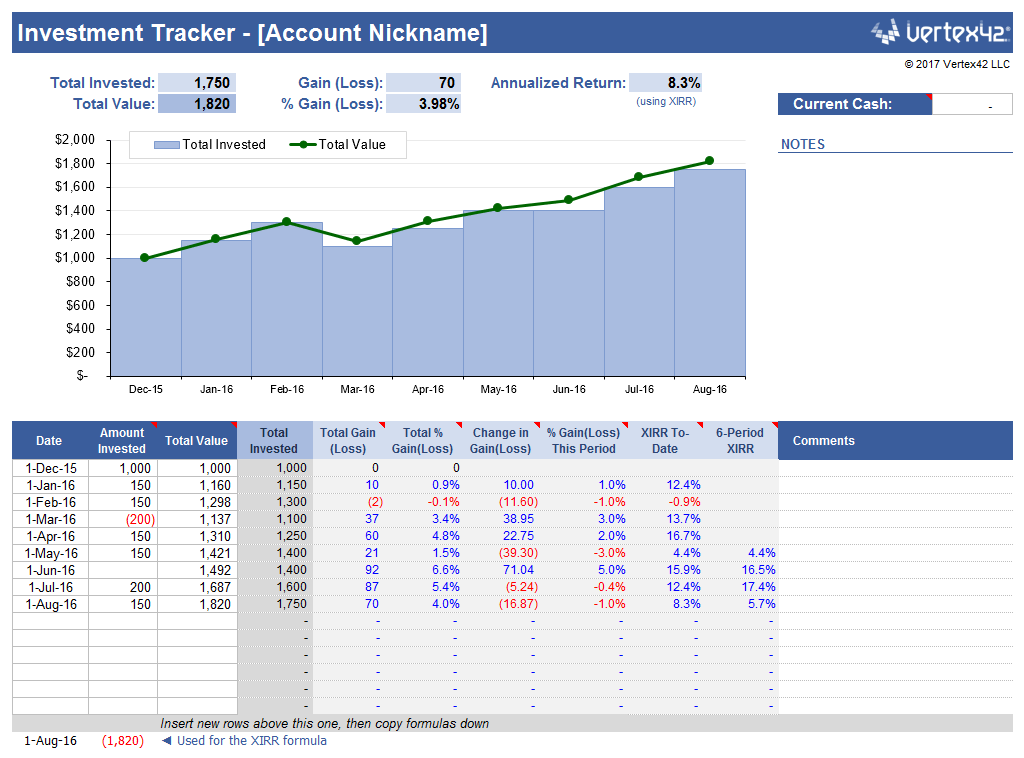
One common habit among patient investors is consistent investing. Instead of attempting to predict ideal entry points, they contribute regularly.
This strategy is often associated with dollar-cost averaging, where investors invest a fixed amount at regular intervals regardless of market conditions.
This approach offers several advantages:
- Reduces the pressure of timing the market
- Smooths out purchase prices over time
- Builds disciplined financial habits
- Encourages steady wealth accumulation
Many Americans implement this strategy through workplace retirement plans such as 401(k) accounts, where contributions are automatically deducted from paychecks.
According to the Investment Company Institute, millions of Americans use retirement accounts as their primary long-term investment vehicle, benefiting from consistent contributions and tax advantages.
How Patient Investors Structure Their Portfolios
While investment strategies vary, patient investors often follow similar structural principles when designing portfolios.
These principles typically emphasize balance, efficiency, and sustainability.
Common structural practices include:
- Allocating assets based on long-term goals
- Rebalancing portfolios periodically
- Minimizing excessive trading
- Using diversified funds such as index funds or ETFs
- Maintaining emergency savings outside investment accounts
For example, someone saving for retirement might allocate a larger portion of their portfolio to equities earlier in life and gradually shift toward more conservative assets as retirement approaches.
This gradual adjustment helps align investments with changing financial priorities.
Behavioral Habits That Support Long-Term Investing
Financial success often depends as much on behavior as on strategy. Patient investors tend to develop habits that reinforce disciplined decision-making.
Several behavioral patterns frequently appear among long-term investors.
These include:
- Limiting exposure to daily market noise
- Setting clear financial goals
- Reviewing investments annually rather than constantly
- Avoiding trend-driven investment decisions
- Staying informed without becoming reactive
Research in behavioral finance suggests that emotional decision-making can significantly impact investment outcomes. By developing structured habits, patient investors reduce the likelihood of impulsive actions.
Over time, these behavioral choices may contribute as much to wealth accumulation as the investments themselves.
Real-World Example: A Long-Term Investment Approach
Consider a hypothetical example common among many American households.
A 30-year-old professional begins contributing $600 per month to a diversified portfolio of index funds. Assuming an average annual return of 7%, their investments could grow to more than $700,000 by age 65.
What makes this scenario realistic is not extraordinary investment skill, but consistency and patience.
Throughout the decades, markets will likely experience downturns, rallies, and economic shifts. Yet investors who maintain their strategy often benefit from the long-term growth of the economy.
This example reflects a pattern frequently observed in long-term retirement planning.

Frequently Asked Questions
What is patient investing?
Patient investing refers to a long-term investment approach that focuses on steady growth over many years rather than short-term market gains.
Why do long-term investors often outperform short-term traders?
Frequent trading can increase costs, taxes, and emotional decision-making. Long-term investors often benefit from compounding and reduced transaction activity.
How long should investments typically be held?
Many financial professionals recommend investment horizons of 10 years or longer for equity investments, though the appropriate timeline depends on individual financial goals.
What types of investments are commonly used by patient investors?
Diversified index funds, ETFs, retirement accounts, and balanced portfolios are commonly used because they provide broad market exposure.
How do patient investors manage risk?
They typically diversify across asset classes, maintain long-term perspectives, and periodically rebalance portfolios.
Is dollar-cost averaging effective?
Many investors use it because it reduces the need to time the market and encourages consistent investing habits.
Do patient investors ignore market news?
Not entirely. They stay informed but avoid making impulsive decisions based on short-term headlines.
Can wealth really grow through small regular investments?
Yes. Over decades, consistent contributions combined with compounding can significantly increase portfolio value.
How often should long-term portfolios be reviewed?
Many advisors recommend reviewing portfolios once or twice per year unless major life events occur.
Is patience more important than strategy?
Both matter, but patience allows strategies to work over time. Without patience, even well-designed strategies can fail.
The Quiet Discipline Behind Long-Term Wealth
Patient investing rarely attracts headlines because it is gradual and methodical. Yet this steady approach has supported the financial progress of many households across the United States.
Rather than seeking rapid gains, patient investors focus on sustainable growth through consistency, diversification, and long-term thinking. Over time, these habits can transform modest contributions into meaningful financial security.
The lesson often emphasized by experienced investors is simple: wealth accumulation tends to reward those who remain disciplined, informed, and patient through changing market conditions.
Key Insights to Remember
- Long-term market participation often matters more than timing
- Compounding rewards patience and consistent reinvestment
- Diversification helps stabilize portfolios during volatility
- Regular contributions build wealth gradually over time
- Emotional discipline plays a major role in investment success