Summary
Small financial habits—how you save, spend, invest, and borrow—can compound into life-changing outcomes over decades. Minor choices like paying down high-interest debt early, increasing retirement contributions, avoiding lifestyle inflation, and maintaining consistent investing often matter more than occasional big financial moves. Understanding these everyday decisions helps individuals steadily build long-term wealth and financial stability.
Why Small Financial Decisions Matter More Than Big Ones
Many people believe wealth is built through major events—large investments, big raises, or inheritance. In reality, long-term net worth is often shaped by small financial choices repeated thousands of times over decades.
Financial researchers frequently emphasize the power of compounding behavior. According to historical data from the S&P 500, long-term investors have averaged roughly 10% annual returns before inflation over many decades. What matters most is not finding the perfect investment but starting early and staying consistent.
For example, consider two people:
- One starts investing $200 per month at age 25.
- Another waits until 35 but invests $400 per month.
Despite investing less overall, the first investor may end up with more money by retirement simply because of compounding.
These patterns show that timing, consistency, and discipline often outweigh dramatic financial moves.

The Hidden Impact of Everyday Spending Choices
Small spending decisions are rarely viewed as financial strategy, yet they shape savings potential over time.
Most households focus on large expenses like housing and vehicles, but everyday consumption habits—subscriptions, dining out, impulse purchases—can quietly erode long-term wealth.
For example, spending $15 per day on discretionary purchases equals:
- $5,475 per year
- Over $160,000 across 30 years without accounting for investment growth
If that same amount were invested annually with a modest 7% return, the total could exceed $500,000 over three decades.
This does not mean eliminating enjoyment. Instead, long-term wealth building usually comes from intentional spending, where purchases align with personal priorities.
Common areas where small spending habits accumulate include:
- Subscription services that are rarely used
- Daily convenience purchases
- Frequent small online shopping orders
- High-fee banking or financial services
Many financially stable households simply develop a habit of regularly reviewing recurring expenses.
The Early Savings Advantage
Starting to save early is one of the most powerful financial advantages available to individuals.
Compound growth means each dollar invested today has far more time to multiply than money saved later.
For example:
- $5,000 invested annually beginning at age 25
- $5,000 invested annually beginning at age 35
Assuming a 7% return:
- Age 25 investor could accumulate roughly $1.1 million by age 65
- Age 35 investor might reach around $540,000
The difference largely comes from ten extra years of compounding, not larger contributions.
Small early decisions that make a significant long-term difference include:
- Enrolling in workplace retirement plans immediately
- Increasing savings rates gradually
- Investing tax refunds or bonuses
- Reinvesting dividends rather than spending them
Even modest contributions early in life can shape long-term financial outcomes.
Managing Debt Before It Compounds Against You
While compound interest can build wealth, it can also work in reverse when debt carries high interest rates.
Credit card interest rates in the United States often exceed 20% annually, meaning unpaid balances can grow rapidly.
A seemingly small decision—paying only the minimum balance—can dramatically increase long-term costs.
Consider a $6,000 credit card balance with 20% interest:
- Minimum payments could stretch repayment over more than a decade
- Total interest paid could exceed $7,000
Small debt management habits that protect long-term net worth include:
- Paying more than the minimum balance whenever possible
- Consolidating high-interest debt strategically
- Avoiding long-term revolving balances
- Building an emergency fund to reduce reliance on credit
Reducing high-interest debt is often one of the highest-return financial decisions available.

The Quiet Power of Incremental Investing
Many investors assume wealth requires large lump-sum investments. In practice, most long-term portfolios grow through small, regular contributions.
Automatic investing helps eliminate emotional decision-making and market timing mistakes.
Common examples include:
- Automatic transfers into brokerage accounts
- Payroll deductions into retirement plans
- Monthly contributions to index funds
Data from Vanguard and Fidelity retirement studies consistently shows that consistent investors often outperform those who frequently change strategies.
Dollar-cost averaging—investing the same amount regularly regardless of market conditions—helps smooth volatility and reduces the risk of investing large sums during market peaks.
Over decades, this disciplined approach often builds substantial wealth.
Lifestyle Inflation: The Silent Wealth Killer
As income grows, spending tends to rise as well. Economists refer to this pattern as lifestyle inflation.
Without conscious control, raises and bonuses can disappear into upgraded housing, vehicles, and discretionary spending.
A professional who increases spending every time income rises may find their savings rate unchanged—even with significant salary growth.
Financial planners often recommend a simple strategy:
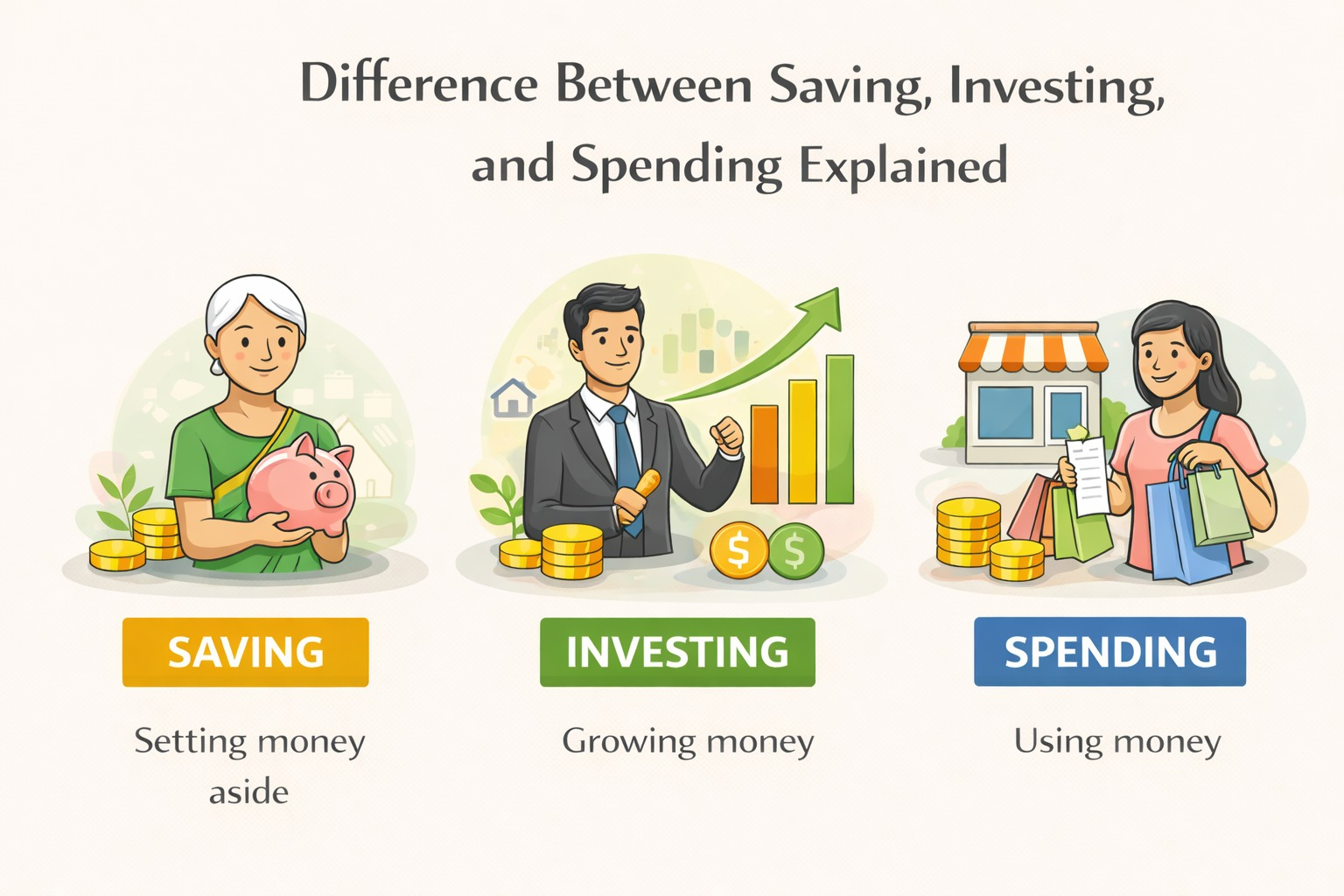
When income increases, divide the raise between saving, investing, and spending.
For example:
- Save or invest 50% of each raise
- Use the remaining portion for lifestyle improvements
This approach allows people to enjoy income growth while still accelerating long-term wealth accumulation.
Tax Efficiency and Long-Term Wealth
Taxes represent one of the largest long-term financial expenses most individuals face.
Small decisions around tax efficiency can meaningfully increase net worth over decades.
Examples include:
- Contributing to 401(k) or IRA retirement accounts
- Using Roth accounts for tax-free growth
- Holding investments long enough for lower capital gains rates
- Harvesting tax losses strategically
For instance, maximizing tax-advantaged retirement contributions can reduce taxable income today while allowing investments to grow tax-deferred for decades.
These strategies often compound quietly but significantly.
The Importance of Financial Consistency
Long-term wealth rarely results from a single decision. Instead, it emerges from consistent habits sustained over years.
People who gradually build net worth often share several behaviors:
- They automate saving and investing
- They avoid frequent financial speculation
- They regularly review spending and goals
- They maintain an emergency fund
Consistency may appear unremarkable in the short term. Over 20–40 years, however, these habits can produce substantial financial outcomes.
Why Financial Behavior Often Matters More Than Income
Higher income certainly helps build wealth, but research shows behavior often matters more than earnings.
Studies of U.S. millionaires—such as those conducted by The National Study of Millionaires by Ramsey Solutions—found many accumulated wealth through consistent saving, long-term investing, and modest lifestyles rather than extremely high salaries.
Key habits frequently observed among financially secure households include:
- Living below their means
- Investing regularly in retirement accounts
- Avoiding unnecessary debt
- Maintaining long investment horizons
These behaviors illustrate that net worth is often shaped by discipline rather than income alone.

Frequently Asked Questions
What small financial habit builds the most wealth over time?
Consistent investing—especially through retirement accounts—is often the most powerful long-term habit because compound growth multiplies contributions over decades.
How much should someone save each month?
Many financial planners recommend saving 15–20% of gross income for retirement and long-term goals, though the appropriate amount varies based on age and financial situation.
Is paying off debt or investing more important?
High-interest debt (such as credit cards) should usually be prioritized because the guaranteed interest cost often exceeds typical investment returns.
Does skipping small purchases really affect net worth?
Yes, if the savings are invested. Small daily expenses can compound significantly when redirected into long-term investments.
When should someone start investing?
Ideally as early as possible. Even small investments in one’s twenties can grow dramatically over time due to compound returns.
Are automatic investments better than manual ones?
Automation often helps maintain consistency and reduces emotional decision-making during market volatility.
How can someone prevent lifestyle inflation?
Allocating part of every raise toward savings or investments can prevent spending from rising as quickly as income.
Are tax-advantaged accounts really necessary?
They are not mandatory but can significantly increase long-term investment growth by reducing taxes.
How often should someone review their finances?
Many advisors recommend reviewing budgets monthly and conducting a deeper financial checkup annually.
What role does emergency savings play in wealth building?
An emergency fund prevents unexpected expenses from forcing people to take on debt or sell investments prematurely.
Small Habits That Quietly Build Lifetime Wealth
Building wealth rarely requires dramatic financial moves. Instead, it usually reflects thousands of small, disciplined choices—saving early, spending intentionally, investing consistently, and managing debt carefully.
Over time, these decisions compound in powerful ways. Individuals who understand this dynamic often focus less on chasing quick financial wins and more on building sustainable habits that support long-term financial stability.
Key Ideas to Remember About Long-Term Net Worth
- Small daily financial decisions accumulate over decades.
- Starting early dramatically increases the power of compounding.
- Consistent investing often matters more than market timing.
- Avoiding high-interest debt protects long-term wealth.
- Lifestyle inflation can quietly reduce savings potential.
- Tax-efficient investing increases long-term returns.