Saving money consistently is less about income and more about behavior. People who build long-term financial security tend to follow repeatable habits: automating savings, planning ahead, avoiding lifestyle inflation, and prioritizing financial resilience over short-term spending. These practices, repeated over time, create stability, flexibility, and long-term wealth even without exceptionally high earnings.
Why Consistency Matters More Than Income
A common misconception is that only high earners can build meaningful savings. In reality, research from the Federal Reserve and the Employee Benefit Research Institute consistently shows that savings behavior—not income alone—is the strongest predictor of financial security.
Many households with six-figure incomes still struggle financially because spending rises alongside income. Meanwhile, consistent savers typically follow systems that make saving automatic and predictable.
Consistent saving works because it leverages two powerful forces:
- Habit formation
- Compounding growth
When saving becomes routine rather than occasional, financial progress becomes much easier to sustain.
People who save consistently often make small decisions differently every day. Those choices accumulate into meaningful financial outcomes over years.
They Pay Themselves First
One of the most common habits among consistent savers is paying themselves first.
Rather than saving whatever money remains after spending, they reverse the order.
Money for savings is set aside immediately when income arrives.
This approach works because it removes the temptation to spend first and save later.
For example:
• A worker automatically sends 15% of each paycheck into retirement accounts
• Another allocates a fixed amount to a brokerage account each month
• A family routes a portion of income directly into an emergency fund
Once the savings transfer happens automatically, the remaining money becomes the household spending budget.
This approach is widely recommended by organizations such as the Consumer Financial Protection Bureau because it makes saving consistent even during busy or stressful periods.
Over time, this system creates steady wealth accumulation without requiring constant decision-making.

They Automate Nearly Everything
Automation is a defining characteristic of consistent savers.
Instead of relying on motivation, they rely on systems.
Automation reduces friction and prevents missed opportunities to save.
Common automated strategies include:
• Automatic transfers to high-yield savings accounts
• Payroll deductions into retirement plans
• Recurring contributions to investment accounts
• Automatic debt payments
Automation also helps avoid behavioral mistakes.
Behavioral economists at Harvard University and University of Chicago have found that when saving requires active decisions each month, participation rates drop dramatically.
But when savings are automated, participation rises significantly.
Consistent savers recognize this and design systems that work in the background.
They Treat Lifestyle Inflation With Caution
As income increases, spending often rises as well. This phenomenon—known as lifestyle inflation—can prevent meaningful savings growth.
Consistent savers tend to resist this pattern.
Instead of increasing spending proportionally with income, they redirect raises and bonuses toward savings.
For example:
• A worker receiving a $6,000 annual raise may increase retirement contributions by $4,000.
• A couple might save their entire annual bonus toward a down payment.
• A freelancer may allocate every new client payment toward investments.
These choices allow savings rates to grow faster than income alone.
According to data from the Bureau of Labor Statistics, households that steadily increase their savings rate during income growth tend to accumulate significantly more wealth over time.
They Build Strong Emergency Funds
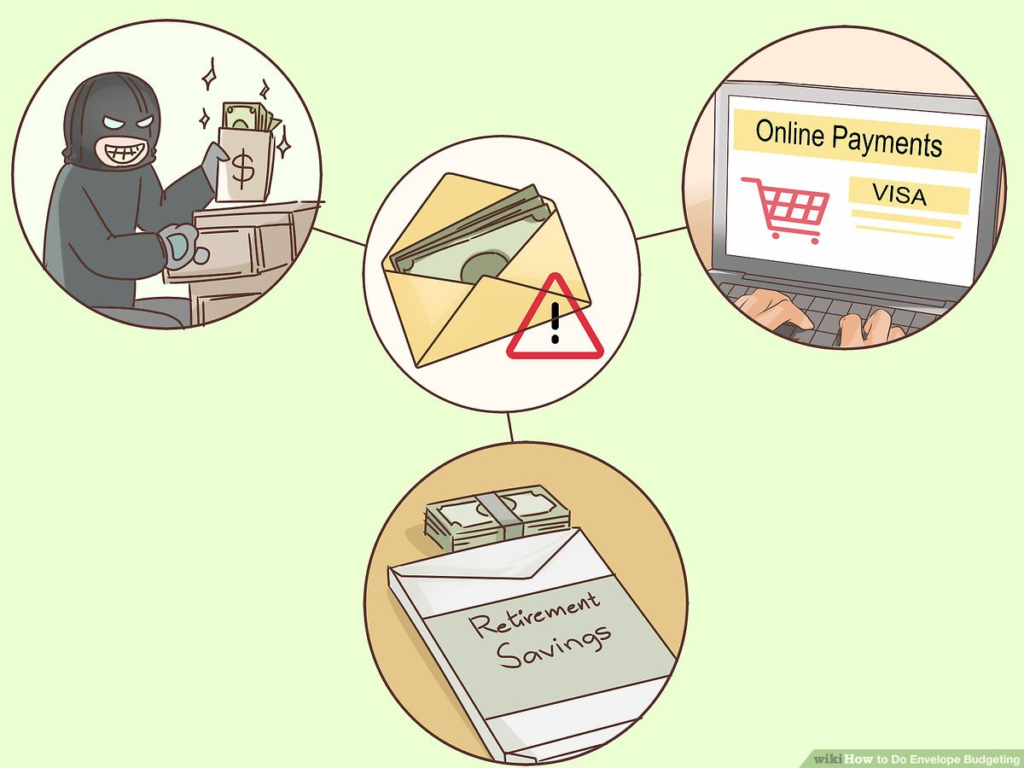
Financial stability requires protection against unexpected expenses.
Consistent savers usually prioritize emergency funds early in their financial journey.
Unexpected expenses are one of the leading causes of debt. Medical bills, car repairs, and job disruptions can quickly derail financial progress.
An emergency fund acts as a buffer against these shocks.
Many financial planners recommend saving:
• Three to six months of essential living expenses
• More if income is variable or self-employed
Having this financial cushion reduces the need to rely on high-interest credit during emergencies.
It also creates peace of mind and flexibility when facing life changes.
They Think in Terms of Long Time Horizons
Consistent savers tend to make decisions based on long-term outcomes rather than short-term gratification.
They often ask questions such as:
• Will this purchase matter in five years?
• Does this expense align with my priorities?
• Could this money grow more if invested?
This mindset encourages thoughtful spending.
For example, someone considering a $40,000 car might instead choose a reliable $25,000 vehicle and invest the difference.
Over time, choices like these can dramatically affect financial outcomes.
Long time horizons also make it easier to remain invested during market volatility rather than reacting emotionally to short-term fluctuations.
They Track Their Finances Regularly
Consistent savers maintain awareness of where their money goes.
Tracking finances does not necessarily mean complicated spreadsheets. Many people simply review accounts regularly to understand spending patterns.
Typical tracking habits include:
• Monthly review of bank and credit card statements
• Checking investment contributions and balances
• Monitoring progress toward savings goals
• Reviewing subscription or recurring expenses
Financial awareness helps prevent small spending habits from quietly expanding.
It also allows savers to adjust quickly if spending begins to exceed their intended plan.
They Focus on Savings Rate Instead of Dollar Amount
A key difference between consistent savers and occasional savers is the focus on savings rate.
Rather than asking “How much did I save this month?” consistent savers ask:
“What percentage of my income am I saving?”
This metric adjusts naturally as income grows.
For example:
• A worker earning $50,000 saving 15% saves $7,500 annually
• If income increases to $80,000 while maintaining the same savings rate, annual savings rise to $12,000
Focusing on percentage rather than absolute dollars keeps progress proportional to income.
This perspective also helps avoid discouragement when starting with smaller amounts.
They Prioritize Financial Flexibility
For consistent savers, money is not just about accumulation. It is about options.
Savings create flexibility in multiple areas of life:
• Career transitions
• Relocation opportunities
• Entrepreneurship
• Education or retraining
• Reduced stress during economic downturns
Financial flexibility often becomes a major motivator for saving.
Rather than focusing only on retirement decades away, many savers value the near-term freedom that savings provide.
They Avoid High-Interest Debt Whenever Possible
Consistent savers generally view high-interest debt as a major obstacle to wealth building.
Credit cards and other high-interest borrowing can quickly offset the benefits of saving or investing.
Strategies consistent savers use to minimize debt include:
• Paying credit card balances in full each month
• Prioritizing repayment of high-interest loans
• Avoiding financing depreciating purchases when possible
• Using debt strategically rather than casually
According to the Federal Reserve Bank of New York, credit card interest rates frequently exceed 20%, making long-term balances extremely costly.
Avoiding this type of debt protects the progress made through saving.

Frequently Asked Questions
What percentage of income should someone save?
Many financial planners recommend saving at least 15% of income for long-term goals, though starting with smaller percentages and increasing gradually is often more realistic.
Do consistent savers usually earn higher incomes?
Not necessarily. Behavioral patterns such as automation and budgeting often matter more than income level.
Why is automation so effective for saving?
Automation removes the need to make repeated decisions, which reduces procrastination and increases consistency.
How large should an emergency fund be?
Most recommendations suggest three to six months of essential expenses, though the ideal size depends on income stability and personal circumstances.
Is investing necessary for long-term savings?
For goals such as retirement, investing is typically necessary because long-term market returns can outpace inflation.
How often should someone review their finances?
A monthly review is sufficient for most households, though investment portfolios may require less frequent monitoring.
What is lifestyle inflation?
Lifestyle inflation occurs when spending increases as income rises, preventing savings rates from improving.
Can small savings really make a difference?
Yes. Consistent contributions over time benefit from compounding growth, which can significantly increase long-term results.
What tools help people save consistently?
Automatic bank transfers, employer retirement plans, and budgeting apps are common tools that simplify consistent saving.
Should debt be paid off before saving?
High-interest debt is often prioritized first, but maintaining a small emergency fund simultaneously can help prevent new debt during unexpected expenses.
When Saving Becomes a Lifestyle Rather Than a Task
People who save consistently rarely rely on willpower alone. Instead, they build routines and systems that make saving the default option.
Over time, these habits reshape financial behavior. Spending decisions become more intentional, financial stress decreases, and long-term goals feel more achievable.
The difference between occasional saving and consistent saving is rarely dramatic. It usually comes down to small, repeatable choices that accumulate quietly over many years.
Financial security is often the result of these steady decisions rather than sudden breakthroughs.
Key Behavioral Patterns Worth Remembering
• Pay yourself first before spending
• Automate transfers and investment contributions
• Increase savings when income grows
• Maintain a strong emergency fund
• Focus on savings rate rather than raw amounts
• Track finances regularly
• Avoid high-interest debt
• Think in long time horizons
• Use savings to create flexibility and resilience
The Quiet Advantage of Financial Discipline
Consistent saving rarely attracts attention. It happens quietly through automated transfers, thoughtful spending choices, and steady long-term planning.
Yet these small habits create significant advantages over time. They reduce financial stress, expand opportunities, and allow individuals and families to navigate economic uncertainty with greater confidence.
The difference is rarely dramatic in a single year—but over decades, consistent saving can shape an entirely different financial future.
Snapshot of the Core Habits
• Saving begins before spending
• Automation eliminates decision fatigue
• Income growth leads to higher savings rates
• Emergency funds protect financial stability
• Long-term thinking guides spending decisions
• Financial awareness prevents unnoticed overspending
• Avoiding high-interest debt preserves progress