Tax policy changes in the United States can influence hiring, wages, investment decisions, and household finances. As lawmakers debate expiring provisions, international tax rules, and new incentives for businesses and families, both employers and workers are paying closer attention. Understanding emerging tax policy trends helps companies plan strategically and helps workers anticipate how future reforms may affect income and employment opportunities.
Why Tax Policy Trends Matter for Both Businesses and Workers
Tax policy is often discussed in terms of government revenue, but its real-world impact reaches far beyond federal budgets. Changes in the tax code can shape decisions about hiring, wages, investment, and even where companies choose to operate.
Much of this debate takes place in Washington, D.C., where lawmakers in the United States Congress evaluate proposals that affect both businesses and individual taxpayers.
Tax policies influence the economy in several interconnected ways:
- Employers consider tax rules when planning investments or hiring workers
- Workers may experience changes in take-home pay through tax credits or deductions
- Small businesses rely on stable tax policies to plan long-term growth
- Investors respond to tax changes that affect corporate earnings
Because of these connections, emerging tax trends often become central topics in economic discussions.
Expiring Tax Provisions and the 2025 Policy Timeline
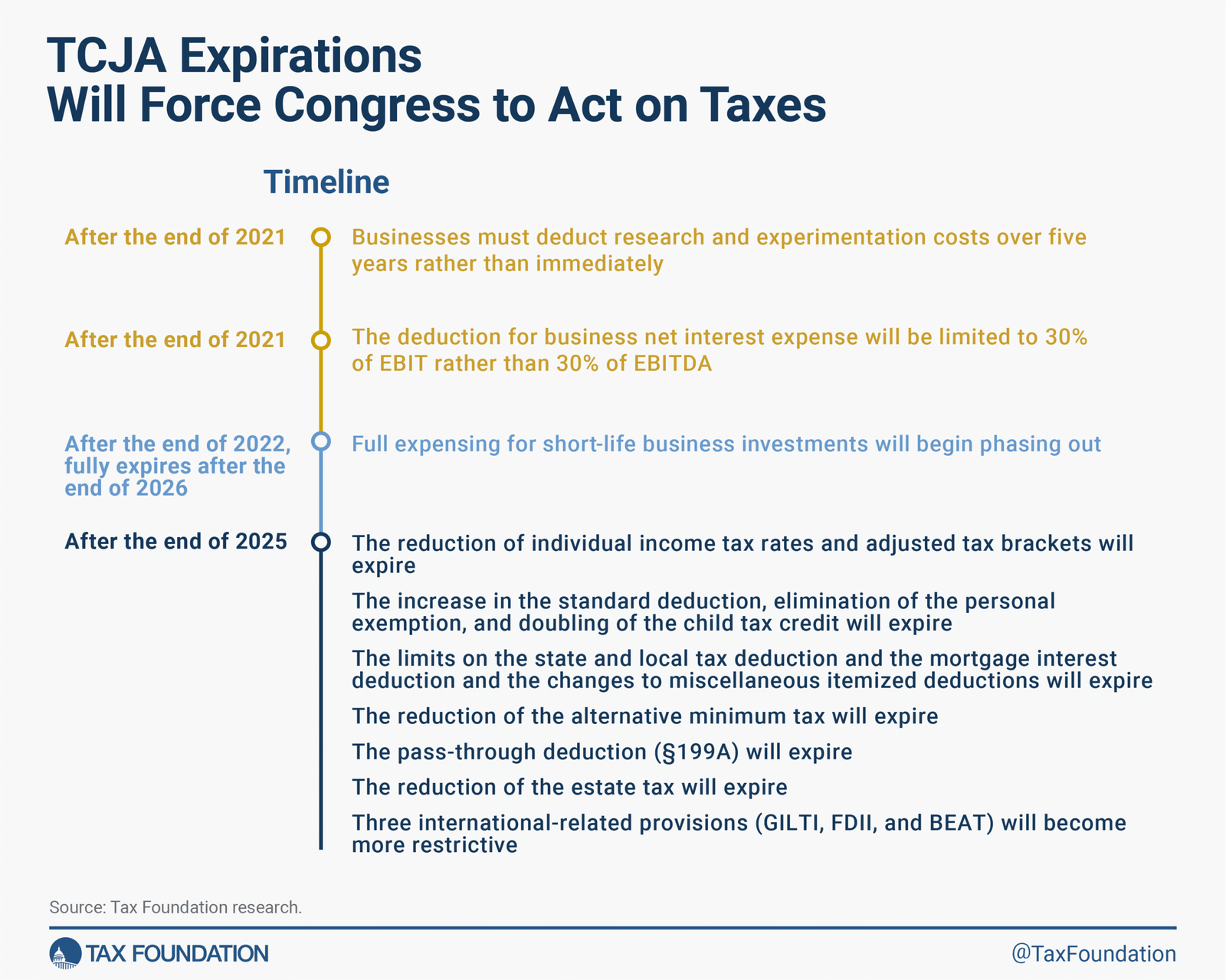
One of the most significant drivers of current tax policy discussions is the approaching expiration of several provisions from the Tax Cuts and Jobs Act.
Many individual tax provisions—such as higher standard deductions and adjustments to tax brackets—are scheduled to expire after 2025 unless Congress takes action.
Businesses and workers alike are watching closely because potential changes could affect:
- Individual tax rates
- Business deductions
- Child tax credits
- Pass-through income taxation
Policy analysts at institutions such as the Tax Policy Center and the Congressional Budget Office frequently study how these expiring provisions might affect economic growth and federal revenue.
For employers planning multi-year investments or hiring strategies, policy uncertainty can make long-term forecasting more challenging.
Corporate Tax Policy and Business Investment
Corporate tax policy plays a major role in determining how companies allocate capital.
The Tax Cuts and Jobs Act reduced the federal corporate tax rate from 35 percent to 21 percent. This change significantly altered the U.S. corporate tax environment.
Supporters argue that lower corporate taxes encourage investment in facilities, equipment, and research. Critics note that reduced tax revenue may increase budget deficits.
From a business perspective, tax policy affects several key decisions:
- Whether to expand operations domestically or abroad
- Whether to invest in new technology or equipment
- How much capital to allocate toward hiring and training workers
For example, a manufacturing company considering a new production line may evaluate tax incentives before deciding whether the investment is financially viable.
Pass-Through Businesses and Small Business Tax Policy
Small businesses often operate under a different tax structure than large corporations.
Instead of paying corporate taxes, many small businesses function as pass-through entities, meaning profits are taxed through the owner’s personal income tax return.
The Qualified Business Income deduction created by the Tax Cuts and Jobs Act allows eligible business owners to deduct up to 20 percent of certain income.
According to the U.S. Small Business Administration, small businesses represent about 99 percent of U.S. companies and employ nearly half of private-sector workers.
Example: Local Service Business
Consider a regional landscaping company generating $300,000 in annual profits.
With the pass-through deduction, the owner may deduct up to $60,000 before calculating taxes. This tax savings could support investments such as:
- Purchasing new equipment
- Hiring additional workers
- Expanding service areas
If the deduction expires in the future, those expansion plans may need to be reconsidered.
Tax Credits and Their Impact on Workers
Tax policy also affects workers directly through credits designed to support households and encourage employment.
Two major credits often discussed in policy debates include:
- The Child Tax Credit
- The Earned Income Tax Credit
These programs are designed to reduce tax burdens for families and provide financial support to lower- and middle-income households.
Changes to these credits can influence:
- Household disposable income
- Labor force participation
- Consumer spending patterns
For workers, these policies may affect take-home pay even if their employer’s tax situation remains unchanged.
Investment Incentives and Economic Growth
Another emerging tax policy trend involves incentives designed to encourage investment in technology, manufacturing, and research.
Many proposals aim to support industries considered important for long-term economic competitiveness.
Examples of tax incentives often discussed include:
- Research and development tax credits
- Manufacturing investment deductions
- Clean energy tax incentives
- Workforce training credits
Organizations such as the Brookings Institution and the Tax Foundation regularly analyze how these policies influence economic growth.
While economists may disagree on the scale of the impact, there is broad agreement that tax incentives can influence where and how businesses invest.
Global Tax Policy and International Competition
Globalization has made international tax policy an increasingly important topic.
Large multinational companies often operate in multiple countries, and differences in tax rules can influence where profits are reported.
To address these challenges, international frameworks developed by the Organisation for Economic Co-operation and Development aim to establish minimum tax standards across participating countries.
For U.S. businesses, these rules could affect:
- Cross-border investment strategies
- Corporate tax reporting practices
- Global competitiveness
International tax coordination is likely to remain a key issue in future policy debates.
Federal Budget Pressures and Fiscal Policy
Tax reform discussions are also shaped by federal budget realities.
Government programs—from infrastructure spending to healthcare programs—depend heavily on tax revenue.
According to projections from the Congressional Budget Office, federal debt is expected to grow in the coming decades due to rising healthcare costs, demographic changes, and interest payments on government borrowing.
As a result, policymakers must balance two competing priorities:
- Maintaining economic incentives through tax relief
- Generating sufficient revenue to fund government programs
This balancing act often shapes the structure of major tax reform proposals.
What Workers Should Watch in Future Tax Policy Changes
Workers may not always follow tax policy debates closely, but several emerging trends could affect household finances.
Areas worth watching include:
- Changes to income tax brackets
- Adjustments to family tax credits
- Revisions to retirement savings incentives
- Potential changes to payroll tax policies
Even relatively small adjustments to these policies can affect take-home pay and long-term financial planning.
What Businesses Should Monitor
Businesses, particularly small and mid-sized firms, often track tax policy developments closely.
Key issues many companies monitor include:
- Corporate tax rate changes
- Investment tax incentives
- Pass-through business deductions
- International tax rules
Because business investments often involve multi-year planning, stable tax policy can be an important factor in long-term decision-making.
Practical Planning During Policy Uncertainty
Tax policy debates can take years to resolve, which means businesses and individuals must often operate amid uncertainty.
Financial advisors commonly recommend several practical strategies:
- Review tax planning annually
- Maintain detailed financial records
- Monitor policy developments affecting your industry
- Consult tax professionals before major financial decisions
- Diversify investments to manage regulatory risks
These steps can help both businesses and workers adapt as tax policies evolve.
Frequently Asked Questions
1. Why are U.S. tax policies changing now?
Many provisions of the Tax Cuts and Jobs Act are scheduled to expire after 2025.
2. How do tax changes affect workers?
Changes to tax credits, deductions, and income tax rates can influence take-home pay and household finances.
3. Why do businesses follow tax policy debates closely?
Tax rules affect corporate profits, investment decisions, and hiring strategies.
4. What role does the Congressional Budget Office play?
The agency evaluates how proposed legislation may affect federal revenue and the economy.
5. What is the Qualified Business Income deduction?
It allows eligible pass-through businesses to deduct up to 20 percent of certain income.
6. How do tax credits differ from deductions?
Credits directly reduce taxes owed, while deductions reduce taxable income.
7. Why are international tax rules being discussed?
Global tax frameworks led by the Organisation for Economic Co-operation and Development aim to reduce profit shifting.
8. Can tax policy affect job creation?
Tax incentives may encourage business investment, which can influence hiring.
9. How can workers prepare for potential tax changes?
Monitoring policy updates and maintaining flexible financial plans can help households adapt.
10. How do tax policies affect small businesses?
Changes to deductions, credits, and income tax rules can influence business expansion and hiring decisions.
How Today’s Tax Policy Trends May Shape Tomorrow’s Workforce
Tax policy trends often evolve gradually, but their long-term impact can be significant. Decisions made today in Washington, D.C. can influence hiring trends, investment strategies, and household finances for years to come.
For businesses, staying informed about emerging tax policies can help guide strategic decisions about growth and workforce development.
For workers, understanding these trends provides valuable insight into how future reforms may affect wages, employment opportunities, and financial planning.
As the tax reform conversation continues, the relationship between public policy and economic opportunity will remain a defining feature of the U.S. economy.
Essential Points to Remember About Emerging Tax Policy Trends
- Expiring provisions from the Tax Cuts and Jobs Act are shaping current policy debates
- Corporate tax policy influences business investment decisions
- Small businesses rely heavily on pass-through income deductions
- Family tax credits can affect household financial stability
- International tax coordination is becoming increasingly important
- Federal budget pressures influence tax reform proposals
- Both workers and businesses benefit from staying informed about policy developments