Summary
When financial markets become unstable, the Federal Reserve acts to stabilize the economy and maintain confidence in the financial system. Through interest rate adjustments, emergency lending facilities, liquidity programs, and coordination with global central banks, the Fed works to prevent systemic collapse. Understanding how these tools function helps investors, businesses, and consumers interpret economic signals during periods of financial turmoil.
Why the Federal Reserve Plays a Critical Role During Financial Stress
Financial stress can appear suddenly and spread quickly. A sharp stock market decline, a banking panic, a credit freeze, or a global shock can threaten the stability of the U.S. financial system.
During these moments, the Federal Reserve—commonly called “the Fed”—serves as the country’s central stabilizing institution. Its mandate from Congress is threefold:
- Promote maximum employment
- Maintain stable prices
- Support a stable financial system
When markets experience severe stress, the third responsibility becomes particularly important.
Financial institutions depend on trust and liquidity. If banks fear they cannot access funding or investors panic about systemic risk, credit can rapidly disappear. Businesses then struggle to borrow, payrolls tighten, and consumer spending slows.
The Federal Reserve’s response aims to prevent these disruptions from cascading into a full economic crisis.
Historical examples show how decisive intervention can calm markets. During the 2008 financial crisis, the COVID-19 market crash of 2020, and several regional banking stresses since then, the Fed deployed multiple tools simultaneously to stabilize financial conditions.
Understanding these responses helps Americans interpret what central bank actions actually mean for the economy.
What Financial Stress Looks Like in the U.S. Economy
Financial stress typically shows up first inside financial markets before reaching the broader economy.
Early warning signs often include unusual volatility, tightening credit conditions, and rapid movements in asset prices.
Common indicators include:
- Stock market selloffs and high volatility indexes
- Bank funding pressure or deposit withdrawals
- Rising bond yields or widening credit spreads
- Reduced lending between banks
- Liquidity shortages in money markets
For example, in March 2020, the early days of the pandemic created massive stress in U.S. Treasury markets—normally the most liquid market in the world. Investors rushed to sell assets to raise cash, briefly freezing parts of the financial system.
When these signals appear simultaneously, the Federal Reserve may step in to restore normal functioning.
The Federal Reserve’s Core Crisis-Response Tools
The Fed does not rely on a single strategy during financial turmoil. Instead, it uses a layered set of policy tools designed to restore liquidity, confidence, and orderly market functioning.
1. Emergency Interest Rate Cuts
The most widely recognized tool is the federal funds rate.
Lowering this benchmark interest rate reduces borrowing costs across the economy, including:
- Mortgage rates
- Business loans
- Credit lines
- Treasury yields
During periods of stress, the Federal Reserve may cut rates rapidly to encourage lending and stimulate economic activity.
A clear example occurred in March 2020 when the Fed cut the federal funds rate to near zero within weeks as financial markets reacted to the pandemic.
Lower rates can help stabilize markets by:
- Lowering debt costs
- Encouraging investment
- Supporting employment
- Increasing market liquidity
However, rate cuts alone are often insufficient during severe financial stress.
2. Liquidity Injections Into Financial Markets
Liquidity is the lifeblood of financial markets. If institutions cannot quickly convert assets into cash, panic can spread.
To address this, the Federal Reserve injects liquidity through several mechanisms.
One of the most important is open market operations, where the Fed buys U.S. Treasury securities or other high-quality assets.
These purchases increase the supply of money in the financial system and provide banks with cash reserves.
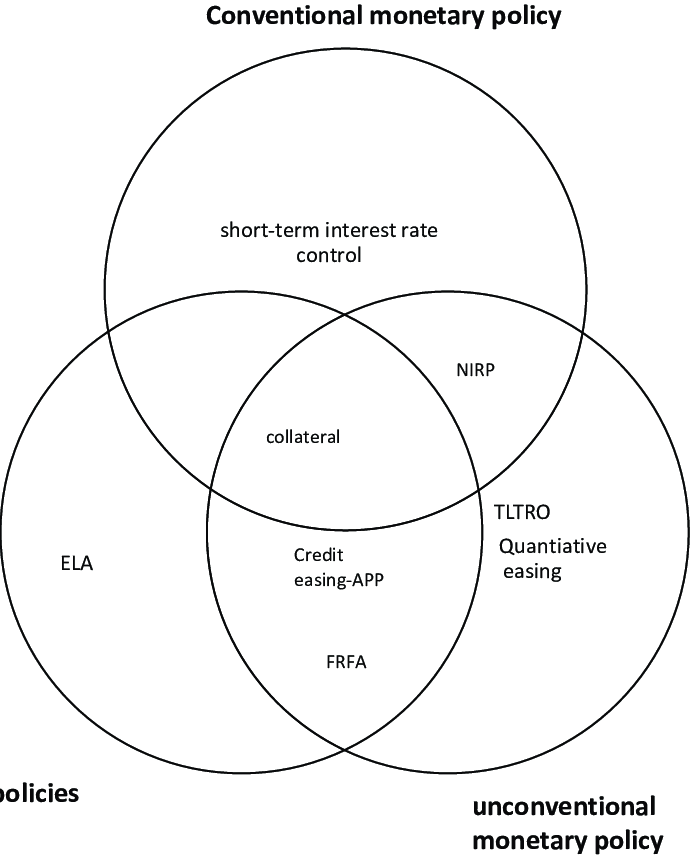
Large-scale asset purchases—often called quantitative easing (QE)—have been used during major crises, including:
- The 2008 financial crisis
- The 2020 pandemic market collapse
These programs can involve trillions of dollars in asset purchases designed to stabilize markets.
3. Emergency Lending Facilities
In extreme situations, the Federal Reserve activates special lending programs designed to support specific parts of the financial system.
These facilities allow financial institutions or markets to access short-term funding when private lending freezes.
Examples from past crises include:
- Primary Dealer Credit Facility (PDCF) — provides funding to major market intermediaries
- Commercial Paper Funding Facility (CPFF) — supports corporate short-term debt markets
- Term Asset-Backed Securities Loan Facility (TALF) — supports consumer lending markets
- Bank Term Funding Program (BTFP) — created during the 2023 regional banking stress
These facilities help ensure that critical credit markets continue functioning even when private lenders pull back.
Without such programs, businesses could struggle to access payroll financing, and consumers could lose access to loans and credit cards.
4. Acting as the “Lender of Last Resort”
One of the Federal Reserve’s most fundamental responsibilities is serving as the lender of last resort.
This concept dates back to central banking principles established in the 19th century.
In practice, it means that if banks face short-term liquidity shortages, they can borrow directly from the Federal Reserve through the discount window.
The discount window allows banks to access funds quickly using collateral such as government securities.
This prevents temporary liquidity problems from turning into bank failures.
While borrowing from the discount window once carried stigma, the Federal Reserve has worked in recent years to normalize its use during stress periods.
5. Coordinating With Global Central Banks
Financial crises rarely stay contained within national borders.
Because global banks and markets are interconnected, stress in one country can quickly spread worldwide.
The Federal Reserve often coordinates with other major central banks, including:
- The European Central Bank
- The Bank of England
- The Bank of Japan
- The Bank of Canada
- The Swiss National Bank
During crises, these institutions may establish currency swap lines.
Swap lines allow foreign central banks to access U.S. dollars, which are essential for global trade and financial markets.
During the 2008 crisis and again in 2020, these swap lines helped prevent global dollar shortages.
Real-World Example: The 2008 Financial Crisis
The 2008 crisis remains one of the clearest examples of large-scale Federal Reserve intervention.
The collapse of the U.S. housing market triggered massive losses for financial institutions holding mortgage-backed securities.
Major events included:
- Failure of Lehman Brothers
- Near collapse of AIG
- Severe disruptions in money markets
The Federal Reserve responded with unprecedented measures, including:
- Cutting interest rates to near zero
- Launching multiple emergency lending programs
- Purchasing mortgage-backed securities
- Expanding its balance sheet dramatically
At its peak, the Fed’s balance sheet grew from roughly $900 billion in 2007 to over $4 trillion by 2014.
While controversial, many economists credit these actions with preventing a deeper financial collapse.
Real-World Example: The COVID-19 Market Crisis
Financial markets experienced another extreme shock in March 2020 as the pandemic triggered global economic shutdowns.
Within weeks:
- The S&P 500 fell roughly 34%
- Treasury markets experienced unusual volatility
- Corporate credit markets nearly froze
The Federal Reserve responded rapidly.
Key actions included:
- Emergency rate cuts to near zero
- Massive Treasury and mortgage bond purchases
- Lending programs supporting corporate credit markets
- Municipal bond market support
- Expanded dollar swap lines with foreign central banks
These actions helped restore liquidity and stabilize markets within months.
How Federal Reserve Actions Affect Everyday Americans
While central bank actions can seem abstract, they ultimately influence everyday financial conditions.
During financial stress, Federal Reserve interventions can affect:
Mortgage rates
Lower policy rates often push mortgage rates downward, making home financing cheaper.
Job stability
Stabilizing financial markets helps businesses continue accessing credit for payroll and operations.
Stock market confidence
Fed support programs can calm investor panic and reduce extreme volatility.
Consumer credit availability
Maintaining functioning credit markets ensures Americans can still access car loans, credit cards, and small business financing.
However, these policies also carry trade-offs. Aggressive stimulus can sometimes contribute to future inflation or asset price bubbles.
Limitations of Federal Reserve Crisis Interventions
Although the Fed has powerful tools, it cannot solve every economic problem.
Important limitations include:
- Monetary policy cannot directly fix structural economic issues
- Rate cuts may be less effective when rates are already low
- Emergency programs may face political scrutiny
- Some interventions require approval from the U.S. Treasury
Additionally, restoring confidence takes time. Markets sometimes continue experiencing volatility even after major policy actions.
For this reason, fiscal policy—such as government spending programs—often works alongside Federal Reserve measures during major crises.
Frequently Asked Questions
What triggers Federal Reserve intervention during financial stress?
The Fed typically responds when financial markets stop functioning normally, liquidity disappears, or credit markets freeze in ways that threaten the broader economy.
Does the Federal Reserve bail out banks?
Not directly in the traditional sense. The Fed provides liquidity to prevent system-wide failure, but institutions are still responsible for losses and regulation.
What is quantitative easing?
Quantitative easing is when the Federal Reserve purchases large amounts of securities—usually Treasury bonds or mortgage-backed securities—to inject liquidity into financial markets.
How quickly can the Fed respond during a crisis?
The Federal Reserve can act extremely quickly. Emergency meetings and policy changes can occur within days or even hours if markets deteriorate rapidly.
What is the discount window?
The discount window is a Federal Reserve facility where banks can borrow short-term funds using collateral.
Why does the Fed lower interest rates during financial stress?
Lower rates reduce borrowing costs and encourage economic activity, which helps stabilize markets and support employment.
Do Fed actions always work?
Not always immediately. While they often stabilize markets, deeper economic problems may still require fiscal policy or structural reforms.
How large can Federal Reserve interventions become?
During major crises, the Fed’s balance sheet can expand by trillions of dollars as it purchases assets or supports lending programs.
Can the Fed prevent all financial crises?
No. The Fed can reduce damage and stabilize markets but cannot eliminate all financial risks.
Why do global markets care about the Federal Reserve?
Because the U.S. dollar and U.S. financial markets play a central role in global finance, Fed policies influence markets worldwide.
Why Central Bank Stability Matters More Than Most People Realize
Financial systems rely heavily on confidence. When markets panic, even healthy institutions can face sudden liquidity shortages.
The Federal Reserve’s ability to quickly deploy liquidity, coordinate globally, and reassure markets is one of the most important safeguards in the modern financial system.
While its interventions are sometimes debated, history shows that decisive central bank action can significantly reduce the severity of financial crises.
For investors, business owners, and everyday consumers, understanding how the Federal Reserve operates during periods of stress offers valuable insight into how the U.S. economy protects itself during moments of instability.
Key Lessons From Federal Reserve Crisis Responses
- Financial stress often begins in credit and liquidity markets before affecting the broader economy
- The Federal Reserve uses multiple tools simultaneously, including rate cuts, liquidity injections, and lending facilities
- Acting as a lender of last resort helps prevent banking system panic
- Global coordination between central banks stabilizes international financial markets
- Rapid policy responses can restore market confidence and limit economic damage