Summary
Economists expect the Federal Reserve’s next policy cycle to focus on balancing inflation control with sustainable economic growth. While rate cuts may eventually emerge if inflation moderates, policymakers are likely to move cautiously. Analysts anticipate continued data-driven decisions, attention to labor market conditions, and careful financial stability monitoring as the Fed navigates the next phase of U.S. monetary policy.
Understanding the Federal Reserve’s Policy Cycles
The Federal Reserve operates in cycles that reflect broader economic conditions. When inflation rises too quickly, the central bank typically tightens monetary policy by raising interest rates and reducing liquidity. When growth slows or unemployment rises, it may ease policy by lowering rates or increasing liquidity.
As the U.S. economy moves toward the next phase of this cycle, economists across academia, investment firms, and policy institutions are closely watching how the Federal Reserve might adjust its strategy.
At the core of the Fed’s mandate are two goals:
- Price stability
- Maximum sustainable employment
This dual mandate requires policymakers to constantly balance competing signals. If inflation falls too slowly, the Fed may keep interest rates elevated longer than expected. If economic activity weakens sharply, rate reductions could occur sooner.
Many economists believe the next cycle will involve more gradual policy adjustments than previous eras, reflecting lessons learned from past inflation shocks and financial crises.
Where the U.S. Economy Stands Today
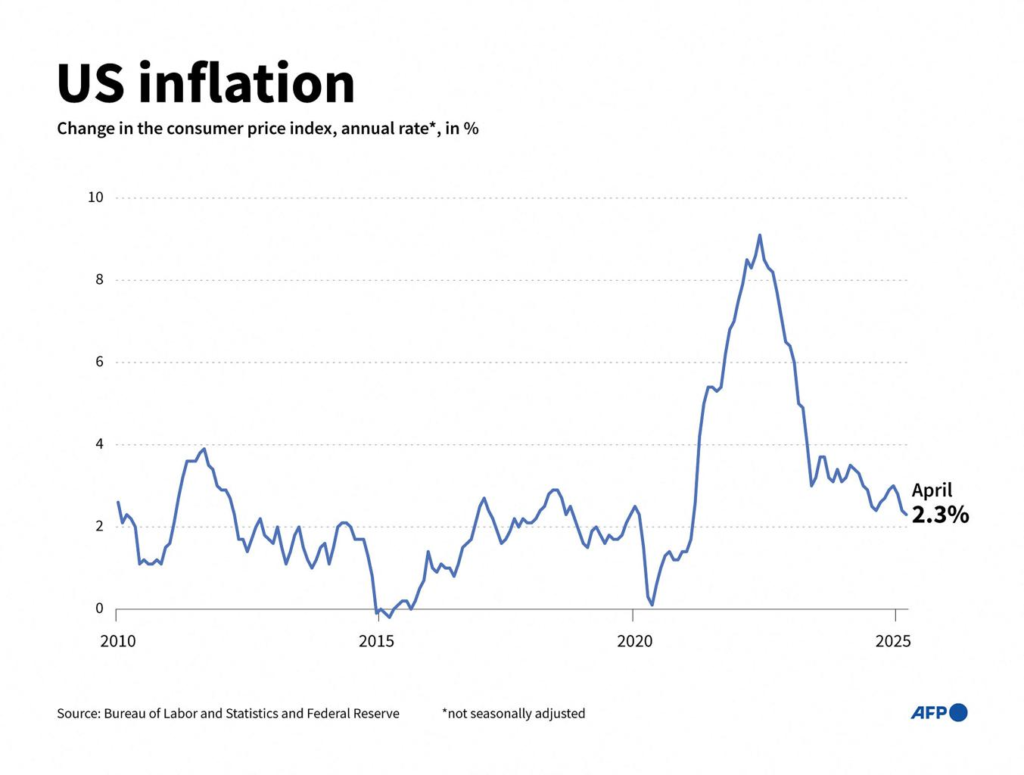
To understand the next cycle, economists first look at the current economic environment. In recent years, inflation rose to levels not seen in decades before gradually moderating as interest rate increases took effect.
According to data from the U.S. Bureau of Labor Statistics, consumer inflation peaked above 9% in 2022 before declining as tighter monetary policy slowed demand. Meanwhile, the labor market remained relatively resilient.
Key indicators economists monitor include:
- Consumer Price Index (CPI)
- Personal Consumption Expenditures (PCE) inflation
- Unemployment rate
- Wage growth
- Consumer spending trends
- Business investment levels
The Federal Reserve’s preferred inflation measure, core PCE, is often central to economists’ forecasts. If this metric approaches the Fed’s 2% target consistently, policymakers may begin adjusting policy toward easing.
However, most economists emphasize that the Fed will likely prioritize sustained evidence rather than short-term improvements.
Will Interest Rates Fall in the Next Cycle?
One of the most common questions Americans ask is whether the next Federal Reserve cycle will involve interest rate cuts.
Economists generally agree that rate reductions will eventually occur, but timing remains uncertain. The Federal Reserve has repeatedly emphasized that decisions will be data dependent, not tied to a fixed calendar.
Several conditions economists believe would justify rate cuts include:
- Inflation moving sustainably toward the 2% target
- Clear signs of slowing economic growth
- Rising unemployment
- Financial market stress or tightening credit conditions
Many forecasts suggest that gradual rate cuts could begin once inflation shows consistent downward momentum. However, economists caution that the Fed may prefer a slow approach to avoid reigniting inflation.
For households, interest rate changes affect:
- Mortgage rates
- Auto loans
- Credit card interest
- Savings yields
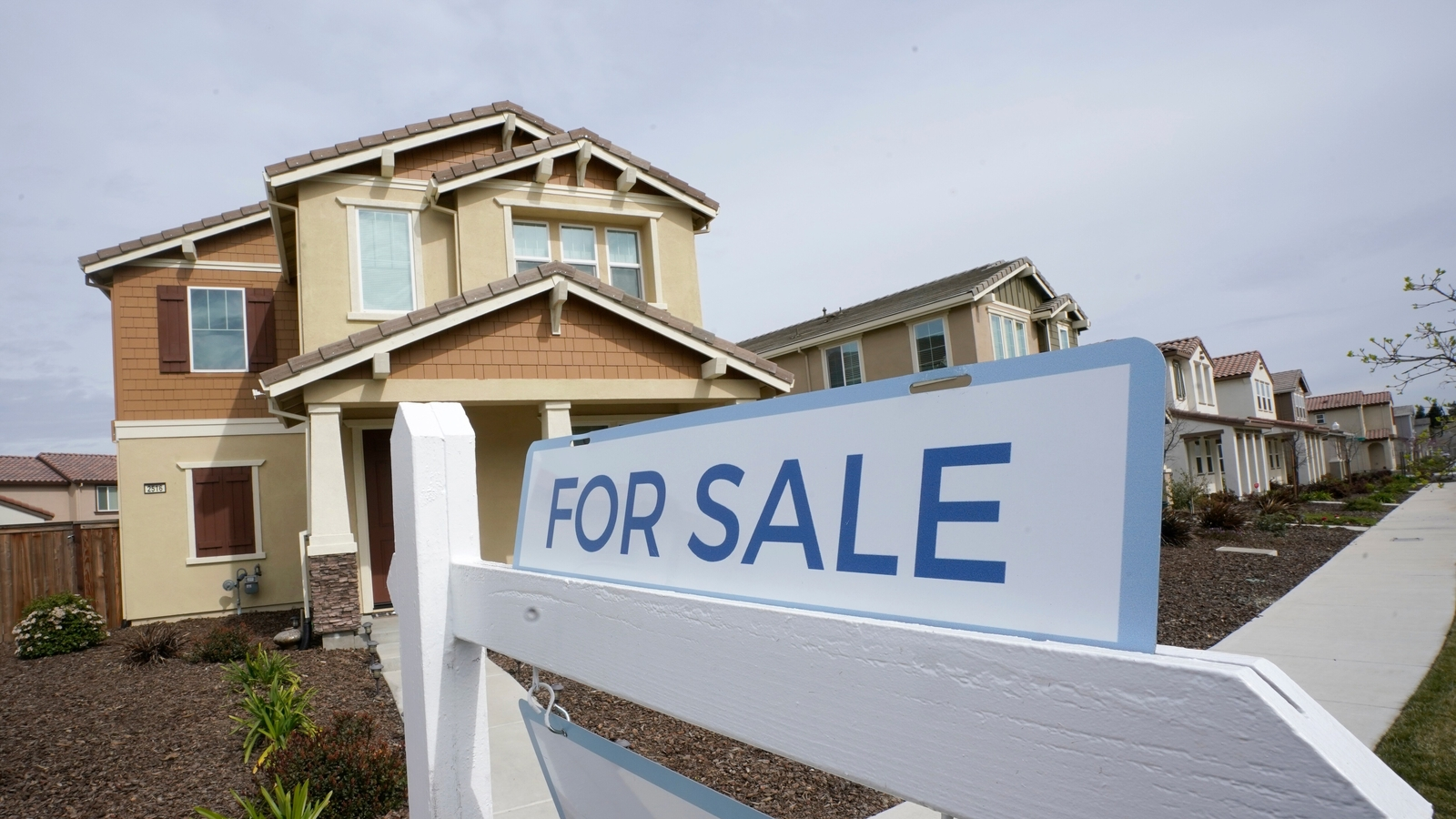
For example, during previous easing cycles, mortgage rates declined, which helped stimulate housing demand. If rate cuts emerge in the next cycle, similar dynamics could appear again.
The Labor Market’s Influence on Federal Reserve Decisions
The strength of the labor market will play a critical role in shaping the next policy cycle.
Historically, the Federal Reserve responds quickly if unemployment rises significantly. However, recent years have shown that inflation can remain elevated even when employment levels are strong.
Economists are closely tracking:
- Job creation trends
- Labor force participation
- Wage growth
- Productivity gains
If wage growth remains high relative to productivity, some economists argue it could slow the pace of monetary easing.
However, a moderate slowdown in hiring without a sharp rise in unemployment could allow the Fed to gradually normalize policy.
For example, during the late 1990s economic expansion, the Federal Reserve managed strong employment and stable inflation simultaneously. Some economists believe a similar balance may be possible again.
How Inflation Expectations Shape Policy
Inflation expectations—what households and businesses believe inflation will be in the future—play a powerful role in monetary policy.
If consumers expect prices to keep rising rapidly, they may increase spending or demand higher wages, which can push inflation higher.
The Federal Reserve therefore monitors:
- Consumer surveys
- Market-based inflation indicators
- Business pricing plans
Many economists expect the Fed to keep interest rates elevated until inflation expectations remain firmly anchored near the 2% target.
The credibility of the Federal Reserve’s commitment to price stability has historically helped prevent long-term inflation from spiraling.
Financial Stability Concerns in the Next Cycle
Another factor economists expect the Fed to monitor closely is financial system stability.
Sharp policy shifts can affect banks, credit markets, and asset prices. During previous cycles, rapid tightening exposed vulnerabilities in certain sectors.
Potential areas economists watch include:
- Regional banking conditions
- Commercial real estate debt
- Corporate borrowing levels
- Liquidity in Treasury markets
The Federal Reserve now uses additional tools beyond interest rates to manage financial stability risks, including liquidity facilities and regulatory oversight.
Economists widely expect policymakers to separate financial stability tools from inflation policy when possible.
Global Influences on Federal Reserve Strategy
Although the Federal Reserve focuses on the U.S. economy, global factors increasingly shape its policy decisions.
Economic developments abroad can affect:
- Supply chains
- Energy prices
- Currency exchange rates
- Global capital flows
For instance, slower growth in major economies such as Europe or China could reduce global demand, which may influence U.S. inflation trends.
Similarly, central bank policies in other countries affect the strength of the U.S. dollar, which can impact imports and exports.
Because of this interconnected environment, economists expect the Fed to maintain close coordination with global financial institutions and international economic data.
How the Next Cycle Could Affect American Households
Although Federal Reserve policy discussions often sound technical, the effects reach everyday financial decisions.
When interest rates change, Americans may notice differences in:
- Mortgage affordability
- Credit card rates
- Student loan refinancing
- Savings account yields
- Stock market performance
Consider a typical homeowner planning to refinance. If the Fed begins easing policy and long-term rates fall, refinancing opportunities may become more attractive.
Similarly, businesses considering expansion often monitor borrowing costs closely. Lower interest rates can encourage investment in hiring, equipment, and infrastructure.
However, economists caution that monetary policy works with a time lag, meaning the full effects of rate changes may take months or even years to appear.
What Signals Economists Are Watching Closely
As the next policy cycle develops, economists track a combination of economic indicators and Federal Reserve communications.
Important signals include:
- Federal Open Market Committee (FOMC) meeting statements
- Updated economic projections from Fed officials
- Inflation reports
- Labor market data
- Financial market conditions
Economists also analyze speeches from Federal Reserve leaders, which often provide insight into policymakers’ thinking before official decisions are made.
While predictions vary, most economists agree the next cycle will likely involve gradual adjustments rather than dramatic shifts.
Frequently Asked Questions
What is the Federal Reserve’s next policy cycle?
The next cycle refers to the period when the Federal Reserve transitions from its current monetary stance—often tightening—to a new phase that may involve stabilizing or lowering interest rates depending on economic conditions.
Will the Federal Reserve cut interest rates soon?
Economists generally expect rate cuts eventually, but the timing depends on inflation trends, employment conditions, and overall economic stability.
Why does the Federal Reserve target 2% inflation?
A moderate inflation rate encourages spending and investment while preventing the economic disruptions associated with high inflation or deflation.
How do Fed decisions affect mortgage rates?
Mortgage rates are influenced by long-term Treasury yields, which often move in response to expectations about Federal Reserve policy.
What happens if inflation rises again?
If inflation accelerates unexpectedly, the Federal Reserve may delay rate cuts or even tighten policy further.
How often does the Federal Reserve change interest rates?
The Federal Open Market Committee meets eight times each year, though policy changes only occur when economic conditions warrant adjustments.
Can the Fed prevent recessions?
Monetary policy can reduce economic volatility, but it cannot completely eliminate recessions because many factors influence economic cycles.
How long do Fed policies take to affect the economy?
Economists estimate monetary policy effects can take 6 to 18 months to fully influence economic activity.
Why do investors watch Fed meetings so closely?
Interest rate expectations influence financial markets, affecting bonds, equities, currencies, and commodity prices.
Does the Federal Reserve coordinate with other central banks?
While the Fed operates independently, it communicates regularly with global central banks and financial institutions to monitor international economic developments.
Looking Ahead: The Federal Reserve’s Next Economic Chapter
The next Federal Reserve cycle will likely reflect a careful balance between maintaining price stability and supporting continued economic expansion. Economists widely expect policymakers to move deliberately, relying on incoming data rather than predetermined timelines.
The path forward may include gradual interest rate adjustments, continued monitoring of the labor market, and close attention to financial stability risks. For households, businesses, and investors alike, understanding these dynamics can provide useful context for navigating financial decisions in the years ahead.
Key Insights at a Glance
- The Federal Reserve adjusts policy in cycles responding to inflation and employment conditions
- Economists expect gradual policy shifts rather than abrupt changes
- Inflation trends remain the most important factor shaping future decisions
- The labor market will strongly influence the pace of policy adjustments
- Financial stability concerns now play a larger role in monetary strategy
- Interest rate changes affect mortgages, loans, savings, and investment markets
- Global economic conditions increasingly influence Federal Reserve policy