Summary
The Federal Reserve plays a central role in shaping the U.S. economy through monetary policy, interest rate decisions, and financial oversight. As inflation trends, labor markets, and global economic forces evolve, the Fed must constantly adapt its approach. Understanding how the Federal Reserve responds to these changing dynamics helps Americans better interpret economic news, financial markets, borrowing costs, and long-term economic stability.
Understanding the Federal Reserve’s Role in the Modern Economy
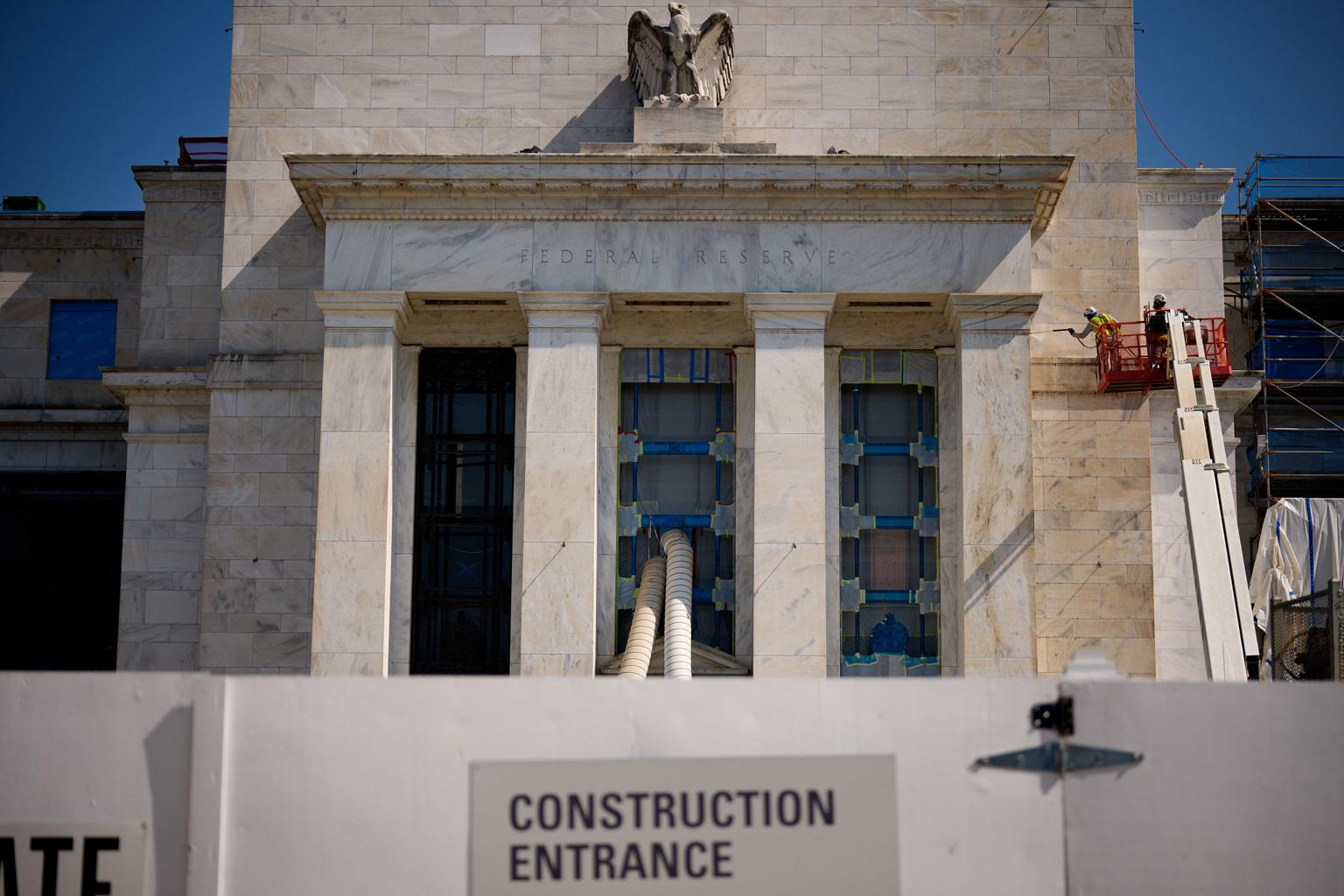
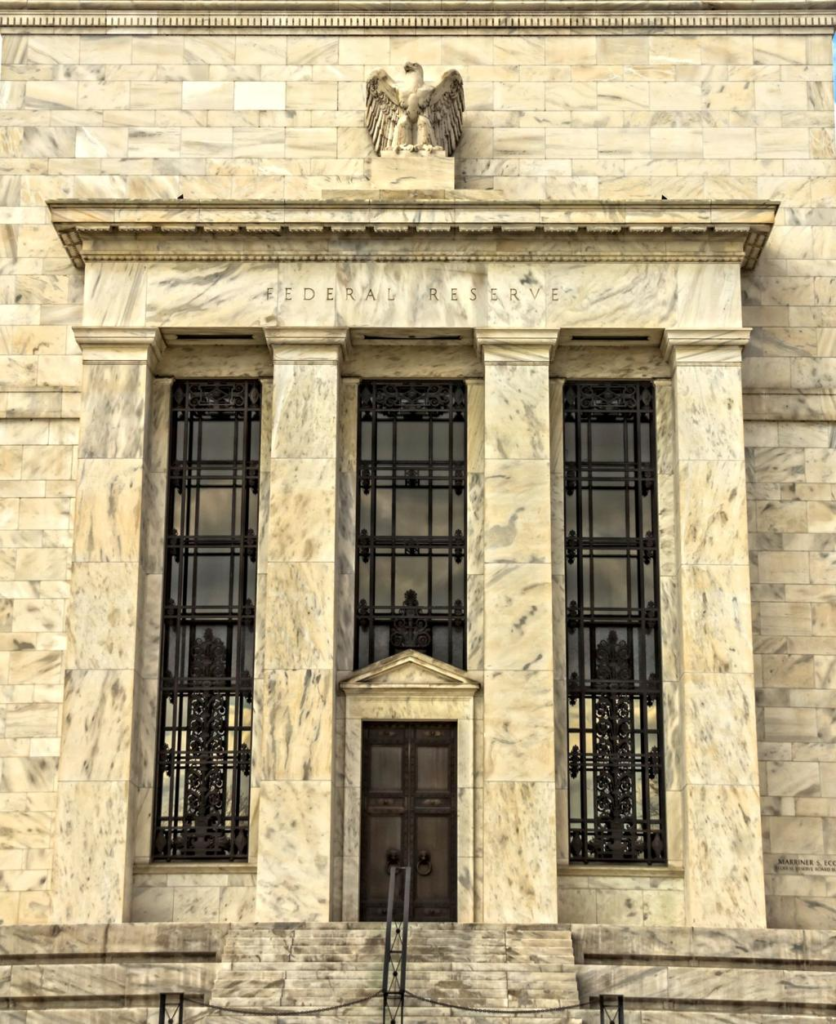
The Federal Reserve—often referred to simply as “the Fed”—serves as the central bank of the United States. Established in 1913, its primary mission is to promote a stable and healthy economy through monetary policy and financial system oversight.
The Fed operates under what economists call the dual mandate, which focuses on two primary objectives:
- Maximum employment
- Stable prices (low, predictable inflation)
To achieve these goals, the Federal Reserve adjusts interest rates, regulates banks, monitors financial risks, and provides economic guidance to markets.
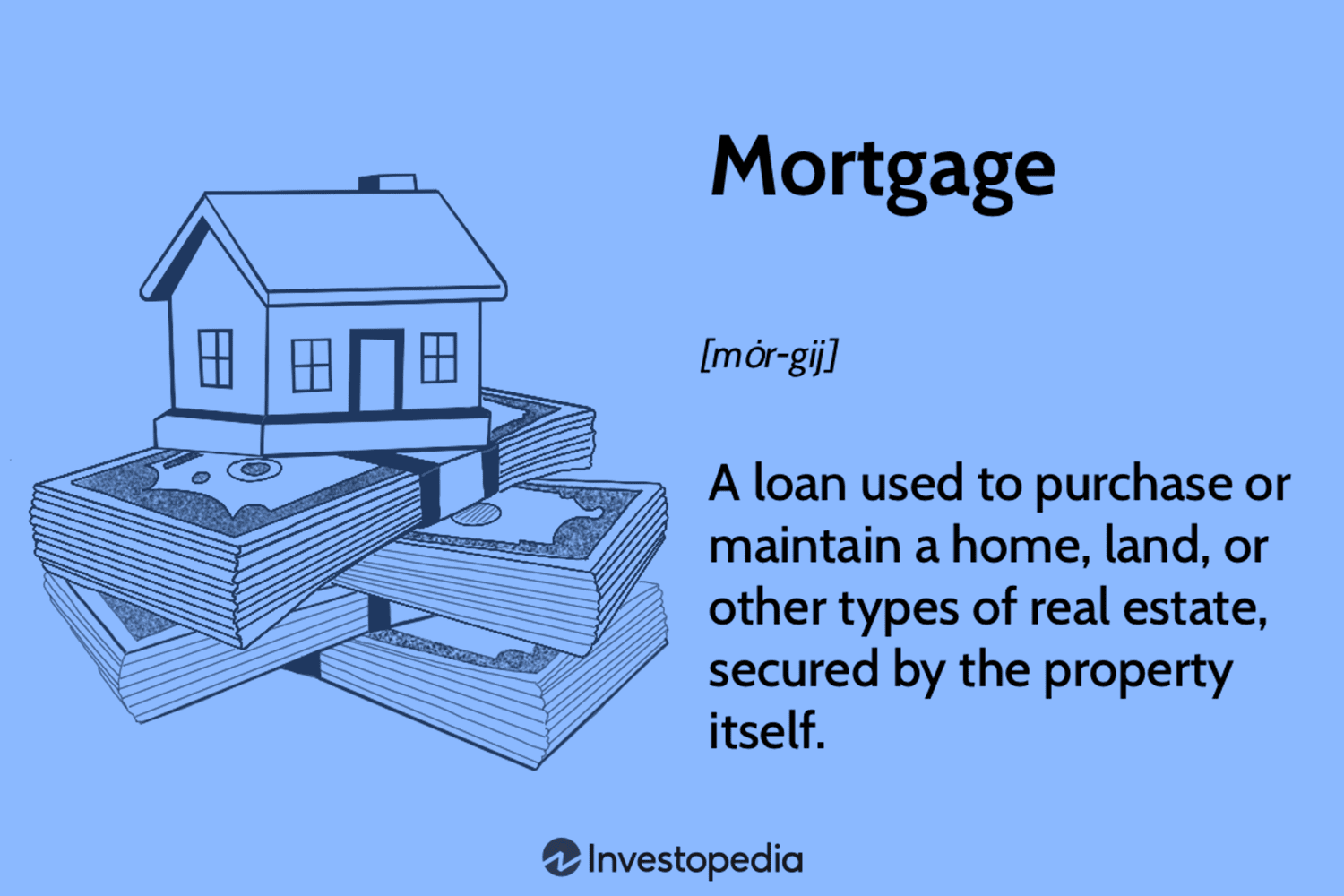
The institution’s decisions influence nearly every corner of the economy. Mortgage rates, credit card interest, auto loans, savings yields, stock market conditions, and business investment decisions are all affected—often indirectly—by Federal Reserve policy.
In recent years, however, the dynamics shaping the U.S. economy have changed significantly. Inflation shocks, technological disruption, demographic shifts, and global economic integration have forced policymakers to rethink traditional economic assumptions.
Why the U.S. Economic Landscape Is Changing
The American economy is constantly evolving. Several structural shifts are influencing how monetary policy works today compared with previous decades.
Key forces shaping the current economy
- Persistent inflation pressures after the pandemic
- Global supply chain disruptions
- Technological transformation and AI-driven productivity
- An aging population affecting labor supply
- Rising federal debt and fiscal policy constraints
- Greater global financial interconnectedness
These developments mean that traditional economic relationships—such as the connection between unemployment and inflation—may behave differently than in the past.
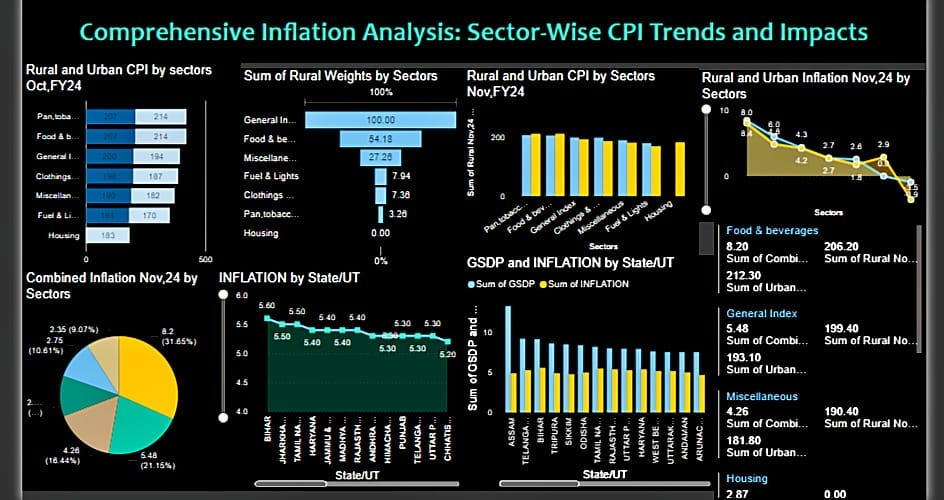
For example, the United States experienced inflation above 9% in 2022, according to data from the U.S. Bureau of Labor Statistics, the highest level in four decades. The Federal Reserve responded with one of the fastest interest-rate tightening cycles in modern history.
This shift illustrates how economic conditions can change rapidly, requiring flexible policy responses.
How Interest Rates Influence the Broader Economy
The Federal Reserve’s most powerful policy tool is the federal funds rate, the interest rate banks charge one another for overnight loans.
Although this rate is primarily a banking mechanism, it indirectly influences many consumer and business borrowing costs.
When the Fed raises interest rates
- Mortgage rates typically rise
- Credit card interest increases
- Auto loan financing becomes more expensive
- Business investment slows
- Stock market valuations may decline
When the Fed lowers interest rates
- Borrowing becomes cheaper
- Consumer spending often increases
- Housing markets strengthen
- Businesses expand more easily
- Investment activity accelerates
This balancing act is central to monetary policy. If the economy grows too quickly, inflation can rise. If growth slows too much, unemployment can increase.
The Fed adjusts rates to maintain equilibrium.
Inflation: A Central Challenge for Policymakers
Inflation has returned to the center of economic debate in the United States.
For decades prior to 2020, inflation remained relatively stable around the Federal Reserve’s 2% target. But pandemic-related disruptions changed that dynamic dramatically.
Several factors contributed to the inflation surge:
- Supply chain bottlenecks
- Increased consumer demand fueled by stimulus spending
- Labor shortages in key sectors
- Rising housing costs
- Global energy price volatility
The Federal Reserve’s response involved raising interest rates aggressively beginning in 2022 to slow economic activity and bring inflation back toward target levels.
However, policymakers must balance this carefully. Raising rates too quickly could push the economy into recession.
The Labor Market and the Fed’s Dual Mandate
Employment remains a central focus of Federal Reserve policy.
A strong labor market benefits households and supports economic growth, but it can also contribute to inflation if wage growth accelerates faster than productivity.
Recent labor trends include:
- Historically low unemployment levels
- Continued demand for skilled workers
- Wage growth in service sectors
- Remote and hybrid work reshaping labor markets
The Fed closely monitors indicators such as:
- Unemployment rate
- Labor force participation
- Average hourly earnings
- Job openings and quit rates
These data points help policymakers determine whether the economy is overheating or slowing.
For example, the U.S. unemployment rate has hovered near 3.5%–4% in recent years, levels considered historically low.

Financial Markets and Federal Reserve Signals
Financial markets react quickly to Federal Reserve communications.
Even subtle wording changes in policy statements can influence investor expectations about future interest rates.
Investors often focus on:
- Federal Open Market Committee (FOMC) statements
- Fed meeting minutes
- Economic projections
- Press conferences by the Fed Chair
These communications help markets anticipate policy shifts.
For instance, when policymakers signal that interest rate increases may slow or pause, stock markets often respond positively. Conversely, warnings about persistent inflation can trigger volatility.
This interaction highlights how monetary policy increasingly operates through expectations and communication, not just policy actions.
The Fed’s Role in Financial Stability
Beyond setting interest rates, the Federal Reserve also acts as a guardian of financial system stability.
Major responsibilities include:
- Supervising large banking institutions
- Monitoring systemic financial risks
- Acting as a lender of last resort during crises
- Ensuring smooth functioning of payment systems
The Fed’s role became particularly visible during major crises such as:
- The 2008 global financial crisis
- The 2020 pandemic financial shock
During these periods, the central bank deployed emergency lending facilities, asset purchases, and liquidity support to prevent widespread financial instability.
These actions demonstrated how central banks have expanded their toolkit in response to modern financial risks.
Technology, Data, and the Future of Monetary Policy
Technological change is reshaping how the Federal Reserve studies and manages the economy.
Advanced data analysis allows economists to monitor economic trends in real time using indicators such as:
- Credit card spending patterns
- Online job postings
- Supply chain tracking
- Real-time inflation indicators
Artificial intelligence and machine learning are also beginning to influence economic forecasting models.
Meanwhile, the Fed continues to study emerging topics such as:
- Central bank digital currencies
- Fintech innovations
- Cybersecurity risks to financial systems
These developments may significantly influence how monetary policy operates in the coming decades.
How Federal Reserve Decisions Affect Everyday Americans
Although the Fed operates at a national level, its policies ultimately affect individual households.
Examples include:
- A family deciding whether to refinance a mortgage
- A small business considering expansion financing
- Retirees managing investment portfolios
- College graduates facing student loan interest rates
For instance, when interest rates rise, prospective homebuyers may delay purchasing a home due to higher mortgage payments.
Similarly, savers may benefit from higher yields on savings accounts and certificates of deposit when rates increase.
Understanding these connections can help Americans make more informed financial decisions.
Frequently Asked Questions
1. What does the Federal Reserve actually control?
The Fed directly sets the federal funds rate and influences broader financial conditions through monetary policy, banking regulation, and economic guidance.
2. Why does the Fed raise interest rates to fight inflation?
Higher rates reduce borrowing and spending, which slows demand and helps stabilize rising prices.
3. How often does the Federal Reserve meet?
The Federal Open Market Committee typically meets eight times per year to evaluate economic conditions and set policy.
4. Does the Federal Reserve control mortgage rates?
Not directly. Mortgage rates are influenced by market conditions, though Fed policies strongly affect them.
5. What is the Fed’s inflation target?
The Federal Reserve aims for 2% annual inflation over the long term.
6. Who leads the Federal Reserve?
The Federal Reserve is led by a Chair and Board of Governors based in Washington, D.C., along with 12 regional Federal Reserve Banks.
7. How does the Fed influence the stock market?
While it does not target stock prices, interest rate changes and economic signals strongly affect market expectations.
8. What happens during a recession?
The Fed typically lowers interest rates and may deploy additional tools to stimulate economic activity.
9. Why do markets react so strongly to Fed statements?
Investors interpret Fed communications as signals about future economic conditions and borrowing costs.
10. Is the Federal Reserve independent from politics?
The Fed operates independently of day-to-day political influence, although it remains accountable to Congress.
Looking Ahead: Navigating an Evolving Economic Environment
The Federal Reserve operates in a world where economic conditions are more complex and interconnected than ever before. Global trade dynamics, technological disruption, demographic changes, and fiscal policy pressures all influence the economic landscape.
As these forces evolve, the Fed must adapt its policy tools and communication strategies to maintain economic stability.
For Americans, understanding how monetary policy works is increasingly valuable. Whether interpreting economic headlines, evaluating investment decisions, or planning major purchases, awareness of Federal Reserve actions provides important context.
While the Fed cannot eliminate economic cycles entirely, its policies remain a critical stabilizing force within the U.S. financial system.
Key Insights From Today’s Federal Reserve Landscape
- The Federal Reserve guides the economy through monetary policy and financial oversight.
- Interest rate adjustments influence borrowing, spending, and investment across the economy.
- Inflation management has become a central policy focus in recent years.
- Labor market conditions strongly influence Fed decisions.
- Financial markets closely watch Federal Reserve communications for policy signals.
- Technological innovation is shaping how economists analyze economic trends.
- Fed policies indirectly affect household finances, from mortgages to savings rates.