Summary
The Federal Reserve’s policy decisions over the next year will largely depend on inflation trends, labor market conditions, economic growth, and global financial stability. Interest rate adjustments, balance sheet policies, and financial conditions will evolve as policymakers respond to new data. Understanding these drivers helps investors, businesses, and households anticipate potential changes in borrowing costs, economic momentum, and financial markets.
The Federal Reserve plays one of the most influential roles in the U.S. economy. Its policy decisions affect mortgage rates, credit card interest, job markets, investment returns, and business expansion. While the Federal Reserve operates independently from political pressure, its decisions are shaped by evolving economic conditions.
Over the next year, the central question facing policymakers is how quickly inflation continues to cool while economic growth remains stable. After several years of aggressive interest-rate increases designed to bring inflation under control, the Federal Reserve now faces a delicate balancing act: maintaining price stability without unnecessarily slowing the economy.
For households, investors, and business leaders, understanding the factors guiding Federal Reserve policy can help clarify what may lie ahead for interest rates, lending conditions, and financial markets.
The Federal Reserve’s Core Mandate
The Federal Reserve’s policy path always begins with its dual mandate from Congress:
- Price stability – keeping inflation low and predictable
- Maximum employment – supporting a strong labor market
These two goals often reinforce each other, but at times they can conflict. When inflation rises too quickly, the Fed typically raises interest rates to slow demand. When unemployment rises, the Fed may lower rates to stimulate economic activity.
Most policy decisions emerge from balancing these two objectives in response to incoming data.
Inflation Trends Will Remain the Primary Driver
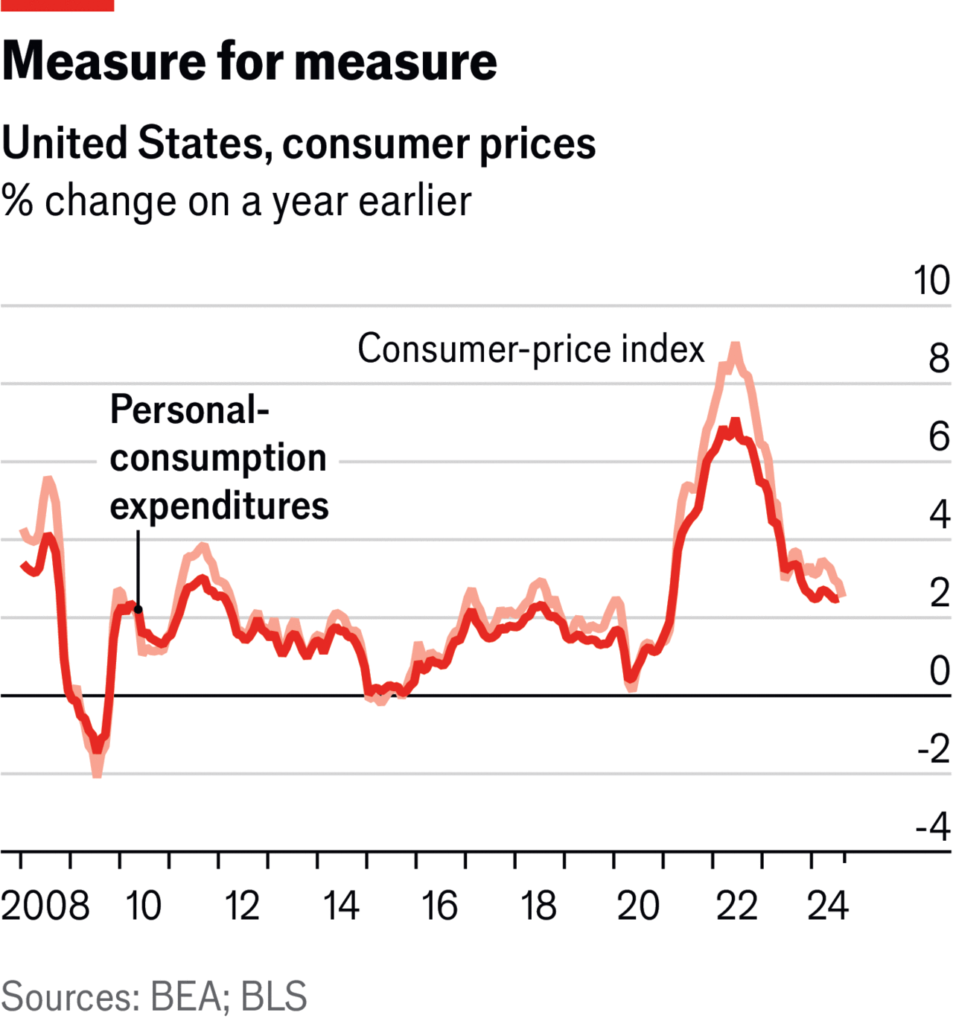
Inflation remains the most important variable guiding Federal Reserve decisions. After peaking in 2022, U.S. inflation has gradually moved closer to the Fed’s target of about 2% annually.
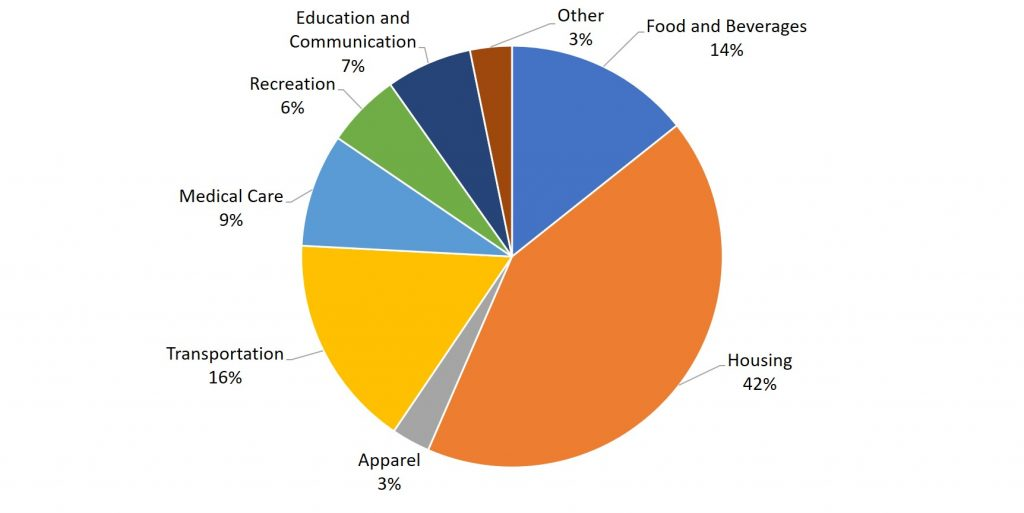
However, policymakers remain cautious. Inflation can fall unevenly, and certain categories—particularly services such as housing, healthcare, and insurance—often remain stubborn.
Key inflation indicators the Fed watches include:
- Consumer Price Index (CPI)
- Personal Consumption Expenditures (PCE) price index
- Core inflation, which excludes volatile food and energy prices
- Wage growth, which can feed into service inflation
Even when inflation appears to be declining, the Fed typically waits for sustained evidence before adjusting policy.
For example, during previous inflation cycles, the central bank often waited several months to confirm that inflation trends were durable before lowering interest rates.
Labor Market Strength and Wage Growth
The labor market provides another critical signal for policymakers. A strong job market supports consumer spending and economic growth, but rapid wage increases can sometimes contribute to inflation.
Over the past several years, the U.S. labor market has remained resilient despite higher interest rates. Unemployment has stayed historically low, while job openings and labor demand have remained elevated.
Policymakers analyze several labor indicators:
- Unemployment rate
- Job creation (monthly payroll data)
- Labor force participation
- Wage growth trends
- Job openings and quits data
If hiring slows significantly or unemployment rises quickly, the Fed may shift toward easing policy to support economic stability.
Conversely, if wage growth accelerates too rapidly, policymakers may maintain tighter financial conditions for longer.
Economic Growth and Consumer Spending
The broader pace of economic activity also influences monetary policy decisions. Economic growth in the United States is heavily driven by consumer spending, which accounts for roughly two-thirds of GDP.
Several indicators help the Federal Reserve gauge economic momentum:
- Retail sales
- Household income growth
- Business investment
- Industrial production
- Housing market activity
If economic growth slows sharply, policymakers may consider lowering interest rates to stimulate demand. But if the economy continues expanding strongly, the Fed may maintain current rates to prevent inflation from returning.
A good example occurred in 2023 and 2024, when stronger-than-expected economic growth delayed expectations for rapid rate cuts.
Financial Conditions and Credit Markets
Monetary policy does not operate in isolation. Financial conditions—including stock markets, bond yields, and lending standards—play a major role in shaping how policy decisions affect the economy.
Even if the Federal Reserve keeps its benchmark interest rate unchanged, financial conditions can tighten or loosen depending on market dynamics.
Key signals policymakers monitor include:
- Treasury bond yields
- Corporate credit spreads
- Bank lending standards
- Mortgage rates
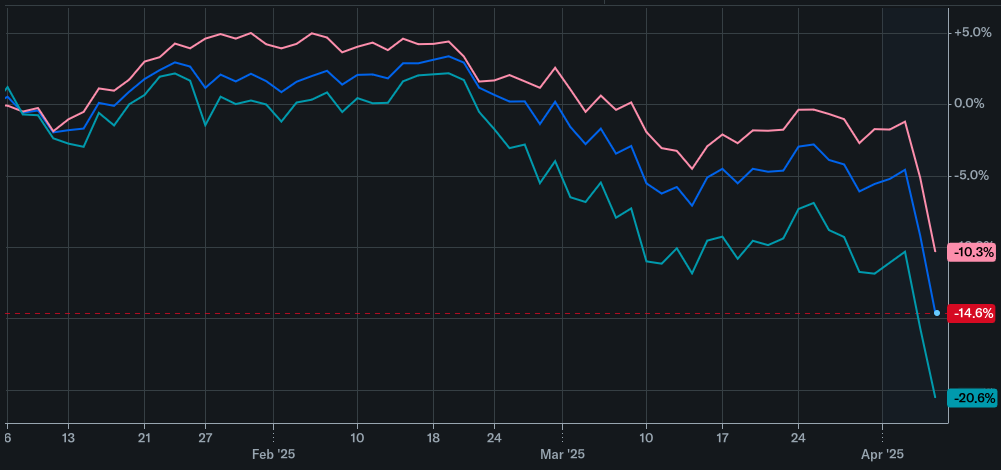
- Equity market performance
For instance, if financial markets ease dramatically—lower borrowing costs, rising asset prices—it can stimulate economic activity and potentially slow the pace of policy easing.
Conversely, if financial stress emerges, the Fed may act more quickly to support stability.
Housing and Mortgage Market Dynamics
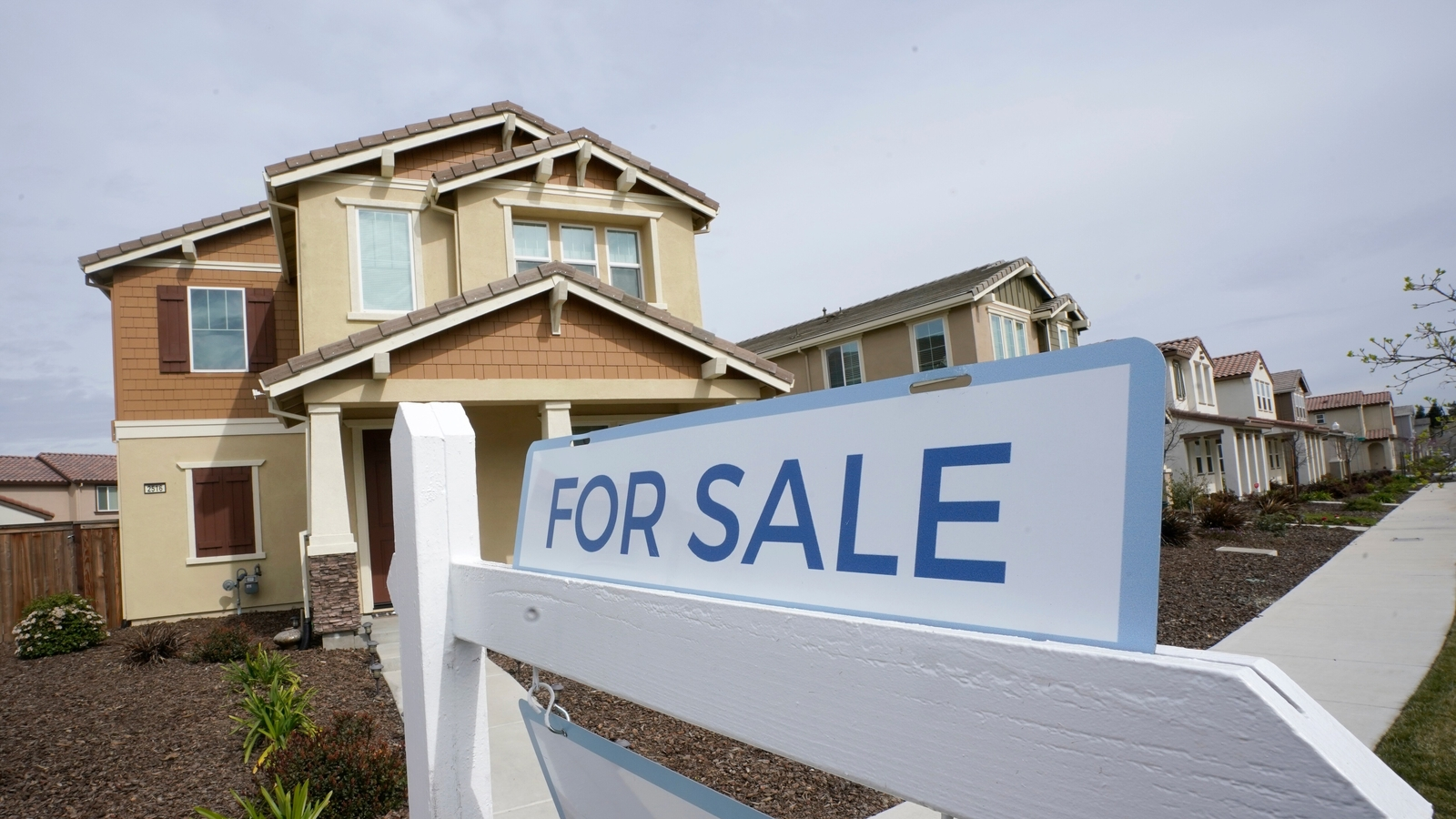
Housing is one of the most interest-rate-sensitive sectors of the economy. Mortgage rates move closely with Treasury yields, which are influenced by Federal Reserve policy expectations.
When rates rise, housing demand often slows, affecting construction, home sales, and related industries.
Policymakers track:
- New home construction
- Existing home sales
- Mortgage applications
- Home price trends
- Housing affordability
Because housing influences both inflation and employment, it plays an important role in policy discussions.
For example, shelter costs make up a large portion of inflation indexes, meaning sustained increases in rents or home prices can keep overall inflation elevated.
Global Economic Developments
The U.S. economy does not operate in isolation. Global events frequently influence Federal Reserve decision-making.
Several international factors can shape the policy path:
- Economic growth in Europe and Asia
- Energy prices and commodity markets
- Geopolitical tensions
- Currency fluctuations
- Financial market volatility
For example, a slowdown in global demand can reduce U.S. exports and slow economic growth. Conversely, global supply disruptions—such as shipping bottlenecks or energy shocks—can raise inflation pressures.
The Federal Reserve closely monitors global developments when assessing risks to the domestic economy.
Fiscal Policy and Government Spending
Government policy also influences the broader economic environment. Fiscal decisions—including spending programs, infrastructure investments, and tax policy—can affect economic growth and inflation.
Large fiscal stimulus programs may boost consumer demand and employment. While this can support economic expansion, it can also complicate the Fed’s efforts to slow inflation.
Conversely, fiscal tightening or reduced government spending can contribute to slower economic growth, potentially allowing the Fed to ease policy sooner.
The interaction between fiscal policy and monetary policy often shapes the broader economic landscape in which the Federal Reserve operates.
Balance Sheet Policy and Quantitative Tightening
In addition to adjusting interest rates, the Federal Reserve also manages the size of its balance sheet.
During periods of economic stress, the Fed may purchase Treasury securities and mortgage-backed bonds to support financial markets—a policy known as quantitative easing.
In recent years, policymakers have been gradually reducing the balance sheet through quantitative tightening, allowing securities to mature without reinvesting proceeds.
This process affects liquidity in financial markets and can influence long-term interest rates.
Over the coming year, decisions around balance sheet reduction could become another key component of the Fed’s policy path.
Market Expectations and Communication
Federal Reserve communication plays a powerful role in shaping financial conditions.
Markets closely watch:
- Federal Open Market Committee (FOMC) statements
- Press conferences by the Fed chair
- Economic projections
- Speeches from policymakers
Even subtle changes in language can signal potential shifts in policy direction.
For example, if policymakers begin emphasizing downside risks to economic growth, markets may anticipate rate cuts sooner. If inflation risks remain the focus, expectations for higher rates may persist.
Effective communication helps the Fed guide market expectations without creating unnecessary volatility.

Frequently Asked Questions
What is the Federal Reserve’s main goal when setting interest rates?
The Federal Reserve aims to balance price stability and maximum employment. Interest rate adjustments help control inflation while supporting sustainable economic growth.
Why does inflation matter so much for Federal Reserve policy?
High inflation erodes purchasing power and creates economic instability. The Federal Reserve raises interest rates to slow demand and reduce inflation pressures.
How often does the Federal Reserve change interest rates?
The Federal Open Market Committee meets eight times per year, though policy changes can occur at any meeting depending on economic conditions.
What indicators does the Fed watch most closely?
Key indicators include inflation indexes, unemployment data, wage growth, GDP growth, consumer spending, and financial market conditions.
How do Federal Reserve decisions affect mortgage rates?
Mortgage rates are influenced by Treasury yields and investor expectations about future inflation and interest rates. Fed policy signals often shape these expectations.
Can the Federal Reserve prevent a recession?
The Fed cannot eliminate economic cycles entirely, but it attempts to reduce the severity of downturns through interest rate adjustments and liquidity support.
What is the difference between rate cuts and quantitative easing?
Rate cuts lower short-term borrowing costs, while quantitative easing involves purchasing financial assets to inject liquidity into the economy.
How long does it take for Fed policy to affect the economy?
Monetary policy typically affects economic activity with lags of six to eighteen months, depending on financial conditions and consumer behavior.
Could the Fed raise rates again after cutting them?
Yes. If inflation unexpectedly accelerates or economic conditions change, policymakers can reverse course.
Why do markets react so strongly to Fed announcements?
Financial markets rely on interest rate expectations to value assets. Even small changes in policy outlook can influence bond yields, stock prices, and currency markets.
Reading the Signals: How Observers Can Anticipate Policy Shifts
While Federal Reserve decisions are data-driven and often unpredictable, certain patterns help analysts anticipate policy changes.
When inflation consistently trends lower, unemployment begins rising, and economic growth slows, policymakers typically move toward easing policy. Conversely, persistent inflation or strong economic expansion often leads the Fed to maintain tighter financial conditions.
For investors, business leaders, and households, paying attention to inflation data, labor market reports, and Federal Reserve communications provides valuable clues about the potential direction of monetary policy.
Understanding these signals does not guarantee accurate predictions—but it helps place economic headlines in context and prepares decision-makers for potential shifts in interest rates and financial conditions.
Key Economic Signals to Watch Over the Next Year
- Inflation progress toward the 2% target
- Changes in unemployment and job creation
- Consumer spending trends
- Housing market performance
- Financial market stability
- Global economic developments
- Federal Reserve communication and policy projections