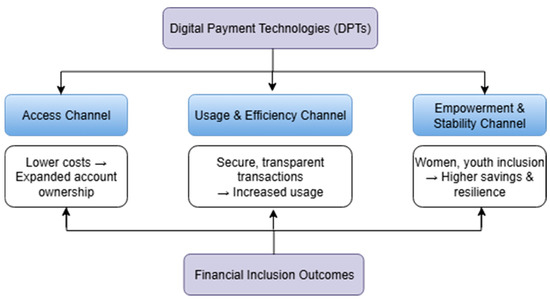
Summary
The Federal Reserve is actively preparing for future economic challenges through updated monetary policy tools, improved financial system oversight, advanced data analysis, and global coordination. By studying past crises, strengthening banking resilience, and monitoring inflation and labor markets closely, the central bank aims to respond faster and more effectively to economic shocks that could affect American households, businesses, and financial markets.
Understanding the Federal Reserve’s Role in an Uncertain Economy
The Federal Reserve—often referred to simply as “the Fed”—serves as the central bank of the United States. Its core responsibilities include managing inflation, supporting maximum employment, supervising banks, and maintaining financial system stability.
Preparing for future economic challenges is not a theoretical exercise. The Fed must anticipate risks ranging from inflation spikes and financial crises to technological changes in finance and global economic disruptions.
Recent history illustrates why this preparation matters. During the 2008 financial crisis and the COVID-19 pandemic, the Federal Reserve deployed aggressive policy actions to stabilize markets and support economic recovery. These experiences have significantly shaped how the institution prepares for the next economic shock.
Today, the Fed relies on a combination of research, policy planning, regulatory oversight, and international coordination to ensure it can respond quickly if economic conditions deteriorate.
Learning From Past Economic Crises
One of the most important ways the Federal Reserve prepares for the future is by studying the past.
Economic crises rarely occur in identical ways, but they often reveal weaknesses in financial systems or policy frameworks. After the 2008 financial crisis, the Federal Reserve strengthened its approach to financial oversight and emergency policy tools.
Several major lessons emerged:
- Financial markets can freeze quickly when confidence disappears
- Large financial institutions can create systemic risk
- Liquidity shortages can spread across global markets within hours
- Monetary policy alone may not be sufficient during severe downturns
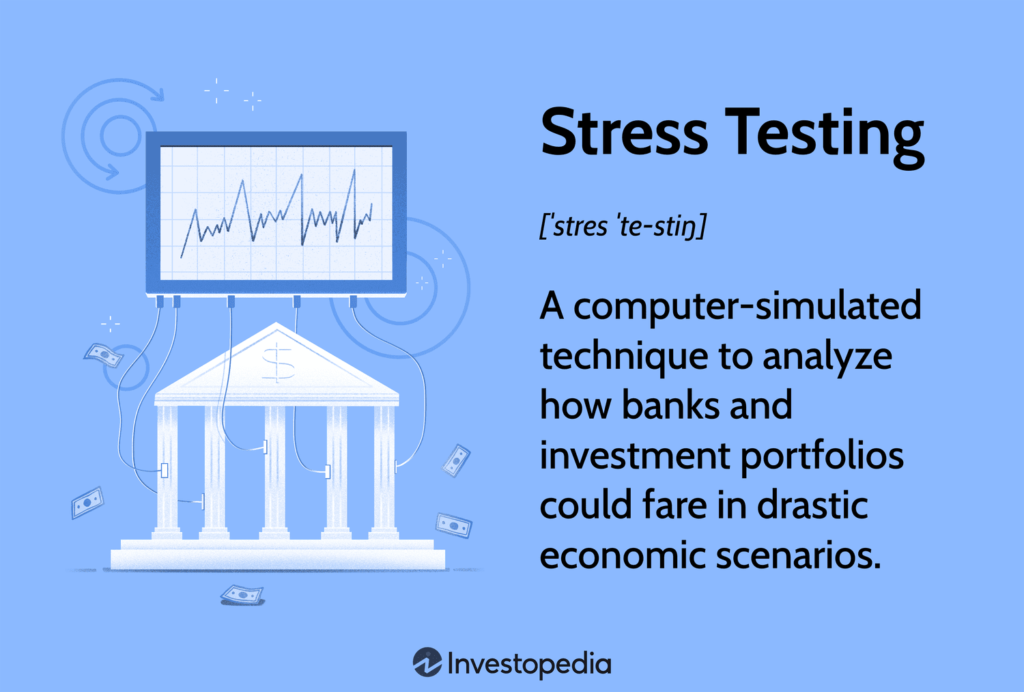
As a result, the Fed now conducts extensive stress testing of large banks and monitors systemic risks more closely.
According to the Federal Reserve Board, major U.S. banks must pass annual stress tests demonstrating they could withstand severe economic scenarios, including sharp unemployment increases and market declines.
These exercises help ensure banks remain well capitalized even during downturns.
Improving the Federal Reserve’s Policy Toolkit
Another key area of preparation involves expanding the tools available to policymakers.
Traditionally, the Federal Reserve influences the economy primarily by adjusting the federal funds rate, which affects borrowing costs across the financial system.
However, modern economic challenges sometimes require additional tools.
The Fed has developed several policy mechanisms that can be used during periods of economic stress:
- Quantitative easing (QE) — purchasing Treasury securities to increase liquidity
- Forward guidance — signaling future policy intentions to influence markets
- Emergency lending facilities — supporting credit markets during crises
- Balance sheet management — expanding or shrinking the Fed’s holdings to affect financial conditions
These tools were heavily used during both the financial crisis and the pandemic.
Federal Reserve officials now routinely evaluate how these policies performed and refine them for future use.
Strengthening the Resilience of the Banking System
Financial stability remains one of the Fed’s most critical responsibilities.
A fragile banking system can amplify economic downturns, which is why the Federal Reserve works closely with regulators to strengthen bank resilience.
Key regulatory safeguards include:
- Higher capital requirements for large banks
- Liquidity rules ensuring banks maintain accessible funding
- Resolution planning for large financial institutions
- Enhanced supervision of systemically important banks
For example, banks designated as “systemically important financial institutions” (SIFIs) must meet stricter regulatory standards because their failure could disrupt the broader economy.
These safeguards aim to prevent the type of cascading financial failures that occurred during the 2008 crisis.
Monitoring Inflation and Labor Market Signals
Inflation management remains central to the Federal Reserve’s long-term strategy.
The Fed’s current framework aims for 2% average inflation over time, allowing policymakers to balance price stability with employment growth.
Monitoring inflation requires analyzing multiple economic indicators, including:
- Consumer price data
- Wage growth trends
- supply chain pressures
- commodity prices
- consumer expectations about inflation
The Federal Reserve also closely monitors labor market conditions.
Employment levels, wage growth, labor force participation, and job openings provide insight into the economy’s overall strength.
For example, when unemployment falls significantly while wages rise quickly, policymakers may worry about inflation pressures building.
These signals influence how aggressively the Fed adjusts interest rates.
Investing in Economic Research and Data Analysis
Preparing for future economic challenges requires better forecasting tools.
The Federal Reserve employs hundreds of economists across its regional banks and the Board of Governors in Washington, D.C. These experts analyze economic data and develop models that help policymakers anticipate risks.
Research areas include:
- Financial stability risks
- digital currencies and payment systems
- labor market dynamics
- international capital flows
- inflation expectations
Advanced data analytics now play a larger role in economic forecasting. Real-time data from financial markets, shipping activity, and consumer spending can provide early signals of economic shifts.
For example, during the early stages of the pandemic, high-frequency credit card spending data helped economists quickly gauge changes in consumer behavior.
This faster access to information improves the Fed’s ability to respond before problems escalate.
Preparing for Technological Changes in Finance
Financial technology is transforming the banking and payment systems.
The Federal Reserve has been evaluating the potential impact of digital currencies, fintech innovation, and faster payment systems.
One example is the FedNow Service, launched in 2023, which allows instant payments between participating banks and financial institutions.
The central bank is also researching the potential implications of a central bank digital currency (CBDC), although no decision has been made to introduce one.
These initiatives are designed to ensure the U.S. financial system remains competitive, secure, and efficient as financial technology evolves.
Preparing for these changes helps the Federal Reserve manage future risks related to payment infrastructure and financial innovation.
Coordinating With Global Central Banks
Economic shocks rarely remain confined to one country.
Global trade, international finance, and capital flows mean that financial instability in one region can quickly affect others.
The Federal Reserve regularly coordinates with other major central banks, including those in Europe, Japan, and the United Kingdom.
This coordination can include:
- currency swap lines during financial stress
- shared economic research
- coordinated policy responses
- financial stability monitoring
During the pandemic, for example, the Federal Reserve established temporary dollar liquidity swap lines with several central banks to ensure global financial markets continued functioning smoothly.
This international cooperation helps stabilize the global financial system during crises.
Preparing for New Economic Risks
Future economic challenges may look different from past crises.
Federal Reserve policymakers increasingly consider emerging risks such as:
- climate-related financial risks
- cybersecurity threats to financial infrastructure
- geopolitical disruptions to supply chains
- technological disruption in financial markets
The Fed does not control all of these risks directly, but understanding them helps policymakers assess potential impacts on economic stability.
Research and scenario planning allow the Federal Reserve to develop contingency plans before crises emerge.
What This Means for American Households and Businesses
While Federal Reserve policy often feels abstract, its decisions affect everyday financial conditions.
Interest rates influence mortgage costs, credit card rates, auto loans, and business borrowing.
When the Fed prepares for economic challenges, it ultimately aims to reduce the severity of recessions and protect financial stability.
For households, this preparation can mean:
- more stable employment conditions
- lower risk of banking crises
- smoother credit market functioning
- more predictable inflation trends
Businesses also benefit from a stable financial system that supports investment and long-term planning.
The goal is not to eliminate economic cycles entirely—which is impossible—but to make downturns less damaging.

Frequently Asked Questions
Why does the Federal Reserve prepare for economic crises in advance?
Economic crises can develop rapidly. Preparation allows the Fed to respond quickly with policy tools that stabilize financial markets and support economic activity.
What tools does the Federal Reserve use during recessions?
Common tools include lowering interest rates, purchasing government securities, providing emergency lending to financial institutions, and communicating policy guidance to markets.
How does the Fed monitor economic risks?
The Fed analyzes economic data, financial market indicators, banking system health, and global economic developments.
What is the Fed’s inflation target?
The Federal Reserve aims for 2% average inflation over time, which supports stable prices and sustainable economic growth.
Why are bank stress tests important?
Stress tests ensure large banks have enough capital to survive severe economic downturns without failing.
Can the Federal Reserve prevent recessions entirely?
No. Economic cycles are unavoidable, but the Fed works to reduce their severity and duration.
How often does the Federal Reserve adjust interest rates?
The Federal Open Market Committee typically meets eight times per year to review economic conditions and adjust policy if necessary.
What role does technology play in the Fed’s planning?
Advanced data analysis, digital payment systems, and fintech research help policymakers better understand and respond to economic changes.
Does the Fed coordinate with other countries?
Yes. The Federal Reserve works with other central banks to maintain global financial stability during periods of economic stress.
Why do investors closely watch Federal Reserve policy?
Interest rate decisions influence financial markets, borrowing costs, and economic growth expectations.
Looking Ahead: The Fed’s Long-Term Readiness Strategy
Preparing for future economic challenges is an ongoing process rather than a single policy initiative.
The Federal Reserve continuously evaluates new risks, tests financial institutions, improves policy tools, and analyzes economic data to stay ahead of potential crises.
While economic uncertainty will always exist, these preparations aim to ensure that the U.S. financial system remains resilient even during periods of global instability.
By learning from past crises and adapting to new financial realities, the Federal Reserve continues refining its approach to safeguarding the American economy.
Key Insights at a Glance
- The Federal Reserve prepares for future economic challenges through research, regulation, and policy planning.
- Stress testing and stronger bank capital requirements help protect financial stability.
- Advanced economic data analysis improves crisis response speed.
- Global coordination with other central banks supports international financial stability.
- Emerging risks such as fintech disruption and cybersecurity are now part of the Fed’s planning framework.