Summary
The Federal Reserve evaluates a wide range of economic indicators to guide interest rate decisions and maintain stable prices and employment. From inflation data and labor market trends to consumer spending and financial conditions, these signals help policymakers assess economic momentum and risks. Understanding what the Fed watches offers valuable insight into interest rates, borrowing costs, markets, and the broader direction of the U.S. economy.
Why Economic Indicators Matter to the Federal Reserve
The Federal Reserve, the central banking system of the United States, operates under a dual mandate: promoting maximum employment and stable prices. To achieve these goals, policymakers must constantly interpret signals from the economy.
These signals come in the form of economic indicators—data points that reflect how households, businesses, and financial markets are behaving. The Federal Open Market Committee (FOMC), which sets interest rate policy, reviews these indicators before each policy meeting.
For Americans, these decisions shape everyday financial realities. Mortgage rates, car loans, credit card interest, and retirement investments all respond to shifts in Fed policy.
Economic indicators help answer key questions such as:
- Is inflation cooling or accelerating?
- Are businesses hiring or cutting jobs?
- Are consumers spending confidently or pulling back?
- Are financial markets stable?
Understanding what the Fed watches provides insight into why interest rates rise or fall and how economic policy evolves.
Inflation: The Fed’s Primary Focus
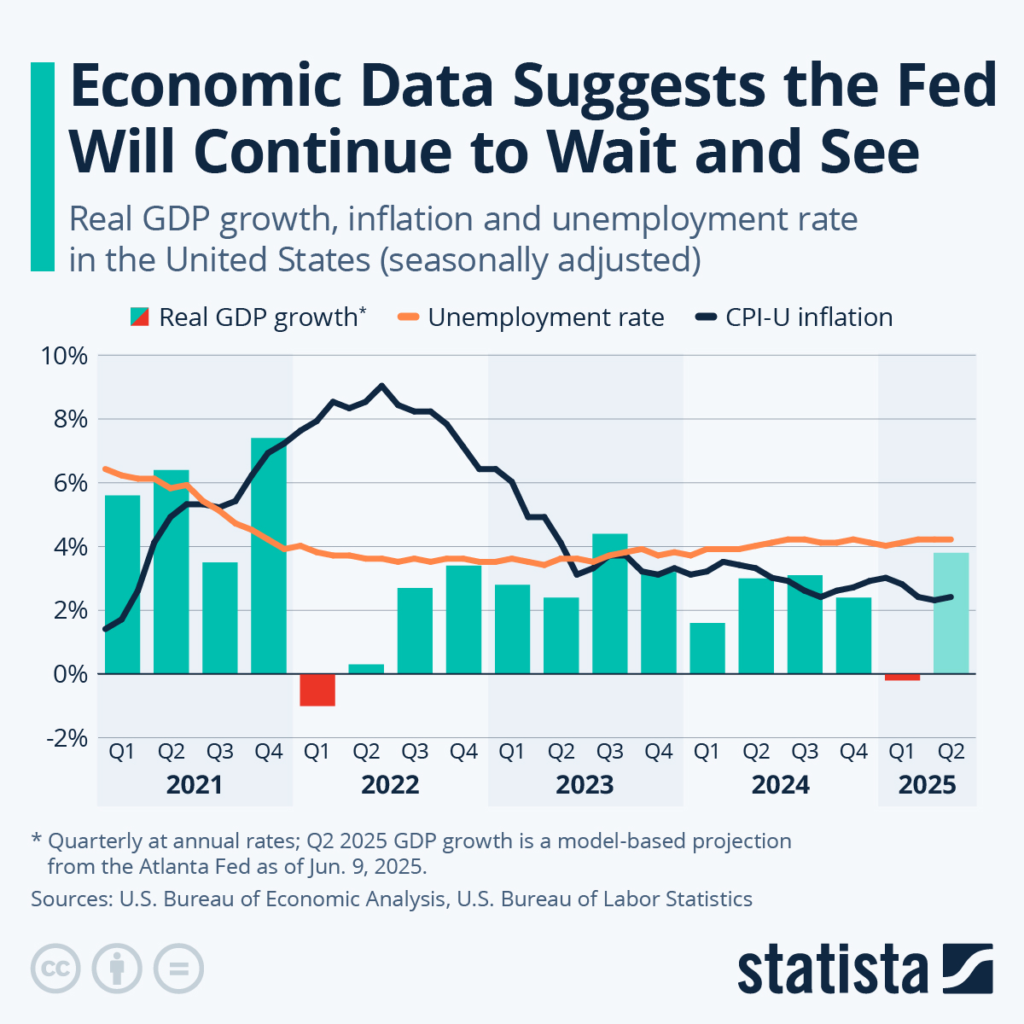
Inflation has been the central economic issue in recent years, and it remains one of the most closely monitored indicators.
The Fed typically focuses on the Personal Consumption Expenditures (PCE) Price Index, which measures changes in prices paid by consumers for goods and services. According to the U.S. Bureau of Economic Analysis, the Fed targets 2% annual inflation over time.
When inflation rises above this target, policymakers may increase interest rates to slow spending and borrowing. When inflation drops too low, they may lower rates to encourage economic activity.
Key inflation indicators the Fed reviews include:
- PCE Price Index
- Core PCE (excluding food and energy)
- Consumer Price Index (CPI)
- Producer Price Index (PPI)
For example, when inflation surged in 2022, the Fed implemented one of the most aggressive rate-hiking cycles in decades to stabilize price growth.
But policymakers also look beyond headline numbers. They study whether inflation is driven by wages, housing costs, supply chains, or energy prices, because each source requires a different policy response.
The Labor Market: Gauging Economic Strength
The second pillar of the Fed’s mandate is employment.
A strong labor market generally signals a healthy economy. However, if job growth becomes too strong and wages rise quickly, inflation can accelerate.
The Fed closely monitors several employment indicators:
- Monthly Nonfarm Payrolls Report
- Unemployment Rate
- Labor Force Participation Rate
- Job Openings and Labor Turnover Survey (JOLTS)
- Average Hourly Earnings
For example, during periods of economic expansion, employers may struggle to find workers. Rising wages can support household spending but may also push companies to raise prices.
Conversely, rising unemployment may signal weakening economic momentum.
Recent labor market conditions have shown an unusual pattern: strong job growth combined with cooling inflation. This dynamic has prompted economists to debate whether the U.S. economy is achieving a “soft landing.”
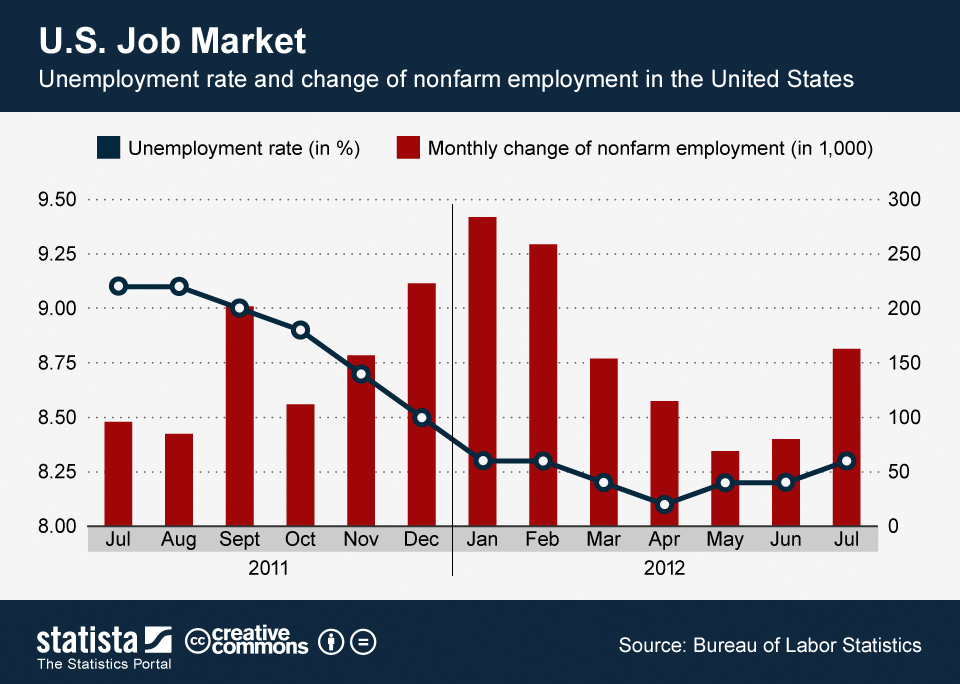
Consumer Spending: The Engine of the U.S. Economy
Consumer spending accounts for roughly two-thirds of U.S. GDP, making it a vital signal for policymakers.
If consumers continue spending confidently, businesses expand production, hire workers, and invest in growth.
However, if spending slows sharply, the economy can weaken quickly.
Key indicators the Fed reviews include:
- Retail sales data
- Personal consumption expenditures
- Consumer confidence surveys
- Credit card and household debt trends
For example, strong holiday shopping seasons often indicate continued economic resilience, while declining retail sales may suggest rising financial pressure on households.
Policymakers also examine whether spending is fueled by income growth or increased borrowing, as debt-driven spending may not be sustainable.
GDP Growth and Economic Momentum
Gross Domestic Product (GDP) represents the broadest measure of economic activity.
While GDP is reported quarterly and often revised, it provides an overall view of economic momentum.
Strong GDP growth may signal a robust economy, but extremely rapid growth can also raise inflation risks.
Economists often pay attention to:
- Real GDP growth rate
- Consumer spending contribution
- Business investment trends
- Inventory changes
For instance, a slowdown in business investment may signal caution among companies, while rising investment may reflect confidence in future demand.
The Fed studies these patterns to determine whether economic expansion is sustainable or overheating.
Housing Market Signals
Housing plays an important role in both inflation and economic growth.
Mortgage rates—closely tied to interest rate expectations—directly influence housing demand. Higher rates typically slow home purchases and construction, while lower rates stimulate activity.
Key housing indicators include:
- Housing starts
- Building permits
- Existing home sales
- Home price indexes
- Mortgage applications
Housing costs also influence inflation measures. Shelter expenses account for a significant portion of both CPI and PCE inflation calculations.
As a result, housing trends can significantly influence the Fed’s outlook.
Financial Conditions and Market Stability
The Federal Reserve also monitors financial markets for signs of stress or instability.
Financial conditions reflect how easy or difficult it is for businesses and consumers to access credit.
Key indicators include:
- Treasury yields
- Corporate bond spreads
- Stock market performance
- Bank lending standards
- Liquidity in financial markets
For example, widening credit spreads may signal growing concern about corporate debt risks. Tight lending standards from banks may slow business investment and consumer borrowing.
The Fed’s goal is not to manage stock prices but to ensure financial markets function smoothly.
During periods of market stress—such as the financial crisis of 2008 or the early stages of the COVID-19 pandemic—the Fed has intervened to stabilize financial systems.
Global Economic Developments
Although the Fed focuses primarily on the U.S. economy, global developments can influence domestic conditions.
International trade, commodity prices, and geopolitical events can affect inflation and economic growth.
Global indicators policymakers watch include:
- Energy and commodity prices
- International trade flows
- Currency exchange rates
- Economic growth in major economies
For example, disruptions in global supply chains can increase costs for American businesses and consumers.
Similarly, strong global demand may increase U.S. exports, boosting domestic production.
Because the U.S. dollar is the world’s primary reserve currency, shifts in global capital flows can also affect financial conditions.
How the Fed Interprets Conflicting Signals
Economic data rarely moves in perfect alignment. Policymakers often face conflicting signals.
For instance:
- Inflation may fall while job growth remains strong
- Consumer spending may rise while business investment slows
- Markets may tighten even when GDP growth remains steady
In these situations, the Fed looks at trends over time rather than single data points.
Officials also rely on economic models, regional reports, and business surveys to gain a broader perspective.
The Fed’s Beige Book, published eight times per year, gathers insights from businesses across the country to supplement statistical data.
Why Americans Watch the Fed So Closely
Federal Reserve decisions influence many aspects of daily financial life.
Interest rate changes can affect:
- Mortgage payments
- Credit card interest rates
- Auto loans
- Business borrowing costs
- Stock and bond markets
For example, a one-percentage-point increase in mortgage rates can significantly raise monthly housing payments.
Similarly, shifts in interest rates can influence retirement portfolios by affecting both bond yields and stock valuations.
Because of this broad influence, Fed announcements often attract intense attention from investors, economists, and policymakers.

Frequently Asked Questions
What is the Federal Reserve’s main economic goal?
The Federal Reserve aims to achieve maximum employment and stable prices, commonly known as its dual mandate.
Which inflation measure does the Fed prefer?
The Fed primarily focuses on the Personal Consumption Expenditures (PCE) Price Index, especially the core version that excludes food and energy.
How often does the Fed review economic data?
Economic indicators are reviewed continuously, but major policy decisions occur during FOMC meetings held about eight times per year.
Why does the Fed raise interest rates?
Higher interest rates slow borrowing and spending, which helps reduce inflation.
What happens when the Fed lowers interest rates?
Lower rates encourage borrowing and investment, stimulating economic activity during slowdowns.
Why does the labor market matter for inflation?
Strong wage growth can increase consumer spending and production costs, potentially pushing prices higher.
Does the Fed control mortgage rates directly?
No. Mortgage rates respond to broader market conditions and Treasury yields, though Fed policy strongly influences them.
What role do global events play in Fed decisions?
Global supply chains, commodity prices, and international financial markets can affect inflation and economic stability in the U.S.
How reliable are economic indicators?
Indicators provide valuable insights but are often revised and must be interpreted within broader trends.
Where can Americans follow Federal Reserve updates?
Official statements, economic projections, and press conferences are available on the Federal Reserve’s website after each FOMC meeting.
Reading the Economic Signals Ahead
Economic indicators serve as the dashboard of the U.S. economy, helping policymakers interpret whether conditions are strengthening, weakening, or stabilizing.
For the Federal Reserve, no single indicator tells the whole story. Instead, officials analyze a wide network of data—employment trends, inflation patterns, spending behavior, financial conditions, and global developments.
For households and businesses, understanding these indicators offers a clearer perspective on where interest rates, borrowing costs, and economic conditions may be heading in the months ahead.
Key Signals to Watch Going Forward
- Inflation trends remain the most influential factor in interest rate decisions
- Labor market strength continues to shape economic expectations
- Consumer spending drives the majority of economic activity
- Housing data often reflects changes in borrowing costs quickly
- Financial market conditions influence business investment and lending
- Global developments can impact inflation and economic growth