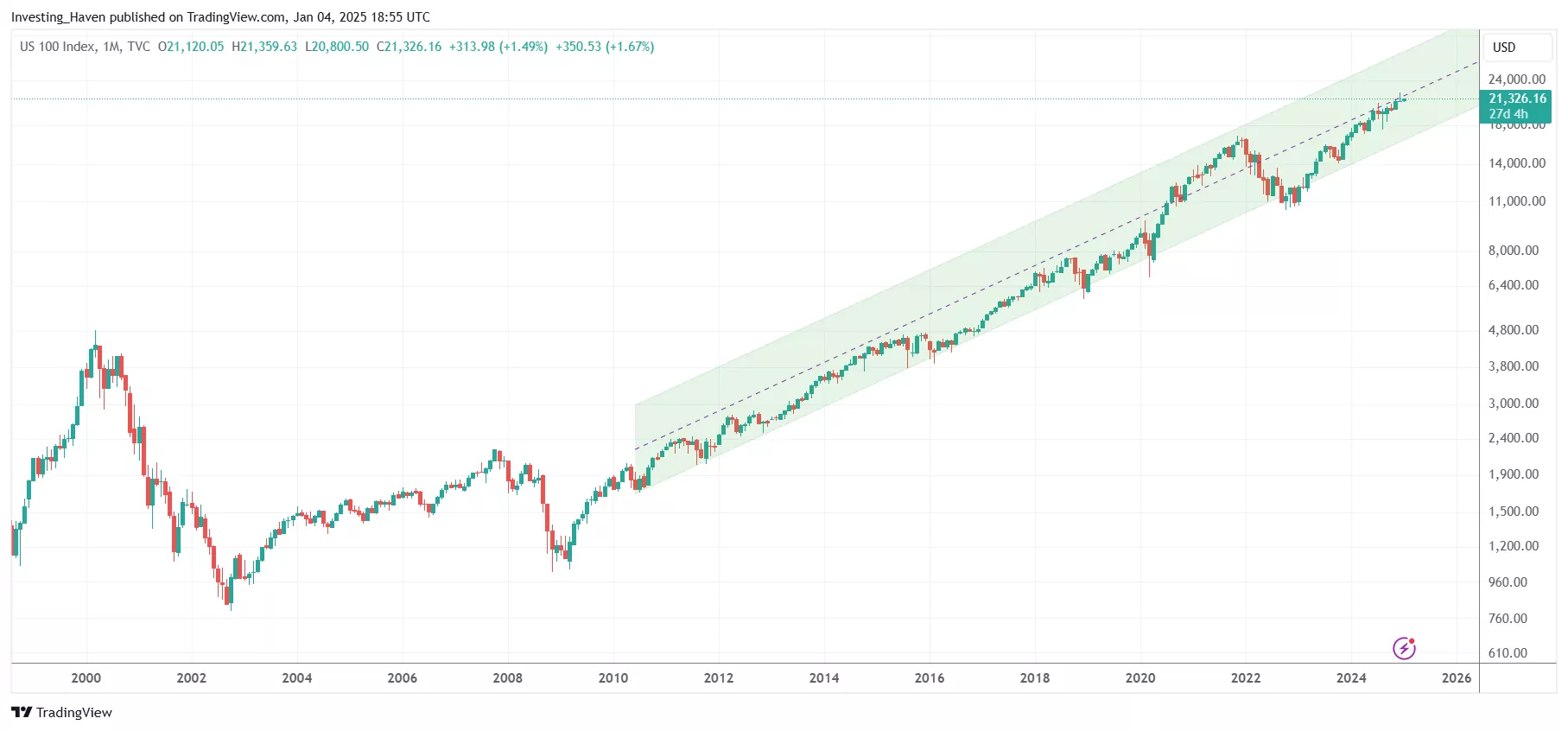
Summary
The Federal Reserve’s approach to monetary policy has changed significantly over the past several decades. From traditional interest-rate targeting to unconventional tools like quantitative easing and forward guidance, the Fed now uses a broader toolkit to stabilize inflation, employment, and financial markets. Understanding this evolution helps Americans better interpret economic headlines, mortgage rates, and the policy signals that shape the U.S. economy.
The Federal Reserve plays one of the most influential roles in the American economy. Its decisions affect mortgage rates, credit card interest, business investment, stock markets, and even job creation. But the way the Fed conducts monetary policy today is very different from how it operated decades ago.
Over time, financial crises, technological change, globalization, and new economic research have forced the central bank to rethink its strategy. What began primarily as interest-rate management has evolved into a multi-tool system designed to stabilize the modern economy.
For American households and businesses, understanding how the Fed’s policy framework has evolved provides insight into why interest rates rise, why stimulus programs appear during crises, and how inflation is managed.
The Federal Reserve’s Core Mandate
At its foundation, the Federal Reserve operates under a dual mandate established by Congress. The central bank must pursue:
- Maximum employment
- Stable prices (low inflation)
- Moderate long-term interest rates
In practical terms, the Fed attempts to balance two competing risks:
• The economy overheating with rising inflation
• The economy slowing with rising unemployment
Historically, the primary tool used to manage these risks has been the federal funds rate, the interest rate banks charge each other for overnight loans.
When inflation rises too quickly, the Fed increases rates to slow borrowing and spending. When economic growth weakens, it cuts rates to encourage credit and investment.
While this core mechanism still exists today, the modern policy framework has expanded significantly.
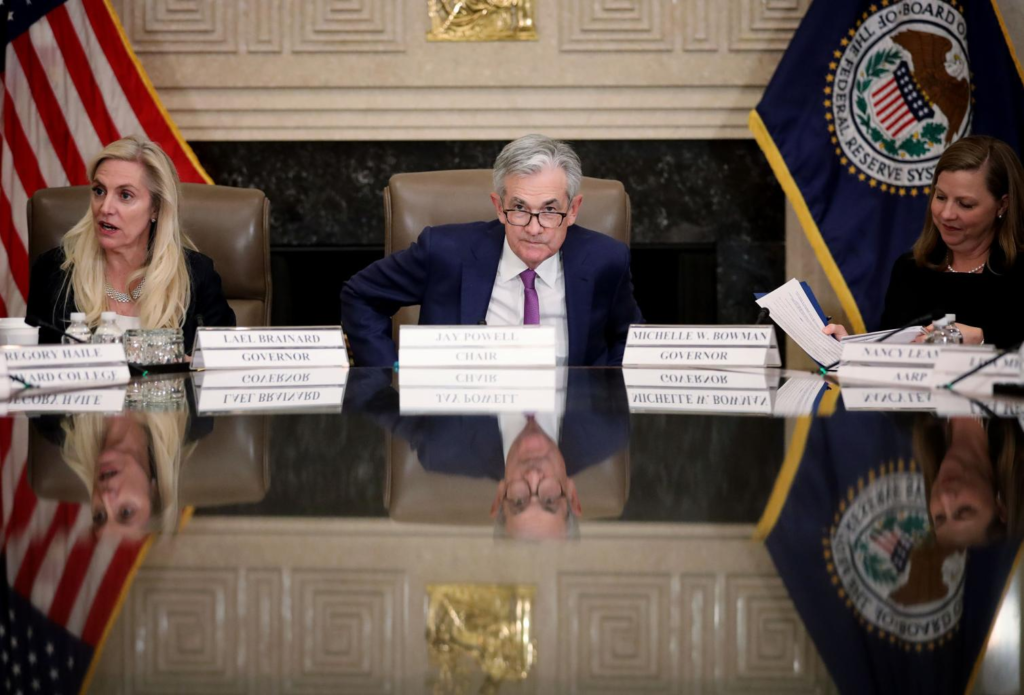
How Monetary Policy Worked in the 20th Century
For much of the 20th century, monetary policy was relatively straightforward.
The Federal Reserve adjusted short-term interest rates and influenced the money supply through open market operations, buying or selling U.S. Treasury securities.
This approach worked well during normal economic cycles. However, it had limitations when interest rates approached zero.
Several historical periods exposed those limitations:
- The Great Depression (1930s) revealed the dangers of deflation and banking instability.
- The inflation crisis of the 1970s forced aggressive rate hikes under Fed Chair Paul Volcker.
- The 2008 global financial crisis pushed interest rates to near zero, leaving the Fed with limited conventional tools.
Each episode contributed to a gradual evolution in how the central bank approaches economic stabilization.
The Rise of Data-Driven Policy
Modern Federal Reserve decisions rely heavily on real-time economic data and sophisticated modeling.
Key indicators policymakers monitor include:
- Consumer Price Index (CPI)
- Personal Consumption Expenditures (PCE) inflation
- unemployment rate
- labor force participation
- wage growth
- GDP growth
- financial market conditions
The Fed’s preferred inflation measure, PCE inflation, typically targets 2% annual inflation as a healthy level that avoids both deflation and runaway price increases.
Rather than reacting mechanically, policymakers evaluate broader economic conditions. For example, during periods of low unemployment but stable inflation, the Fed may choose to delay rate hikes.
This flexibility reflects lessons learned from earlier policy mistakes where tightening too early slowed economic recoveries.
The Financial Crisis That Changed Everything
The 2008 financial crisis marked the most significant turning point in modern monetary policy.
As banks failed and credit markets froze, the Federal Reserve quickly cut interest rates to near zero. But with rates already extremely low, traditional tools became ineffective.
To stabilize financial markets, the Fed introduced unconventional monetary policy tools, including:
• Quantitative Easing (QE)
• Forward Guidance
• Emergency lending facilities
These tools reshaped the Fed’s approach for the next decade.

Quantitative Easing: Expanding the Balance Sheet
Quantitative easing involves the large-scale purchase of government bonds and mortgage-backed securities.
The goal is to lower long-term interest rates and increase liquidity in financial markets.
Between 2008 and 2014, the Federal Reserve conducted multiple QE programs that expanded its balance sheet from about $900 billion to over $4.5 trillion.
The effects included:
- Lower mortgage rates
- Increased stock market liquidity
- Improved credit availability
- Support for housing recovery
Critics argued that QE inflated asset prices and widened wealth inequality. Supporters credit it with helping prevent a deeper recession.
Regardless of perspective, quantitative easing permanently expanded the central bank’s policy toolkit.
Forward Guidance: Managing Expectations
Another major innovation was forward guidance, a communication strategy designed to influence market expectations about future interest rates.
Instead of making decisions meeting by meeting without signals, the Fed began providing clearer projections about policy paths.
For example, policymakers might state that rates will remain low until:
- unemployment falls below a certain threshold
- inflation reaches a target level
- economic growth stabilizes
This transparency helps financial markets plan ahead and reduces volatility.
For households, forward guidance can influence mortgage decisions, investment strategies, and business planning.
The Pandemic and the Next Phase of Monetary Policy
The COVID-19 pandemic created an unprecedented economic shock.
In March 2020, the Federal Reserve responded rapidly with aggressive measures:
- Interest rates cut to near zero
- Massive quantitative easing programs
- Emergency lending facilities for businesses and municipalities
- Corporate bond purchases
- Liquidity support for financial markets
The Fed’s balance sheet expanded again, reaching nearly $9 trillion by 2022.
These interventions stabilized markets and supported economic recovery. However, they also contributed to conditions that later fueled inflation when demand rebounded sharply.
The Return of Inflation and Policy Tightening
By 2021 and 2022, inflation surged to levels not seen in four decades.
Supply chain disruptions, fiscal stimulus, and strong consumer demand pushed prices higher.
In response, the Federal Reserve initiated one of the fastest tightening cycles in modern history.
Key actions included:
• Rapid increases in the federal funds rate
• Ending asset purchase programs
• Beginning quantitative tightening (QT), reducing the balance sheet
This shift demonstrated the Fed’s willingness to pivot quickly when economic conditions change.
The experience reinforced an important lesson: modern monetary policy requires flexibility rather than rigid rules.
A New Strategy: Average Inflation Targeting
In 2020, the Federal Reserve formally adopted average inflation targeting.
Under this framework, the central bank allows inflation to run slightly above 2% for periods following below-target inflation.
The goal is to:
- Prevent persistent low inflation
- Support stronger labor markets
- Avoid premature rate increases
This policy reflects decades of research suggesting that low inflation environments can limit economic growth and reduce policy flexibility.
What This Means for American Households
While monetary policy discussions often sound abstract, the real-world effects are tangible.
Changes in Federal Reserve policy directly influence:
Mortgage Rates
Homebuyers often see mortgage rates move in response to Fed policy expectations.
Credit Card Interest
Variable credit card APRs typically rise when the Fed increases rates.
Car Loans and Student Loans
Borrowing costs for major purchases respond to broader interest rate trends.
Savings Yields
Higher policy rates often lead to improved returns on savings accounts and CDs.
Stock Market Volatility
Equity markets frequently react to shifts in monetary policy expectations.
For many Americans, the Federal Reserve’s evolving approach determines the cost of borrowing and the value of savings.
The Future of Federal Reserve Policy
Looking ahead, monetary policy will likely continue evolving as new challenges emerge.
Key areas economists are watching include:
- Managing inflation without triggering recessions
- Responding to financial market instability
- Adapting policy tools for digital currencies
- Addressing global economic shocks
- Balancing transparency with policy flexibility
Some economists also debate whether central banks should consider additional goals such as financial stability or climate-related economic risks.
While the core mandate remains unchanged, the methods used to achieve it will continue adapting to a rapidly changing global economy.
Frequently Asked Questions
What does the Federal Reserve actually control?
The Federal Reserve primarily controls the federal funds rate, which influences broader borrowing costs across the economy.
Why does the Fed target 2% inflation?
A modest level of inflation encourages spending and investment while avoiding the economic damage associated with deflation.
What is quantitative easing in simple terms?
Quantitative easing involves the Fed buying large amounts of bonds to inject money into the financial system and lower long-term interest rates.
Why can’t the Fed always just cut interest rates?
When rates approach zero, traditional policy tools become less effective, requiring alternative strategies like QE.
What is forward guidance?
Forward guidance is communication from the Fed about the likely future direction of interest rates to help guide market expectations.
Does the Federal Reserve control mortgage rates?
Not directly. Mortgage rates respond to broader financial market conditions influenced by Fed policy decisions.
What happens when the Fed raises interest rates?
Borrowing becomes more expensive, which slows spending and helps reduce inflation.
Why did inflation spike after the pandemic?
Supply chain disruptions, strong demand, and fiscal stimulus contributed to rising prices.
What is quantitative tightening?
Quantitative tightening reduces the Fed’s balance sheet by allowing bonds to mature without replacement.
Can the Federal Reserve prevent recessions?
The Fed can influence economic conditions but cannot completely eliminate recessions.
Watching the Signals: How Policy Decisions Ripple Through the Economy
The Federal Reserve’s evolving approach reflects the complexity of managing the world’s largest economy. From interest-rate targeting to balance-sheet management and forward guidance, modern monetary policy now operates with a broader set of tools than ever before.
For Americans, understanding these shifts helps interpret economic headlines and make better financial decisions—whether refinancing a mortgage, investing for retirement, or evaluating the broader direction of the economy.
Key Insights to Remember
- The Federal Reserve manages inflation and employment through monetary policy.
- Interest rate changes remain the central policy tool.
- Financial crises introduced unconventional tools like quantitative easing.
- Forward guidance now plays a major role in shaping market expectations.
- Inflation targeting strategies continue evolving based on economic research.
- Fed decisions influence mortgages, credit cards, and investment markets.
- Policy flexibility has become essential in modern economic management.