Summary
Before adjusting interest rates or introducing new policy measures, Federal Reserve officials conduct an extensive review of economic data from across the United States. They analyze inflation trends, employment conditions, financial markets, consumer spending, and global developments. By combining statistical models, regional insights, and expert debate, policymakers aim to make decisions that support stable prices, sustainable growth, and maximum employment.
Understanding the Federal Reserve’s Data-Driven Approach
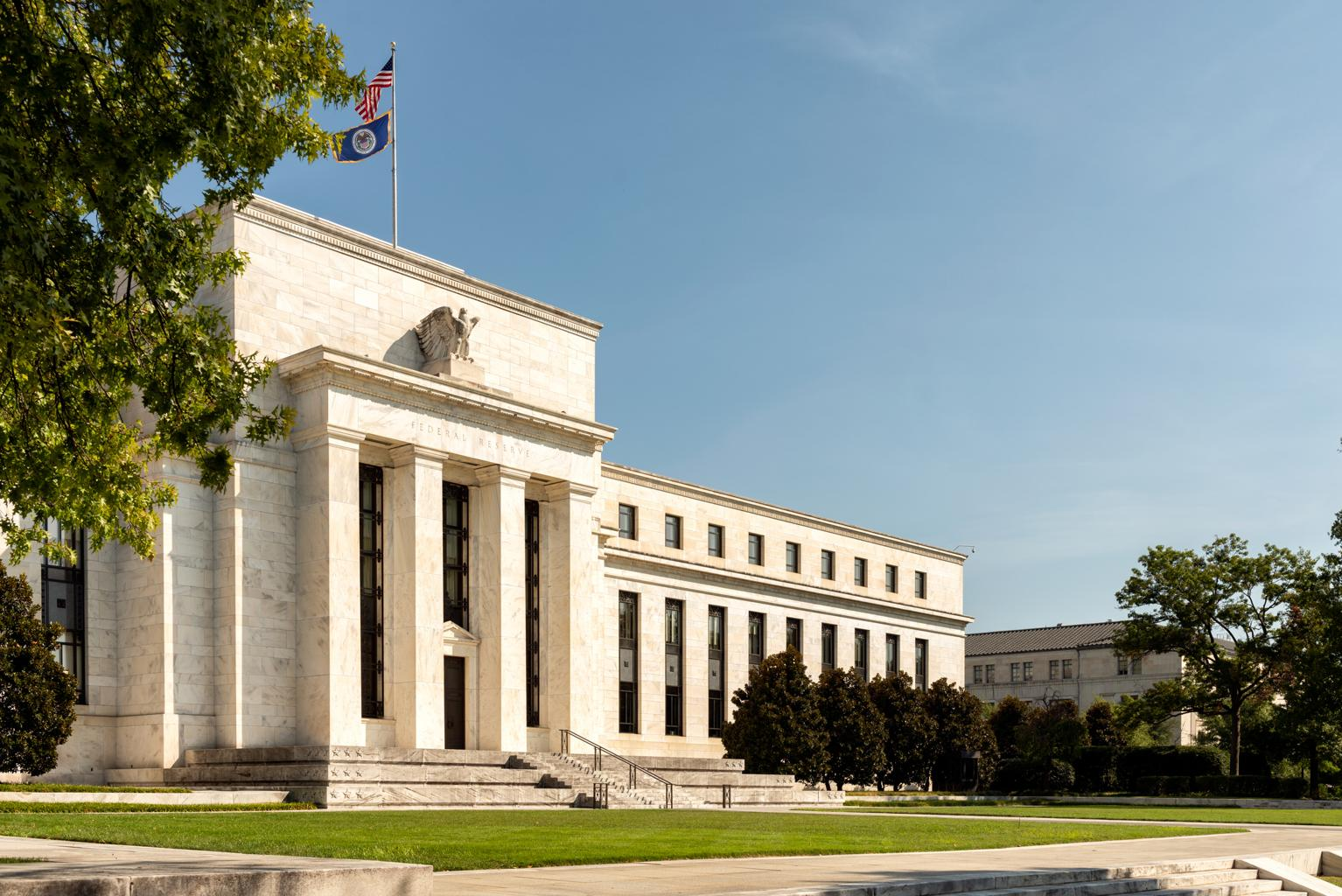
Every time the Federal Reserve considers a major policy move—such as adjusting interest rates—it does so through a structured evaluation process grounded in economic data. The Federal Reserve System, particularly the Federal Open Market Committee (FOMC), reviews hundreds of indicators before making decisions that affect borrowing costs, financial markets, and economic growth.
The process is designed to minimize guesswork. Policymakers rely on large datasets from government agencies, private research firms, and the Fed’s own regional banks. These sources provide a detailed picture of economic conditions across the country.
For example, before the Fed raised interest rates aggressively in 2022–2023, officials studied multiple inflation measures showing sustained price increases well above the central bank’s long-term target of 2 percent. That evidence helped shape the policy response.
Rather than reacting to a single data point, officials look for consistent patterns across many indicators. This multi-layered approach helps ensure that decisions reflect the broader economy rather than short-term fluctuations.
The Federal Reserve’s Dual Mandate
The Federal Reserve operates under a legal framework established by Congress known as the dual mandate. This mandate guides how officials interpret economic data.
In simple terms, the Fed seeks to:
- Promote maximum employment
- Maintain stable prices (low and predictable inflation)
- Support moderate long-term interest rates
Balancing these goals is not always straightforward. For instance, a strong job market may push wages higher, which can sometimes contribute to inflation. Policymakers must weigh how each economic indicator affects the overall balance between growth and price stability.

Core Economic Indicators the Fed Studies
Federal Reserve officials monitor dozens of metrics, but several indicators carry particular importance during policy deliberations.
Inflation Measures
Inflation data is central to monetary policy decisions. The Fed closely tracks several price indexes.
Key inflation indicators include:
- Personal Consumption Expenditures (PCE) Price Index – the Fed’s preferred inflation measure
- Consumer Price Index (CPI) – widely cited measure of price changes
- Core inflation measures that exclude volatile food and energy prices
- Inflation expectations from consumer and business surveys
According to the U.S. Bureau of Economic Analysis, the PCE price index often receives the most attention because it captures a broader range of consumer spending patterns.
Officials analyze not just the headline numbers but also the sources of inflation, such as housing costs, energy prices, or supply chain disruptions.
Labor Market Data
Employment conditions provide another critical signal about the health of the economy.
Important labor indicators include:
- Nonfarm payroll employment reports
- Unemployment rate
- Labor force participation rate
- Average hourly earnings
- Job openings and quits data (JOLTS report)
A strong labor market often signals economic growth, but if job demand significantly exceeds labor supply, wage pressures may contribute to inflation.
For example, during the economic recovery following the COVID-19 pandemic, job openings in the U.S. exceeded the number of unemployed workers for an extended period. Fed officials monitored this imbalance as a potential driver of wage inflation.
Consumer Spending and Economic Growth
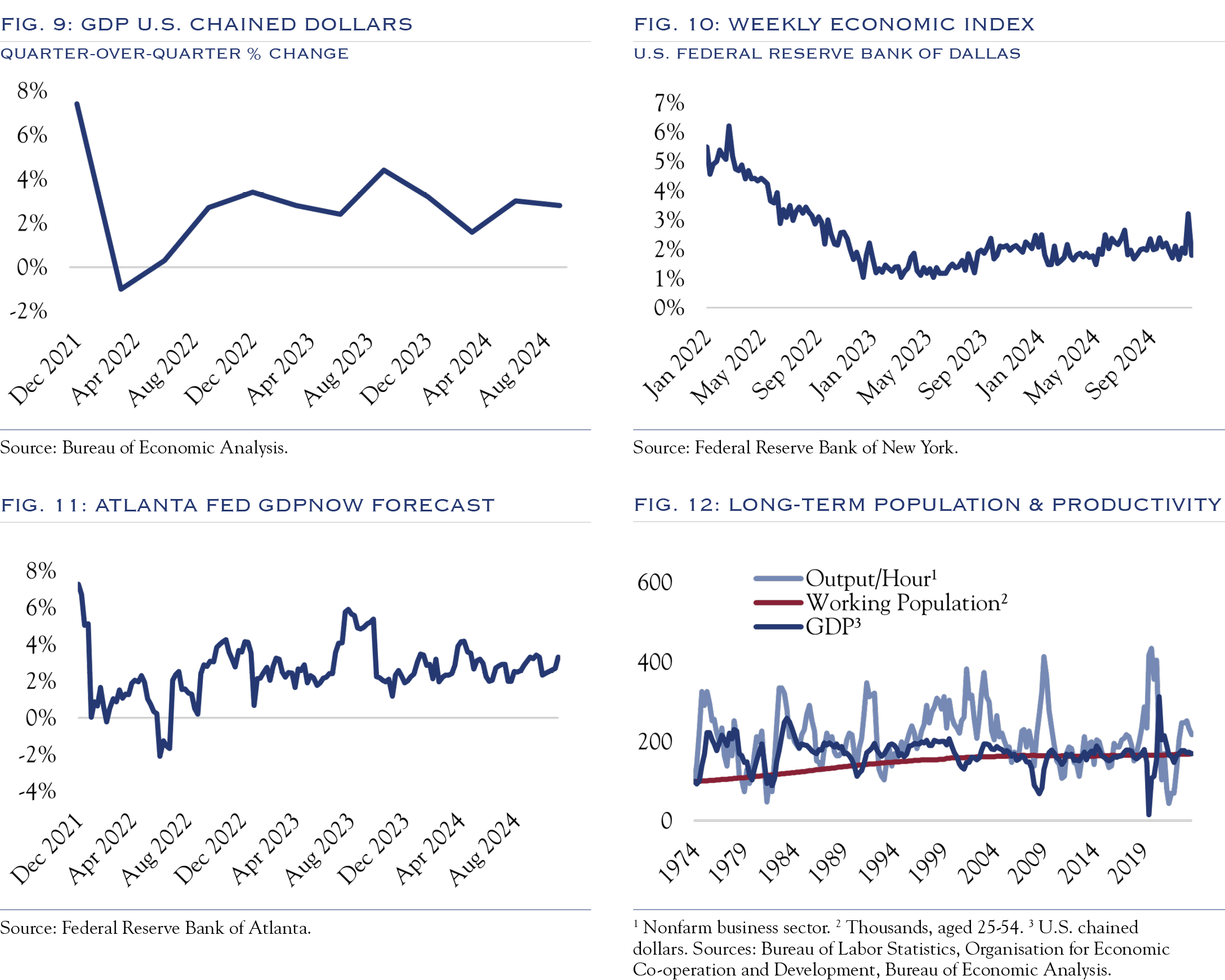
Because consumer spending accounts for roughly two-thirds of U.S. economic activity, the Federal Reserve closely studies spending patterns and economic output.
Key indicators include:
- Gross Domestic Product (GDP) growth
- Retail sales data
- Personal income and consumption reports
- Household savings rates
A sharp decline in consumer spending can signal weakening economic momentum, while sustained growth often suggests a resilient economy.
For instance, even during periods of high inflation, strong retail sales numbers have sometimes indicated that household demand remains robust.

Financial Market Conditions
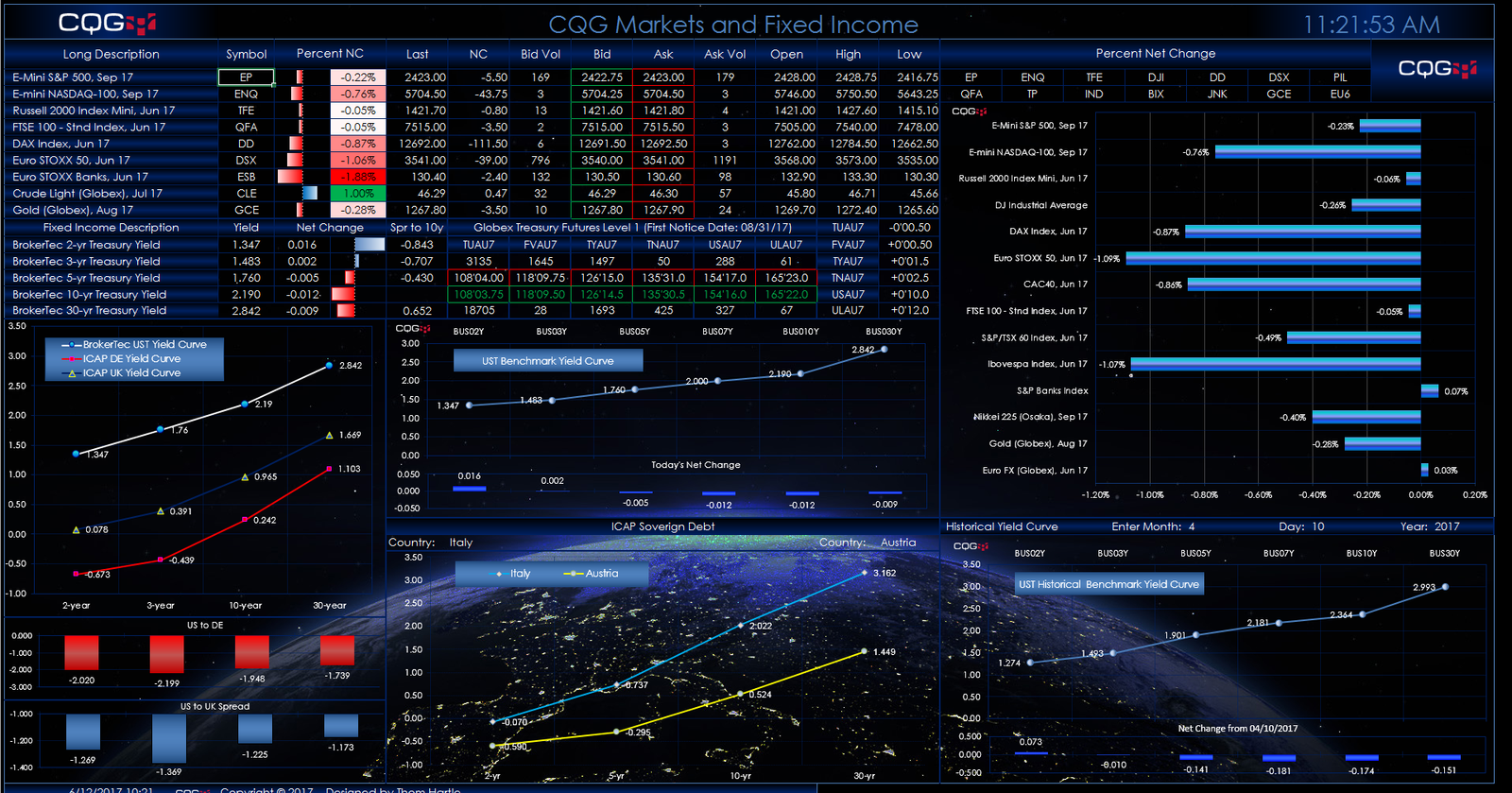
Financial markets often react quickly to economic news, making them valuable sources of forward-looking information.
Federal Reserve officials monitor:
- Treasury yields
- Stock market volatility
- Credit spreads
- Mortgage rates
- Corporate bond markets
These indicators reveal how investors expect the economy to evolve. If financial conditions tighten significantly—for example, through rising borrowing costs—it can slow economic activity even without immediate policy changes.
The Role of Federal Reserve Regional Banks
The United States has 12 regional Federal Reserve Banks, each responsible for monitoring economic conditions within its district.
Regional banks collect data from local businesses, community leaders, and financial institutions. These insights help policymakers understand economic developments that may not yet appear in national statistics.
One of the most important tools produced by regional banks is the Beige Book, published eight times a year. This report summarizes economic conditions across all Fed districts.
The Beige Book includes observations such as:
- Changes in hiring trends
- Shifts in consumer demand
- Supply chain disruptions
- Wage pressures reported by employers
Because the information comes directly from businesses and community contacts, it often provides an early signal of economic shifts.
How the Federal Open Market Committee Uses Data
The Federal Open Market Committee (FOMC) is the body responsible for setting U.S. monetary policy. It consists of the Federal Reserve Board of Governors and a rotating group of regional bank presidents.
Before each FOMC meeting, policymakers review extensive briefing materials prepared by Fed economists. These materials analyze recent economic developments and forecast potential scenarios.
The process typically includes:
- Detailed economic reports from Fed staff economists
- Statistical forecasts using macroeconomic models
- Regional economic updates from district banks
- Discussions among committee members
During meetings, officials debate the implications of the data. Different policymakers may interpret the same indicators in slightly different ways depending on their outlook for growth and inflation.
This structured debate helps ensure that decisions reflect a broad range of perspectives.
Economic Forecasting and Modeling
Beyond raw data, the Federal Reserve relies heavily on economic models to forecast future conditions.
These models simulate how different factors—such as interest rates, employment levels, and consumer demand—interact over time.
Examples of forecasting tools include:
- Macroeconomic simulation models
- Inflation expectation surveys
- Scenario analysis for economic shocks
- Long-term growth projections
Forecasting is inherently uncertain. Unexpected events—such as geopolitical conflicts or supply chain disruptions—can alter economic conditions quickly.
Because of this uncertainty, Fed officials frequently emphasize that monetary policy decisions depend on incoming data, not predetermined plans.
Why Data Interpretation Matters
Economic statistics rarely tell a simple story. A single employment report or inflation reading can reflect temporary conditions rather than lasting trends.
For example:
- A surge in inflation might result from temporary supply disruptions.
- A drop in unemployment could reflect seasonal hiring patterns.
- Strong GDP growth may mask weakness in specific sectors.
Federal Reserve officials therefore analyze trends over time, rather than relying on one data release.
This approach helps reduce the risk of overreacting to short-term volatility.
Real-World Example: Evaluating Inflation After the Pandemic
The economic environment following the COVID-19 pandemic illustrates how the Federal Reserve interprets data before making decisions.
In 2021 and 2022, inflation rose sharply across the United States. Officials initially analyzed whether price increases were temporary, driven by pandemic-related supply shortages.
As more data arrived, several patterns became clear:
- Price increases spread across multiple sectors
- Wage growth accelerated in tight labor markets
- Consumer demand remained strong
These signals suggested inflation pressures were becoming broader and more persistent. The Fed responded by increasing interest rates to help slow demand and stabilize prices.
The example highlights how policy decisions evolve as more economic data becomes available.

Frequently Asked Questions
1. What economic data does the Federal Reserve look at most closely?
The Fed focuses heavily on inflation data (especially the PCE index), labor market indicators, GDP growth, and consumer spending trends.
2. How often does the Federal Reserve review economic data?
Economic data is reviewed continuously, but major policy discussions occur during scheduled FOMC meetings, typically eight times per year.
3. What is the Federal Reserve’s preferred inflation measure?
The Fed primarily tracks the Personal Consumption Expenditures (PCE) Price Index because it reflects broader consumer spending patterns.
4. How does employment data influence Fed decisions?
Strong employment can signal economic growth, but excessive labor market tightness may contribute to inflation pressures.
5. What role do regional Federal Reserve banks play?
Regional banks gather local economic insights and contribute research that informs national policy decisions.
6. What is the Beige Book?
The Beige Book is a report summarizing economic conditions across the Fed’s 12 districts, based on input from businesses and community leaders.
7. Why doesn’t the Fed react to every data release?
Economic indicators can fluctuate due to temporary factors, so policymakers analyze trends over time before acting.
8. How do financial markets influence Fed decisions?
Market conditions reflect investor expectations about growth, inflation, and interest rates, offering additional signals for policymakers.
9. Can unexpected events change Federal Reserve decisions?
Yes. Economic shocks—such as global crises or financial disruptions—can alter policy decisions quickly.
10. Why does the Fed emphasize “data-dependent” policy?
Because economic conditions change frequently, policymakers prefer flexibility rather than fixed policy paths.
Behind Every Rate Decision: A Process of Evidence and Debate
Federal Reserve policy decisions often receive attention because they affect interest rates, mortgages, and financial markets. Yet the process behind those decisions is far more analytical than many people realize.
Officials examine a broad spectrum of economic indicators, combine national data with regional insights, and debate the implications within the Federal Open Market Committee. The goal is not simply to respond to current conditions, but to anticipate where the economy may be headed.
This careful, data-driven approach is designed to promote long-term economic stability. While economic forecasts are never perfect, the Federal Reserve’s structured review of data helps policymakers make informed decisions that affect households, businesses, and financial markets across the country.
Key Insights From the Federal Reserve’s Decision Framework
- Monetary policy decisions rely on a broad set of economic indicators.
- Inflation and employment data are central to the Fed’s analysis.
- Regional Federal Reserve banks provide local economic intelligence.
- Financial market signals offer forward-looking insights.
- Policymakers debate economic interpretations before making final decisions.
- Forecasting models help anticipate future economic conditions.
- Policy decisions remain flexible and dependent on incoming data.