Summary
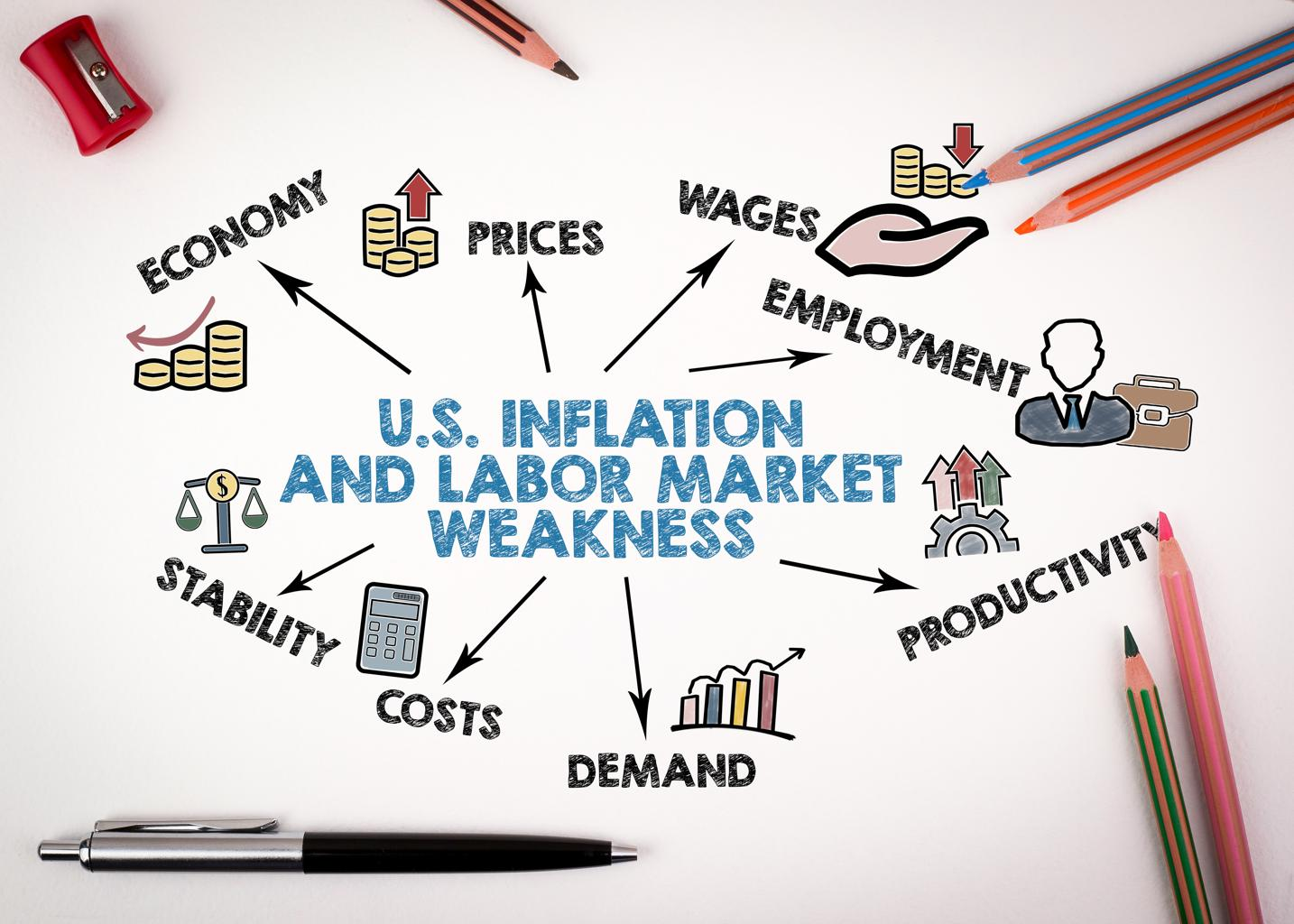
Federal Reserve policy meetings determine the direction of U.S. monetary policy, including interest rates, inflation management, and economic outlook. Held eight times a year, these meetings bring together policymakers who analyze economic data, debate policy options, and vote on decisions that influence borrowing costs, markets, and employment. Understanding how these meetings work helps Americans better interpret economic news and financial trends.
Why Federal Reserve Policy Meetings Matter
Federal Reserve policy meetings are among the most closely watched events in the financial world. Investors, economists, banks, and businesses all pay attention because the outcomes often shape borrowing costs, market expectations, and economic activity across the United States.
The meetings are conducted by the Federal Open Market Committee (FOMC), the policymaking arm of the Federal Reserve. This group decides whether interest rates should rise, fall, or remain unchanged. Their decisions influence the federal funds rate—the benchmark interest rate banks use when lending to each other overnight.
Changes to this rate ripple throughout the economy. Mortgage rates, auto loans, credit cards, and business financing often adjust in response to Federal Reserve policy signals.
For example:
- When the Fed raises rates, borrowing typically becomes more expensive.
- When the Fed cuts rates, borrowing tends to become cheaper.
- When the Fed holds rates steady, markets interpret it as a signal about economic stability or caution.
Because these effects influence everyday finances, the meetings carry real consequences for households and businesses across the country.
Who Participates in a Federal Reserve Policy Meeting
The FOMC consists of 12 voting members drawn from leadership within the Federal Reserve System.
These include:
- The seven members of the Federal Reserve Board of Governors
- The president of the Federal Reserve Bank of New York
- Four of the remaining eleven regional Federal Reserve Bank presidents, who rotate voting rights annually
Even when regional presidents do not vote, they still participate in discussions and contribute economic insights from their regions.
This structure allows policymakers to gather perspectives from across the U.S. economy—from manufacturing hubs in the Midwest to technology centers on the West Coast.
The Schedule and Frequency of Meetings
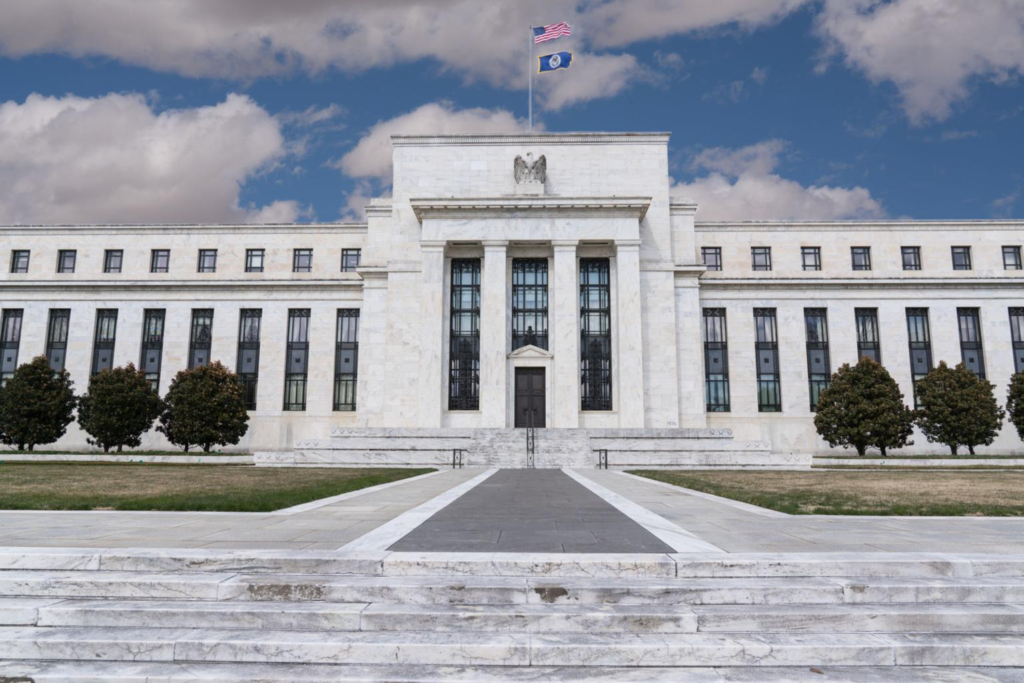
The FOMC typically meets eight times per year, roughly every six weeks. Each meeting usually lasts two days and follows a structured agenda.
Although the meetings themselves are private, the Federal Reserve releases several forms of public communication afterward, including:
- The official policy statement
- Updated economic projections (four times a year)
- Meeting minutes released about three weeks later
- Press conferences held by the Fed Chair after certain meetings
These communications provide transparency and help markets interpret the central bank’s thinking.
Step One: Reviewing Economic Data
The first stage of a policy meeting involves reviewing detailed economic data prepared by Federal Reserve staff economists.
These briefings cover a wide range of indicators that help policymakers understand the current state of the economy.
Common indicators examined include:
- Inflation trends
- Employment and unemployment levels
- Consumer spending patterns
- Housing market activity
- Manufacturing output
- Financial market conditions
- Global economic developments
For instance, if inflation is rising above the Fed’s 2% long-term target, policymakers may consider tightening monetary policy. If unemployment is increasing sharply, they might consider lowering interest rates to stimulate economic activity.
This data-driven approach helps ensure that decisions are grounded in evidence rather than speculation.
Step Two: Regional Economic Reports
After reviewing national data, regional Federal Reserve Bank presidents present economic conditions from their districts.
These insights are especially valuable because they provide real-time information from local businesses and communities.
Examples of regional observations might include:
- Manufacturing slowdowns in the Midwest
- Strong job growth in the Southeast
- Housing market cooling in parts of the West
- Energy sector trends in Texas and surrounding regions
These reports help policymakers understand how economic conditions vary across the country.
The Federal Reserve also compiles a report called the Beige Book, which summarizes regional economic conditions based on business contacts and industry experts.
Step Three: Policy Discussion and Debate
Once the economic outlook is clear, policymakers begin discussing possible policy responses.
This is often the most substantive part of the meeting.
Members debate questions such as:
- Is inflation slowing quickly enough?
- Are financial conditions tightening too rapidly?
- Could higher rates risk a recession?
- Should policy remain restrictive to ensure inflation declines?
The discussion can include different perspectives. Some members may favor raising rates to control inflation, while others may prioritize protecting employment growth.
These debates are essential to the Federal Reserve’s decision-making process and reflect the institution’s emphasis on careful deliberation.
Step Four: Policy Options and Economic Projections
Federal Reserve staff typically present several policy scenarios for consideration.
These options might include:
- Raising interest rates
- Lowering interest rates
- Holding rates steady
- Adjusting balance sheet policies
At four meetings each year, policymakers also submit projections about key economic indicators.
These projections include forecasts for:
- GDP growth
- Unemployment
- Inflation
- Future interest rate paths
These forecasts are summarized in the Summary of Economic Projections (SEP), which markets analyze closely for hints about future policy direction.
Step Five: The Policy Vote
After extensive discussion, voting members formally vote on the policy decision.
Most votes are unanimous, but occasionally members dissent if they disagree with the policy direction.
For example, a regional Fed president might vote against a rate increase if they believe economic conditions in their district are weakening.
The final vote determines:
- The target range for the federal funds rate
- Any changes to asset holdings or balance sheet policies
- Forward guidance about future policy direction
Once the vote is completed, the official policy statement is prepared for release.
Step Six: The Policy Statement Release
At 2:00 p.m. Eastern Time on the final day of the meeting, the Federal Reserve releases its official statement.
This short document explains:
- The policy decision
- The committee’s view of the economy
- Any adjustments to interest rates
- Future policy guidance
Markets often react immediately.
Stock indexes, bond yields, and currency markets can move within seconds of the announcement, depending on whether the decision matches expectations.
Even small wording changes can signal important shifts in policy outlook.
Step Seven: The Federal Reserve Chair’s Press Conference
During several meetings each year, the Federal Reserve Chair holds a press conference roughly 30 minutes after the statement release.
Journalists ask questions about:
- Inflation trends
- Economic risks
- Labor market conditions
- Financial stability
The Chair’s responses often provide deeper insight into the committee’s thinking.
Investors and economists listen carefully for clues about future policy moves.
For example, if the Chair emphasizes persistent inflation risks, markets may interpret that as a sign that further rate increases could be possible.
Step Eight: Release of Meeting Minutes
About three weeks after the meeting, the Federal Reserve publishes detailed meeting minutes.
These documents summarize:
- The range of views expressed by policymakers
- Key economic concerns discussed
- The reasoning behind policy decisions
While the minutes do not identify individual speakers, they provide valuable insight into internal debates.
Analysts frequently examine these documents to understand whether the committee is leaning toward tightening or easing policy in the future.
How Policy Meetings Affect Everyday Americans
While the meetings may seem technical, their outcomes influence many aspects of daily life.
Examples include:
- Mortgage rates used by homebuyers
- Auto loan interest rates
- Credit card borrowing costs
- Business investment decisions
- Stock market performance
- Retirement account returns
For instance, when the Federal Reserve raised rates aggressively during the inflation surge of 2022–2023, average mortgage rates climbed above 7%, significantly affecting housing affordability.
Similarly, when rates decline, businesses may find it easier to expand and hire workers.
Understanding the policy meeting process helps Americans interpret these economic shifts more clearly.
Frequently Asked Questions
1. How often does the Federal Reserve hold policy meetings?
The Federal Open Market Committee meets eight times per year, usually about every six weeks.
2. Are Federal Reserve meetings open to the public?
No. The meetings themselves are private to allow candid discussions among policymakers.
3. Who leads the policy meeting?
The meeting is chaired by the Federal Reserve Chair, who guides discussion and represents the committee publicly.
4. What is the federal funds rate?
It is the interest rate banks charge each other for overnight lending. The Federal Reserve targets a range for this rate to influence broader financial conditions.
5. Why do markets react strongly to Fed announcements?
Because interest rate changes affect borrowing costs, investment decisions, and economic growth expectations.
6. What are FOMC minutes?
They are detailed summaries of the meeting discussions released about three weeks later.
7. Do all regional Fed presidents vote?
No. Only four of the eleven regional presidents vote at any given time, on a rotating basis.
8. What is the Fed’s inflation target?
The Federal Reserve aims for 2% inflation over the long run, measured by the Personal Consumption Expenditures price index.
9. What is forward guidance?
Forward guidance refers to signals about how policymakers expect monetary policy to evolve in the future.
10. Can the Fed change policy between meetings?
Yes. In rare situations—such as financial crises—the Federal Reserve can hold emergency meetings and adjust policy outside the normal schedule.
Reading the Signals Behind the Meeting Room Doors
Federal Reserve policy meetings combine economic analysis, regional insight, debate, and careful decision-making. While the discussions occur behind closed doors, their outcomes shape the financial environment Americans experience every day.
By understanding how these meetings unfold—from economic briefings to final votes—readers can interpret economic news with greater clarity and confidence. Whether watching mortgage rates, investment markets, or employment trends, the decisions made during these meetings often provide early signals about the direction of the U.S. economy.
Key Points at a Glance
- Federal Reserve policy meetings are held eight times each year.
- The Federal Open Market Committee (FOMC) sets interest rate policy.
- Policymakers analyze economic data, regional conditions, and forecasts.
- Decisions are made through discussion and formal voting.
- Policy statements are released immediately after the meeting.
- Press conferences and meeting minutes provide further transparency.
- Fed decisions influence mortgages, credit cards, business loans, and markets.