Summary
The Federal Reserve plays a central role in the U.S. economy, yet much of its work happens out of public view. Behind policy announcements are teams of economists, data analysts, and regional banks coordinating decisions that affect inflation, employment, and financial stability. Understanding how the Fed actually operates helps explain why interest rates change and how monetary policy shapes everyday financial conditions.
Understanding the Institution Behind U.S. Monetary Policy
Most Americans hear about the Federal Reserve when interest rates rise or fall, but the institution’s daily work is far more complex than policy announcements. The Federal Reserve System, often called “the Fed,” functions as the United States’ central bank. It was established in 1913 to provide stability to a financial system that had experienced repeated banking crises.
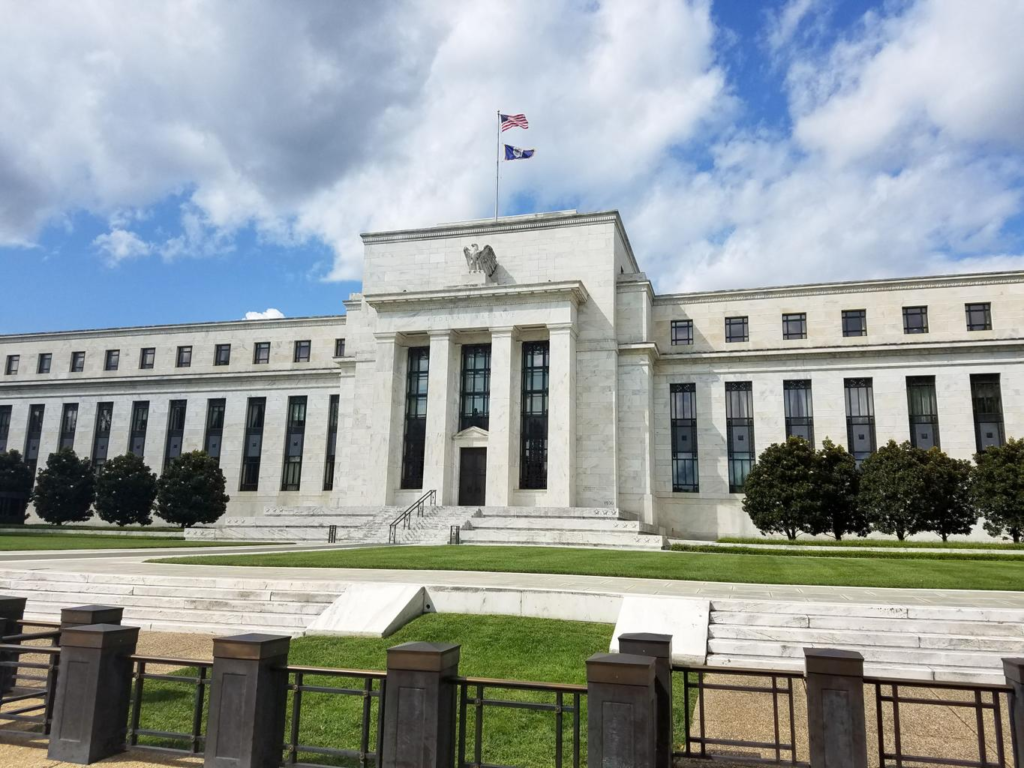
Behind the scenes, the Fed operates through a unique hybrid structure that combines centralized decision-making with regional input. It includes the Board of Governors in Washington, D.C., twelve regional Federal Reserve Banks, and the Federal Open Market Committee (FOMC) that sets national monetary policy.
While public attention focuses on rate decisions, much of the Fed’s real work involves analyzing economic data, monitoring financial markets, supervising banks, and preparing policy tools that can influence the broader economy.
The Federal Reserve’s Core Responsibilities
The Fed operates with a dual mandate established by Congress: maintain price stability and support maximum employment. Achieving both goals simultaneously requires continuous monitoring of economic conditions and financial markets.
Behind the scenes, the Federal Reserve focuses on several major functions:
- Setting monetary policy to influence interest rates and economic growth
- Supervising and regulating banks to maintain financial stability
- Providing financial services to banks and the federal government
- Maintaining payment systems that support trillions of dollars in daily transactions
- Responding to financial crises when market stress threatens the economy
According to the Federal Reserve’s own reports, the U.S. payment system processes more than $4 trillion in transactions daily, many of which rely on infrastructure overseen or operated by the Fed.
These responsibilities mean the central bank’s influence reaches far beyond interest rates.
The Structure of the Federal Reserve System
Understanding how the Fed operates behind the scenes requires examining its structure. Unlike many central banks that operate entirely within a national government, the Federal Reserve combines federal oversight with regional representation.
The system includes:
1. The Board of Governors
The Board of Governors is the central governing body located in Washington, D.C. It consists of seven members appointed by the President and confirmed by the Senate. Governors serve staggered 14-year terms to maintain independence from political cycles.
Their responsibilities include:
- Guiding monetary policy
- Supervising major financial institutions
- Overseeing the regional Federal Reserve Banks
2. The Twelve Regional Federal Reserve Banks
These regional banks provide local economic insight from across the country. Each bank gathers information from businesses, labor groups, and community organizations to help policymakers understand economic conditions beyond national statistics.
For example, the Federal Reserve Bank of Dallas may report energy-sector trends, while the Federal Reserve Bank of San Francisco often tracks technology industry developments.
3. The Federal Open Market Committee (FOMC)
The FOMC is the body responsible for setting interest rate policy. It includes:
- The seven Board of Governors members
- The president of the Federal Reserve Bank of New York
- Four rotating presidents from the other regional banks
The committee typically meets eight times per year to evaluate economic data and determine policy adjustments.
How Policy Decisions Are Actually Made
When Americans hear that the Fed has raised or lowered interest rates, that announcement represents the final step in a long analytical process.
Behind the scenes, the decision-making process often unfolds over weeks or months.
Economic Research and Data Analysis
The Federal Reserve employs hundreds of economists who analyze indicators such as:
- Inflation measures like the Consumer Price Index (CPI)
- Employment data from the Bureau of Labor Statistics
- Wage growth and labor participation rates
- Housing market trends
- Consumer spending patterns
These data points help policymakers evaluate whether inflation is accelerating, slowing, or stabilizing.
Regional Intelligence Gathering
Regional Federal Reserve Banks collect qualitative insights from local economies. These observations are compiled in the Beige Book, a report published before each FOMC meeting that summarizes economic conditions across the country.
Examples include:
- Manufacturing activity in the Midwest
- Agricultural trends in the Plains states
- Technology hiring patterns in Silicon Valley
This information provides context that raw statistics alone cannot capture.
Policy Deliberation
Before each meeting, Fed officials review research reports, forecasts, and financial market conditions. During the FOMC meeting itself, members debate policy options, discuss risks, and evaluate potential economic scenarios.
The committee then votes on the appropriate course of action.

Tools the Federal Reserve Uses Behind the Scenes
While interest rate changes receive the most media attention, the Federal Reserve relies on several policy tools to influence economic conditions.
Open Market Operations
The Fed buys or sells U.S. Treasury securities to influence the supply of money in the financial system. These transactions affect short-term interest rates and liquidity in financial markets.
The Federal Funds Rate
The federal funds rate represents the interest rate at which banks lend reserves to one another overnight. Adjusting this rate indirectly influences:
- Mortgage rates
- Credit card interest rates
- Auto loan costs
- Business borrowing rates
Discount Window Lending
The Fed provides short-term loans to banks facing temporary liquidity shortages. This mechanism helps prevent bank runs and supports stability during financial stress.
Reserve Requirements
Although used less frequently today, the Fed historically required banks to hold a certain percentage of deposits as reserves. These rules influence the amount of money banks can lend.
The Federal Reserve’s Role During Financial Crises
The Fed’s behind-the-scenes influence becomes especially visible during economic crises.
During the 2008 financial crisis, the Federal Reserve introduced emergency lending programs to stabilize banks and restore credit markets. According to data released later by the Government Accountability Office, the Fed provided trillions of dollars in liquidity support through various programs designed to prevent systemic collapse.
Similarly, during the COVID-19 economic disruption in 2020, the Federal Reserve rapidly cut interest rates to near zero and launched large-scale asset purchase programs to support financial markets.
These interventions highlight how the central bank can act as a lender of last resort, helping maintain stability when financial institutions face extreme pressure.
How the Federal Reserve Communicates Its Decisions
Despite operating behind the scenes, the Fed has become significantly more transparent over the past three decades.
Today, the central bank provides several public communication channels:
- FOMC statements released after each policy meeting
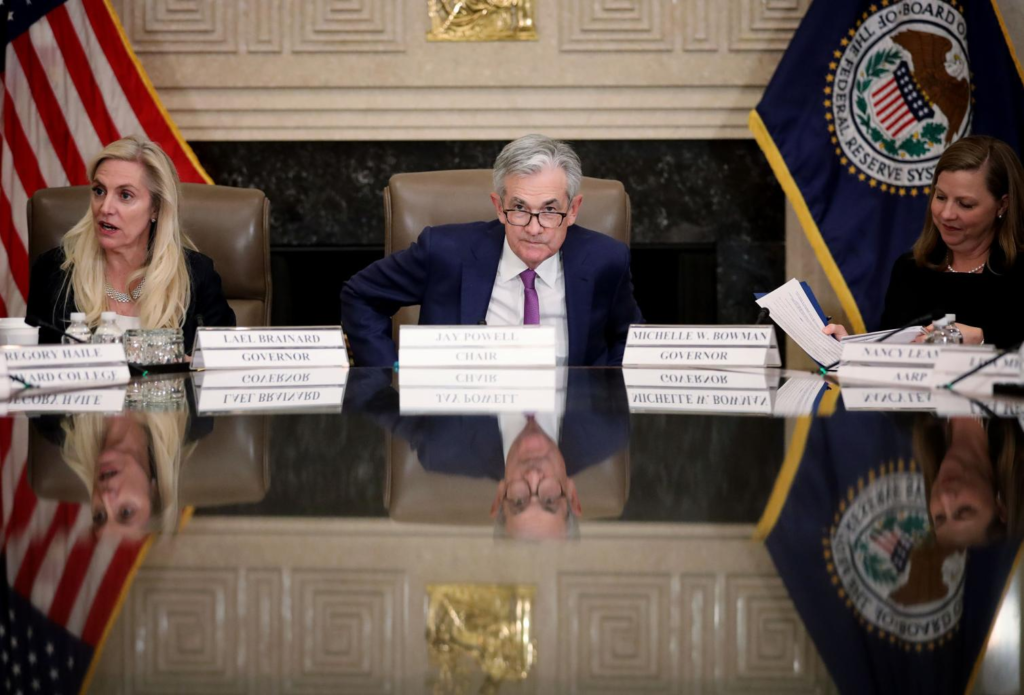
- Press conferences with the Fed Chair
- Meeting minutes published several weeks later
- Economic projections from policymakers
- Congressional testimony by Federal Reserve officials
These communications help financial markets and the public understand the reasoning behind policy decisions.
Transparency is particularly important because markets often react not only to what the Fed does, but also to what it signals about future policy.
Why the Federal Reserve’s Behind-the-Scenes Work Matters to Americans
Although the Fed operates largely out of public view, its decisions affect everyday financial life.
Changes in interest rates can influence:
- Mortgage affordability
- Credit card costs
- Business hiring decisions
- Stock and bond markets
- Retirement savings performance
For example, when the Fed raises interest rates to control inflation, borrowing becomes more expensive. This can slow consumer spending and business investment, which may reduce inflation but also cool economic growth.
Conversely, lowering rates can stimulate borrowing and spending during economic slowdowns.
Understanding how these mechanisms operate helps explain why the Fed’s actions often become a central topic in economic news.
Frequently Asked Questions
1. What exactly does the Federal Reserve do?
The Federal Reserve manages U.S. monetary policy, supervises banks, maintains financial stability, and operates key payment systems that support financial transactions nationwide.
2. Who controls the Federal Reserve?
The Federal Reserve operates independently within the federal government. Its leaders are appointed by the President and confirmed by the Senate, but its policy decisions are not directly controlled by elected officials.
3. How often does the Fed change interest rates?
The Federal Open Market Committee meets eight times per year, though it can adjust policy between meetings during emergencies.
4. Why does the Fed raise interest rates?
The Fed typically raises rates to slow inflation when prices are rising too quickly.
5. What happens when the Fed lowers interest rates?
Lower rates make borrowing cheaper, which can encourage consumer spending, business investment, and economic growth.
6. How does the Fed influence mortgage rates?
Mortgage rates are influenced by broader market interest rates, which often move in response to Federal Reserve policy changes.
7. Does the Federal Reserve print money?
The U.S. Treasury prints physical currency, but the Federal Reserve controls how much money circulates in the financial system through its policy tools.
8. What is the Beige Book?
The Beige Book is a report summarizing economic conditions across the Federal Reserve’s regional districts, used by policymakers before interest rate decisions.
9. Why is the Fed considered independent?
Independence allows the Federal Reserve to make long-term economic decisions without short-term political pressure.
10. Can the Federal Reserve prevent recessions?
The Fed cannot eliminate recessions entirely but can use monetary policy tools to reduce economic volatility and support recovery.
The Quiet Machinery of American Monetary Policy
Much of the Federal Reserve’s influence comes from careful research, long deliberations, and technical financial operations that rarely appear in headlines. Behind every interest rate announcement is a vast network of economists, analysts, and regional experts evaluating how policy decisions might shape the economy.
By balancing data analysis, regional insights, and financial market oversight, the Fed attempts to guide the U.S. economy toward stable prices and sustainable employment. While its actions sometimes spark debate, its behind-the-scenes operations remain a central pillar of modern economic management.
Key Insights at a Glance
- The Federal Reserve was created in 1913 to stabilize the U.S. financial system.
- Its dual mandate focuses on price stability and maximum employment.
- The Fed operates through a network of regional banks and a central governing board.
- Interest rate decisions are made by the Federal Open Market Committee.
- Policymakers rely on extensive economic research and regional reports.
- The Fed uses tools such as open market operations and the federal funds rate.
- During crises, the central bank can provide emergency liquidity to financial markets.
- Transparency has increased through press conferences, reports, and economic projections.