Summary
The Federal Reserve influences nearly every financial decision Americans make—from mortgage rates and credit card interest to job growth and inflation. Although most people rarely think about the Fed, its policies shape the cost of borrowing, saving, investing, and running a business. Understanding how the Fed works can help individuals anticipate economic changes and make smarter financial decisions.
Understanding the Federal Reserve’s Role in Everyday Life
Most Americans encounter the effects of the Federal Reserve long before they understand what it actually does.
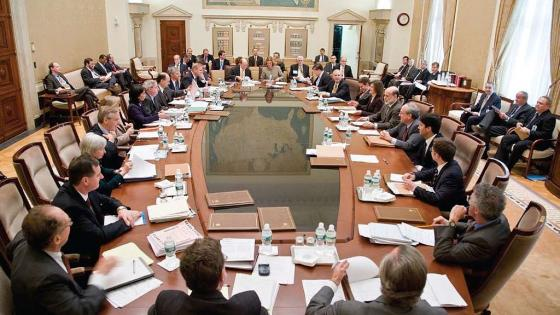
The Federal Reserve, often simply called “the Fed,” is the central banking system of the United States. Established in 1913, its primary responsibility is to maintain economic stability. That sounds abstract, but the decisions made inside the Fed’s meeting rooms ripple through mortgage rates, credit card interest, job markets, retirement portfolios, and even grocery prices.
The Fed operates with three main goals—often called the dual mandate plus stability responsibilities:
- Promote maximum employment
- Maintain stable prices (low inflation)
- Ensure moderate long-term interest rates
- Maintain financial system stability
While these objectives may seem distant from everyday life, the tools used to achieve them directly influence household finances.
For example, when the Fed raises interest rates to control inflation, borrowing becomes more expensive. Mortgage payments rise, car loans cost more, and credit card balances accumulate interest faster.
Conversely, when the Fed lowers rates to stimulate the economy, loans become cheaper and spending often increases.
In other words, the Fed’s decisions quietly shape the financial environment Americans live in.
How the Federal Reserve Controls Interest Rates
The Fed does not directly set mortgage rates, credit card rates, or student loan rates. Instead, it controls a key benchmark known as the federal funds rate, which influences borrowing costs across the entire economy.
Banks lend money to one another overnight to maintain required reserves. The interest rate on these loans is the federal funds rate.
When the Fed adjusts this rate, the effects cascade through the financial system.
The ripple effect of rate changes
A change in the federal funds rate influences:
- Mortgage rates
- Credit card interest rates
- Car loan financing
- Personal loan costs
- Business borrowing expenses
- Savings account yields
- Bond yields and stock market valuations
For example, when the Fed aggressively raised rates in 2022–2023 to fight inflation, average mortgage rates in the United States climbed above 7% for the first time in decades. Millions of potential homebuyers suddenly faced significantly higher monthly payments.
A household borrowing $400,000 for a mortgage might pay $600–$900 more per month depending on interest rate changes.
That is a direct example of how Fed policy reaches into everyday budgets.
The Fed’s Influence on Inflation and Purchasing Power
Inflation—the rate at which prices increase—is one of the most visible economic forces affecting households. When inflation rises, everything from groceries to rent becomes more expensive.
The Federal Reserve uses interest rate policy to manage inflation.
When inflation rises too quickly:
- The Fed raises interest rates
- Borrowing slows
- Spending decreases
- Inflation gradually cools
When inflation is too low or the economy slows:
- The Fed lowers interest rates
- Borrowing becomes cheaper
- Spending increases
- Economic activity rises
This balancing act can take months or even years to fully affect the economy.
According to data from the U.S. Bureau of Labor Statistics, inflation surged to over 9% in mid-2022, the highest level in more than four decades. The Fed responded by raising interest rates at the fastest pace since the early 1980s.
Those decisions affected nearly every American household—from higher credit card rates to rising rent costs and tighter lending standards.
Why Mortgage Rates Follow the Fed So Closely
One of the most noticeable ways Americans experience the Fed’s influence is through housing.
Mortgage rates are not set directly by the Federal Reserve, but they are heavily influenced by expectations around Fed policy.
When the Fed raises rates:
- Treasury yields typically increase
- Mortgage-backed securities adjust upward
- Mortgage rates rise
When the Fed cuts rates:
- Bond yields fall
- Mortgage rates often decrease
- Housing demand can increase
For example, during the COVID-19 pandemic economic response in 2020, the Fed slashed interest rates to near zero and purchased massive amounts of mortgage-backed securities. Mortgage rates fell below 3% for the first time in history.
This created a refinancing boom and dramatically reduced monthly payments for millions of homeowners.
For many households, the difference between a 3% mortgage and a 7% mortgage can amount to hundreds of thousands of dollars over the life of the loan.
The Fed’s Impact on Jobs and Wages
Interest rate decisions also influence the job market.
When borrowing is cheaper, businesses are more likely to invest in expansion, equipment, and hiring. This can lead to stronger job growth and rising wages.
When rates rise, the opposite can happen.
Higher borrowing costs may cause companies to delay investments or reduce hiring plans. In extreme situations, it can contribute to layoffs.
However, the Fed does not intentionally cause unemployment. Instead, policymakers attempt to balance economic growth with inflation control.
A very hot labor market can drive wages upward so quickly that it fuels inflation. In those situations, the Fed may raise rates slightly to slow the economy and prevent runaway price increases.
For workers, this balancing act affects:
- Hiring availability
- Wage growth
- Job stability
- Career mobility
Even if someone never follows economic news, the labor market conditions they experience are often influenced by Fed policy.

The Federal Reserve and Your Investments
Fed policy also plays a significant role in the performance of investment markets.
Interest rates influence how investors evaluate risk and returns.
When rates are low:
- Stocks often become more attractive
- Borrowing for investment increases
- Growth companies tend to perform well
When rates rise:
- Bonds offer better returns
- Stock valuations often compress
- Riskier assets may decline
For retirement savers with 401(k) plans or IRAs, these shifts can significantly affect portfolio performance.
For example:
- Technology stocks surged during the low-rate environment of 2020–2021
- Many growth stocks declined sharply during the rate hikes of 2022
The Fed does not target stock prices, but its policies shape the financial conditions that investors respond to.
Understanding this relationship can help investors interpret market movements more clearly.
How Fed Decisions Affect Credit Cards and Consumer Debt
Credit card interest rates are particularly sensitive to Federal Reserve policy because they are usually tied to the prime rate, which closely follows the federal funds rate.
When the Fed raises rates:
- Credit card APRs increase
- Variable-rate loans become more expensive
- Debt repayment costs rise
According to Federal Reserve data, average credit card interest rates in the United States exceeded 20% in 2023, the highest levels on record.
For households carrying balances, even small increases in rates can add significant financial pressure.
For example:
- A $10,000 credit card balance at 16% APR costs about $1,600 annually in interest
- At 22% APR, the interest cost rises to about $2,200 per year
That difference alone could equal a month’s rent in many cities.
Why the Fed Matters for Savings Accounts and CDs
While rising interest rates can hurt borrowers, they can benefit savers.
When the Fed raises rates:
- Banks typically increase yields on savings accounts
- Certificates of deposit (CDs) offer higher returns
- Money market funds become more attractive
During the near-zero rate environment between 2009 and 2021, many savings accounts paid less than 0.1% interest.
By contrast, after the Fed’s rate hikes in 2022–2023, many high-yield savings accounts began offering 4–5% annual interest.
For households with emergency funds or large cash reserves, this shift significantly improved passive income opportunities.
How the Fed Responds During Financial Crises
The Federal Reserve also plays a critical role during economic crises.
When financial markets seize up or recessions threaten the economy, the Fed can deploy emergency tools to stabilize the system.
These tools may include:
- Rapid interest rate cuts
- Emergency lending programs
- Bond purchases (quantitative easing)
- Liquidity support for banks and markets
During the 2008 financial crisis, the Fed cut interest rates to near zero and launched large-scale asset purchases to stabilize the banking system.
During the COVID-19 pandemic in 2020, the Fed moved even faster, implementing emergency programs designed to keep credit flowing to businesses and households.
These actions helped prevent deeper economic collapse and supported recovery.
Although these policies can be controversial, they illustrate how central banking decisions shape the broader financial environment.
Why Understanding the Fed Gives You a Financial Advantage
Many Americans view the Federal Reserve as distant or technical. In reality, understanding Fed policy can provide valuable insight into financial trends.
Paying attention to Fed signals can help individuals anticipate:
- Changes in mortgage affordability
- Rising or falling credit card costs
- Job market shifts
- Investment market volatility
- Savings account opportunities
For example, if the Fed signals that rate cuts may be coming, borrowers might consider waiting before refinancing a loan. Conversely, when rate hikes appear likely, locking in fixed borrowing costs may make sense.
Financial planning is rarely about predicting the economy perfectly. But awareness of central bank policy can provide useful context when making major financial decisions.

Frequently Asked Questions
What exactly does the Federal Reserve do?
The Federal Reserve manages U.S. monetary policy, supervises banks, maintains financial stability, and influences interest rates to support stable prices and employment.
Does the Federal Reserve control mortgage rates?
Not directly. However, Fed interest rate policy strongly influences Treasury yields and bond markets, which in turn affect mortgage rates.
How often does the Federal Reserve change interest rates?
The Fed’s Federal Open Market Committee typically meets eight times per year to review economic conditions and decide whether rate adjustments are necessary.
Why does the Fed raise interest rates during inflation?
Higher interest rates reduce borrowing and spending, which helps slow price increases and stabilize inflation.
Can the Fed cause a recession?
The Fed does not intentionally cause recessions, but aggressive rate hikes meant to control inflation can slow economic activity enough to trigger one.
How does Fed policy affect the stock market?
Interest rates influence borrowing costs, corporate profits, and investor expectations, which can significantly affect stock market performance.
What is the federal funds rate?
It is the interest rate banks charge each other for overnight loans and serves as the primary benchmark for U.S. monetary policy.
Why do credit card rates rise when the Fed raises rates?
Most credit card APRs are linked to the prime rate, which closely tracks changes in the federal funds rate.
Does the Federal Reserve print money?
The Fed can expand the money supply through tools such as bond purchases, but physical currency production is managed by the U.S. Treasury.
Is the Federal Reserve part of the government?
The Fed is a quasi-independent central bank created by Congress but designed to operate independently from political pressure.
When the Fed Moves, Your Wallet Feels It
The Federal Reserve rarely appears in everyday conversations, yet its decisions shape the financial environment Americans navigate daily. From mortgage affordability to credit card rates and job opportunities, Fed policy quietly influences the economic conditions that determine how far each paycheck stretches.
Understanding the Fed is not about becoming an economist—it is about recognizing the forces that influence the financial decisions every household must make.
The more aware individuals are of how central bank policy works, the better equipped they are to navigate changing economic cycles with confidence.
Key Insights to Remember
- The Federal Reserve influences borrowing costs across the entire economy
- Interest rate changes affect mortgages, credit cards, and loans
- Fed policy plays a major role in controlling inflation
- Job markets and wage growth respond to monetary policy
- Investment markets often react strongly to rate changes
- Savers benefit when interest rates rise
- Emergency Fed actions can stabilize financial crises