Many professionals build financial security not through dramatic investment moves but through quiet, disciplined strategies: consistent investing, tax efficiency, diversified portfolios, career income planning, and thoughtful risk management. Data from organizations like the Federal Reserve and Vanguard shows that steady habits—often implemented automatically—tend to produce stronger long-term financial outcomes than reactive, short-term financial decisions.
Why Financial Stability Often Comes From Quiet, Consistent Habits
Financial headlines often focus on dramatic investment wins or rapid wealth accumulation. In reality, most financially stable professionals follow a much quieter path.
They focus on systems rather than speculation. Instead of chasing quick returns or reacting to market noise, they rely on structured habits that steadily strengthen their financial position over time.
According to the Federal Reserve’s Survey of Consumer Finances, long-term asset accumulation in the United States typically happens through retirement accounts, home equity, and diversified investment portfolios. These assets grow gradually through disciplined contributions rather than sudden breakthroughs.
This approach may not generate exciting headlines, but it is one of the most reliable ways professionals strengthen their financial future.
Strategy 1: Automating Long-Term Investing
One of the most common habits among financially disciplined professionals is automation.
Automation removes emotion and inconsistency from financial decisions. When contributions occur automatically, individuals are less likely to delay investing or skip contributions during busy periods.
Many professionals automate:
- 401(k) retirement contributions
- Automatic IRA investments
- Monthly brokerage deposits
- Dividend reinvestment plans
- High-yield savings transfers
According to Vanguard’s retirement research, investors who maintain consistent contributions over decades accumulate significantly larger retirement balances compared to those who attempt to time the market.
Automation turns financial progress into a background process rather than a constant decision.
Strategy 2: Increasing Savings Gradually With Income Growth
Many professionals experience income growth throughout their careers. However, lifestyle inflation—spending more as income rises—can limit financial progress.
Professionals who build stronger financial futures often follow a simple principle: increase savings whenever income increases.
For example, a professional who receives a salary raise might allocate:
- 50% of the raise toward investments
- 25% toward lifestyle improvements
- 25% toward savings or debt reduction
This balanced approach allows individuals to enjoy higher income while still strengthening long-term financial security.
Financial planners often recommend saving 15–20% of annual income for long-term financial goals.
Strategy 3: Diversifying Investments to Reduce Risk
Diversification remains one of the most widely recommended investment strategies.
Rather than relying on a single company, industry, or asset class, diversified portfolios spread investments across multiple areas of the economy.
Professionals frequently diversify through:
- Broad U.S. stock market index funds
- International equity funds
- Bond funds or fixed-income securities
- Real estate investments
- Cash reserves for stability
Research from Vanguard and Morningstar consistently shows that diversified portfolios help reduce volatility while still capturing long-term market growth.
This approach reduces the risk that one poor investment decision will significantly harm long-term financial plans.
Strategy 4: Paying Attention to Investment Costs
A less visible—but highly impactful—strategy involves minimizing investment fees.
Expense ratios, advisory fees, and trading costs can quietly reduce long-term investment performance.
For example, an annual fee difference of just 1% can significantly affect long-term returns when compounded over decades.
Professionals who prioritize cost efficiency often focus on:
- Low-cost index funds
- Transparent fee structures
- Minimizing frequent trading
- Reviewing expense ratios
The U.S. Securities and Exchange Commission notes that small differences in fees can lead to large differences in long-term investment outcomes.
Paying attention to costs may not feel exciting, but it can meaningfully improve long-term results.
Strategy 5: Building Tax Efficiency Into Financial Planning
Tax planning is another quiet strategy that professionals frequently use to strengthen their financial future.
Tax-efficient investing helps preserve more of an investor’s returns.
Common strategies include:
- Maximizing contributions to tax-advantaged retirement accounts
- Using Roth IRA or Roth 401(k) options when appropriate
- Holding tax-efficient index funds in taxable accounts
- Using tax-loss harvesting when markets decline
These strategies can help reduce the tax burden on investment gains and retirement income.
According to Fidelity Investments, tax-efficient portfolio management can significantly improve long-term after-tax returns.
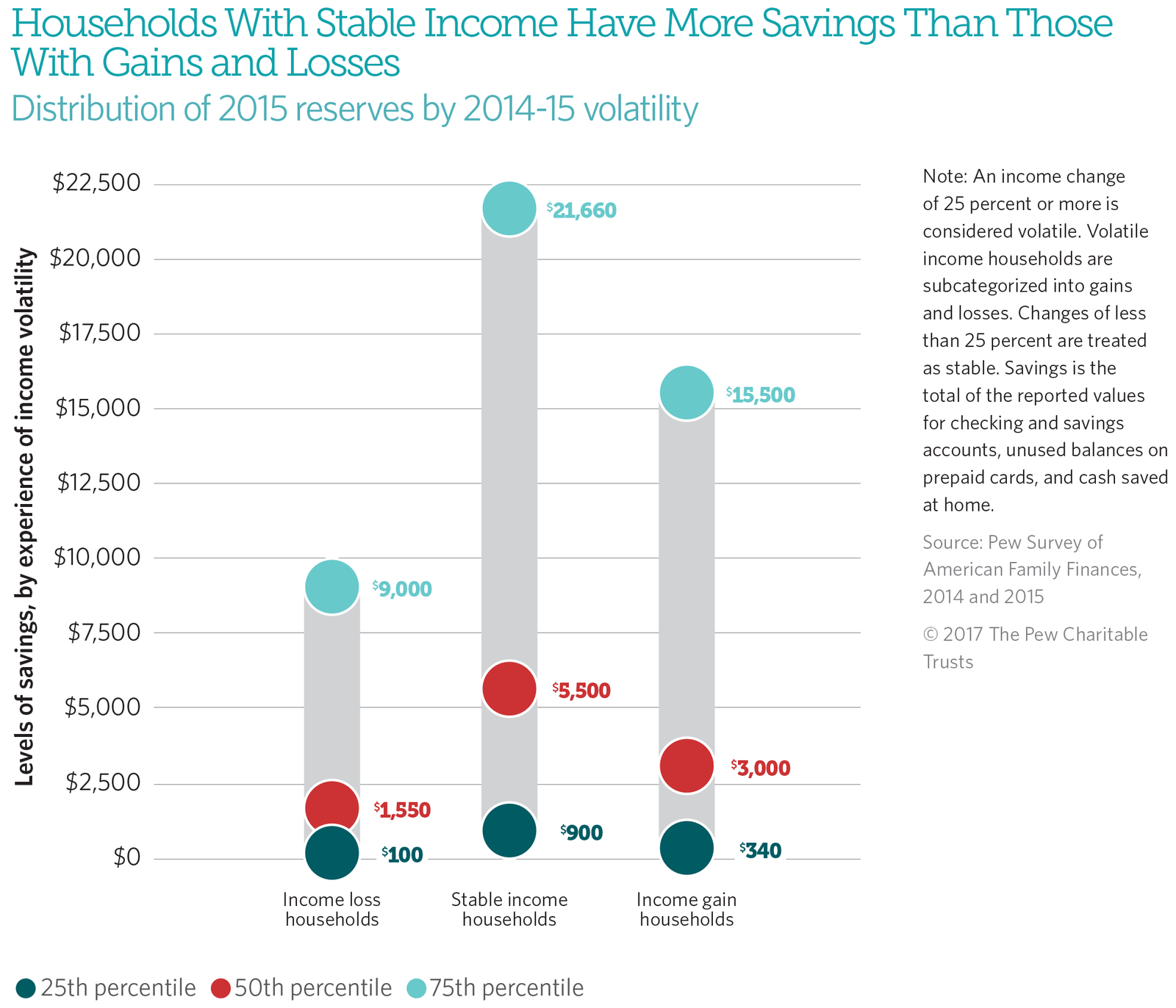
Strategy 6: Maintaining an Emergency Financial Buffer
Professionals who maintain financial stability often prioritize emergency savings.
Unexpected events—such as job loss, medical expenses, or home repairs—can disrupt financial plans if adequate reserves are not available.
Financial planners commonly recommend maintaining three to six months of essential expenses in a liquid savings account.
Emergency funds help individuals avoid:
- High-interest credit card debt
- Premature investment withdrawals
- Financial stress during economic uncertainty
While an emergency fund may not generate investment returns, it provides essential financial resilience.
Strategy 7: Investing in Career Growth
One of the most powerful financial strategies available to professionals is often overlooked: career development.
Higher income potential often produces greater financial impact than small changes in investment returns.
Professionals frequently strengthen their earning power through:
- Continuing education
- Professional certifications
- Leadership development
- Strategic career moves
- Expanding professional networks
Research from the U.S. Bureau of Labor Statistics shows that education, specialized skills, and experience remain strongly linked to higher lifetime earnings.
Investing in career growth can significantly accelerate financial progress.
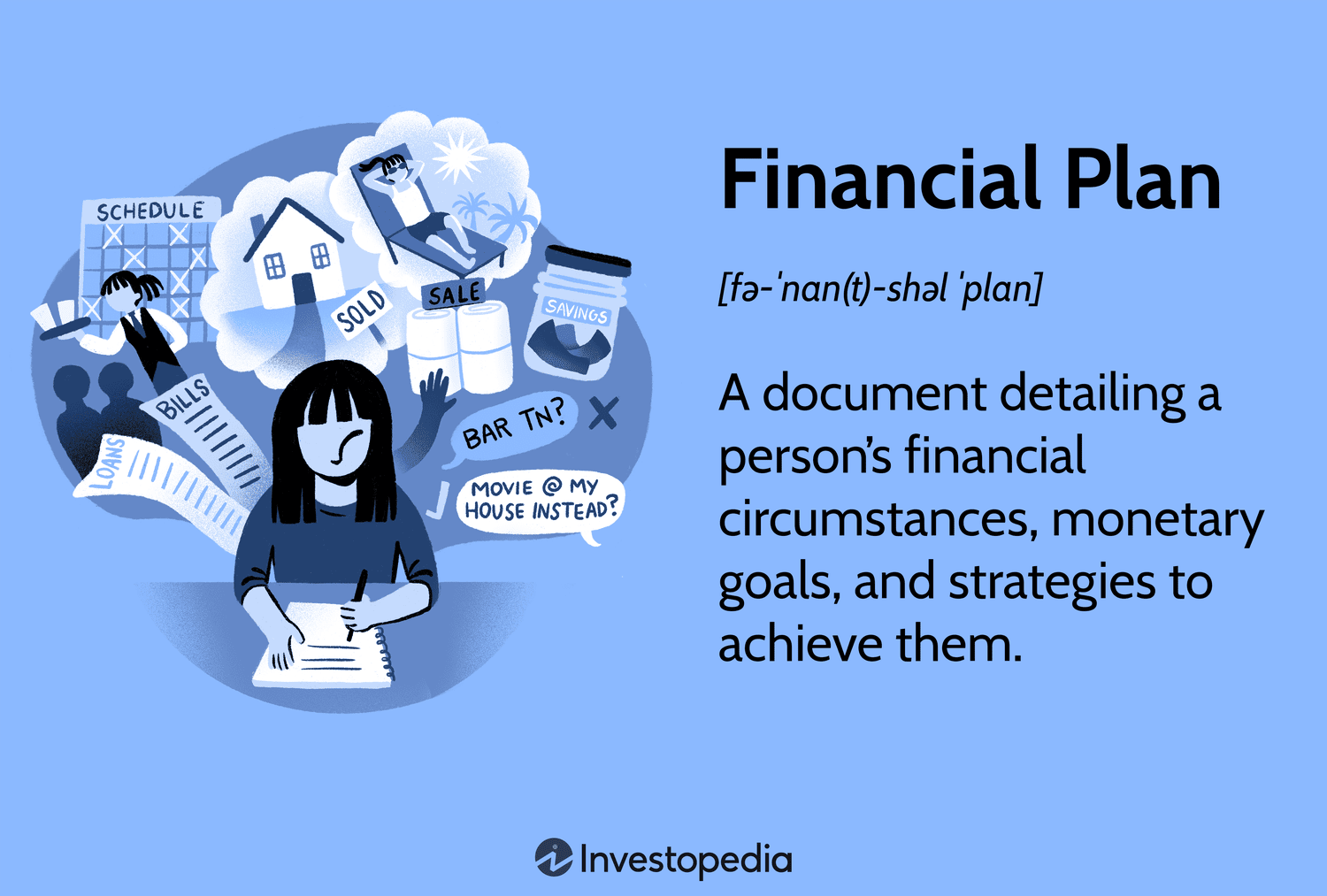
Strategy 8: Reviewing Financial Plans Regularly
Financial plans are most effective when they evolve alongside changing life circumstances.
Professionals who maintain strong financial trajectories often review their plans annually.
These reviews typically include:
- Portfolio rebalancing
- Retirement contribution adjustments
- Insurance coverage evaluation
- Estate planning updates
- Long-term goal reassessment
A yearly review allows individuals to make gradual adjustments rather than reacting to financial problems later.
Strategy 9: Managing Behavioral Biases
Behavioral finance research has shown that emotions frequently influence financial decisions.
Fear during market declines and excitement during market rallies can lead to poorly timed investment decisions.
Professionals often manage these biases by:
- Following structured investment plans
- Avoiding frequent portfolio changes
- Maintaining long-term investment perspectives
- Working with financial advisors when appropriate
This discipline helps maintain consistency even during uncertain economic conditions.
Frequently Asked Questions
What financial habits help professionals build long-term security?
Consistent investing, diversified portfolios, tax-efficient strategies, and disciplined financial planning are among the most common habits.
How much should professionals save for retirement?
Financial planners often recommend saving 15–20% of annual income, although individual needs vary.
Why is diversification important in investing?
Diversification spreads risk across multiple investments and reduces the impact of losses in any single asset.
What is the benefit of automating investments?
Automation ensures consistent contributions and reduces the temptation to time the market.
How important are investment fees?
Even small differences in fees can significantly affect long-term investment returns.
What role does tax planning play in wealth building?
Tax-efficient strategies can preserve more investment returns and improve long-term financial outcomes.
How large should an emergency fund be?
Most financial experts recommend maintaining three to six months of living expenses in liquid savings.
Why do professionals review financial plans annually?
Annual reviews allow adjustments to investments, savings rates, and goals as circumstances change.
Is career development part of financial planning?
Yes. Increasing earning potential can significantly influence long-term financial outcomes.
Can average-income professionals build financial security?
Yes. Consistent saving, disciplined investing, and long-term planning can support strong financial outcomes over time.