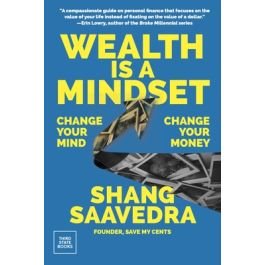
Saving money is important, but lasting wealth typically requires a broader financial mindset. Research from institutions such as the Federal Reserve, Vanguard, and Fidelity suggests that individuals who think long-term, invest consistently, manage risk, and maintain disciplined financial habits are far more likely to build durable wealth than those who focus only on short-term saving.
Why Wealth Is Often a Mindset Before It Is a Strategy
For many Americans, financial progress begins with saving money. While saving is an essential first step, it rarely produces meaningful long-term wealth on its own.
The individuals and households that build lasting financial stability tend to adopt a broader financial mindset—one that focuses on growth, discipline, and long-term planning rather than simply accumulating cash.
According to the Federal Reserve’s Survey of Consumer Finances, wealth in the United States is largely built through long-term assets such as retirement accounts, home equity, and investment portfolios. These assets grow gradually and require patience, consistent contributions, and strategic thinking.
In other words, the difference between saving and building wealth often comes down to how individuals think about money over time.
People who develop a long-term financial mindset tend to make decisions that support steady progress rather than short-term gratification.
Thinking in Decades Instead of Months
One of the defining traits of people who build lasting wealth is their time horizon.
Many financial decisions in everyday life are made with a short-term perspective—monthly budgets, quarterly performance reviews, or yearly tax planning. However, wealth-building decisions typically unfold over much longer periods.
Long-term investors often evaluate financial progress over 10, 20, or even 30 years rather than weeks or months.
This perspective helps them avoid emotional reactions to market volatility. Stock markets naturally fluctuate in the short term, but historical data shows that long-term trends have generally moved upward.
According to S&P Dow Jones Indices, the U.S. stock market has delivered positive returns over extended time periods despite temporary downturns.
By thinking in decades, investors are better able to stay focused on the bigger picture.
Viewing Money as a Tool, Not Just a Resource
Another important mindset shift involves how individuals think about money itself.
For many people, money primarily represents spending power or security. While those roles are important, wealth builders often view money as a tool for creating future opportunities.
This perspective encourages more strategic financial decisions.
Instead of asking only how much money they have today, financially disciplined individuals ask questions such as:
- How can this money work for me over time?
- What investments can generate long-term growth?
- How can I structure my finances to support future goals?
This shift from consumption to productivity is a defining feature of wealth-building behavior.
The Role of Consistency in Financial Progress
Another mindset difference involves consistency.
Many people approach finances in cycles—saving aggressively for a short time, then relaxing their discipline when life becomes busy or expenses increase.
Individuals who build lasting wealth tend to establish financial systems that operate consistently, even when attention shifts elsewhere.
Common examples include:
- Automatic investment contributions
- Regular retirement plan participation
- Automatic reinvestment of dividends
- Scheduled financial reviews
Research from Fidelity Investments shows that individuals who automate savings and investments often accumulate significantly larger balances over time.
Consistency allows small actions to compound into meaningful results.
Accepting Market Volatility as Normal
A key psychological challenge in investing is dealing with uncertainty.
Financial markets periodically experience declines, and news coverage can amplify concerns during these periods. Investors who react emotionally to volatility often sell assets during downturns, interrupting long-term growth.
People with a wealth-building mindset tend to view market fluctuations differently.
Rather than seeing volatility as a failure of their strategy, they recognize it as a normal feature of long-term investing.
Historical market research shows that temporary declines are a common part of market cycles. Investors who remain invested often benefit when markets recover.
This perspective allows individuals to maintain discipline during periods when emotional reactions might otherwise lead to poor decisions.
Prioritizing Financial Education
Another common trait among individuals who build sustainable wealth is a commitment to financial learning.
Financial systems evolve over time. Investment options change, tax laws shift, and new financial tools emerge.
People who regularly engage with financial education—whether through books, research reports, or professional advice—are better equipped to make informed decisions.
Areas that many financially successful individuals explore include:
- Investment fundamentals
- Tax-efficient strategies
- Retirement planning
- Risk management
- Behavioral finance
Education does not require becoming a professional investor. However, developing a basic understanding of financial principles can significantly improve decision-making.
Maintaining a Balanced Approach to Risk
Risk is an unavoidable component of investing.
A purely conservative approach—such as keeping all savings in cash—can limit long-term growth due to inflation. Conversely, excessively risky investments can lead to significant losses.
Individuals who build sustainable wealth tend to seek a balanced risk strategy.
This often involves diversification across multiple asset classes, including:
- U.S. stocks
- International equities
- Bonds or fixed-income investments
- Real estate assets
- Cash reserves
Diversification helps reduce the impact of major losses in any single investment category.
Research from Vanguard indicates that diversified portfolios generally produce more stable long-term performance compared with concentrated investments.
Aligning Financial Decisions With Long-Term Goals
One of the most powerful components of the wealth-building mindset is goal alignment.
Rather than making isolated financial decisions, individuals who build wealth often connect those decisions to specific long-term goals.
Examples of these goals may include:
- Retirement security
- Financial independence
- Education funding for children
- Long-term family stability
- Philanthropic or community contributions
When financial choices are tied to meaningful goals, individuals are more likely to maintain discipline during periods of uncertainty.
Goals provide a sense of direction that helps guide everyday financial decisions.
Recognizing That Wealth Is a Long Process
Perhaps the most important mindset shift involves accepting that wealth building takes time.
Popular financial narratives sometimes emphasize rapid success. In reality, most financially secure households build their assets gradually through decades of disciplined habits.
Compounding plays a major role in this process.
When investments generate returns that are reinvested over time, those returns begin generating additional returns. Over long time horizons, this effect can significantly accelerate wealth growth.
Individuals who understand this dynamic are more likely to remain patient and consistent in their financial strategies.
Frequently Asked Questions
What is a wealth-building mindset?
A wealth-building mindset focuses on long-term financial growth, disciplined investing, and strategic financial decision-making rather than short-term spending.
Is saving money enough to build wealth?
Saving is an important foundation, but investing and long-term financial planning are usually necessary for significant wealth growth.
Why is long-term thinking important in finance?
Long-term thinking allows individuals to benefit from compounding and avoid emotional reactions to short-term market fluctuations.
How do successful investors handle market volatility?
Many experienced investors remain invested during market downturns and focus on long-term trends rather than short-term price changes.
What role does diversification play in investing?
Diversification spreads investments across multiple assets to reduce risk.
How much should someone invest each year?
Financial planners often recommend saving and investing 15–20% of income, though this varies by situation.
Why is financial education important?
Understanding financial concepts helps individuals make informed decisions about investing, taxes, and risk management.
Can someone build wealth with an average income?
Yes. Many individuals build wealth through consistent saving, disciplined investing, and long-term planning.
What is the biggest challenge in building wealth?
Maintaining discipline and avoiding emotional decisions during periods of uncertainty.
How long does it usually take to build significant wealth?
For many people, wealth building occurs over decades through consistent financial habits.