Sustainable wealth rarely comes from dramatic financial wins. Instead, it grows through steady habits practiced over many years—consistent saving, thoughtful investing, controlled spending, and long-term planning. Research from institutions such as the Federal Reserve, Vanguard, and Fidelity shows that individuals who follow disciplined financial routines are significantly more likely to build durable, long-term financial stability.
Why Sustainable Wealth Is Usually Built Slowly
When people think about wealth, they often imagine dramatic financial events—successful startups, real estate windfalls, or high-risk investments that pay off. In reality, most financially secure households in the United States build wealth gradually through consistent financial habits.
The Federal Reserve’s Survey of Consumer Finances shows that the largest components of household wealth for many Americans are retirement accounts, home equity, and long-term investment portfolios. These assets grow slowly over time rather than appearing suddenly.
Sustainable wealth differs from temporary financial success. It emphasizes stability, resilience, and long-term growth rather than short-term gains. Individuals who maintain sustainable wealth typically follow structured habits that support their financial goals even during economic uncertainty.
These habits are rarely complex. In many cases, they involve disciplined decision-making repeated over many years.
Habit 1: Living Below Income While Maintaining Quality of Life
One of the most common traits among financially stable households is the ability to consistently spend less than they earn.
This does not necessarily mean extreme frugality. Instead, it reflects intentional spending and a clear understanding of financial priorities.
Many financially secure individuals focus on maintaining a comfortable lifestyle while still preserving a portion of their income for saving and investing.
Typical approaches include:
- Allocating a fixed percentage of income toward savings
- Avoiding lifestyle inflation after raises
- Tracking recurring expenses
- Planning major purchases in advance
A common example is professionals who continue living on their previous salary level even after receiving promotions. By directing the additional income toward investments, they accelerate wealth growth without dramatically changing daily spending.
Over time, this gap between income and spending becomes the foundation for sustainable wealth.
Habit 2: Automating Savings and Investments
Consistency plays a central role in long-term wealth building. One of the most effective ways to maintain consistency is through financial automation.
Automation removes the need to repeatedly decide whether to save or invest. Instead, money moves automatically toward financial goals.
Many Americans rely on systems such as:
- Automatic transfers to savings accounts
- Scheduled investment contributions
- Automatic reinvestment of dividends
- Payroll deductions for retirement plans
Research from Fidelity Investments suggests that investors who automate contributions are more likely to maintain long-term investment discipline.
Automation also reduces the temptation to spend money that was originally intended for saving or investing.
Habit 3: Consistent Participation in Retirement Accounts
Retirement accounts represent one of the most powerful wealth-building tools available in the United States.
Plans such as 401(k)s and IRAs provide tax advantages that encourage long-term investing. Employer matches in workplace retirement plans can further accelerate growth.
Many Americans build significant retirement wealth simply by participating consistently in these programs.
Common strategies include:
- Contributing enough to receive the full employer match
- Increasing contributions gradually each year
- Maintaining diversified investment options within the account
- Avoiding early withdrawals whenever possible
According to Vanguard’s retirement plan research, participants who consistently contribute and remain invested often experience substantial portfolio growth over time.
Habit 4: Investing With Long Time Horizons
Another defining habit of sustainable wealth builders is patience.
Financial markets naturally experience periods of volatility. Investors who focus too heavily on short-term fluctuations may react emotionally and make decisions that disrupt long-term growth.
Individuals who build sustainable wealth typically adopt investment horizons measured in decades rather than months.
Long-term investors focus on:
- Maintaining diversified portfolios
- Allowing investments to compound over time
- Avoiding frequent trading
- Staying invested during market downturns
Historical market data shows why this approach is effective. According to S&P Dow Jones Indices, long-term investors who remain invested through market cycles tend to benefit from overall economic growth.
Habit 5: Controlling Investment Costs
Investment costs may appear small at first glance, but they can have significant effects over time.
Fees associated with actively managed funds, brokerage services, or financial advisors can gradually reduce portfolio returns.
Because of this, many experienced investors prioritize low-cost investment vehicles, particularly index funds and exchange-traded funds.
Common cost-control practices include:
- Evaluating fund expense ratios before investing
- Avoiding unnecessary trading fees
- Comparing investment management costs
- Favoring low-cost diversified funds
Research from Morningstar consistently shows that lower-cost funds tend to outperform higher-cost alternatives over long investment horizons.
Reducing costs allows a greater portion of investment returns to remain invested and continue compounding.
Habit 6: Diversifying Across Multiple Assets
Diversification is one of the most widely recommended investment principles, yet it is sometimes overlooked by individual investors.
Sustainable wealth builders typically avoid concentrating all their money in a single investment.
Instead, they spread investments across different asset classes to reduce risk.
A diversified portfolio may include:
- U.S. equity funds
- International stock funds
- Bonds or fixed-income securities
- Real estate investments
- Cash reserves
Diversification helps protect portfolios from the impact of downturns in specific industries or markets.
According to Vanguard research, diversified portfolios generally provide more stable long-term outcomes than concentrated investment strategies.
Habit 7: Maintaining an Emergency Financial Buffer
Unexpected financial events can disrupt long-term wealth strategies. Job loss, medical expenses, or unexpected repairs can force individuals to withdraw investments prematurely.
To avoid this situation, financially stable households often maintain an emergency fund separate from long-term investments.
Financial planners frequently recommend setting aside three to six months of essential expenses in a liquid savings account.
This financial buffer allows individuals to manage unexpected expenses without disrupting their long-term investment plans.
The result is greater financial resilience.
Habit 8: Gradually Reducing High-Interest Debt
Debt management plays a critical role in sustainable wealth building.
High-interest debt, particularly credit card balances, can significantly slow financial progress. Interest rates on consumer debt often exceed the long-term average returns of many investments.
For this reason, many financially disciplined households prioritize reducing high-interest obligations.
Common approaches include:
- Paying more than the required minimum payments
- Prioritizing balances with the highest interest rates
- Consolidating high-interest debt where appropriate
- Avoiding new high-interest borrowing
Once high-interest debt is reduced or eliminated, the funds previously used for debt payments can be redirected toward savings and investments.
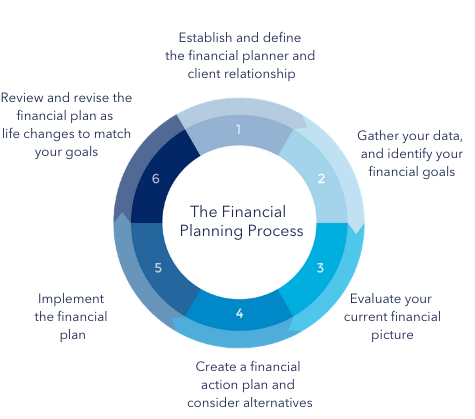
Habit 9: Regularly Reviewing Financial Plans
Sustainable wealth building is not a one-time decision but an ongoing process.
Financial situations evolve over time. Income levels change, family circumstances shift, and economic conditions fluctuate.
Many financially stable households review their financial plans periodically to ensure they remain aligned with their long-term goals.
These reviews often include:
- Adjusting investment allocations
- Increasing savings rates when income rises
- Updating retirement projections
- Rebalancing portfolios
Regular reviews help ensure that financial strategies remain relevant as circumstances change.
Frequently Asked Questions
What does sustainable wealth mean?
Sustainable wealth refers to financial stability built through consistent saving, investing, and responsible financial management over many years.
How long does it typically take to build wealth?
Most financial experts emphasize that wealth building is a long-term process that often takes decades.
What percentage of income should be saved?
Many financial planners recommend saving 15–20% of income, though individual goals and circumstances vary.
Why are retirement accounts important?
Retirement accounts provide tax advantages and long investment horizons, which support long-term wealth accumulation.
Is investing necessary for building wealth?
While saving is important, investing allows money to grow through compounding and economic growth.
What role does diversification play?
Diversification reduces risk by spreading investments across different asset classes.
How large should an emergency fund be?
A typical recommendation is three to six months of essential living expenses.
Why are investment fees important?
Even small fees can reduce portfolio returns significantly over time.
Can someone build wealth with a moderate income?
Yes. Many individuals build substantial wealth through consistent saving and disciplined financial habits.
How often should financial plans be reviewed?
Many experts recommend reviewing financial plans annually or when major life events occur.