
Summary
During volatile market weeks, certain stocks and sectors experience outsized movements that can influence broader investor sentiment. These “market movers” often respond to earnings reports, economic data, policy changes, or sector trends. Understanding why specific companies move sharply—and how professionals interpret those signals—can help investors stay informed, manage risk, and make more disciplined decisions during uncertain market conditions.
Understanding Market Volatility and Why It Matters
Market volatility refers to periods when stock prices fluctuate rapidly over short timeframes. These swings can be triggered by economic data releases, geopolitical developments, interest rate expectations, or corporate earnings surprises. For investors in the United States, volatile weeks often coincide with major announcements from the Federal Reserve, inflation updates from the Bureau of Labor Statistics, or significant developments within large technology companies.
While volatility can feel unsettling, it also highlights which companies or sectors are exerting the greatest influence on the broader market. These stocks are commonly referred to as market movers—companies whose price changes capture investor attention and sometimes ripple across major indices such as the S&P 500, Nasdaq Composite, or Dow Jones Industrial Average.
During uncertain periods, market movers provide valuable insight into how investors interpret new information.
What Typically Drives Market Movers During Volatile Weeks?
Several forces tend to push certain stocks to the forefront during turbulent market periods. These drivers often combine fundamental developments with shifts in investor expectations.
Key catalysts commonly include:
- Corporate earnings announcements that exceed or miss analyst expectations
- Economic indicators, such as inflation data, unemployment reports, or GDP revisions
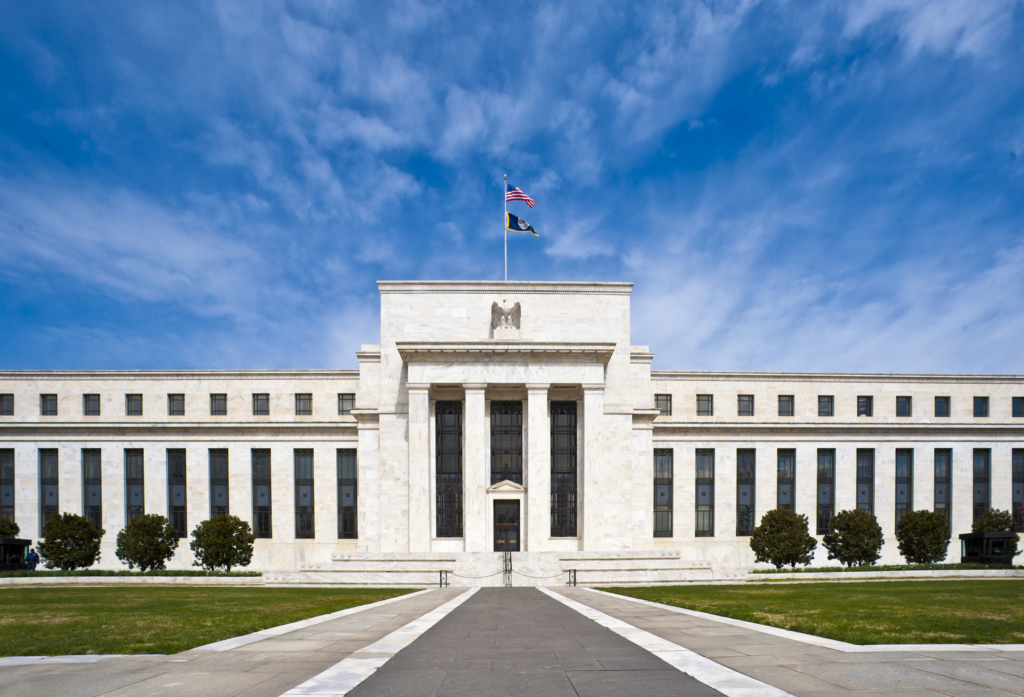
- Interest rate signals from the Federal Reserve
- Sector-specific developments, such as changes in energy prices or semiconductor demand
- Regulatory or geopolitical news affecting global supply chains
- Large institutional trading activity from hedge funds or asset managers
For example, if inflation data comes in higher than expected, investors may anticipate tighter monetary policy. That expectation can quickly move interest-rate-sensitive sectors such as banking, real estate, and technology.
Technology Stocks Often Lead Volatile Market Moves
In recent years, large technology companies have had an outsized influence on U.S. equity markets. Companies such as Apple, Microsoft, Nvidia, and Amazon collectively account for a significant portion of the weighting in major indexes.
When these companies move sharply—whether due to earnings reports, AI developments, or regulatory concerns—the entire market often follows.
Consider a scenario where a semiconductor company reports strong demand related to artificial intelligence infrastructure. Investors may interpret that news as a signal of broader technology growth. As a result, semiconductor firms, cloud providers, and even data-center infrastructure companies may all experience price swings in the same direction.
During volatile weeks, technology stocks frequently act as sentiment indicators for the broader market.
Energy and Commodity Stocks Can Quickly Become Market Movers
Another group that often emerges as market movers during turbulent periods is the energy sector. Oil and gas companies tend to respond rapidly to global supply developments and geopolitical events.
Companies such as ExxonMobil and Chevron frequently appear among daily market movers when crude oil prices fluctuate.
Energy volatility can be triggered by:
- OPEC production decisions
- Supply disruptions caused by geopolitical conflicts
- Shifts in global demand forecasts
- Weather events affecting infrastructure
Because energy prices influence transportation, manufacturing, and consumer costs, sudden moves in energy stocks can have broader economic implications.
Financial Stocks React Quickly to Interest Rate Expectations
Banking and financial companies often respond strongly during volatile market periods because their business models are closely tied to interest rates.
Institutions like JPMorgan Chase and Bank of America can experience large swings when investors adjust expectations about Federal Reserve policy.
When interest rates rise, banks may benefit from higher lending margins. However, rapid rate changes can also increase concerns about loan demand, credit risk, or deposit flows.
For this reason, financial stocks frequently appear on lists of the most active market movers during weeks when monetary policy dominates the news cycle.
Economic Data Releases That Trigger Major Market Moves
Some of the most dramatic market reactions occur immediately after scheduled economic reports. In the United States, several data releases consistently influence investor behavior.
High-impact economic indicators include:
- Consumer Price Index (CPI) – Measures inflation trends
- Nonfarm Payrolls report – Indicates labor market strength
- Retail sales data – Signals consumer spending activity
- Federal Reserve policy statements
- Manufacturing indexes such as the ISM report
When these reports differ significantly from expectations, the reaction can ripple through multiple sectors simultaneously.
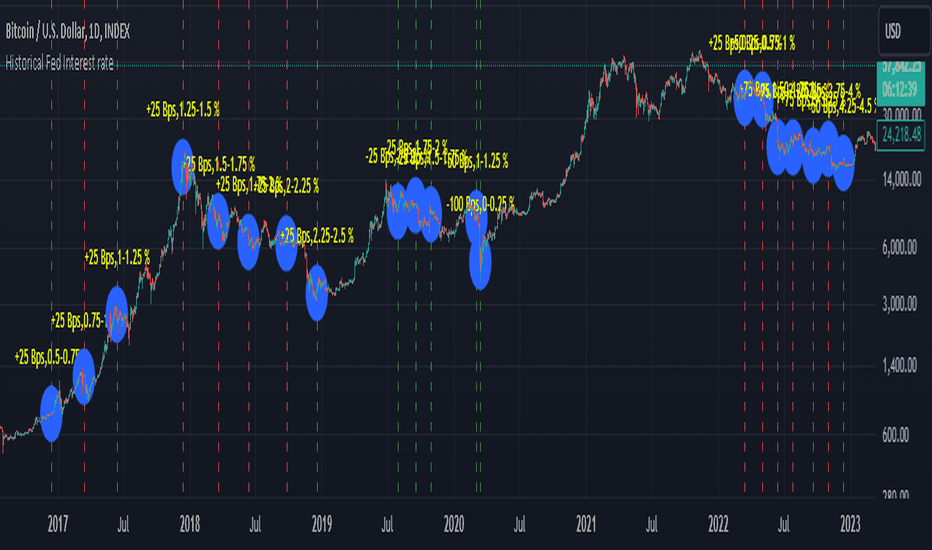
For example, stronger-than-expected employment numbers may boost consumer discretionary companies while pressuring technology stocks if investors anticipate higher interest rates.
How Professional Investors Interpret Market Movers
Experienced investors rarely focus solely on price changes. Instead, they analyze the context behind each market move.
Several questions often guide professional analysis:
- Is the price movement supported by new fundamental information?
- Did trading volume increase significantly?
- Are multiple companies in the same sector moving together?
- Is the move driven by short-term speculation or long-term trends?
For instance, if several semiconductor companies rally together following a major industry forecast update, investors may interpret that move as confirmation of sector growth rather than a temporary spike.
Understanding these dynamics helps investors distinguish between short-lived volatility and meaningful market signals.
Risk Management During Volatile Market Weeks
Periods of sharp market movement can create both opportunity and risk. For individual investors, maintaining a disciplined approach is often more important than reacting quickly to headlines.
Risk management practices frequently used by experienced investors:
- Maintaining diversified portfolios across multiple sectors
- Avoiding excessive concentration in a single high-volatility stock
- Reviewing long-term investment goals before making adjustments
- Monitoring liquidity and trading volume
- Using stop-loss or risk-control strategies when appropriate
Volatile markets often amplify emotional decision-making. Investors who rely on structured strategies rather than short-term reactions are typically better positioned to navigate uncertainty.
Why Market Movers Don’t Always Indicate Long-Term Trends
A common misconception is that a large daily price move signals a permanent shift in a company’s prospects. In reality, many market movers experience short-term fluctuations that stabilize once new information is absorbed by the market.
For example:
- A company may drop sharply after earnings but recover later if long-term growth expectations remain intact.
- A temporary supply disruption may lift commodity prices for several days before production normalizes.
- Speculative enthusiasm around emerging technologies may produce rapid gains followed by consolidation.
Professional investors therefore focus on multi-week and multi-quarter patterns, rather than reacting solely to single trading sessions.
What Individual Investors Can Learn From Market Movers
Although large institutional investors often dominate trading activity during volatile periods, individual investors can still benefit from observing market movers.
Monitoring which companies are drawing attention can help investors:
- Identify emerging sector trends
- Understand how economic news affects different industries
- Learn how investor sentiment shifts in real time
- Improve awareness of macroeconomic influences on portfolios
Many financial platforms publish daily summaries of the most active stocks. Reviewing these lists alongside broader economic news can provide valuable context about how markets are evolving.

Frequently Asked Questions
What are market movers in the stock market?
Market movers are stocks that experience significant price changes or unusually high trading activity during a specific period. These movements often occur because of earnings announcements, economic data, or industry developments.
Why do markets become volatile during certain weeks?
Volatility often increases around major economic announcements, interest rate decisions, or earnings seasons when investors reassess expectations about growth, inflation, or corporate performance.
Are market movers good investment opportunities?
Not necessarily. Large price movements can reflect both positive developments and short-term speculation. Investors typically evaluate underlying fundamentals before making decisions.
Which sectors move the most during volatile markets?
Technology, energy, and financial stocks frequently lead market movements because they are highly sensitive to economic trends, interest rates, and global demand.
How do economic reports affect market movers?
Economic reports can shift expectations about growth and monetary policy. When data surprises investors, stocks across multiple sectors may move quickly in response.
Should investors react immediately to market movers?
Most professional investors avoid reacting impulsively. Instead, they analyze whether the move reflects meaningful long-term information.
Do large companies influence the entire market?
Yes. Because companies like Apple and Microsoft have large index weightings, their price movements can significantly affect major market indexes.
How can investors track market movers?
Financial news platforms, brokerage dashboards, and market data services often publish daily lists of stocks with the largest price changes or highest trading volume.
Are volatile markets always negative?
Not necessarily. Volatility can create opportunities for investors who focus on long-term strategies and maintain disciplined portfolio management.
How often do market movers change?
Market movers can change daily. Different companies rise to prominence depending on earnings reports, economic news, or sector-specific developments.
Reading the Signals Behind Market Turbulence
Volatile market weeks often bring heightened attention to individual stocks and sectors. While these movements can appear dramatic in the moment, they usually reflect deeper economic forces such as earnings expectations, interest rate changes, or shifts in global demand.
For investors, the key insight is not simply identifying which stocks moved the most—but understanding why they moved. Interpreting those signals within a broader economic context allows investors to stay informed without overreacting to short-term fluctuations.
Over time, disciplined observation of market movers can improve how investors interpret economic developments and manage portfolio decisions during periods of uncertainty.
Key Insights at a Glance
- Market movers highlight stocks experiencing significant activity during volatile periods
- Economic reports and interest rate expectations often trigger major market reactions
- Technology, energy, and financial sectors frequently lead market volatility
- Large companies can significantly influence major indexes
- Professional investors analyze context and sector patterns rather than single price moves
- Risk management and diversification remain critical during turbulent markets