Recent tax policy debates in Washington are revealing important signals about the future of U.S. fiscal reform. With several provisions from the Tax Cuts and Jobs Act approaching expiration and federal debt rising, policymakers are evaluating new approaches to revenue, investment incentives, and tax fairness. Understanding these discussions helps households, investors, and businesses anticipate the direction of future tax policy.
Why Tax Policy Debates Are Intensifying Again
Tax policy rarely remains static for long. As economic conditions change and federal spending evolves, lawmakers revisit the structure of the tax system to ensure it continues to meet fiscal and economic goals.
In the United States, current discussions are particularly active because several provisions enacted under the Tax Cuts and Jobs Act are scheduled to expire in the coming years. These provisions include individual tax brackets, the qualified business income deduction, and various tax credits affecting households.
At the same time, federal fiscal projections published by the Congressional Budget Office show that government debt relative to the size of the economy could continue increasing over the next several decades if policy remains unchanged.
Together, these factors have created a policy moment where economists, lawmakers, and research institutions are examining how tax reform could shape the country’s long-term fiscal outlook.
For Americans following economic policy, these discussions provide early signals about potential changes affecting personal taxes, business investment, and federal revenue.
The Fiscal Pressures Behind Today’s Policy Conversations
One of the clearest themes emerging in tax policy debates is the growing focus on long-term fiscal sustainability.
Federal spending commitments—including retirement programs, healthcare, and interest payments on national debt—are projected to expand as the population ages. As a result, policymakers must consider how future tax revenue will support these obligations.
Economists evaluating fiscal reform often focus on several key questions:
- Can the current tax system generate enough revenue to support long-term spending commitments?
- Should tax rates increase, remain stable, or be restructured?
- How can the tax code remain competitive in a global economy?
- What changes would simplify the tax system for households and businesses?
These questions illustrate why tax reform debates are rarely limited to a single issue. Fiscal sustainability, economic growth, and fairness must all be considered simultaneously.
How Tax Policy Influences Economic Growth
A major area of discussion among economists involves how tax policy affects economic growth.
Taxes influence behavior by altering incentives related to work, saving, and investment. For example, lower taxes on business investment can encourage companies to expand operations or purchase new equipment.
Researchers in fields such as Public Economics and Macroeconomics frequently analyze how tax changes affect productivity and long-term economic performance.
However, economists generally agree that the relationship between tax policy and growth is complex. While tax reductions can increase economic activity in some circumstances, growth also depends on factors such as workforce participation, innovation, and education.
Recent tax policy discussions therefore focus not only on rates but also on structural features of the tax system that influence investment and productivity.
Examples include:
- Expensing rules for business equipment
- research and development tax incentives
- capital gains taxation
- incentives for workforce training
These provisions can influence how businesses allocate resources and whether they pursue new economic opportunities.
Corporate Tax Policy and Global Competition
Corporate taxation remains a central issue in fiscal reform debates.
Before 2017, the United States had one of the highest statutory corporate tax rates among developed economies. The Tax Cuts and Jobs Act lowered the federal corporate tax rate in an effort to improve global competitiveness.
Since then, economists and policymakers have debated whether the current rate strikes the right balance between encouraging investment and generating sufficient government revenue.
Key questions in the current policy discussion include:
- Should the corporate tax rate remain at its current level?
- How should multinational corporations be taxed on foreign profits?
- What policies can reduce incentives for profit shifting across countries?
- How should digital businesses be taxed in a global economy?
Because large corporations often operate across multiple jurisdictions, modern tax policy must account for international coordination and evolving business models.
This complexity has made corporate taxation one of the most technically challenging areas of fiscal reform.
The Importance of Small Business Tax Policy
Although large corporations attract most media attention, small businesses remain essential to the American economy.
According to the U.S. Small Business Administration, small businesses represent the majority of firms in the United States and employ millions of workers across a wide range of industries.
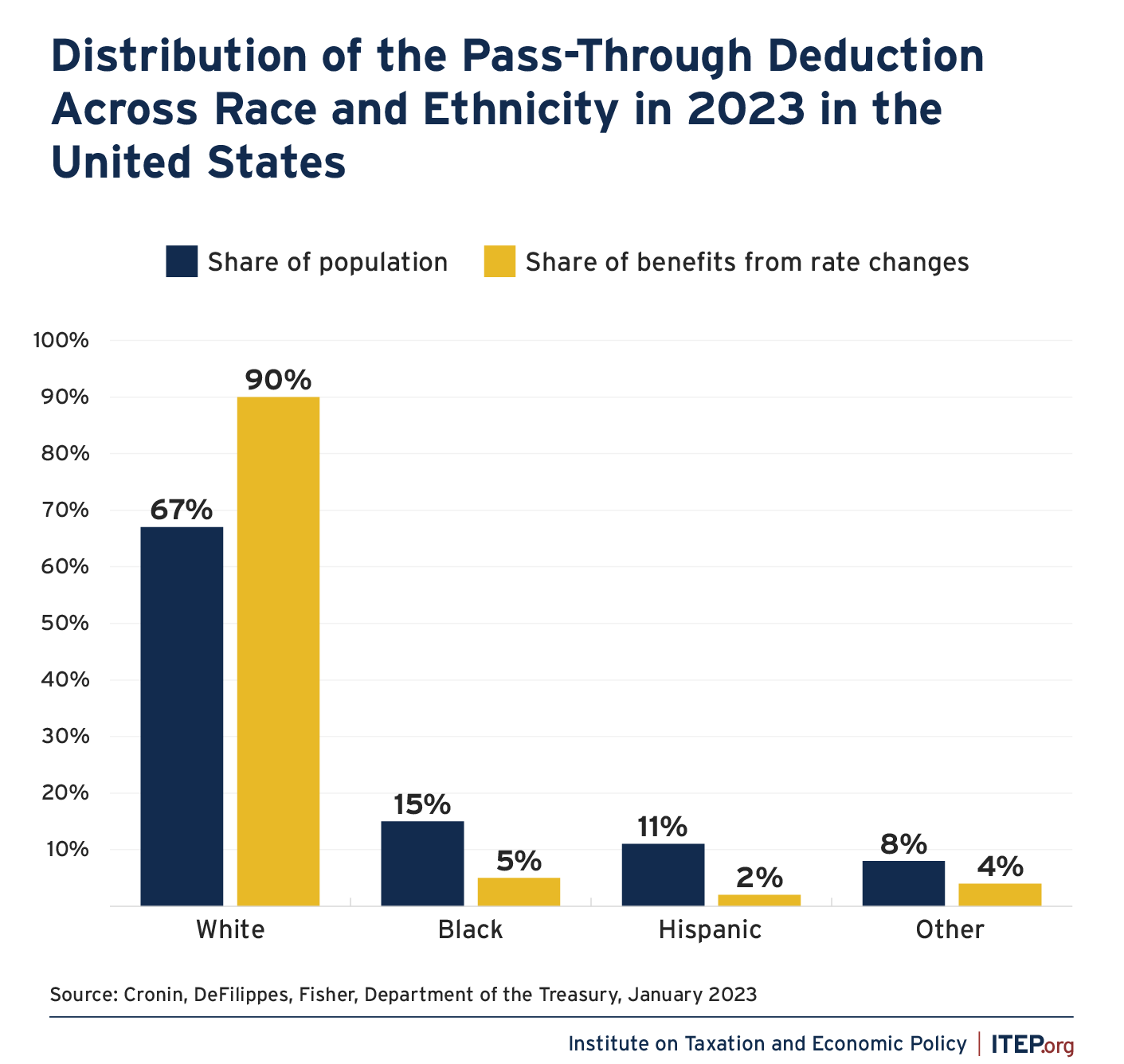
Many small businesses operate as pass-through entities, meaning their profits are taxed through the owner’s personal income tax return rather than through a separate corporate tax structure.
One provision affecting these businesses is the Qualified Business Income deduction introduced under the Tax Cuts and Jobs Act. This deduction allows certain business owners to deduct up to 20 percent of qualifying income.
Economists are currently examining whether this provision should be extended, modified, or replaced with alternative small-business tax policies.
Potential considerations include:
- Simplifying tax filing requirements for small businesses
- Adjusting eligibility thresholds for deductions
- Creating targeted investment incentives for local firms
For a small manufacturing company considering a new production facility, tax policy can influence whether expansion occurs sooner or later.
The Expanding Role of Targeted Tax Incentives
Another trend shaping tax policy discussions involves the use of targeted incentives designed to encourage specific types of economic activity.
Rather than adjusting overall tax rates, policymakers sometimes introduce credits or deductions that reward particular investments.
Recent policy discussions have focused on incentives related to:
- renewable energy development
- domestic manufacturing
- technological research and innovation
- infrastructure modernization
For example, tax credits for renewable energy projects can encourage companies to invest in solar or wind energy facilities.
Economists evaluate these policies carefully because their effectiveness depends on whether they genuinely influence business decisions or simply subsidize investments that would occur anyway.
Despite these debates, targeted tax incentives remain a common policy tool because they allow governments to pursue economic priorities through the tax system.
Household Tax Changes and Financial Planning
Tax reform discussions also affect households and personal financial planning.
Many families monitor tax policy closely because changes in deductions, credits, or rates can affect take-home income and long-term savings strategies.
Examples of tax provisions that frequently influence household finances include:
- the standard deduction
- child tax credits
- education tax credits
- retirement savings incentives
- capital gains taxation on investments
Consider a family planning for college expenses. Education tax credits may reduce the cost of tuition and influence how families structure savings.
Similarly, investors planning retirement may evaluate how potential changes to capital gains taxation could affect investment timing.
Because of these factors, tax reform debates often extend beyond government finance and into everyday financial decision-making.
Why Major Tax Reform Often Takes Time
One reason tax reform debates can appear slow is that major legislative changes require careful negotiation and implementation.
Federal tax laws affect millions of taxpayers and businesses, so policymakers typically introduce reforms gradually to allow time for adjustment.
Implementation timelines often include:
- multi-year phase-ins for new tax provisions
- transitional rules for businesses adapting to new regulations
- regulatory guidance from the Internal Revenue Service
This step-by-step approach helps reduce uncertainty and ensures that tax changes can be implemented effectively.
While reform discussions may take years to resolve, the resulting policies can shape the economic environment for decades.
Frequently Asked Questions
1. Why are tax policy discussions increasing now?
Several tax provisions are approaching expiration, prompting lawmakers to reconsider how the tax system should evolve.
2. What role does the federal deficit play in tax reform?
Rising federal debt projections often lead policymakers to examine whether tax revenue will remain sufficient over time.
3. How does tax policy affect economic growth?
Taxes influence incentives related to work, saving, and business investment.
4. What is the Tax Cuts and Jobs Act?
The Tax Cuts and Jobs Act is a major tax reform law enacted in 2017 that significantly changed corporate and individual taxation.
5. Will tax rates increase in the near future?
Future rates depend on legislative decisions regarding expiring provisions and new fiscal policies.
6. How do tax reforms affect small businesses?
Changes to deductions, credits, and income thresholds can influence hiring, expansion, and investment decisions.
7. Why are targeted tax credits used?
They encourage investment in industries or activities that policymakers want to promote.
8. How can individuals prepare for tax changes?
Monitoring legislative developments and consulting financial advisors can help individuals adapt to evolving tax rules.
9. Do tax reforms affect investments?
Yes. Capital gains taxes, depreciation rules, and investment credits can influence investment strategies.
10. Where can taxpayers follow policy updates?
Government reports, research organizations, and official announcements from agencies like the Internal Revenue Service provide updates on tax policy developments.
The Broader Signals Emerging From Today’s Fiscal Reform Debate
Recent tax policy discussions reveal that fiscal reform in the United States is evolving beyond traditional debates about tax rates. Policymakers are increasingly focused on long-term sustainability, global competitiveness, and targeted economic incentives.
These discussions illustrate the complexity of designing a tax system that supports economic growth while also generating stable government revenue.
As proposals continue to develop, the direction of U.S. tax policy will likely reflect a combination of fiscal responsibility, economic strategy, and political compromise.
Key Themes From the Current Tax Policy Conversation
- Expiring provisions from the 2017 tax reform are driving new legislative debates
- Federal debt projections are shaping fiscal policy priorities
- Corporate tax competitiveness remains a central issue
- Small-business tax provisions may undergo revision
- Targeted tax incentives are becoming more prominent policy tools
- Household tax planning continues to be affected by evolving legislation