Summary
Policy decisions from governments and central banks can rapidly reshape financial markets. When new regulations, interest-rate policies, tax rules, or fiscal programs are announced, investors adjust portfolios within minutes. This article explains how policy updates move markets, which sectors react most strongly, and how everyday investors can interpret these shifts to make informed investment decisions in the U.S. economic environment.
Why Policy Changes Move Financial Markets
Financial markets respond quickly to new information, and policy announcements are among the most powerful catalysts. When governments or central banks adjust regulations, spending programs, or interest rates, the changes affect corporate profits, consumer spending, and economic growth expectations.
Investors constantly attempt to anticipate these impacts. A Federal Reserve interest-rate hike, for example, can immediately influence bond yields, stock valuations, and mortgage rates. Fiscal policy changes—such as tax reforms or infrastructure spending—can boost certain industries while pressuring others.
According to data from the Federal Reserve Bank of St. Louis (FRED), interest rate adjustments often trigger noticeable shifts in equity and bond markets within hours of announcements. Markets respond not only to the policy itself but also to forward guidance about future economic direction.
For investors, understanding these dynamics is essential. Policy changes can affect everything from retirement portfolios to short-term trading strategies.
The Most Common Policy Triggers That Move Markets
Several types of policy updates consistently influence investor behavior in the United States.
Monetary Policy Announcements
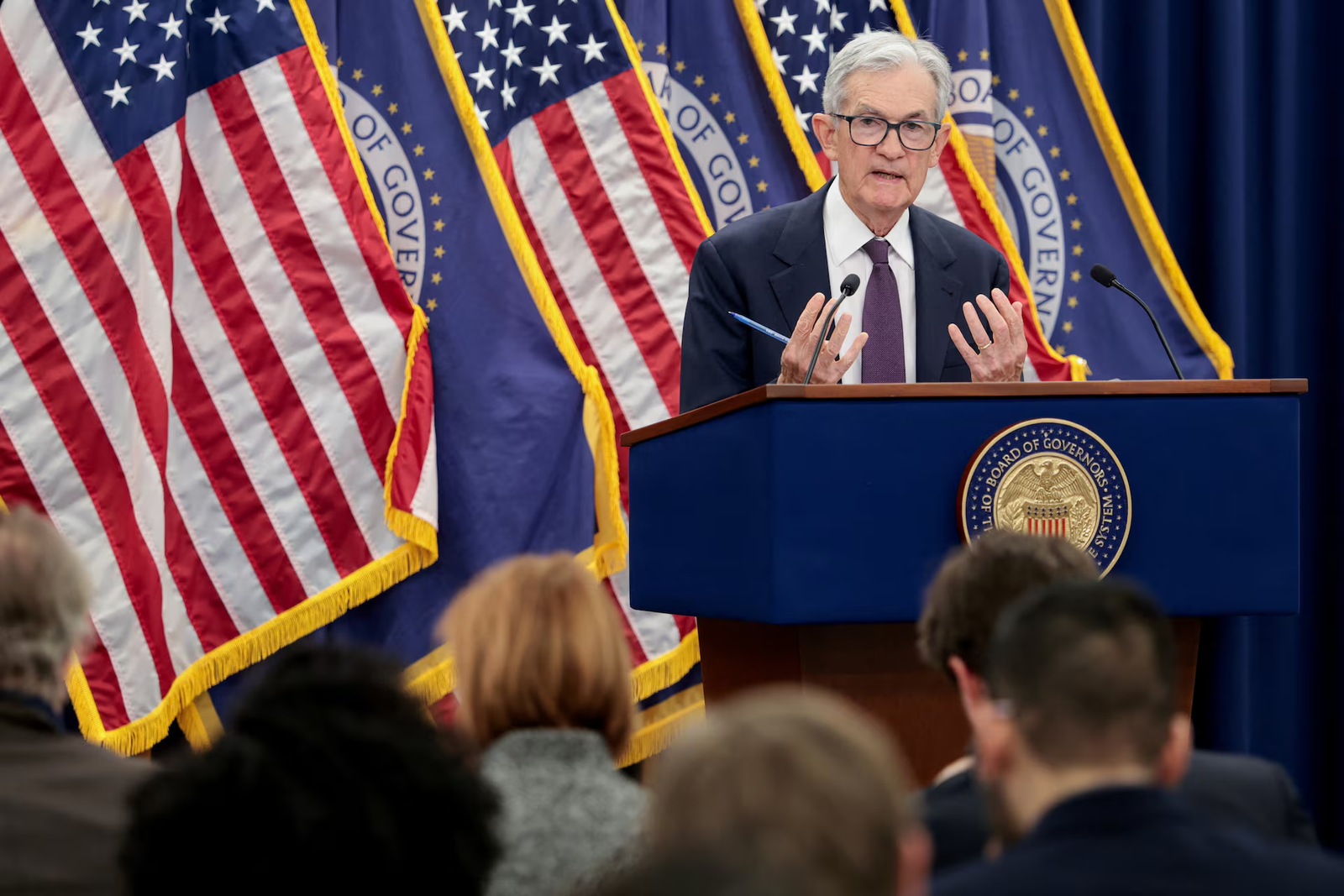
The Federal Reserve plays a central role in market reactions. Key announcements include:
- Interest rate changes
- Quantitative easing or tightening
- Inflation outlooks
- Labor market projections
When the Fed signals higher interest rates, borrowing becomes more expensive. This tends to slow economic activity and can pressure growth-oriented stocks such as technology companies.
Conversely, lower interest rates often encourage borrowing and investment, which can boost equities and real estate markets.
Fiscal Policy Changes
Congressional legislation can significantly affect industries and investor sentiment.
Examples include:
- Corporate tax adjustments
- Infrastructure spending bills
- Healthcare policy changes
- Energy regulations
- Trade tariffs
The Tax Cuts and Jobs Act of 2017, for instance, reduced corporate tax rates and temporarily boosted corporate earnings, which contributed to strong stock market performance in subsequent quarters.
Regulatory Policy Updates
Changes in regulations can reshape entire sectors. Industries such as finance, healthcare, technology, and energy are especially sensitive.
For example:
- Banking capital requirements
- Environmental regulations
- Pharmaceutical approval rules
- Antitrust enforcement
When regulatory frameworks shift, investors reassess risk and future profitability.
How Markets Typically React Immediately After Policy News
Market reactions often occur in phases. The first phase is usually immediate and driven by expectations.
Phase 1: Instant Market Response
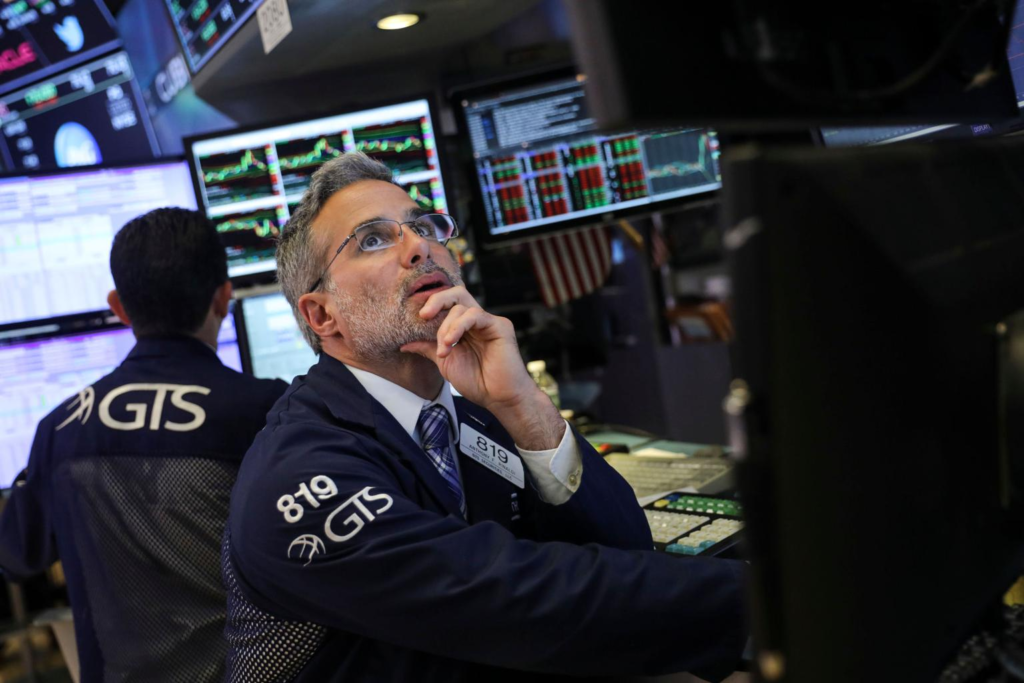
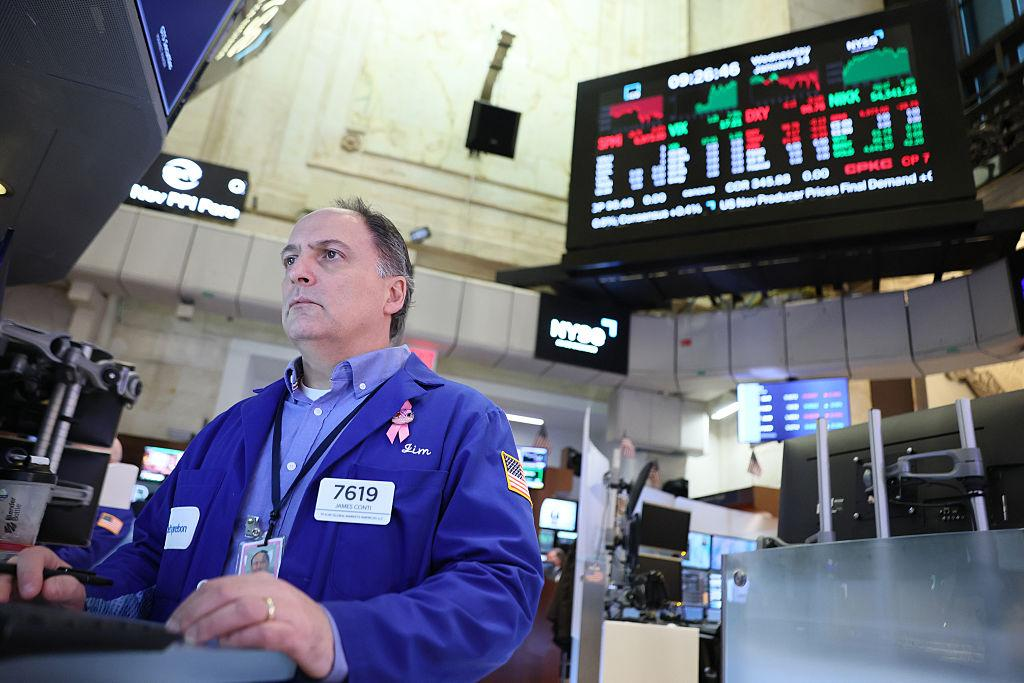
Within minutes of an announcement, high-frequency trading systems and institutional investors adjust positions. This can cause sharp price swings in:
- Major stock indices
- Treasury yields
- Currency exchange rates
- Commodity prices
These movements are often based on whether the announcement aligns with or contradicts expectations.
Phase 2: Analyst Interpretation
In the hours and days following the announcement, economists and analysts begin interpreting details.
Markets may reverse or strengthen their initial reactions once investors understand the broader implications.
Phase 3: Longer-Term Adjustment
Over weeks or months, the real economic impact begins to influence corporate earnings and investor confidence. This is when policy changes often create sustained market trends.
Which Sectors React the Most to Policy Updates?
Not all sectors react equally. Some industries are highly sensitive to policy shifts.
Financial Institutions
Banks and insurance companies are closely tied to interest rates and regulatory policy.
Higher interest rates can increase lending margins, potentially boosting bank profitability. However, stricter financial regulations may limit risk-taking and reduce returns.
Technology Companies
Technology stocks often react strongly to:
- Antitrust policies
- Data privacy regulations
- Interest rate changes
Because tech firms typically rely on future earnings growth, higher interest rates can reduce their valuations.
Energy Sector
Energy markets frequently react to environmental policy and geopolitical decisions.
Examples include:
- Carbon regulations
- Oil drilling policies
- Renewable energy subsidies
- International trade agreements
Healthcare and Pharmaceuticals
Drug pricing policies, FDA approvals, and healthcare legislation can significantly influence pharmaceutical companies and healthcare providers.
Real-World Example: The Market Reaction to Federal Reserve Rate Hikes
A clear example of policy-driven market movement occurred during the Federal Reserve’s rate-hiking cycle from 2022 to 2023.
To combat inflation that peaked above 9% in mid-2022 (according to the U.S. Bureau of Labor Statistics), the Fed raised interest rates multiple times.
Market reactions included:
- Increased volatility in the S&P 500
- Rising Treasury yields
- Declines in high-growth technology stocks
- Strengthening of the U.S. dollar
Mortgage rates also surged, cooling the housing market.
Investors who closely followed Federal Reserve signals were able to adjust portfolios toward sectors such as energy, financials, and dividend-paying stocks that often perform better in higher-rate environments.
Why Expectations Matter More Than the Policy Itself
One of the most misunderstood aspects of financial markets is that expectations often matter more than the actual policy decision.
Markets are forward-looking. If investors expect a rate hike and it occurs as predicted, prices may barely move.
However, if the announcement differs from expectations, markets can react sharply.
For example:
- A smaller-than-expected rate hike can trigger stock rallies.
- A surprise regulatory crackdown can cause immediate sell-offs.
This is why economists and financial journalists pay close attention to forecasts and consensus estimates ahead of major policy announcements.
How Individual Investors Can Interpret Market Reactions
For everyday investors, policy-driven market volatility can be confusing. However, understanding a few key principles can help.
Focus on Long-Term Economic Trends
Short-term market reactions are often exaggerated. Long-term investors benefit from focusing on economic fundamentals rather than daily headlines.
Diversify Across Policy-Sensitive Sectors
Diversification helps reduce risk when policies affect specific industries.
A balanced portfolio might include:
- Technology companies
- Financial institutions
- Healthcare stocks
- Consumer goods firms
- Bonds or treasury securities
Pay Attention to Federal Reserve Communication
The Federal Reserve publishes regular statements, projections, and meeting minutes. These communications often signal future policy directions before official decisions occur.
Avoid Emotional Trading
Markets frequently overreact in the first hours after policy news. Investors who make impulsive decisions during volatile periods may regret them later.
What Economic Indicators Investors Watch After Policy Changes
Policy announcements are only the beginning. Investors track several indicators to determine whether policies are working.
Key indicators include:
- Inflation data (Consumer Price Index)
- Employment reports
- GDP growth
- Corporate earnings reports
- Consumer spending data
For example, if inflation falls after interest-rate hikes, investors may anticipate future rate cuts—another potential market catalyst.
Frequently Asked Questions
Why do stock markets react so quickly to policy updates?
Financial markets process information instantly. Institutional investors and trading algorithms analyze policy announcements within seconds and adjust positions accordingly.
Which policy announcements move markets the most?
Federal Reserve interest rate decisions typically have the largest impact, followed by major fiscal legislation and significant regulatory changes.
Do all stocks react the same way to policy changes?
No. Some sectors—such as banking, technology, and energy—are more sensitive to policy updates than others.
Can individual investors benefit from policy-driven market movements?
Yes, but timing these reactions is difficult. Long-term investors often benefit more from diversification and disciplined portfolio management.
How do interest rate hikes affect stock prices?
Higher interest rates increase borrowing costs and can reduce future corporate profits, often placing pressure on growth-oriented stocks.
Why do markets sometimes rise after negative economic news?
Markets react to expectations rather than absolute outcomes. If conditions are better than feared, prices may rise even when the news appears negative.
How important are Federal Reserve speeches?
Very important. Investors often analyze speeches from Federal Reserve officials for clues about future policy changes.
Do policy updates affect global markets too?
Yes. U.S. policy decisions frequently influence international markets because the U.S. dollar and Treasury securities play major roles in global finance.
How can beginners stay informed about policy changes?
Reliable sources include Federal Reserve announcements, economic calendars, major financial news outlets, and official government reports.
Should investors change portfolios after every policy announcement?
Not necessarily. Frequent changes can increase risk and trading costs. Strategic adjustments based on long-term trends are usually more effective.
Reading the Policy Signals Before the Market Does
Successful investors rarely wait for headlines alone. Instead, they watch the signals that often precede policy decisions—economic data trends, central bank communications, and legislative developments.
Markets tend to reward those who understand the broader context rather than reacting to every short-term fluctuation. By learning how policy changes influence different sectors and asset classes, investors can better navigate volatility and position portfolios for evolving economic conditions.
Key Insights for Investors Watching Policy-Driven Markets
- Government and central bank policies are among the most powerful drivers of market movements.
- Interest rate decisions from the Federal Reserve often trigger immediate reactions in stocks, bonds, and currencies.
- Expectations frequently matter more than the policy decision itself.
- Certain sectors—including financials, energy, and technology—are particularly sensitive to policy updates.
- Long-term investors benefit from focusing on economic fundamentals rather than short-term volatility.